Best Bread for Panini (and How to Press One Without a Press)
In short
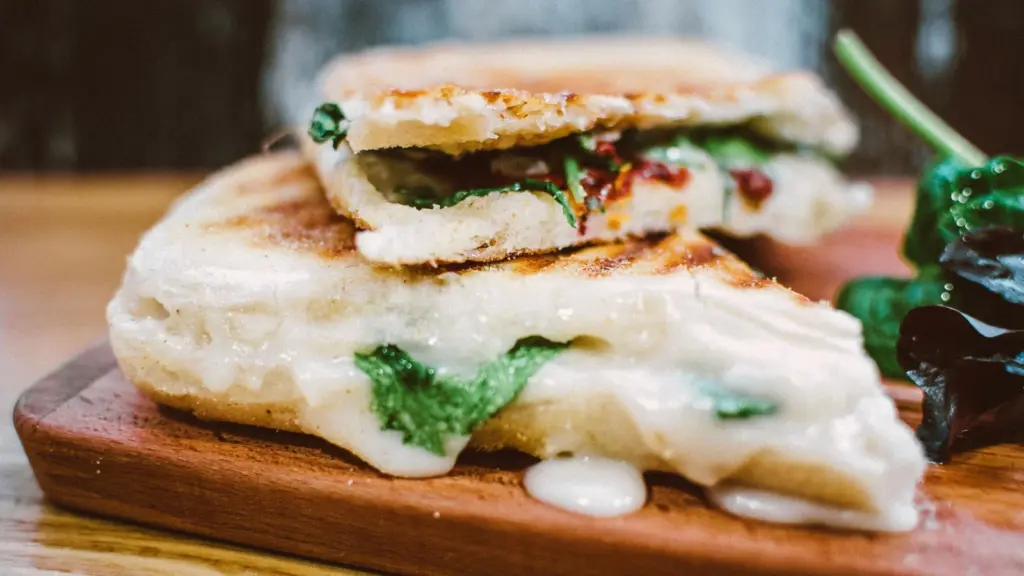
The best bread for panini is a sturdy, lean loaf with a firm crust and a fairly tight crumb, such as ciabatta, country sourdough or a rustic loaf, sliced about ½ inch thick and pressed over medium heat.
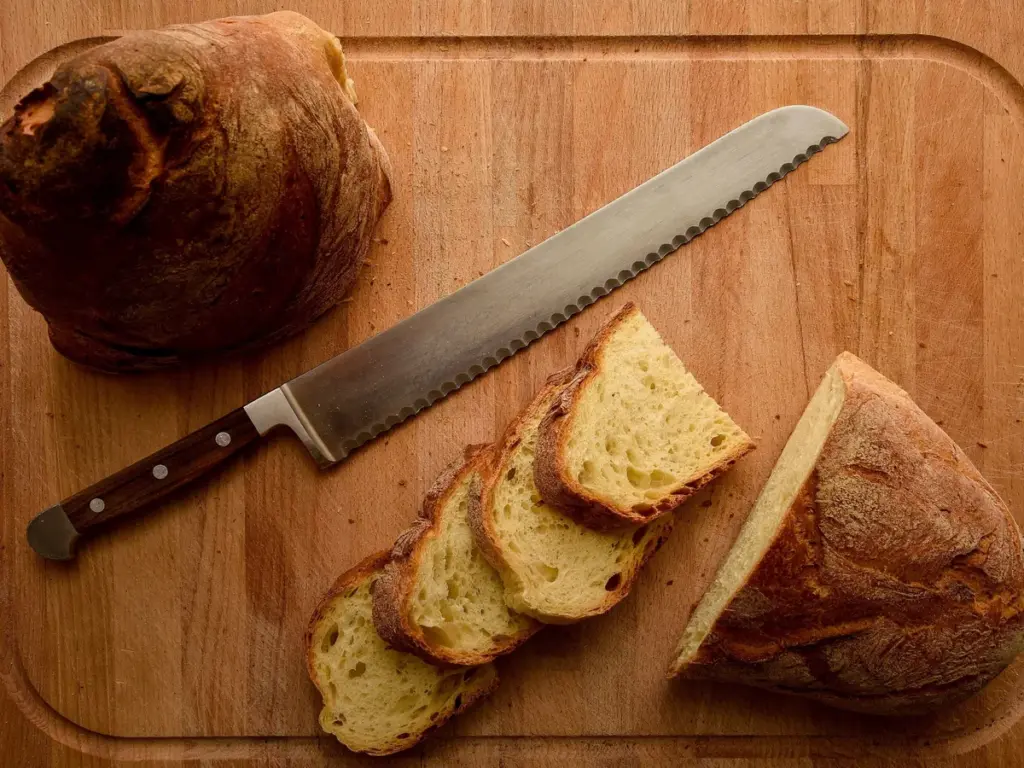
The best bread for panini is a sturdy, lean loaf with a firm crust and a fairly tight crumb: ciabatta, a country sourdough or a rustic Italian-style loaf, sliced about ½ inch thick. It needs to hold its shape under a hot, heavy lid, crisp up on the outside and keep a melty filling from leaking out. Here’s how the common choices compare and how to press one, with or without a press.
What bread is used for panini?
In Italy, panino just means a sandwich, usually on a crusty roll. In the US, “panini” has come to mean a pressed sandwich: bread and filling cooked between two hot surfaces until the outside is crisp and the cheese melts. The most common breads are ciabatta, focaccia, sourdough and rustic country loaves, because they’re firm enough to be flattened without falling apart.
America’s Test Kitchen’s stovetop panini recipes show the range. Their ham, brie and apple panini uses ½-inch-thick slices of rustic bread, while their roast beef version is built on hearty pumpernickel rye sandwich bread. Both can take weight and heat without collapsing.
What makes a good panini bread?
Five things decide whether a bread presses well:
- Structure. The crumb needs enough strength to be squashed and spring back slightly.
- Crumb size. Small to medium holes are easiest. A very open crumb lets melted cheese and sauce drip through to the plate or the press.
- Crust. A firm, thin crust crisps beautifully under the lid. A very thick, hard crust can turn tough and shatter, and it fights the press.
- Moisture. A slightly drier, day-old loaf crisps better than one that’s very fresh and moist.
- Enrichment. Breads with sugar, milk, butter, honey or eggs brown much faster. King Arthur Baking sums up browning as protein + sugar + heat, so sweeter, richer doughs can darken before the cheese inside has melted. The same article notes that acidic conditions slow browning, which is why lean sourdough can take a little longer to turn golden.
Which bread is best for panini?
Here’s how the usual options compare. Thickness is a starting point; adjust for how much filling you’re using.
| Bread | Slice / cut | How it presses | Best fillings | Watch-outs |
|---|---|---|---|---|
| Ciabatta | Split horizontally; trim a very domed top | Crisp, flat and chewy; the classic | Italian cold cuts, mozzarella, pesto, grilled vegetables | Big holes can leak; put cheese against the bread |
| Focaccia | Split horizontally, about ¾ inch per half | Soft inside, crisp and oily outside | Mortadella, provolone, roasted peppers | Already oily, so skip extra fat; can be thick |
| Sourdough | About ½ inch | Crisp, tangy, holds up to wet fillings | Turkey, cheddar, caramelized onion, tomato | Browns slowly; very open crumb can drip |
| Country / rustic loaf | About ½ inch | Even, sturdy, golden | Ham and brie, roast beef, almost anything | Thick, hard crusts can turn tough |
| Seeded sandwich loaf | About ½ inch | Even, toasty, nutty | Chicken, avocado, Swiss, turkey | Butter or honey in the dough browns it faster |
| Soft milk bread / brioche | ¾ inch or thicker | Rich, very soft, flattens a lot | Ham and gruyère, sweet panini | Burns fast; use lower heat |
| Baguette | Split lengthwise, cut to fit | Very crunchy, narrow | Prosciutto, brie, a thin filling | Crust can turn hard; too narrow for a lot of filling |
Ciabatta vs. sourdough for panini: which is better?
Both are excellent, and they suit different sandwiches. Ciabatta is the classic choice: it’s flat, wide and chewy, and splitting a roll gives you a crust on both outside faces with a soft middle to hold the filling. Its big holes can leak, so layer cheese against the bread on both sides to seal them as it melts.
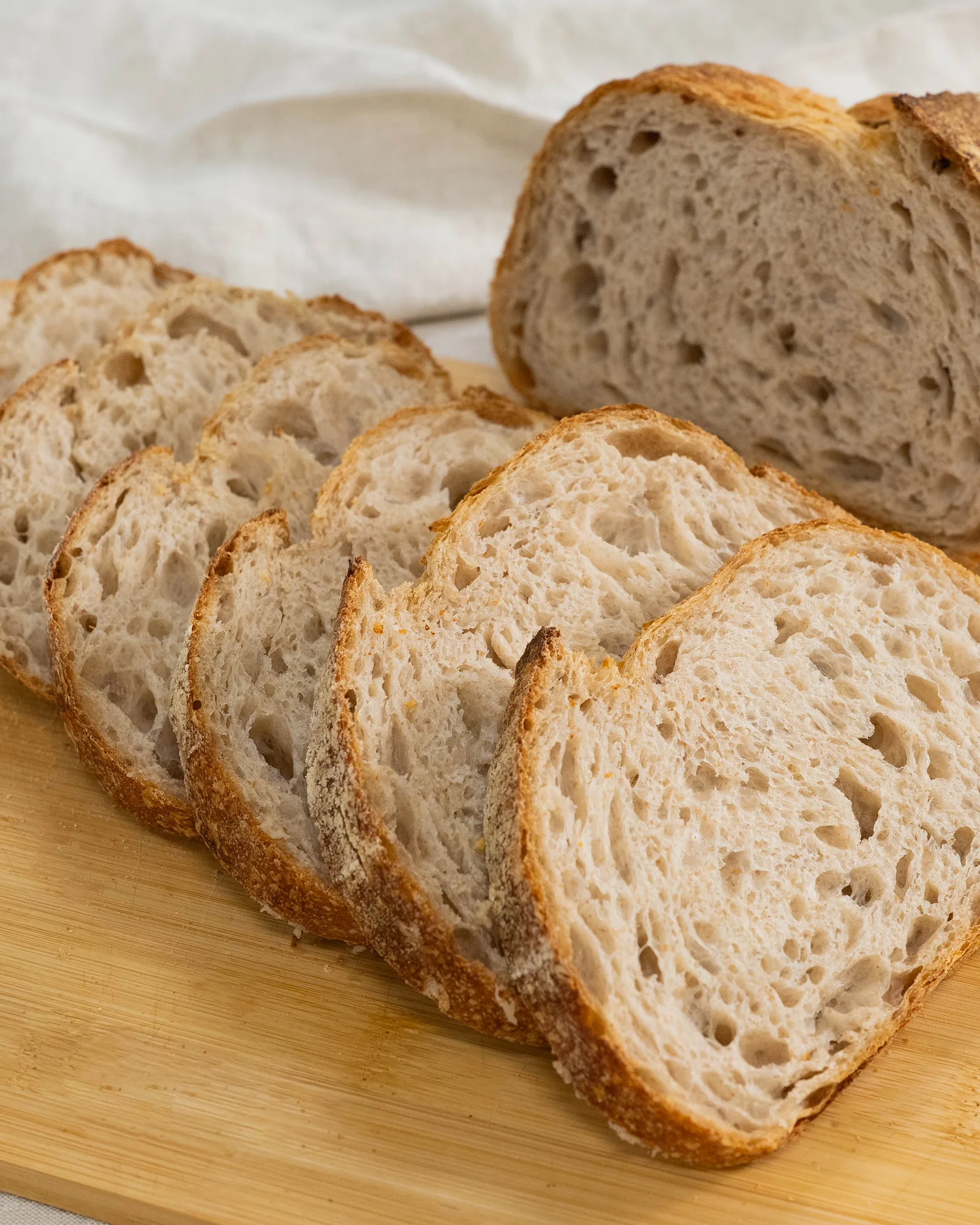
Sourdough gives you even slices, a tangy flavor that cuts through rich cheese and cured meat, and a sturdy crumb that handles juicy fillings. Because it’s lean and acidic, it browns a little more slowly, so use medium heat and give it time.
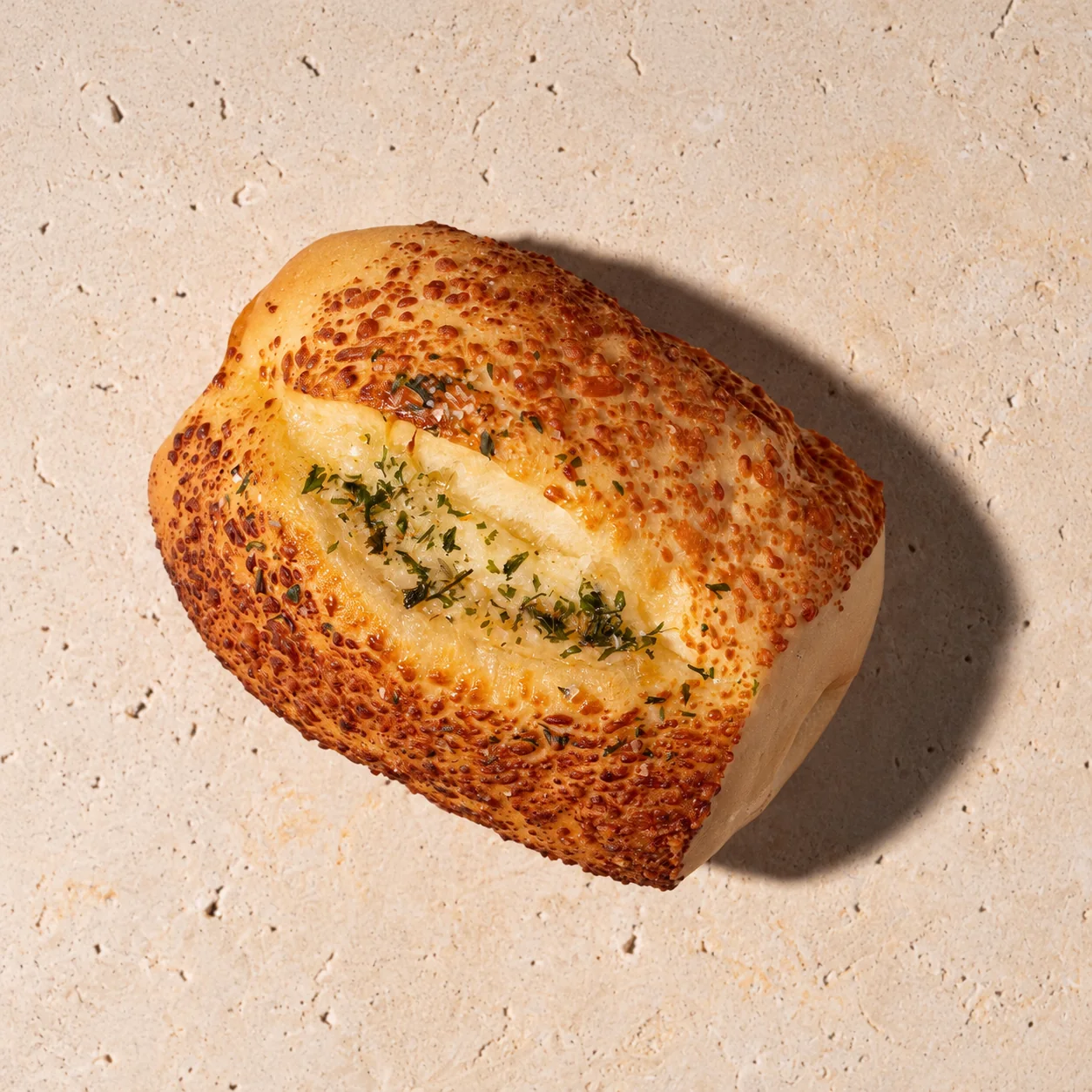
Our Classic Country Sourdough is our signature loaf, with an open, airy crumb and a deep amber crust from a 20-hour ferment. It’s made with just flour, whole wheat flour, sourdough starter, water and sea salt, so it presses like a lean loaf: crisp, chewy and slow to burn. For a spicier sandwich, our Jalapeño Cheddar Sourdough has sharp cheddar and pickled jalapeño folded into the dough, and the cheese bakes into crisp, golden patches on the crust before you even add a filling.
How thick should panini bread be, and how do you press it?
About ½ inch is the sweet spot for sliced loaves. Thinner slices go crisp and brittle before the filling warms; much thicker slices keep the middle cold.
- Fat on the outside. Brush the outer faces lightly with olive oil, softened butter or mayonnaise. America’s Test Kitchen’s roast beef panini brushes each slice with a little mayonnaise for an even golden crust.
- Keep the filling thin and even. Too much filling keeps the bread from making full contact with the plates. Put cheese next to the bread so it melts and glues the sandwich together.
- Medium heat. Preheat the press or pan, then cook at a moderate heat so the cheese melts before the outside darkens. ATK’s roast beef panini takes about 2 minutes per side in a pan over medium heat.
- Press gently. Let the lid rest on the sandwich instead of leaning on it. If your press has a floating hinge, ATK notes those models lift higher to fit taller, bulkier sandwiches.
Can you make panini without a press?
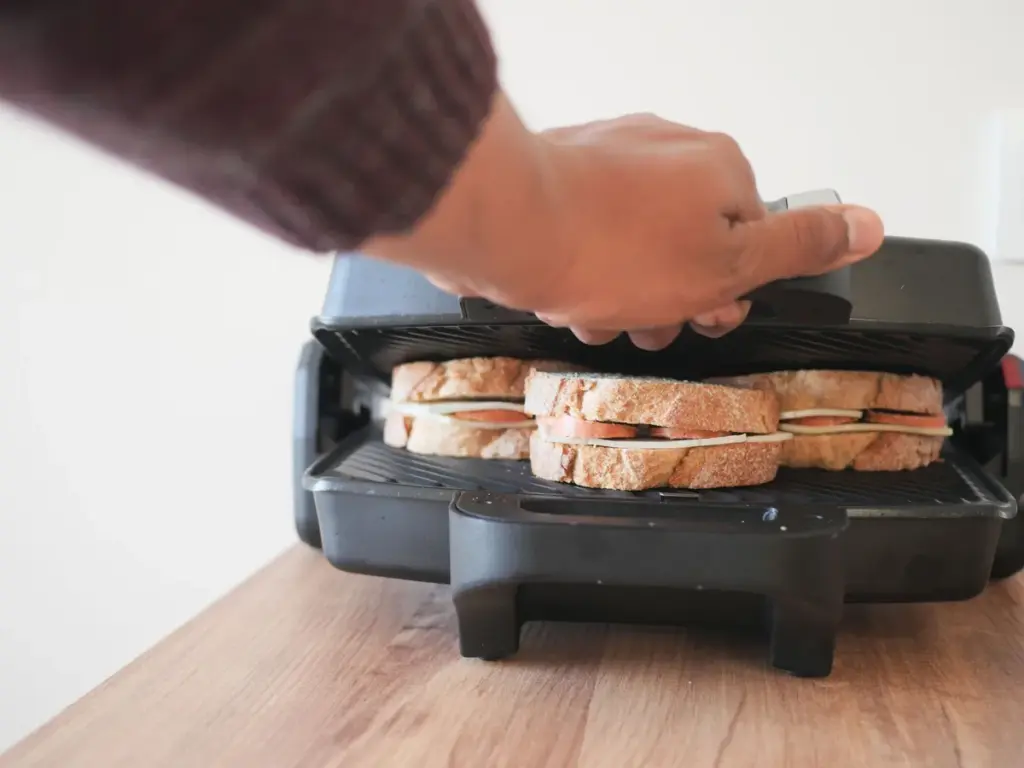
Yes. A heavy skillet and something heavy to set on top do the same job. America’s Test Kitchen says it has used stovetop grill pans, cast-iron skillets or even just a heavy Dutch oven to make crisp panini, and its ham, brie and apple recipe uses a heavy Dutch oven to turn a grill pan into a press.
Here’s the method:
- Heat a large skillet or grill pan over medium heat for about a minute.
- Brush the outside of the sandwich with oil or butter and lay it in the pan.
- Set a second heavy pan or a Dutch oven on top. Wrapping its base in foil keeps it clean; a few cans inside add weight.
- Cook until the underside is golden, flip, put the weight back and cook the second side. ATK’s ½-inch rustic bread panini takes about 5 minutes per side.
A grill pan gives you ridged marks; a flat skillet gives an even, all-over crust.
What’s the difference between a panini and a grilled cheese?
A grilled cheese is about the cheese: usually sandwich bread, butter and a pan, with little or no pressing. A panini is pressed under weight, usually on a sturdier, crustier bread, and is often filled with meat, vegetables and spreads as well as cheese. The flattening is what gives a panini its dense, crisp, compact bite. If you’re making the classic diner version, see our guide to the best bread for grilled cheese; soft, even sandwich slices that would collapse in a press are often perfect there.
Which bread goes with which panini filling?
- Italian cold cuts, mozzarella, pesto: ciabatta or focaccia.
- Turkey, cranberry and brie: country sourdough. It’s also a great way to use up a Thanksgiving leftover sandwich filling; warm the turkey first so the middle heats through.
- Ham and gruyère or Swiss: a rustic loaf, or soft milk bread pressed gently for a croque-style sandwich.
- Chicken, avocado and pepper jack: a seeded loaf, or a jalapeño cheddar loaf for extra heat.
- Grilled vegetables and goat cheese: sourdough, which stands up to the moisture.
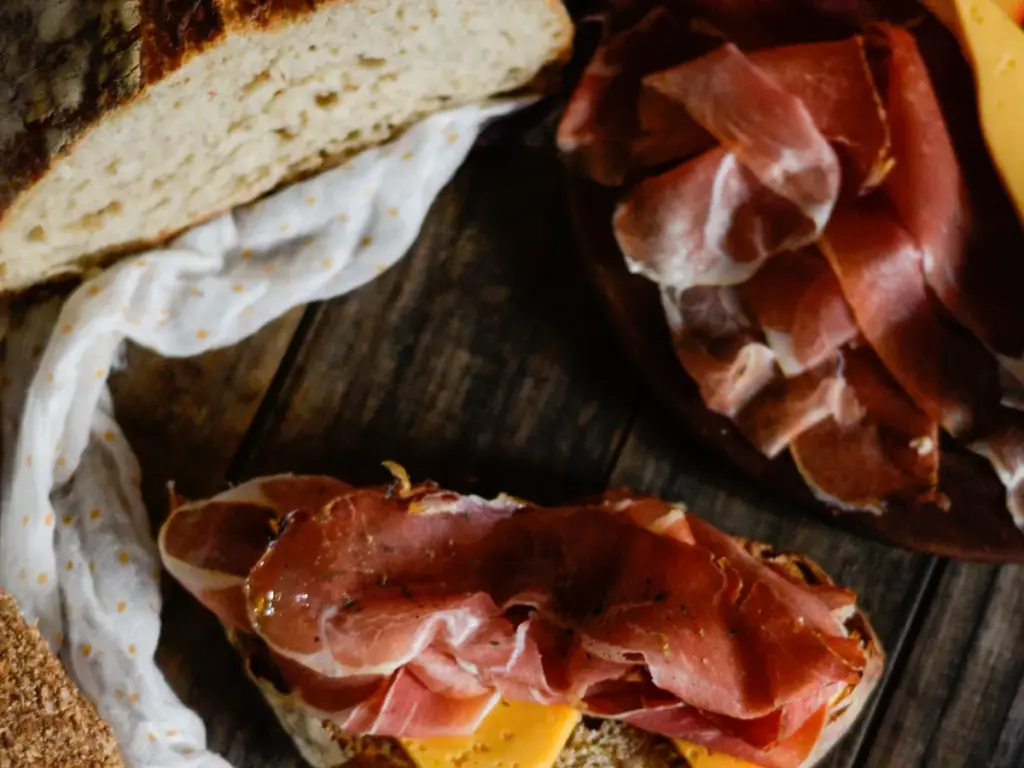
- Prosciutto and brie: a baguette with a thin layer of filling.
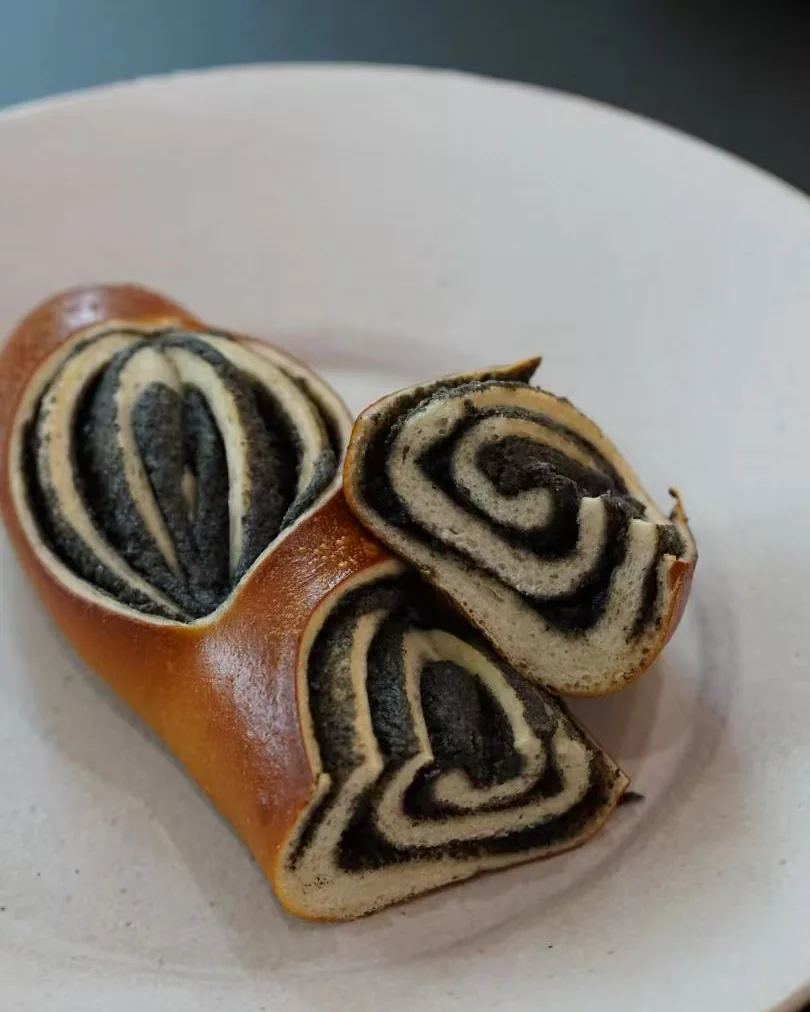
Our Seeded Sourdough Sandwich Loaf is a sandwich loaf built on sourdough rather than yeast, with black sesame, flaxseed and chia through the crumb. It’s made with cultured butter, rice koji and a little honey, which keep it tender, so it gives you even slices for a neat panini. With honey and butter in the dough, press it on medium rather than high heat.
Can you make panini with frozen bread?
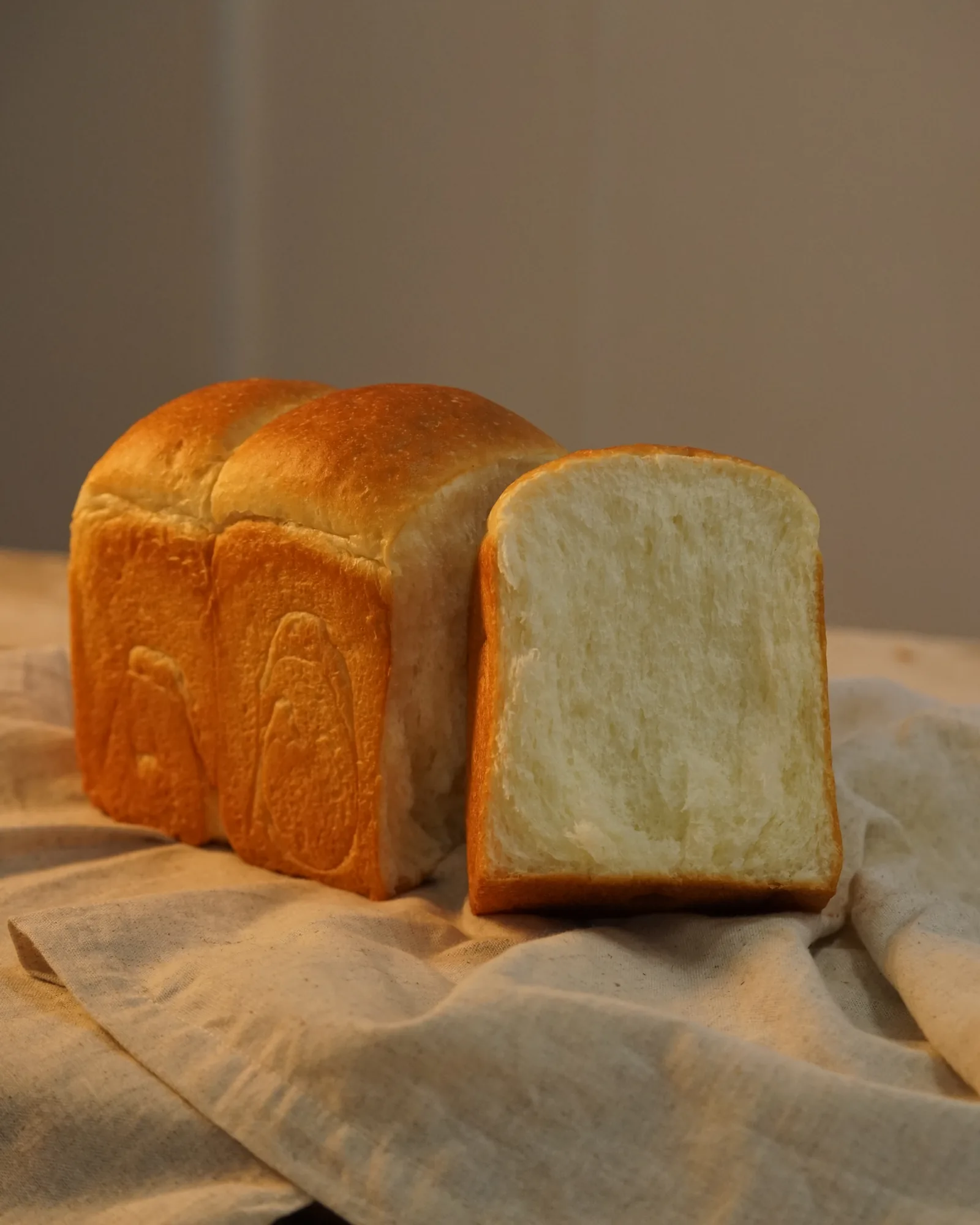
Yes, and it’s one of the easiest ways to have good bread on hand for sandwiches. Slice the loaf before freezing so you can take out just the slices you need. King Arthur Baking suggests dividing slices into groups of two or four and separating them with small squares of parchment paper, and notes that frozen slices can go straight into the toaster.
For panini, you can assemble with frozen slices and press them right away; just use slightly lower heat and a few extra minutes so the bread thaws and the cheese melts before the outside gets too dark. For how long a loaf keeps in the freezer, see our guide on how long bread lasts in the freezer.
Questions
Can you use regular sandwich bread for panini?
Yes, but it flattens a lot and browns quickly, especially if it contains sugar or milk. Use thicker slices, a light hand with the lid and medium-low heat.
Why is my panini soggy?
Usually the filling is too wet or too thick, or the heat is too low. Pat tomatoes and roasted vegetables dry, keep the filling thin, put cheese next to the bread and preheat the press fully.
Should you use butter, oil or mayonnaise on the outside?
All three work. Olive oil gives a crisp, Italian-style crust, butter gives a richer flavor, and mayonnaise spreads easily and browns evenly. Use a thin layer on the outside only.
Can you make panini ahead of time?
You can assemble them a few hours ahead and keep them covered in the fridge, but press them just before serving. Pressed panini lose their crunch as they sit.
What cheese melts best in a panini?
Good melters include mozzarella, provolone, fontina, gruyère, Swiss, young cheddar and brie. Slice or shred it thinly so it melts in the time the bread takes to crisp.
Do you need to preheat a panini press?
Yes. A fully hot press crisps the bread quickly and evenly. Put the sandwich on a cold press and the bread dries out before it browns.