How Long Does Bread Last in the Freezer? Safety vs. Quality
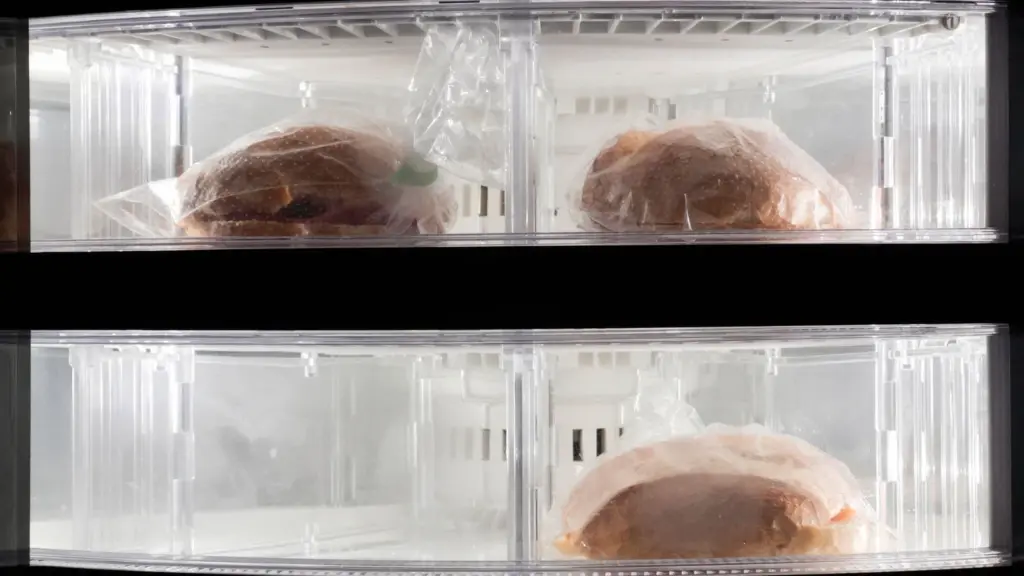
In short
Bread kept frozen at 0°F stays safe indefinitely, but quality fades. For the best texture, eat most frozen bread within two to three months, and soft, enriched or filled breads sooner. Freezer burn affects quality, not safety; mold means throw it out.
Bread doesn’t really expire in the freezer. As long as your freezer holds 0°F, frozen bread stays safe to eat; what changes is how good it tastes. Plan on roughly two to three months for the best texture, a little less for soft, enriched or filled breads, and use your eyes and nose to judge anything older.
How long does bread last in the freezer?
There are two answers, and it helps to keep them apart. For safety, the FDA says food that’s properly handled and kept at 0°F will remain safe, and that food will be safe indefinitely at 0°F, though quality drops the longer it sits. The same page notes that freezing does not kill most bacteria, but it does stop them from growing, which is why the safety only holds while the bread stays frozen.
For quality, University of Illinois Extension’s freezer storage chart lists baked yeast bread and rolls at two to three months, and baked quick breads and muffins at two to three months as well. Those are best-quality windows, not deadlines. A well-wrapped loaf at month four is still safe; it’s just likely to be drier, with a duller crust and less aroma. Illinois Extension also makes a point worth remembering: freezing doesn’t refresh bread, it only holds whatever quality the bread had going in. Freeze bread the day you buy or bake it, not the day before it goes stale.
Does bread go bad in the freezer?
Not in the food-safety sense, as long as it stays frozen. A steady 0°F keeps mold and bacteria from growing. What bread does do over time is lose quality, in three main ways:
- Drying. Moisture slowly leaves the surface and collects as frost inside the bag. The bread thaws drier and crumblier.
- Freezer burn. Dry, pale or leathery patches where air reached the bread. More on that below.
- Flavor fade and odors. Crusts lose their toasty aroma, and loosely wrapped bread can pick up smells from whatever else is in the freezer.
Temperature swings speed all three up, so a steady, cold freezer keeps bread better than one that’s opened constantly.
How long can each type of bread stay frozen?
Lean, crusty loaves hold up well whole; soft, rich breads and small pieces dry out sooner. The windows below are for best quality at 0°F, based on the Illinois Extension ranges, with our own notes on what to watch for. None of them is a safety cutoff.
| Bread type | Best-quality window at 0°F | Notes |
|---|---|---|
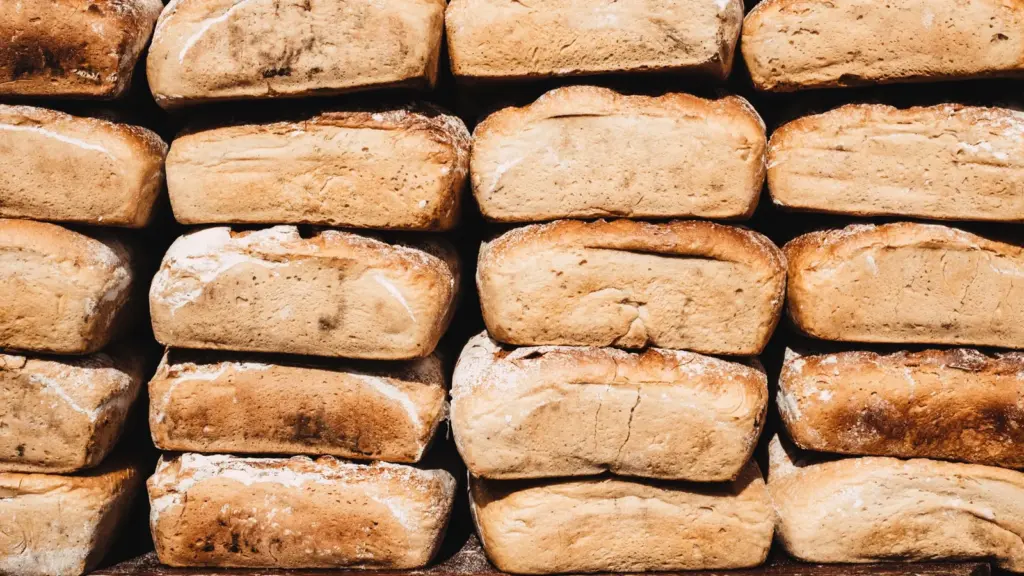
| Lean sourdough or crusty loaf, whole or halved | 2–3 months | Holds up best as a whole or half loaf. With long storage, the crust can turn leathery or start to flake away from the crumb. |
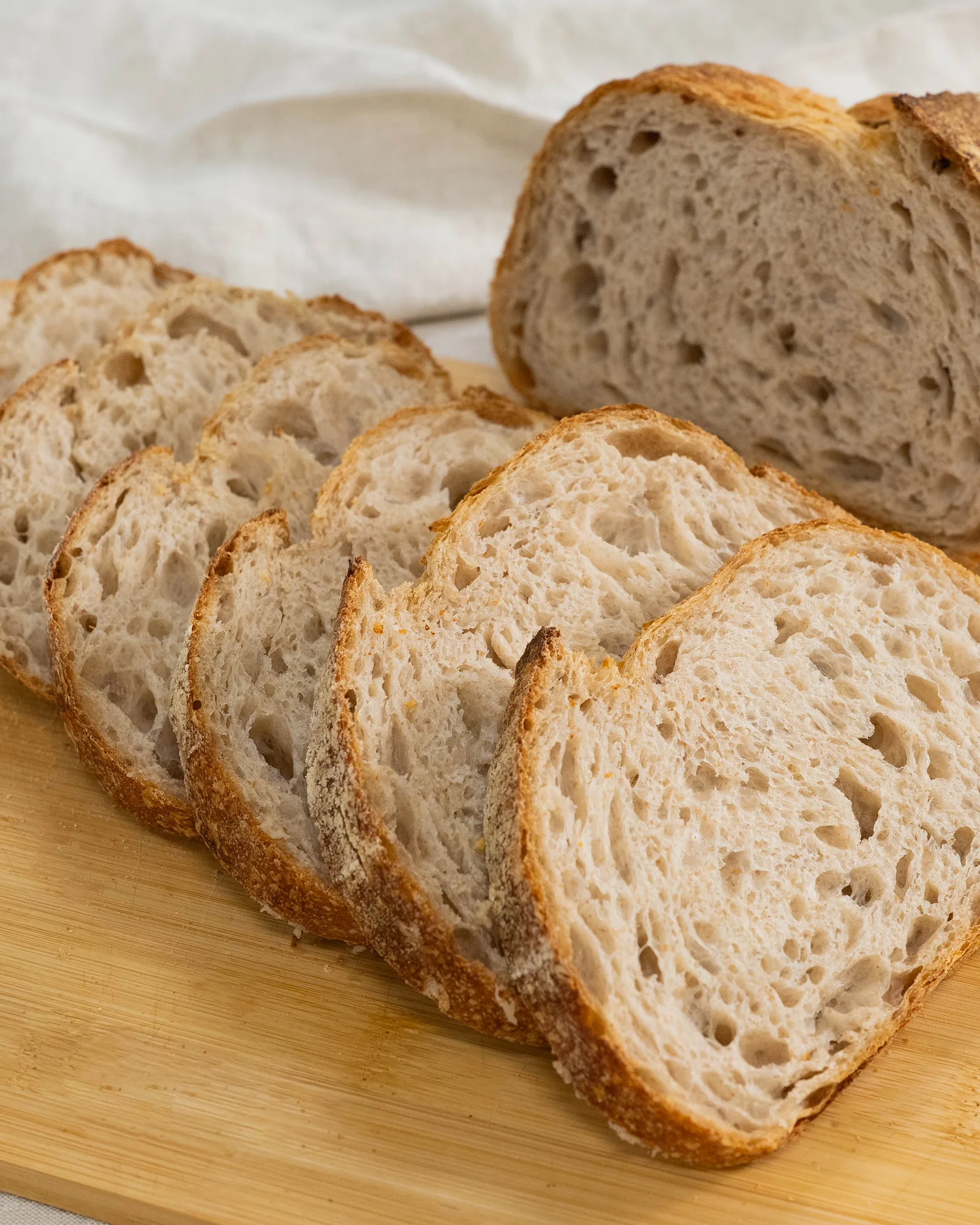
| Sliced sourdough or sandwich bread | 2–3 months | Handy, since slices toast straight from frozen. Edges dry out first, so squeeze the air out of the bag every time you open it. |
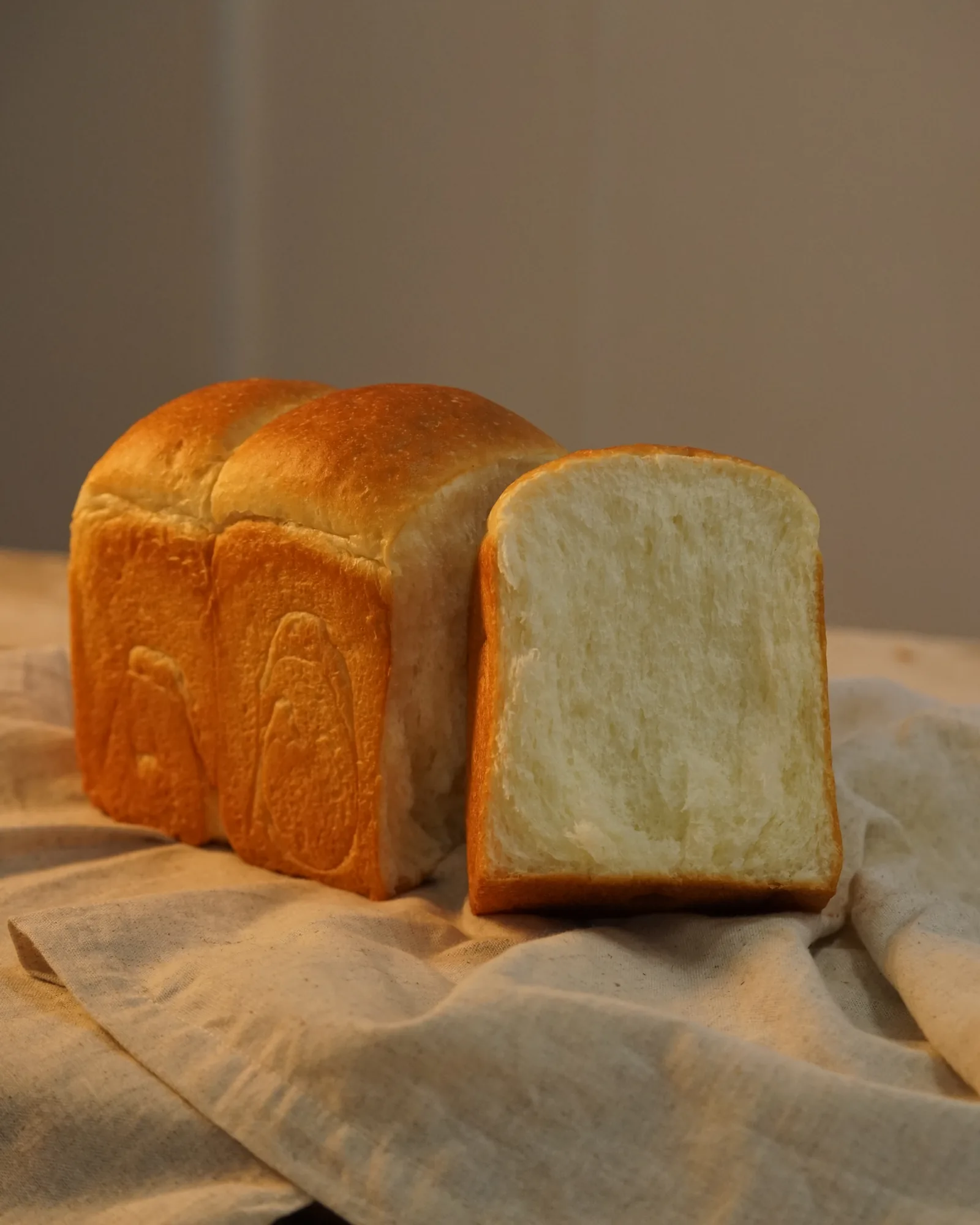
| Enriched or milk bread (brioche, shokupan) | Toward the shorter end, 1–2 months | The soft, fine crumb shows dryness and freezer burn quickly. Wrap it snugly. |
| Rolls, buns and baguette pieces | 2–3 months | Lots of surface for their size, so they dry faster than a loaf. Bag them together in one well-sealed bag. |
| Scones and muffins (quick breads) | 2–3 months | Freeze them baked and cooled. They re-crisp well from frozen in the oven. |
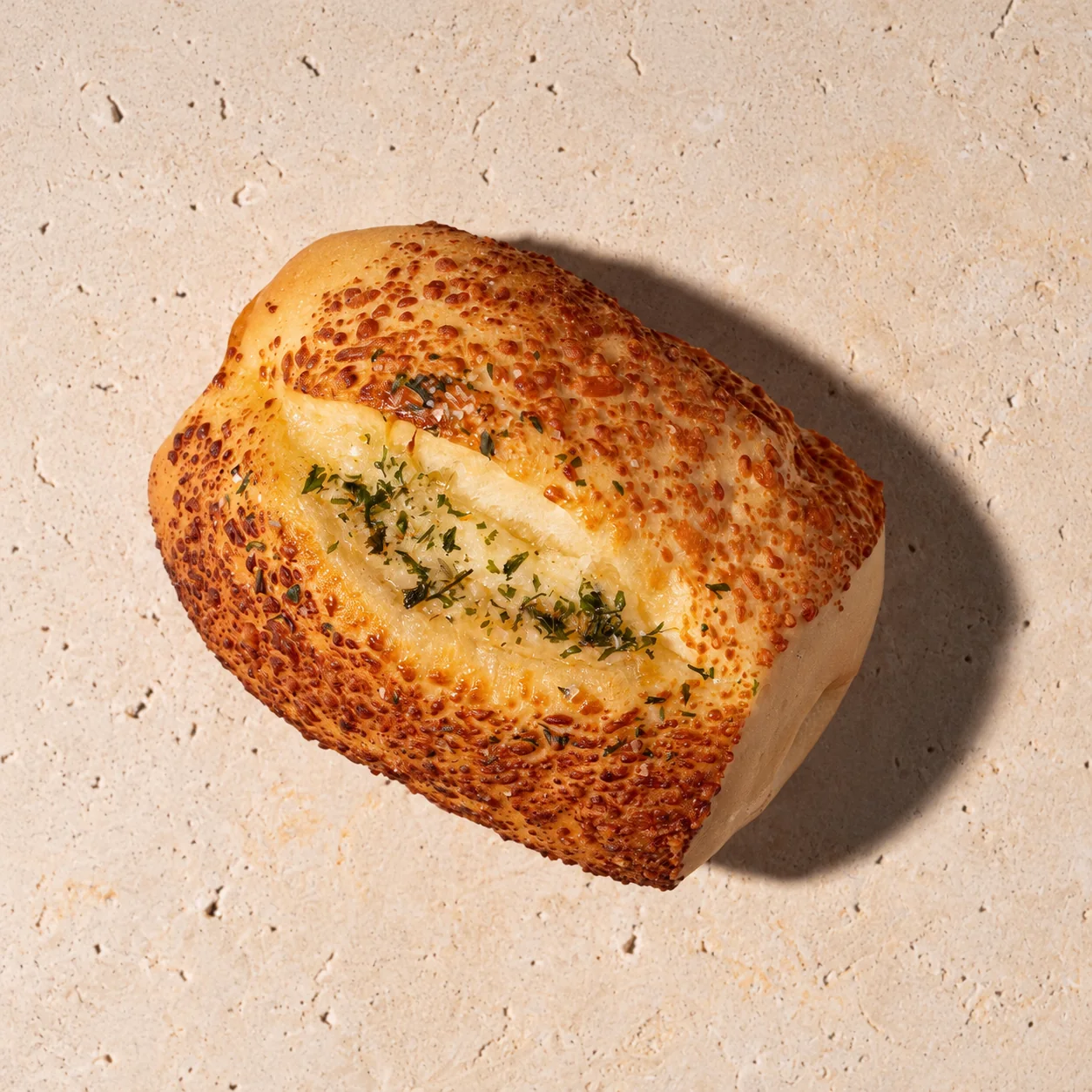
| Filled breads (cheese, meat, cream cheese, fruit) | Toward the shorter end, 1–2 months | Fillings can turn watery or dull on long storage. Breads with meat or dairy fillings are perishable once thawed, so don’t leave them out. |
What does freezer burn on bread look like?
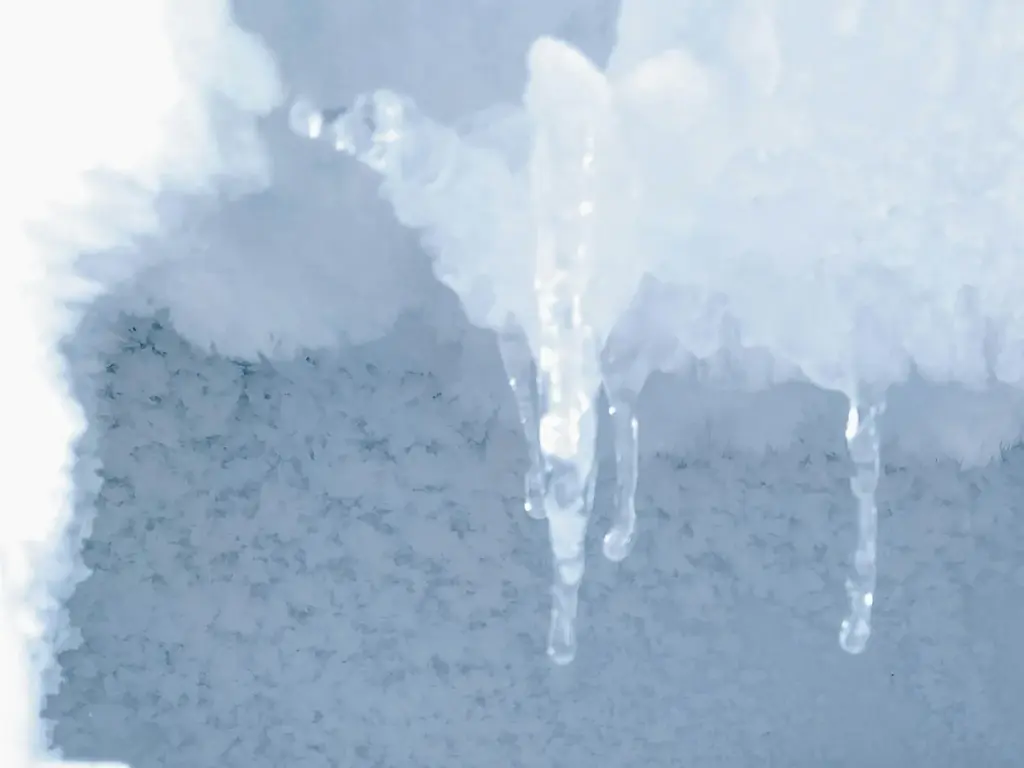
Freezer burn happens when the surface of food dries out in the cold. Utah State University Extension describes it as a grainy, brownish or white surface where the food has become dry and tough. On bread, look for:
- Pale, whitish or grayish patches on the crust or the cut face of the loaf
- Spots that feel hard, leathery or papery instead of springy
- A thick layer of frost or ice crystals inside the bag, which is moisture that has left the bread
- A crumb that thaws dry and crumbly, or tastes flat or like the freezer
The good news: the FDA calls freezer burn a food-quality issue, not a food safety issue. Freezer-burned bread is safe to eat. If only a patch is affected, cut it off. If the whole loaf is dry, it’s still useful as toast, breadcrumbs or croutons.
How do you tell if frozen bread is bad?
Most frozen bread that “looks off” is just past its best. These are the signs that actually mean throw it out:
- Mold. Fuzzy spots in green, blue, white or black, usually found after thawing. University of Connecticut Extension advises that you discard any bread or baked goods with visible mold and check the pieces next to it. Don’t try to cut mold off bread.
- It thawed and sat out. Breads with meat, cheese or cream fillings are perishable once thawed. The University of Minnesota Extension says food left out of the refrigerator for more than 2 hours should be discarded.
- A sour, musty or chemical smell that’s clearly not the bread’s own tang.
If none of those apply, the bread is safe, and the only question is whether you’ll enjoy it. Toast a slice and decide.
Does packaging change how long frozen bread lasts?
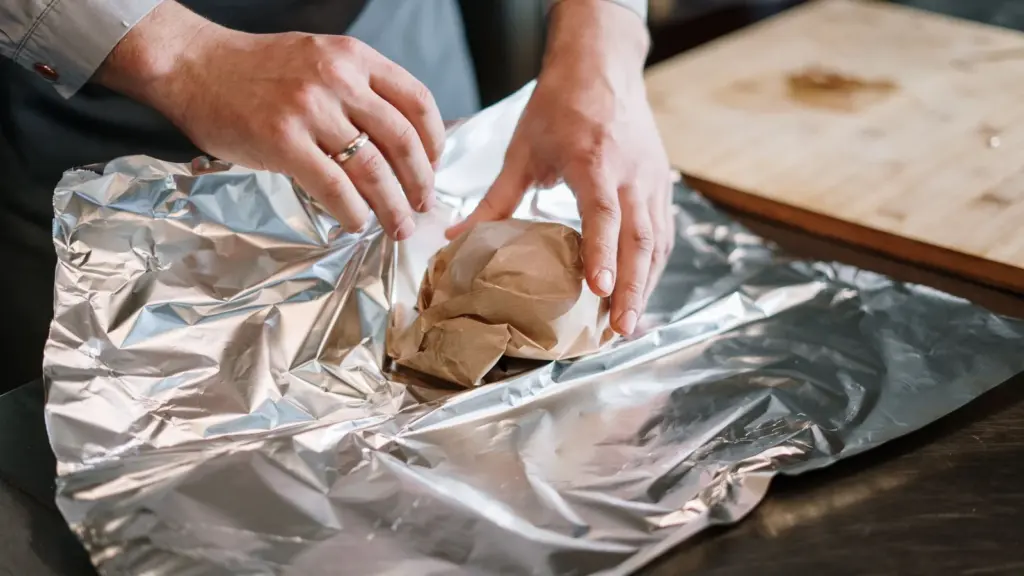
More than anything else. Air is what dries bread out and causes freezer burn, so the goal is to keep air away from the surface. Utah State Extension notes that airtight containers or heavyweight, moisture-resistant wrap prevent freezer burn, and Illinois Extension recommends a heavy-duty freezer bag for bread, sealed well to keep air out and moisture in.
- Thin store bag or paper bag alone: fine for a week or two, then the bread starts drying. Put it inside a freezer bag.
- Heavy-duty freezer bag, air pressed out: the everyday choice for a two-to-three-month window.
- Tight wrap plus a freezer bag: best for enriched loaves or anything you plan to keep toward the long end.
For step-by-step wrapping, slicing and thawing, see our guide to freezing, thawing and reheating sourdough.
Can you refreeze bread?
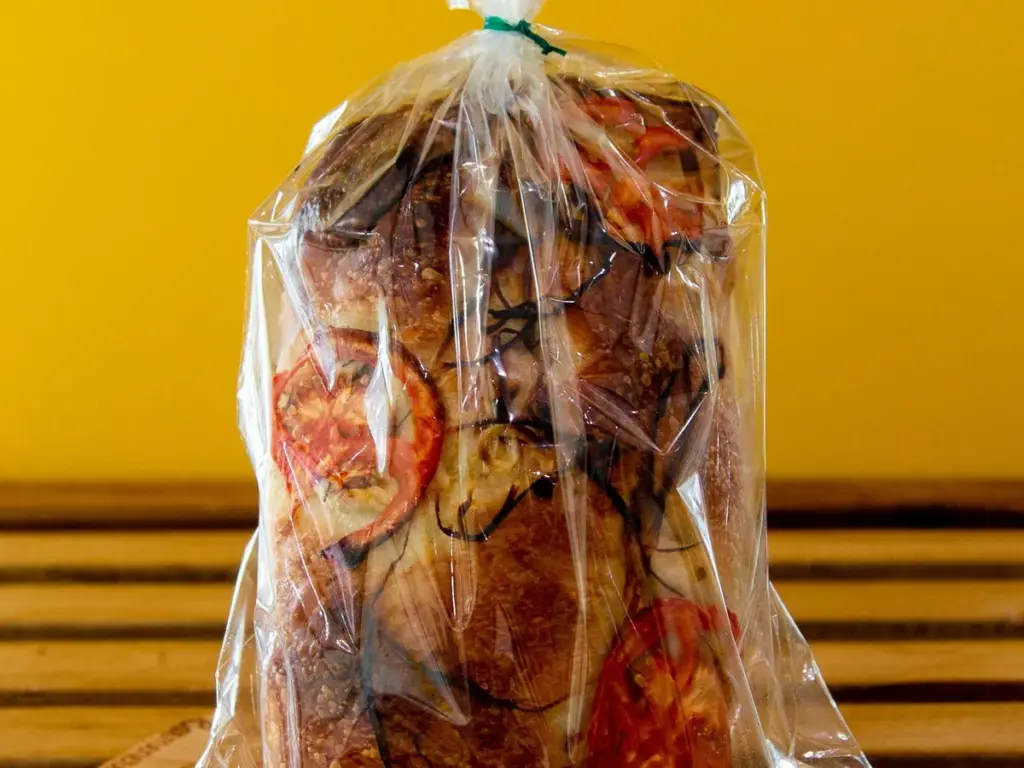
Yes. The University of Minnesota Extension says you can safely refreeze breads, cookies and similar bakery items, with one caution: the result is likely to be a drier, lower-quality product. Its general rule for refreezing is that the thawed food must have stayed at 40°F or below for no more than three to four days. Plain bread that thawed on the counter is a quality question rather than a safety one, but breads with meat or dairy fillings should follow the perishable-food rules.
Each thaw and refreeze costs texture. Moisture moves out of the crumb and turns into frost, the crust softens, and the bread comes out drier and more crumbly the second time. The fix is to avoid needing to refreeze at all: slice loaves before freezing, or split them into halves or quarters, so you only thaw what you’ll eat. Refrozen bread is best for toast or stuffing.
How should you label and rotate frozen bread?
Bread in a freezer bag looks the same at week one and month five, so label it. Illinois Extension advises marking each package with the product name and the date. A few habits that keep bread from getting lost:
- Write the bread type and the date you froze it on the bag with a permanent marker or a strip of freezer tape.
- Keep bread together in one bin or shelf, newest at the back, oldest at the front. Eat the oldest first.
- Keep a freezer thermometer inside and check that it reads 0°F or below.
How does Hour 20 handle frozen bread?
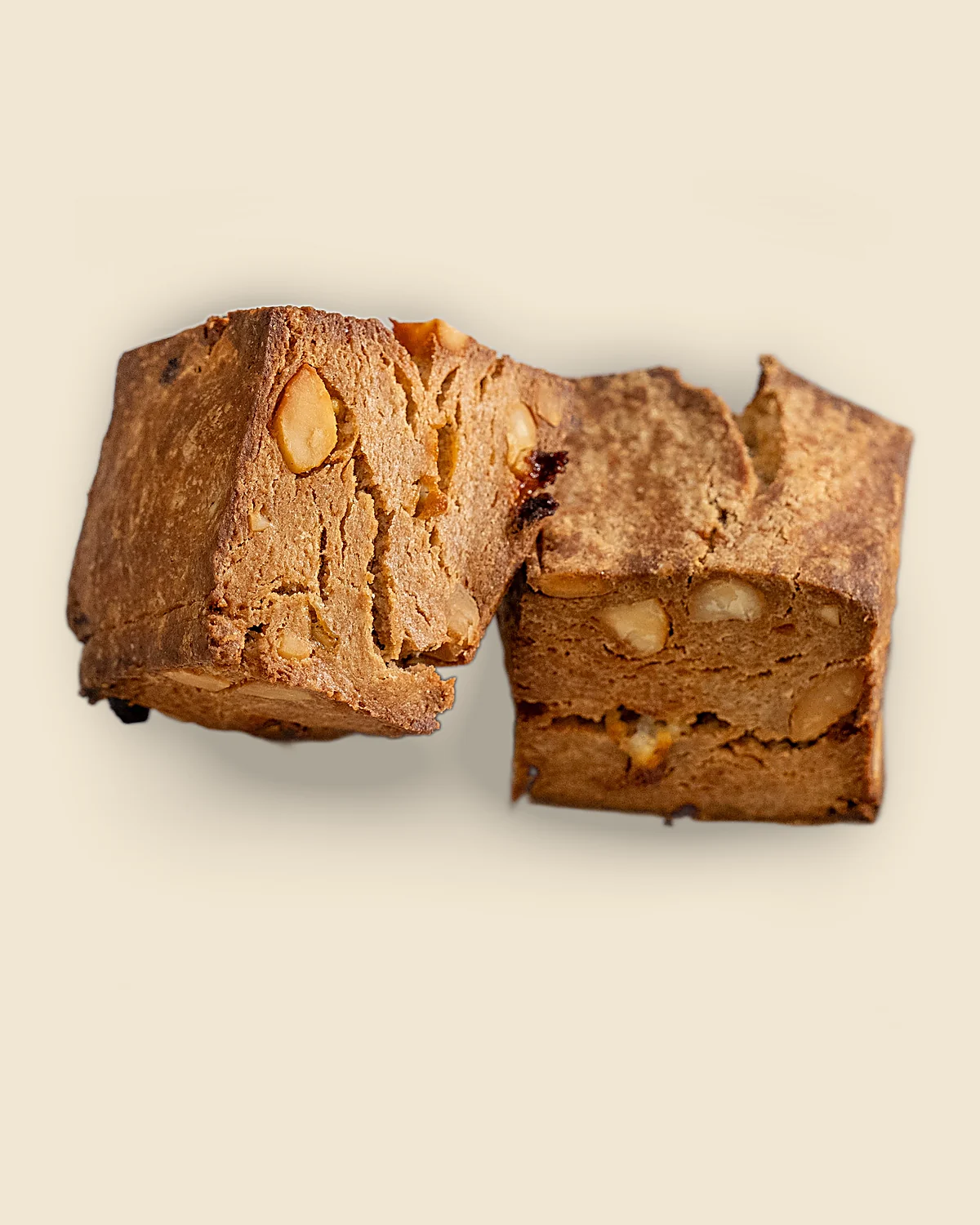
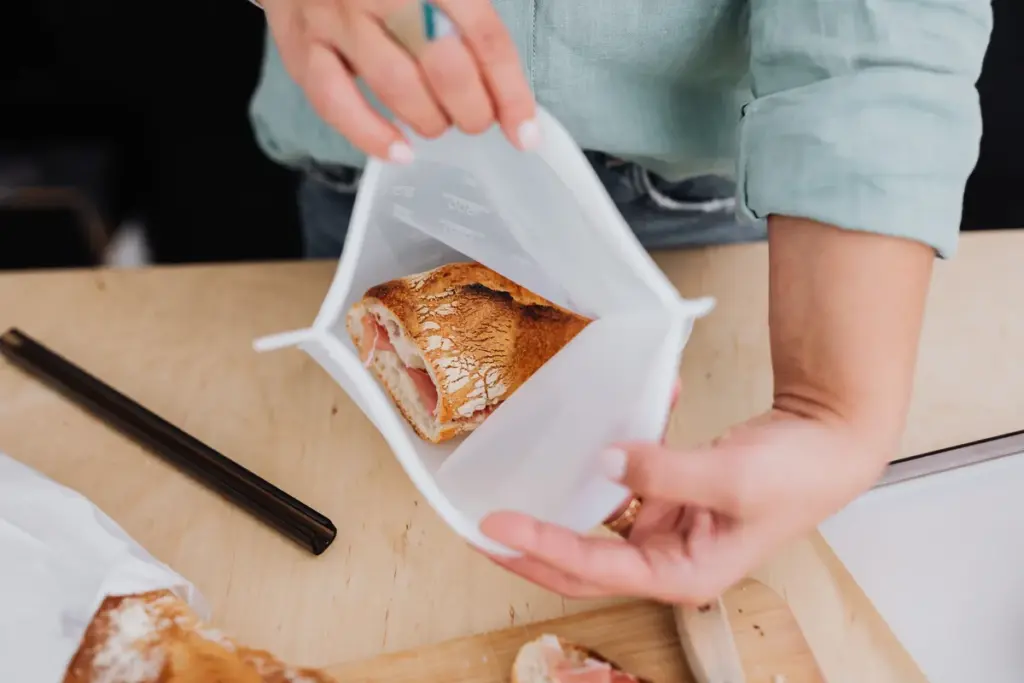
Freezing is how we get bakery-fresh bread to you. We bake to order overnight, then freeze our bread at its peak, and that’s the point where freezing does its best work, because it can only hold the quality the bread already has. Our Sourdough White Chocolate Macadamia Scone and our other scones are flash-frozen at their peak and re-crisp in six to eight minutes at 350°F from frozen. Soft buns like the Cranberry Cream Cheese Bun come back warm, fragrant and pull-apart tender after about five minutes in a warm oven. A lean loaf like our Classic Country Sourdough sits in the first row of the table above. One thing we don’t recommend for any of our bread is the refrigerator: it dries bread out and makes it hard.
If you’re curious how frozen bread compares with bread that was never frozen, we cover that in is frozen bread as good as fresh. And if you’re stocking the freezer for the holidays, sourdough dinner rolls are one of the easiest things to keep on hand and warm up for a crowd.
Questions
Will freezing save bread that’s already a little moldy?
No. Freezing only holds bread as it is. Bread with visible mold should be thrown out, before or after freezing, rather than trimmed.
Is it safe to eat bread that’s been frozen for a year?
If it was kept frozen at 0°F the whole time, yes. Expect it to be dry and flat-tasting, though. It’s best used for toast, croutons or breadcrumbs.
Why is there ice inside my bag of frozen bread?
That’s moisture leaving the bread and freezing on the bag. A little frost is normal; a lot means the bag isn’t sealed well or the freezer temperature is swinging, and the bread will thaw drier.
Should I freeze bread in the bag it came in?
A thin bakery or store bag alone lets air in over time. For anything longer than a week or two, slip it into a heavy-duty freezer bag and press the air out.
Does bread last longer in the fridge or the freezer?
The freezer. The refrigerator tends to make bread go stale faster, while the freezer holds its quality for months.
Can you refreeze bread more than once?
It stays safe if it was handled properly, but every cycle makes it drier and more crumbly. Freezing bread in smaller portions avoids the problem.
Sources
- U.S. Food and Drug Administration: Are You Storing Food Safely?
- University of Illinois Extension: Freezer Storage
- University of Minnesota Extension: Preserving food at home: Freezing
- Utah State University Extension: Food Preservation: Freezing Basics
- University of Connecticut Extension: Handling Food with Mold