The Best Bread for Grilled Cheese (and How to Cook It)
In short
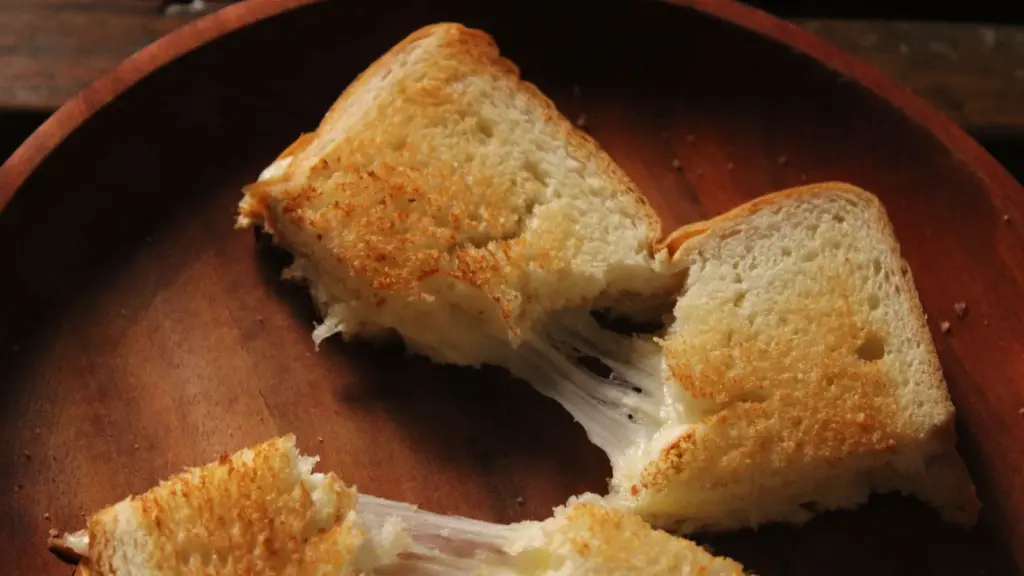
The best bread for grilled cheese is a sturdy loaf with a fairly tight crumb, like a sourdough sandwich loaf or the middle of a country sourdough, sliced about ½ inch thick and cooked over medium-low heat.
Grilled cheese has three ingredients, and the bread is the one doing most of the work. It has to crisp without burning, hold melted cheese without leaking it into the pan, and stay sturdy enough to cut in half. Here’s how the common breads compare, and how to slice, butter and cook whichever one you have.
What bread is best for grilled cheese?
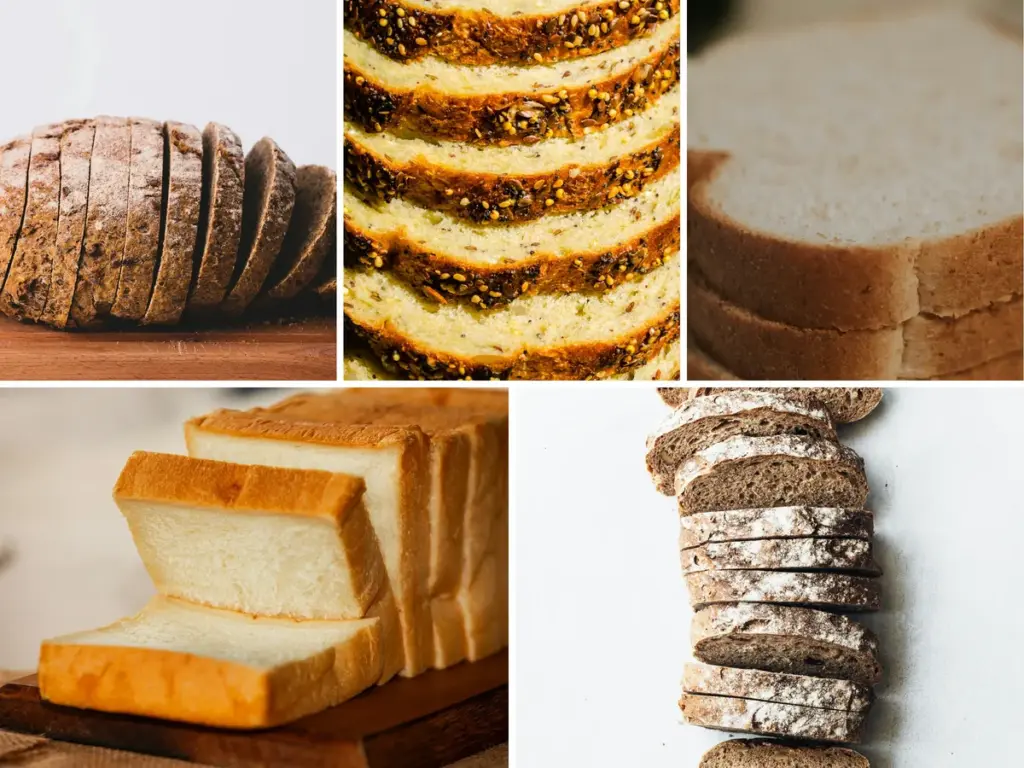
The best bread for grilled cheese is a sturdy loaf with a fairly tight crumb and a crust that isn’t too thick: a sourdough sandwich loaf, a country sourdough cut from the middle, or a good white sandwich bread. Sourdough is the favorite for a reason. Its chewy structure crisps well, its mild tang cuts through rich cheese, and it doesn’t go limp under the weight of the filling.
When you’re choosing a bread, look at four things:
- Structure. The slice should bend a little without tearing. Very soft bread compresses into a thin, greasy wafer; very hard bread stays tough while the cheese melts.
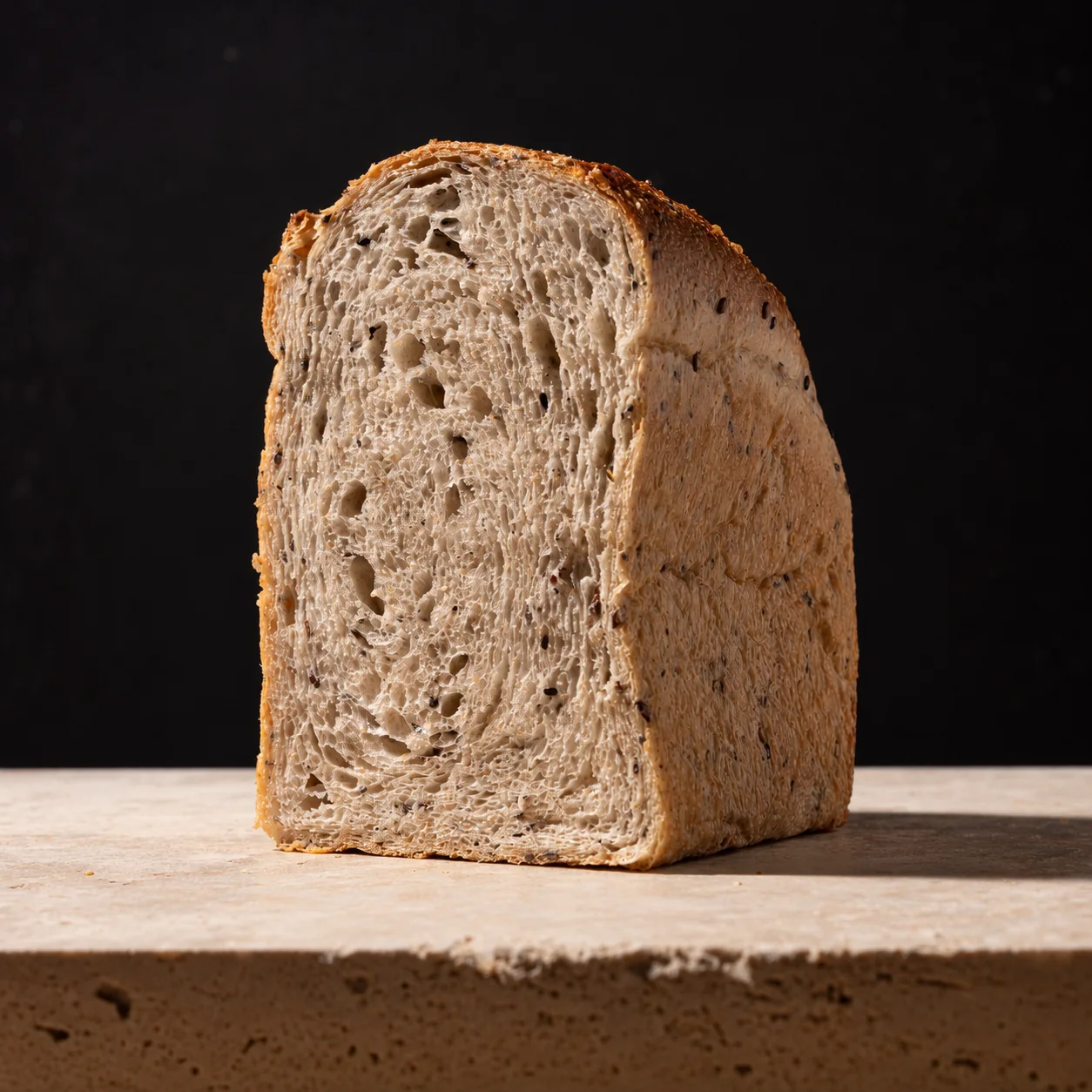
- Crumb. A tight, even crumb holds cheese in place. Big open holes look beautiful, but melted cheese runs straight through them and fries on the pan.
- Crust. A thin to medium crust gives you crunch at the edges. A very thick, hard crust can feel like work to bite through once it’s griddled.
- Sugar and fat in the dough. Breads made with milk, butter, honey or sugar brown faster. That’s great for color, but it means turning the heat down so the outside doesn’t scorch before the cheese melts.
How do sourdough, white, milk bread, rye and other breads compare for grilled cheese?
Any of these can make a good sandwich. They just behave differently in the pan. “Melt hold” is how well the slice keeps melted cheese inside rather than letting it leak through holes or squeeze out the sides.
| Bread | Crunch | Melt hold | Browning speed | Best cheese pairing |
|---|---|---|---|---|
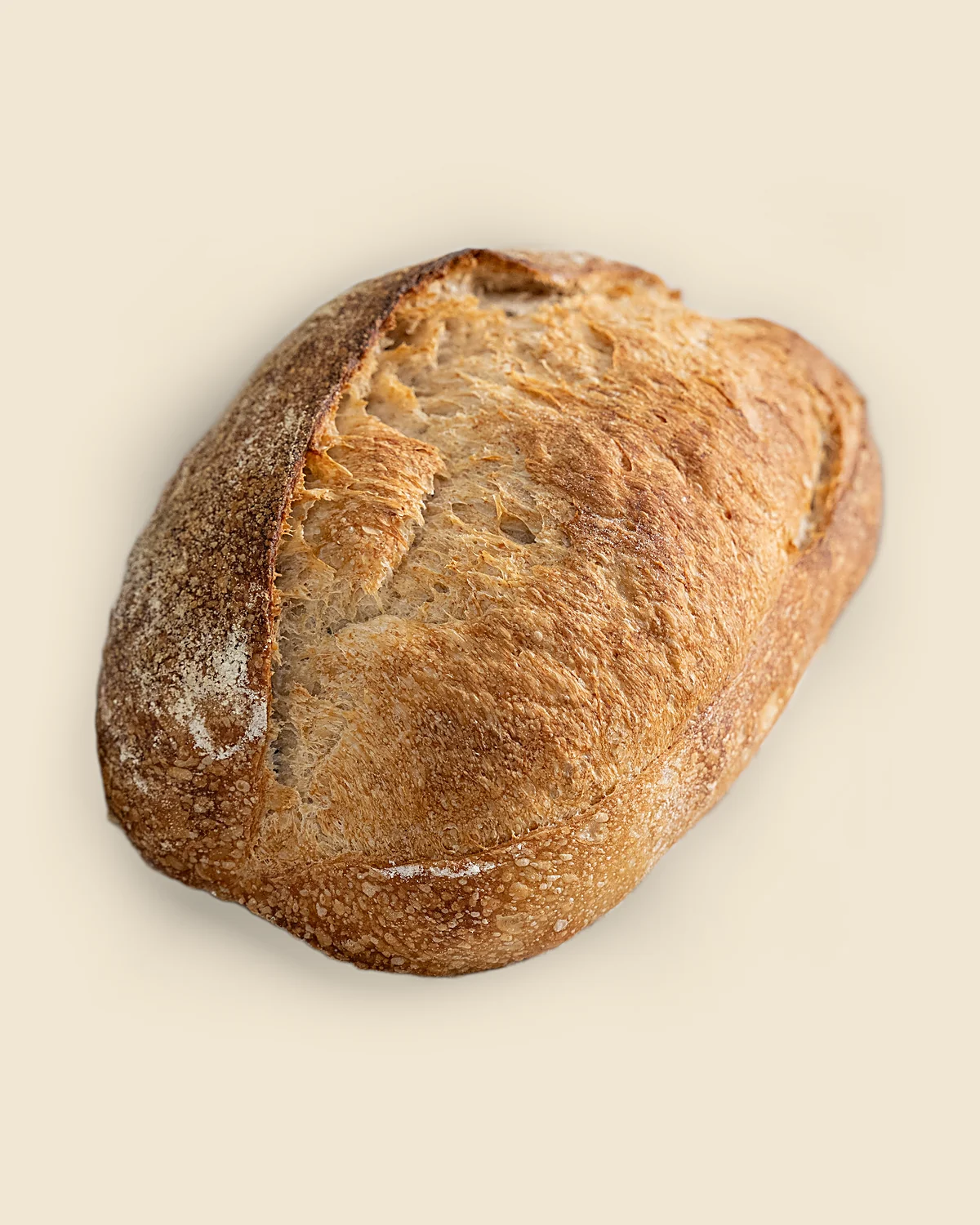
| Sourdough country loaf | High, chewy | Good from the middle of the loaf; open holes can leak | Medium | Sharp cheddar, Gruyère, fontina |
| Sourdough sandwich loaf | Medium to high | Very good; tighter crumb | Medium | Cheddar, Havarti, a little blue |
| Sandwich white | Medium, delicate | Good, but compresses thin | Medium | American, mild cheddar |
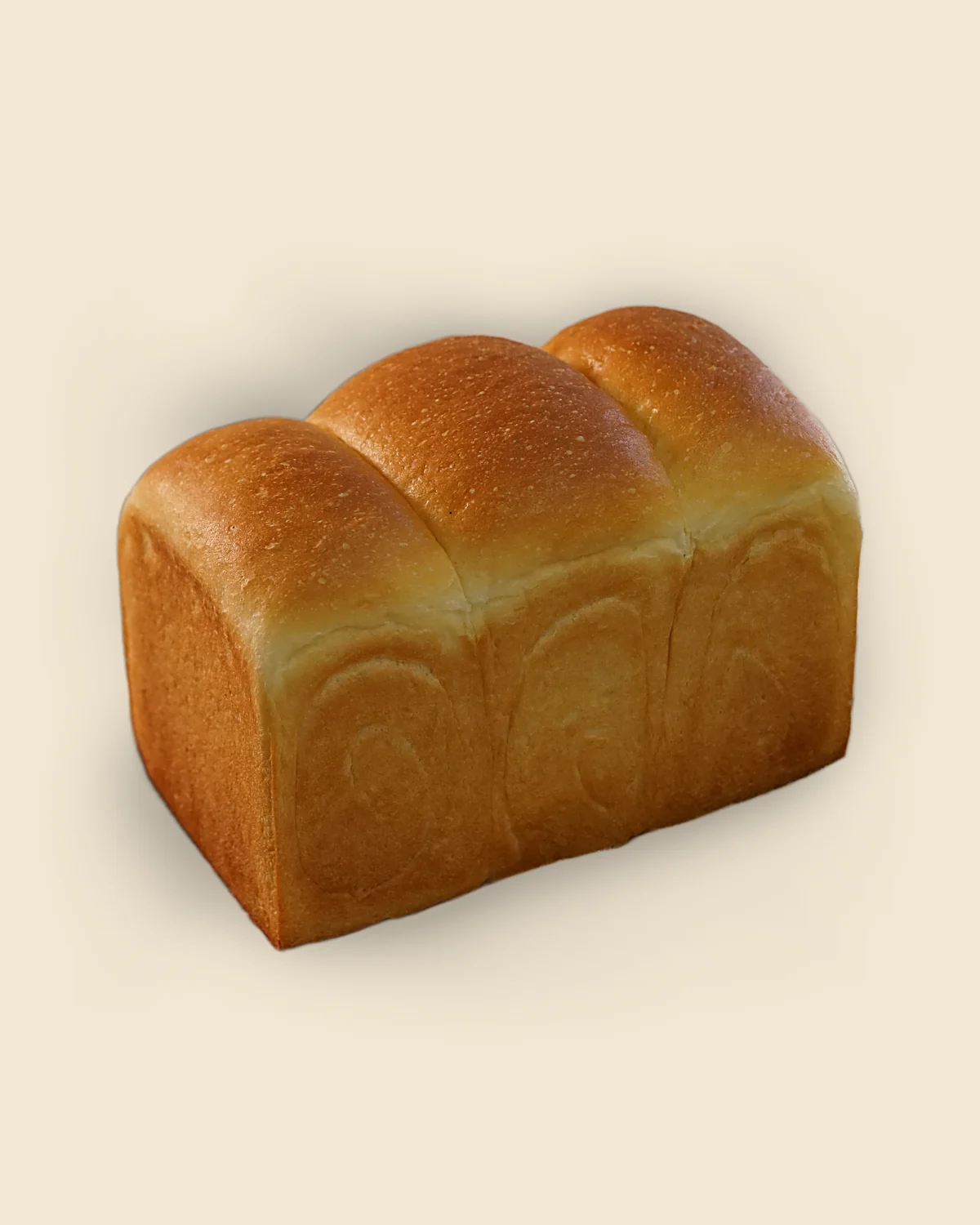
| Japanese milk bread | Light, crisp-tender | Good | Fast | Mild cheddar, mozzarella, Swiss |
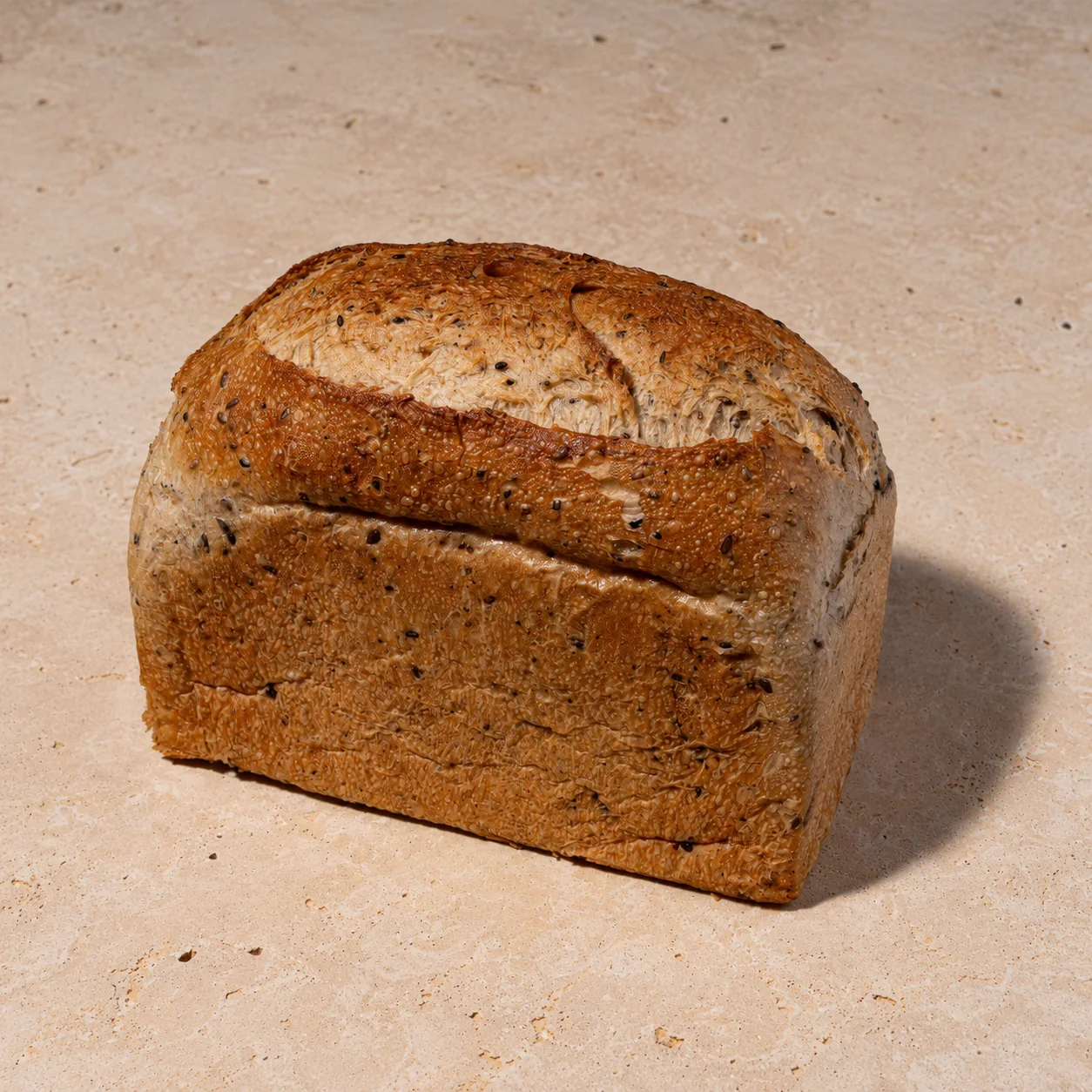
| Seeded or multigrain | High, nutty | Good | Medium | Sharp cheddar, Gouda, Swiss |
| Rye | Medium, dense | Very good | Medium | Swiss, Gruyère (think patty melt) |
| Brioche | Light, rich | Good | Fast | Brie, mozzarella, sweet-savory fillings |
| Ciabatta | High, crusty | Fair; very open crumb | Medium | Mozzarella, fontina, provolone |
| Whole wheat | Medium | Good | Medium | Aged-style cheddar, Gouda |
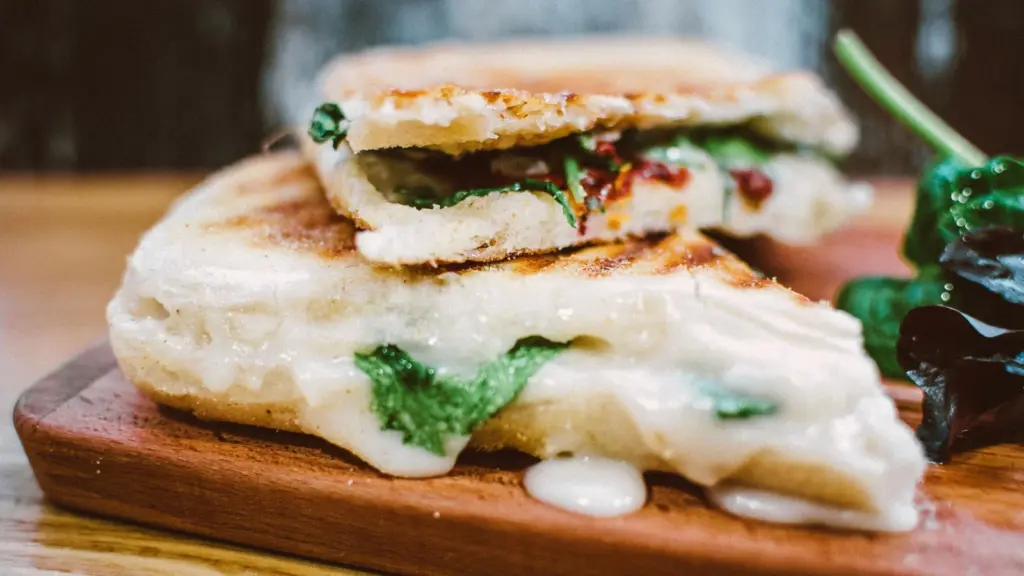
If you want a classic, crunchy grilled cheese, pick sourdough. If you want the soft, nostalgic diner version, pick sandwich white or milk bread. If you want something heartier, pick seeded bread or rye. Ciabatta works best pressed, panini-style, so the open crumb seals around the cheese.
Is sourdough good for grilled cheese?
Yes. Sourdough is one of the best breads for grilled cheese. A naturally leavened loaf has a chewy, springy crumb that crisps into a crunchy shell, and its gentle sourness balances rich, salty cheese the way a pickle does on the side.
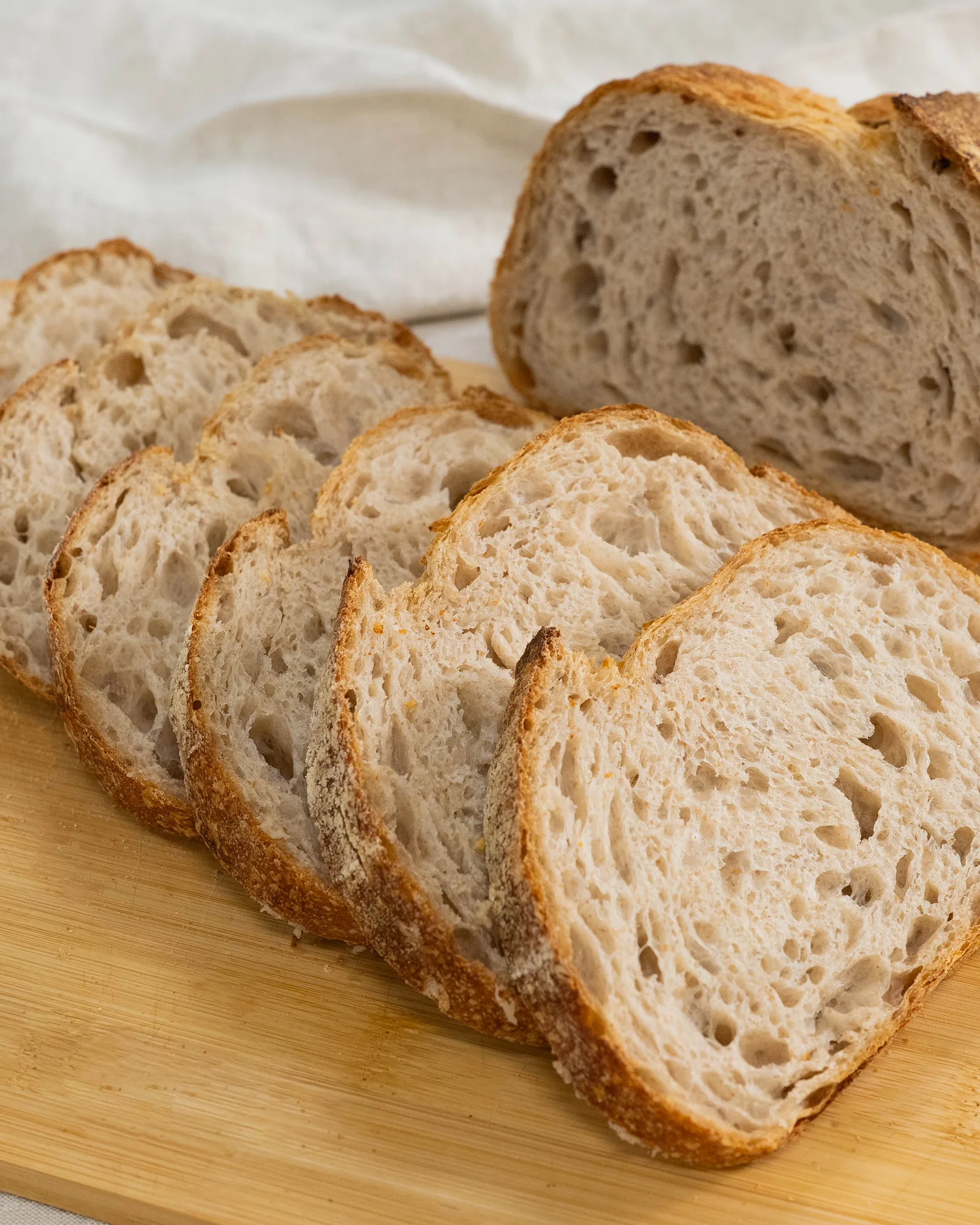
The one thing to watch is the crumb. A rustic country loaf often has big, irregular holes, especially near the top. Cut your sandwich slices from the middle of the loaf, where the crumb is usually tighter, and layer the cheese so it covers the whole slice. Any leftover ends make excellent bread cubes; our guide to the best bread for stuffing shows how to use them.
How thick should you slice bread for grilled cheese?
About ½ inch is the sweet spot for most loaves. Thinner slices (like many packaged sandwich breads) brown fast and are easy to burn before the cheese melts. Much thicker slices, around ¾ inch or more, insulate the cheese, so the outside is done while the middle is still firm.
- Sourdough and rye: ½ inch. Thick enough to crunch, thin enough for heat to reach the cheese.
- Milk bread and brioche: ½ to ¾ inch. These breads are soft and compress in the pan, so a slightly thicker slice ends up about right.
- Ciabatta: split horizontally and press it, rather than slicing it thick.
If you keep sliced bread in the freezer, let slices thaw for a few minutes before you build the sandwich. A slice that’s still frozen in the center slows down the melt.
Should you use butter or mayo on grilled cheese?
Both work, and the choice comes down to flavor and convenience. America’s Test Kitchen made grilled cheese with butter, mayonnaise and olive oil on the outside, and all three gave nicely browned, crispy sandwiches. The butter versions tasted buttery, the mayonnaise version tasted a little tangy, and the olive oil version tasted too strongly of the oil (America’s Test Kitchen).
The practical difference is spreading. Mayonnaise spreads easily straight from the fridge, while cold butter tears soft bread, so soften butter first. If you use mayo, use the full-fat kind: ATK notes that light mayonnaise’s lower fat content gives spotty browning (America’s Test Kitchen). Plenty of cooks split the difference and use a thin layer of each.
Whichever you choose, spread it on the outside of the bread, edge to edge, in a thin, even layer. Bare corners stay pale, and too much fat makes the sandwich greasy rather than crisp.
What heat should you cook grilled cheese on?
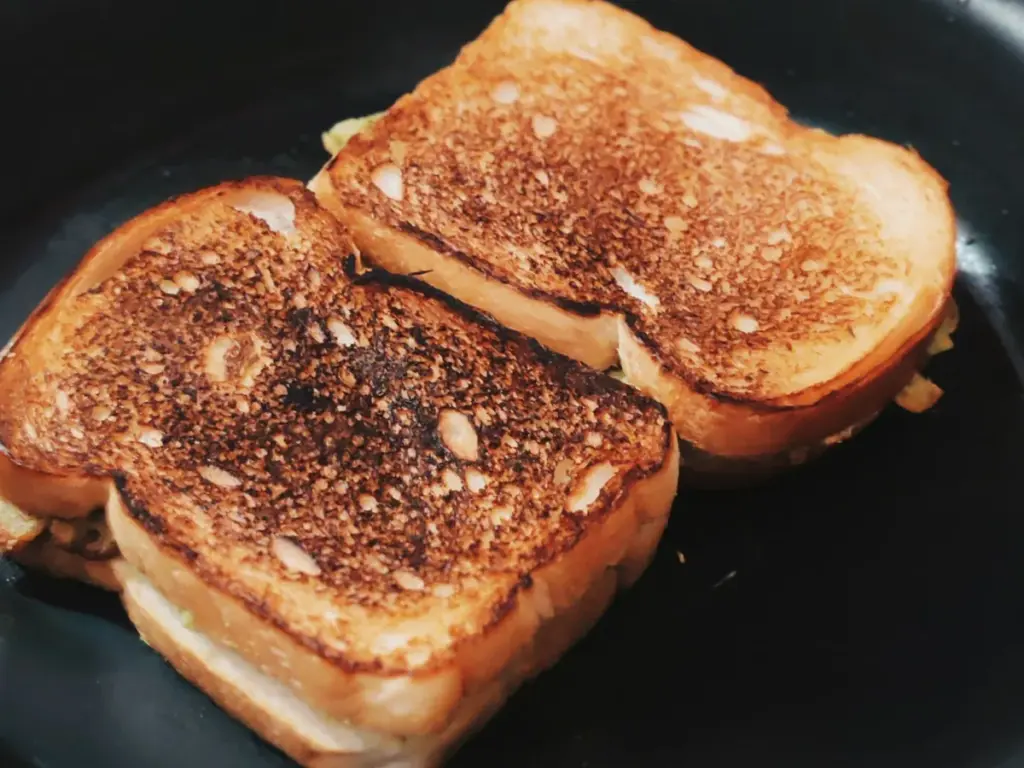
Medium-low. Grilled cheese is a race between the bread browning and the cheese melting, and lower heat gives the cheese time to catch up. High heat gets you a dark outside and a cold, firm middle. Expect roughly 3 to 5 minutes per side in a skillet, longer for thick slices, and turn the heat down if the bread colors faster than that.
Two tricks help:
- Use a lid. Covering the pan for the first side traps heat and melts the cheese faster. Take the lid off for the second side so the steam doesn’t soften the crust.
- Press gently. A light press with a spatula helps the bread make even contact with the pan, which is especially useful with rustic, uneven slices.
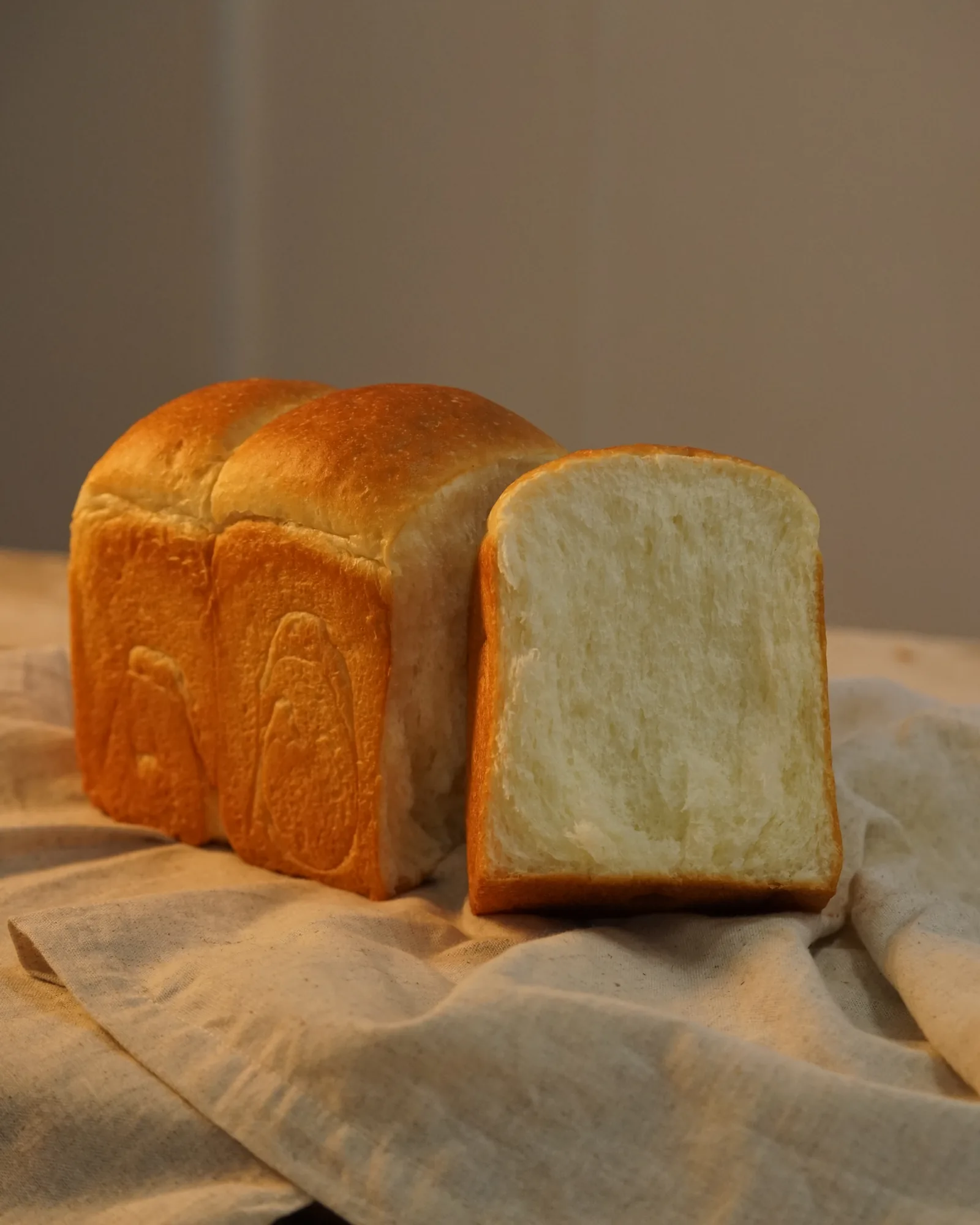
Breads with milk, butter or sugar in the dough need extra care. Our own care guide for Hokkaido Milk Bread says to toast slices lightly and watch closely, because the milk and sugar brown fast. The same applies in a skillet.
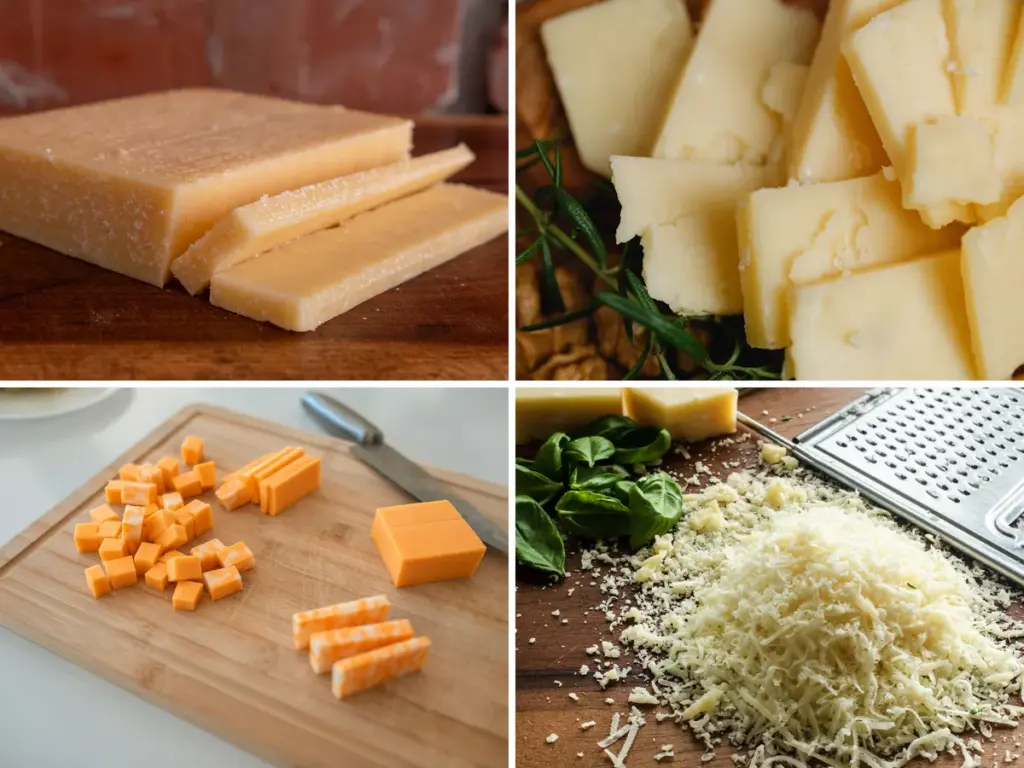
What are the best cheeses for grilled cheese?
Young, moist cheeses melt best. When America’s Test Kitchen melted cheddars aged three, 16 and 24 months, the youngest flowed smoothly, the 16-month cheese clumped, and the 24-month cheese broke apart and never really melted (America’s Test Kitchen). Moisture plays a part, but the main reason is the cheese’s casein protein network, which changes as cheese ages.
Some cheeses barely melt at all. Ricotta is built mostly from whey proteins with permanent bonds, so it softens rather than melts; high-acid feta stays crumbly; and dry, low-moisture Parmesan doesn’t melt smoothly (Scientific American). That gives you a simple rule:
- Great melters: American, young cheddar, Monterey Jack, fontina, Gruyère, Havarti, Gouda, mozzarella, Swiss.
- Flavor boosters, used in small amounts: aged cheddar, Parmesan, blue cheese, goat cheese. Mix them with a good melter.
- Shred or slice thin. Thin, even pieces melt faster and more evenly than thick slabs.
Easy add-ins: caramelized onions, a few slices of tomato, pickled jalapeños, ham, apple or pear with cheddar, or a smear of mustard or jam. Keep wet add-ins thin, and pat tomatoes dry, so the bread stays crisp.
Which of our loaves do we use for grilled cheese?
If you’re cooking with our bread, these are the ones we reach for:
- Classic Country Sourdough: our signature loaf, with an open, airy crumb and a deep amber crust from a 20-hour ferment. Slice from the middle for the tightest crumb and pair it with a sharp cheddar or Gruyère. Contains wheat.
- Seeded Sourdough Sandwich Loaf: a sandwich loaf built on sourdough, with black sesame, flaxseed and chia through the crumb. Its tender, even slices are made for toast and sandwiches. There’s a little honey and cultured butter in the dough, so keep the heat moderate. Contains wheat, milk and sesame.
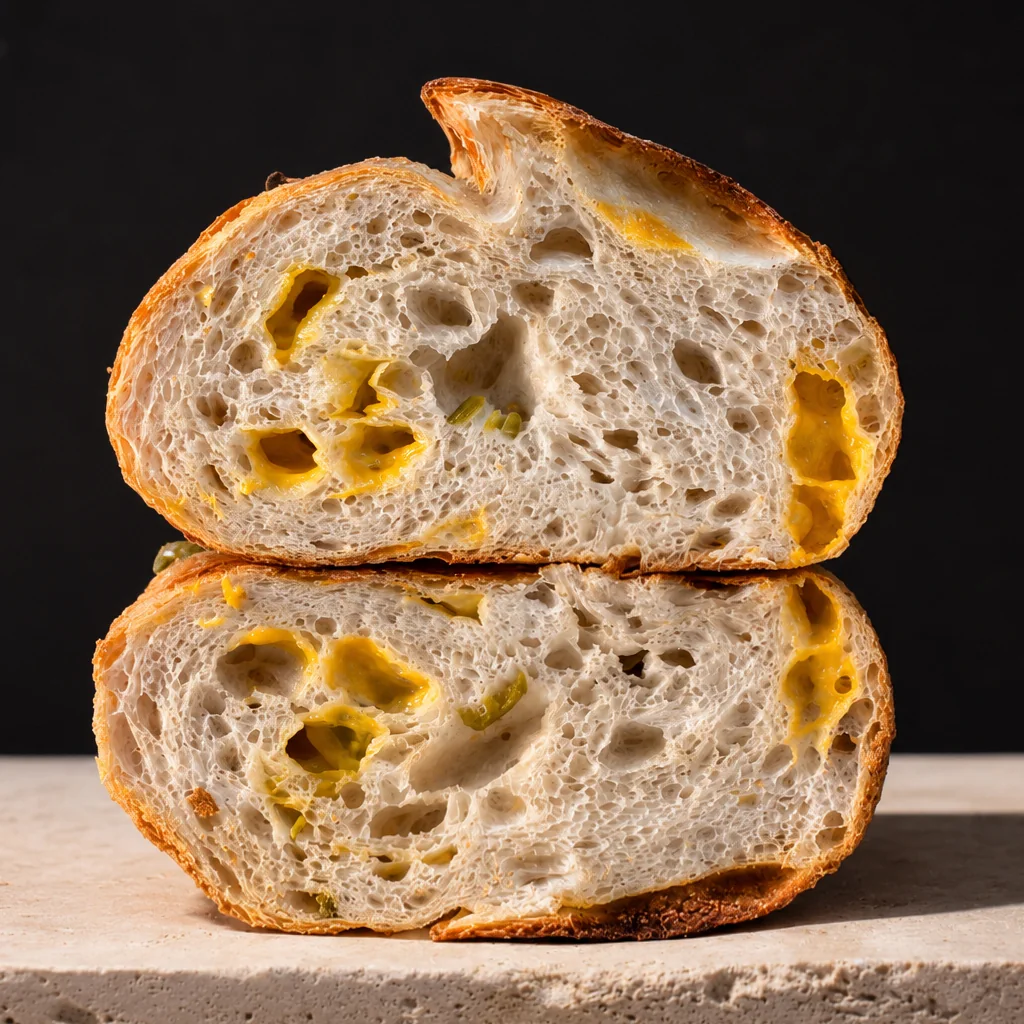
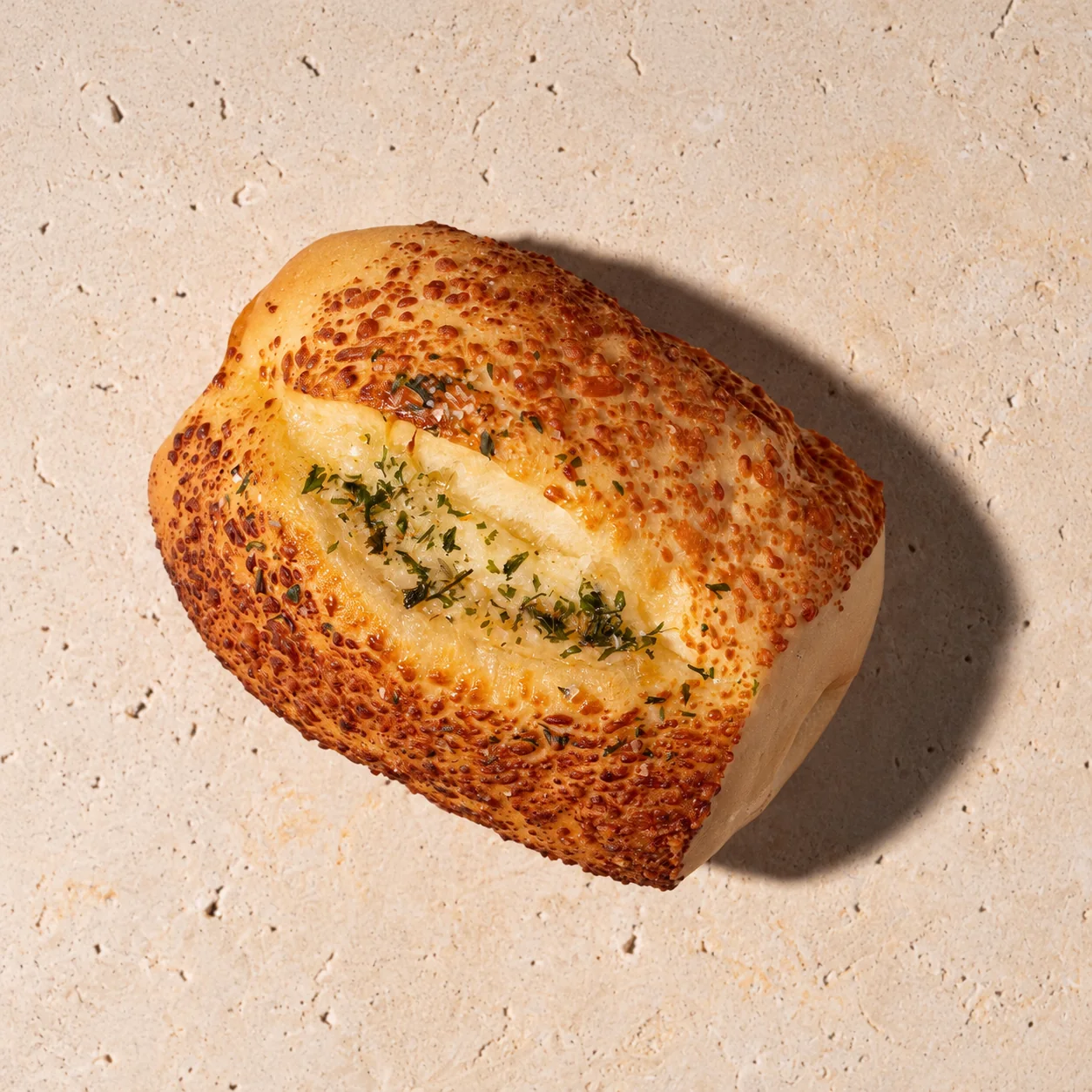
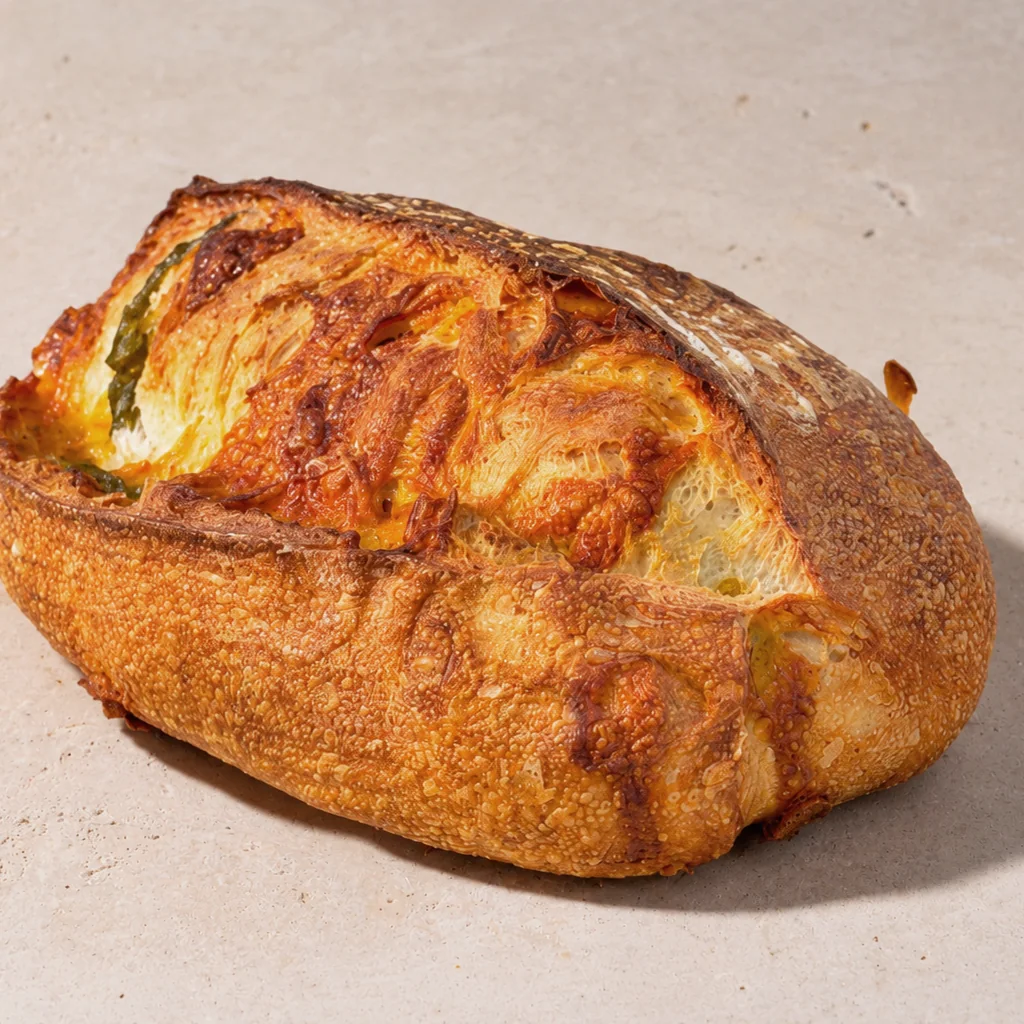
- Jalapeño Cheddar Sourdough: sharp cheddar and pickled jalapeño are already folded into the dough, and the cheese bakes into crisp, golden patches on the crust. Add Monterey Jack or a young cheddar inside for a spicy, extra-cheesy sandwich. Contains wheat and milk.
- Hokkaido Milk Bread: a soft, yeasted milk bread (not a sourdough) for a tender, nostalgic grilled cheese. Cook it low and slow. Contains wheat, milk and eggs.
Our sourdough is baked, flash-frozen and delivered frozen, and you can cook slices from the freezer once they’ve thawed for a few minutes. If you have bread left over, try it in French toast the next morning.
Questions
Is thick-cut Texas toast good for grilled cheese?
It can be, but thick slices take longer for heat to reach the cheese. Cook it over lower heat, cover the pan for the first side, and use thinly sliced or shredded cheese.
Can you make grilled cheese with gluten-free bread?
Yes. Gluten-free breads vary a lot and some are more fragile, so use medium-low heat, flip gently and check the color early.
Why is my grilled cheese burnt outside but not melted inside?
The heat was too high, the slices were too thick, or the cheese went in cold and thick. Lower the heat, shred or thinly slice the cheese, and cover the pan for the first side.
Can you make grilled cheese in an air fryer or oven?
Yes. Both work, especially for a few sandwiches at once. Brush the outside with fat, and flip halfway so both sides brown evenly.
Is fresh or day-old bread better for grilled cheese?
Either works. Day-old bread is a little drier, so it crisps easily, while very fresh, soft bread can compress more in the pan.
What’s the best cheese combination for grilled cheese?
Pair a smooth melter with a flavorful cheese, such as young cheddar with Gruyère, or Monterey Jack with a little aged cheddar.
Sources
Bake it home
Classic Country Sourdough
Seeded Sourdough Sandwich Loaf
Jalapeño Cheddar Sourdough