Sourdough Dinner Rolls: How to Warm, Freeze and Serve Them for Thanksgiving
In short
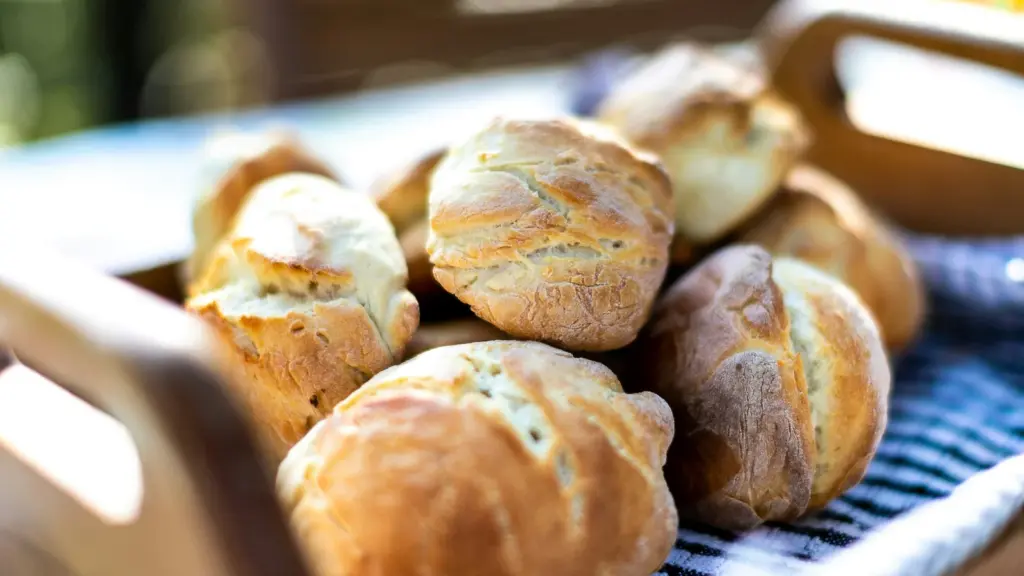
Sourdough dinner rolls are tangier, crustier and slower to mold than soft yeast rolls. For Thanksgiving, freeze baked rolls ahead, thaw them in the bag, warm at 350°F with a little water, and serve in a cloth-lined basket over a warm rice pack.
Sourdough dinner rolls bring something soft yeast rolls don’t: a gentle tang, a crust with some chew, and a crumb that holds up to gravy. With Thanksgiving on Thursday, November 26, here’s how they differ from classic soft rolls, how to get them ready ahead, warm them, keep them warm and how many to plan for.
What makes sourdough dinner rolls different from regular dinner rolls?
Most American dinner rolls are made with commercial yeast and an enriched dough: milk, butter, sugar and often eggs. Sourdough rolls rise on a natural starter, and the dough is usually leaner. That changes three things you’ll notice on the table.
- Flavor. King Arthur Baking’s sourdough guide explains that sourdough’s signature taste comes from friendly bacteria and yeast that produce lactic and acetic acids as the dough rises. In a roll, that reads as a mild tang and a deeper, wheatier flavor, which is nice next to rich, salty food like turkey, gravy and stuffing.
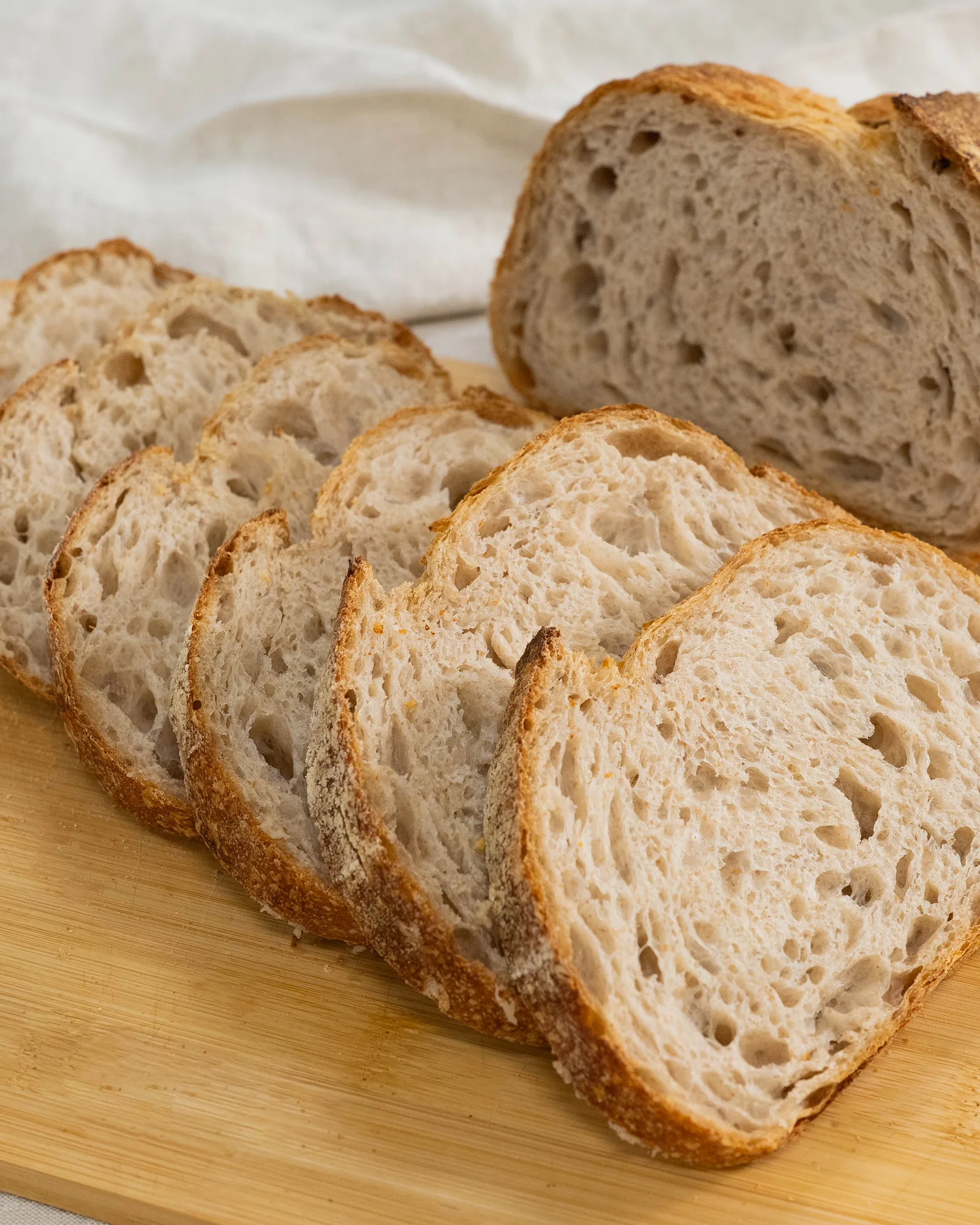
- Crust and crumb. Enriched doughs are built for softness. Modernist Cuisine describes lean breads as having crackly crusts and an open crumb, and enriched breads as soft, tender and often slightly sweet, because fat tenderizes the crumb. Sourdough rolls usually land on the lean side: a thin, crisp crust and a chewier inside.
- Keeping quality. King Arthur Baking notes that sourdough’s pH helps keep it mold-free days longer than non-sourdough bread. Soft enriched rolls have their own advantage: the fat helps them stay soft longer. So sourdough rolls hold up well, but their crust softens and their crumb firms as they sit, which is why a quick warm-up before serving makes such a difference.
Should you make, buy or freeze dinner rolls ahead for Thanksgiving?
Ahead, almost always. Oven space is the bottleneck on Thanksgiving, and rolls are the easiest thing to take off the day-of list. You have three good routes:
- Buy or bake fully baked rolls and freeze them. Cool them completely, bag them airtight, and freeze. Thaw on the counter in the bag on Thursday morning, then warm them just before dinner.
- Par-bake and freeze. If you bake your own, King Arthur Baking’s make-ahead dinner rolls are par-baked, frozen on the sheet until solid (about an hour), then moved to an airtight bag to avoid freezer burn and odors. They can be prepped up to six weeks ahead and need only 8 to 15 minutes in the oven to finish and brown.
- Buy fresh on Wednesday. Keep the rolls in a sealed bag at room temperature overnight, and refresh them in the oven before serving. Skip the refrigerator: King Arthur Baking points out that refrigeration dries bread out very quickly, while freezing is a great storage option.
For more on wrapping and how long bread holds its quality frozen, see our guide to how long bread lasts in the freezer.
How do you reheat dinner rolls in the oven?
The oven gives you warm, fragrant rolls with a re-crisped crust. King Arthur Baking’s method for refreshing a sourdough loaf is to sprinkle or spray it with water and warm it, uncovered, in a 350°F oven for about 15 minutes. Rolls are much smaller, so use the same idea with less time:
- Heat the oven to 350°F.
- Mist or flick a little water over the rolls. It turns to steam and softens the crust before it crisps again.
- Set them on a sheet pan, uncovered for a crisp crust, or loosely tented with foil if you want them softer. Soft milk-style rolls do better covered.
- Start checking after about 5 minutes. They’re ready when the outside is dry and crisp and the middle feels warm when you squeeze one gently.
- Day-old rolls that have turned firm benefit most from the water step; it’s the same trick we use to revive stale bread.
How do you reheat frozen dinner rolls?
It depends on what you froze. Fully baked rolls are easiest to thaw first: leave them in their bag on the counter so the moisture that condenses goes back into the bread, then warm them at 350°F as above. If you’re in a hurry, you can warm them straight from frozen; give them extra time and check the center.
Par-baked rolls go straight from the freezer to a hot oven. In America’s Test Kitchen’s brown-and-serve rolls, frozen par-baked rolls bake 8 to 10 minutes at 425°F, during which they thaw, brown and expand slightly, followed by a 5-minute rest so the inside and outside even out. Space frozen rolls apart on the sheet so the middle ones heat through.
How do you keep dinner rolls warm on the table?
Rolls cool fast once they’re out of the oven, and the gap between “rolls are ready” and “everyone is seated” is often longer than planned. A few things help:
- Warm them last. Put the rolls in while the turkey rests, so they come out just as you’re carving.
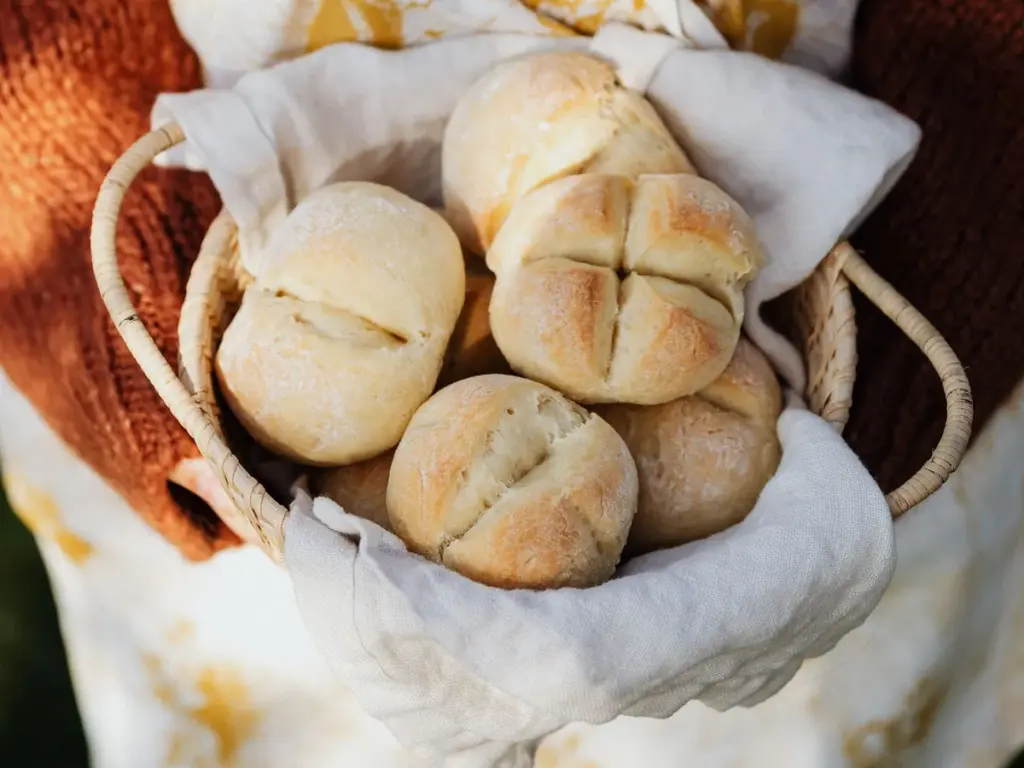
- Use a cloth-lined basket. Wrap the rolls in a cloth napkin or tea towel and fold the corners over the top. Cloth holds heat without trapping so much steam that the crust turns soggy.
- Add a heat source underneath. America’s Test Kitchen suggests a simple bread-basket warmer: microwave 2 cups of rice in a small, folded paper bag for about 2 minutes, or wrap pie weights in foil and heat them in the still-warm oven for 10 to 15 minutes. Lay it flat in the bottom of the basket, cover with the cloth, add the rolls and fold the cloth over.
- Refill in small batches. Keep a second sheet of rolls in the turned-off oven and swap them in when the basket empties.
How many dinner rolls do you need per person?
A good rule of thumb is about two rolls per guest. Go up to two and a half or three if you have big bread eaters, kids who live on rolls, or plans for leftover-turkey sliders on Friday. Go down to one and a half if the table is already heavy with stuffing and potatoes. Extras freeze well, so err on the side of too many.
Which kind of dinner roll should you serve?
Here’s how the common choices compare. None is “best”; it depends on whether your table wants soft and buttery or crusty and tangy.
| Roll type | Texture | Flavor | Best with | Warming tip |
|---|---|---|---|---|
| Sourdough rolls | Thin crisp crust, chewy crumb | Mild tang, wheaty | Gravy, butter, savory sides | 350°F with a little water, uncovered |
| Soft milk / Parker House-style rolls | Very soft, pull-apart, tender crust | Buttery, slightly sweet | Butter and jam, sliders | Warm covered in foil so they stay soft |
| Brioche rolls | Rich, tender, golden | Eggy, buttery, sweet | Leftover sandwiches, ham | Short warm-up; they brown fast |
| Pretzel rolls | Dense, chewy, glossy dark crust | Malty, salty | Mustard, ham, roast meats | Brief warm-up; don’t dry them out |
| Sliced or torn sourdough loaf | Crackly crust, open crumb | Tangy, deeper | Soaking up gravy, a crowd | Warm the whole loaf, then slice or tear |
Pretzel rolls get their color and snap from a dip in an alkaline bath before baking; our guide to pretzel buns covers what makes them different and how to serve them.
Can a sourdough loaf stand in for dinner rolls?
Yes, and for a big table it’s often easier. One loaf warms evenly in the oven, takes up less space than several sheets of rolls, and you can slice it thick or tear it into rough chunks at the table. Torn pieces have more crust, which is the best part for mopping up gravy.
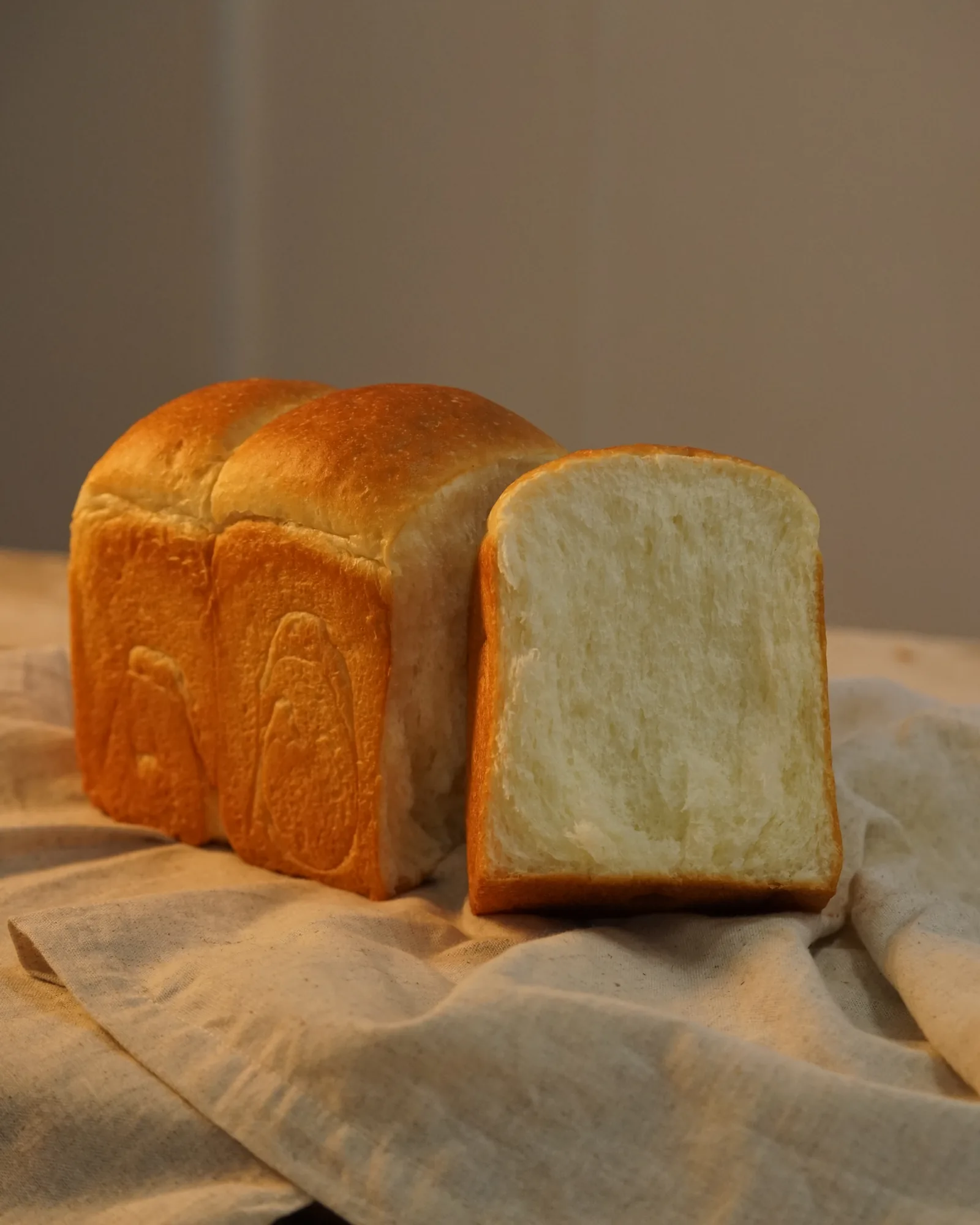
Hour 20 doesn’t make sourdough dinner rolls, but two of our loaves work well this way. Our Classic Country Sourdough has an open, airy crumb and a deep amber crust from a 20-hour ferment, and it’s made with just flour, sourdough starter, water and sea salt, so it tastes like a classic sourdough roll in loaf form. If your family prefers soft rolls, our Hokkaido Milk Bread pulls apart into soft, cloud-like pieces; it’s a yeasted milk bread made with organic milk, heavy cream and cultured butter rather than a sourdough, so it plays the Parker House role. We don’t recommend refrigerating it, since that dries it out.
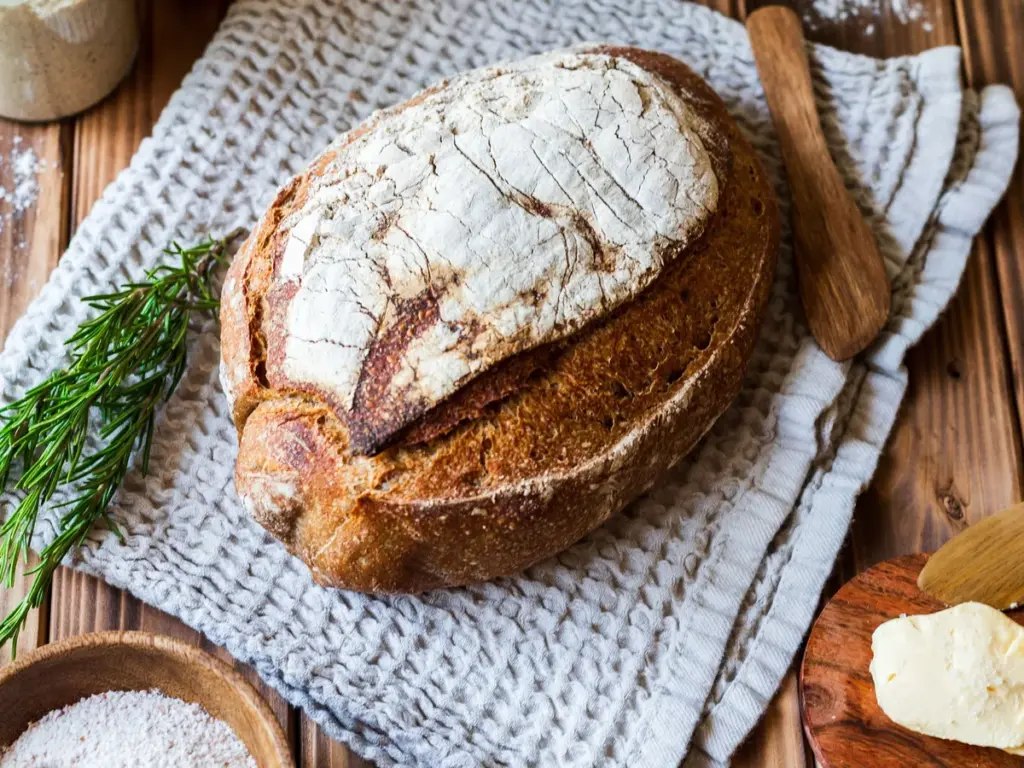
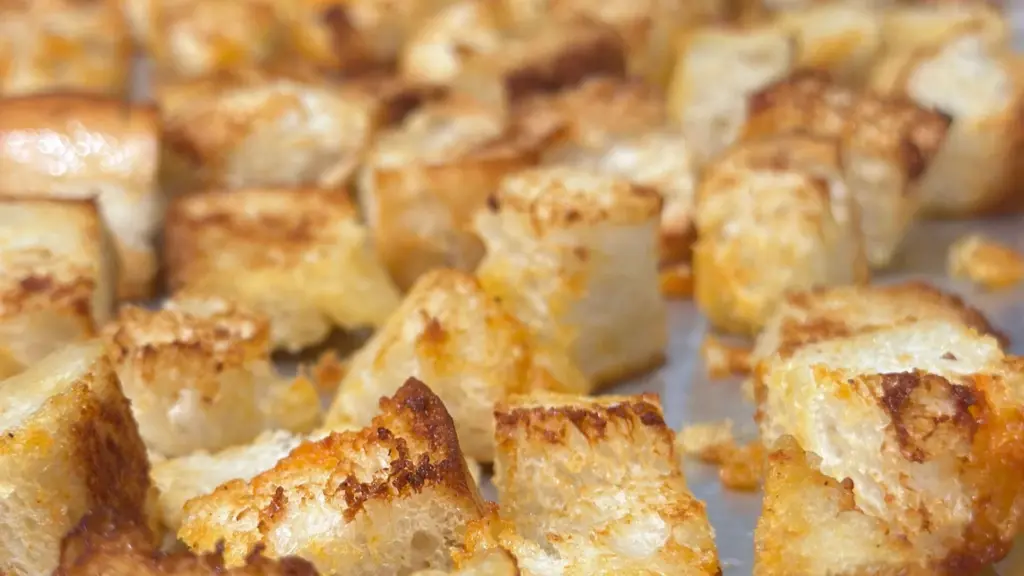
Any bread left over after the meal doesn’t have to go to waste: day-old sourdough is one of the best breads for stuffing, and it’s just as good cubed into next week’s soups.
What do you serve with sourdough dinner rolls?
- Good butter. Salted, cultured or whipped with honey. A little flaky salt on top suits the tang.
- Gravy and pan juices. The chewy crumb holds together instead of dissolving.
- Cranberry sauce. Sweet-tart sauce on a tangy roll is a better match than on a sweet one.
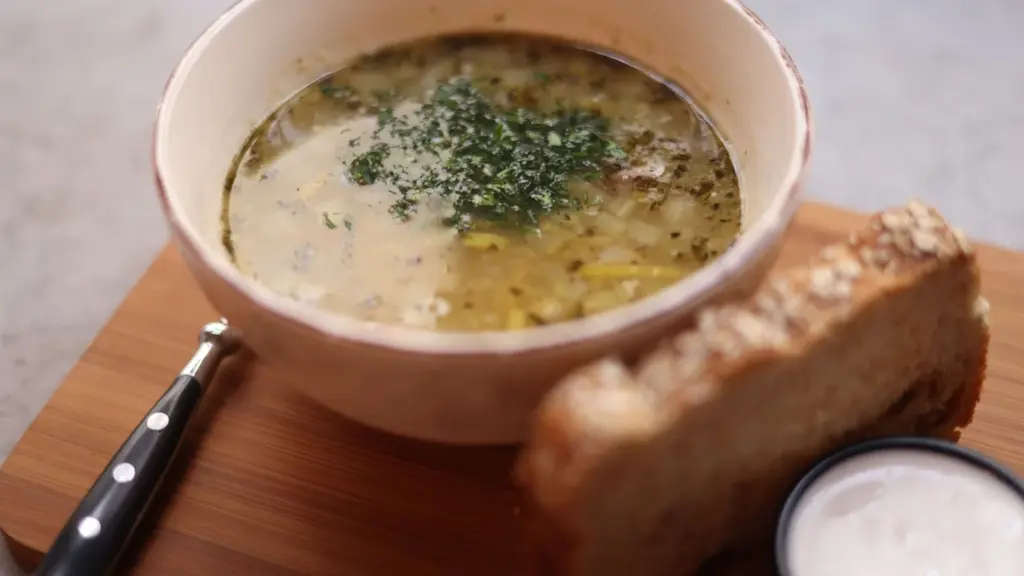
- Soups and stews. A sourdough roll on the side of a squash soup makes a light first course or Friday lunch.
- Leftover sliders. Split a roll, add turkey, stuffing and a smear of cranberry, and warm it through.
Questions
Can you reheat dinner rolls in the microwave?
You can, wrapped in a barely damp paper towel and heated in short bursts, but eat them right away. Microwaved bread turns chewy and tough as it cools, so the oven is better for a table full of rolls.
Should you refrigerate dinner rolls before Thanksgiving?
No. The refrigerator dries bread out quickly. Keep rolls you’ll serve in a day or so in a sealed bag at room temperature, and freeze anything you’re buying further ahead.
Can you reheat dinner rolls more than once?
You can, but each round dries them out a little more. Warm only as many as you’ll serve and keep the rest in the bag for later.
Are sourdough rolls very sour?
Usually not. Most have a mild tang rather than a sharp sourness, and how sour they taste depends on the starter, the flour and how long the dough ferments.
Can you warm rolls in an air fryer?
Yes, for a few at a time. Use a moderate setting, check after a couple of minutes, and keep the rolls in a single layer so they warm evenly.
Do you need to thaw frozen rolls before warming them?
Not necessarily. Fully baked rolls warm more evenly if you thaw them in their bag first, but they can go straight into the oven with a few extra minutes. Par-baked rolls are designed to bake from frozen.
Sources
- King Arthur Baking: Sourdough baking guide
- King Arthur Baking: How to store sourdough bread
- King Arthur Baking: Make-ahead dinner rolls
- America’s Test Kitchen (Cook’s Illustrated): Piping-Hot Dinner Rolls on Demand
- America’s Test Kitchen (Cook’s Illustrated): Give Your Dinner Rolls a Heating Pad
- Modernist Cuisine: All About Enriched Breads