How to Store Sourdough Bread (and How Long It Lasts)
In short
Store sourdough cut-side down in a paper bag on the counter. It lasts 3–4 days there. Never refrigerate it, because bread stales fastest at fridge temperatures. For anything longer, wrap it well and freeze it.
A good sourdough loaf doesn’t fall apart after one day. It changes. The crust softens a little, the crumb firms up, and the flavor keeps deepening. Knowing how to store sourdough bread is mostly about slowing that change down and never speeding it up by accident. Here’s how we keep our own loaves, and how long each method really buys you.
How long does sourdough bread last on the counter?
A whole or cut sourdough loaf keeps well on the counter for 3–4 days. That’s the window we give for our sourdough. Store it cut-side down in a paper bag on the counter, and never in the fridge.
Cut-side down matters more than people think. The exposed crumb is where moisture escapes fastest. Resting the loaf on its cut face lets the board cover it, so the crust can stay crisp while the inside stays tender.
Sourdough often holds up better than a typical yeasted loaf. A long fermentation makes the dough more acidic, and the American Society of Baking notes that this drop in pH extends shelf life. That’s how a naturally leavened loaf can keep without added preservatives. It’s also why we say day-three toast is where a 20-hour loaf shows off.
Should you store sourdough in paper or plastic?
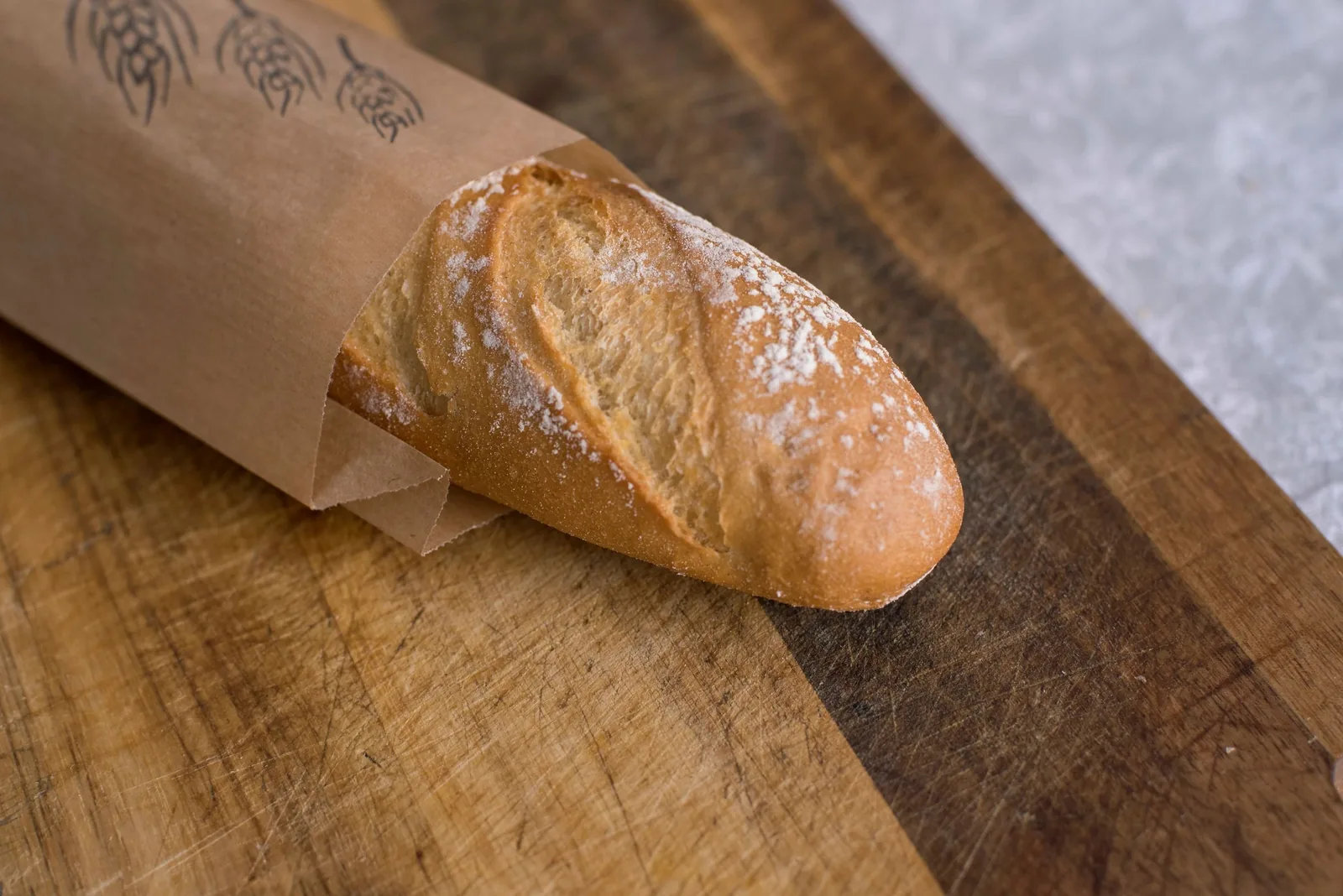
Each one gives you a different loaf, so it helps to know what you’re trading.
- Paper bag: breathes, so the crust stays crisp. The crumb dries a little faster, so plan to toast slices by day three or four.
- Plastic bag: traps moisture, so the crumb stays soft longer. The crust turns soft and leathery, and in a warm, humid kitchen that trapped moisture can encourage mold.
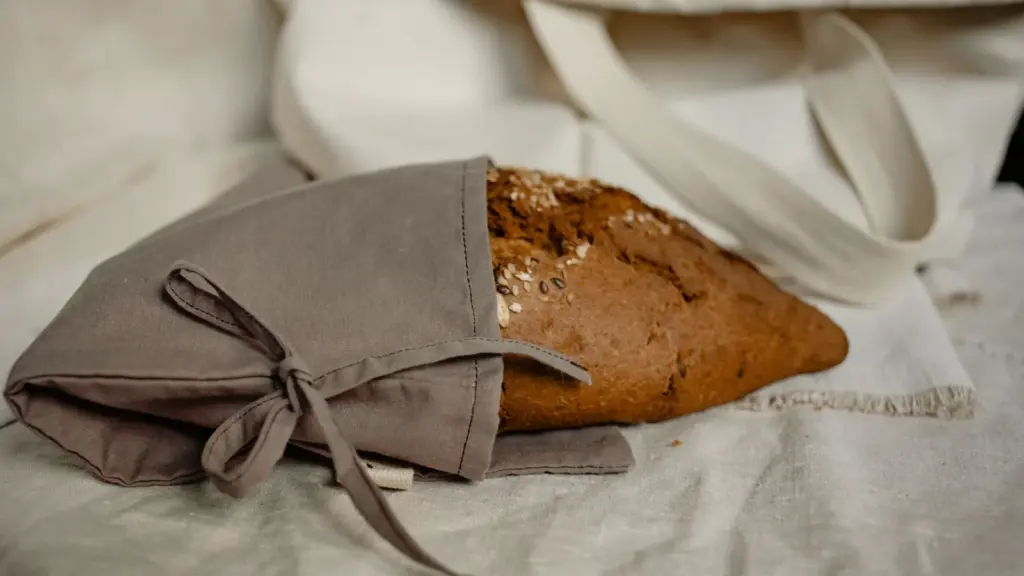
- Cloth bag or kitchen towel: somewhere in between. It’s a good choice if you want a little more protection than paper.
Testing from King Arthur Baking found that paper doesn’t stop the crust from softening and can speed up staling inside, and that a well-sealed bag keeps the crumb fresher. Their article How to store sourdough bread walks through their results. We still recommend paper for our crusty loaves, because the crust is the point, and the later slices toast up beautifully. If you’d rather have a soft crumb on day four, a bread bag is a fair choice. Just keep it somewhere cool and dry.
Is a bread box good for sourdough?
Yes. A bread box gives the loaf a little more humidity than an open counter, without sealing it in the way plastic does. A loaf that’s been cut can sit cut-side down on the bottom of the box. Expect about the same 3–4 days you’d get on the counter, with a crust that’s a bit softer.
Keep the box out of direct sun and away from the stove or dishwasher. Heat and steam are what push a loaf toward mold.
Why shouldn’t you put sourdough in the fridge?
The fridge feels like the safe choice, but it’s the fastest way to make bread stale. Staling isn’t mainly about drying out. It’s starch retrogradation. As bread cools after baking, the starch molecules that swelled and softened in the oven slowly line back up and recrystallize. That’s what makes the crumb firm and crumbly.
That recrystallization happens fastest at fridge temperatures. A study in the journal Starch/Stärke compared bread stored at 77°F (25°C), 39°F (4°C) and 0°F (−18°C). It found the rate of starch retrogradation was highest at 4°C. In other words, a loaf in the fridge goes stale faster than the same loaf on the counter.
The only time the fridge makes sense is for a sandwich with fillings that need to be kept cold. For the bread on its own, use the counter or the freezer.
How long does sourdough last in the freezer?
Freezing is the best way to keep sourdough for longer than a few days. In that same study, bread held at 0°F barely changed in water activity over 23 days, and no new starch crystals formed the way they did at warmer temperatures. Cold enough, and staling nearly stops.
As a general guide, King Arthur Baking says most bread keeps its quality in the freezer for up to three months. For our loaves, we follow the same guideline: about three months for the best flavor. The University of Illinois Extension recommends 2–3 months for baked yeast bread and points out that frozen bread stays safe as long as it stays frozen; it’s the flavor and texture that slowly fade. Wrap the bread well so air can’t reach it. Exposed bread picks up freezer odors and dries at the edges.
This is why we deliver our bread frozen. We bake each loaf to its peak, freeze it, and send it out, so it’s still at its best when you open it. Our instructions are simple: keep it frozen until the day you want it. Then thaw it at room temperature and slice it thick. For slices, go straight from frozen into the toaster.
How long does sourdough bread last? (Quick comparison)
| Where | How long | Texture |
|---|---|---|
| Counter, cut-side down in a paper bag | 3–4 days | Crisp crust; crumb firms slowly. Toast it from day three. |
| Bread box | About 3–4 days | Slightly softer crust; crumb stays moist a bit longer |
| Plastic bread bag | About 3–4 days | Soft crumb, soft crust; watch for mold in warm kitchens |
| Refrigerator | Not recommended | Stales fastest; crumb turns dry and firm |
| Freezer, well wrapped | Up to about 3 months for best quality | Close to fresh once thawed and reheated |
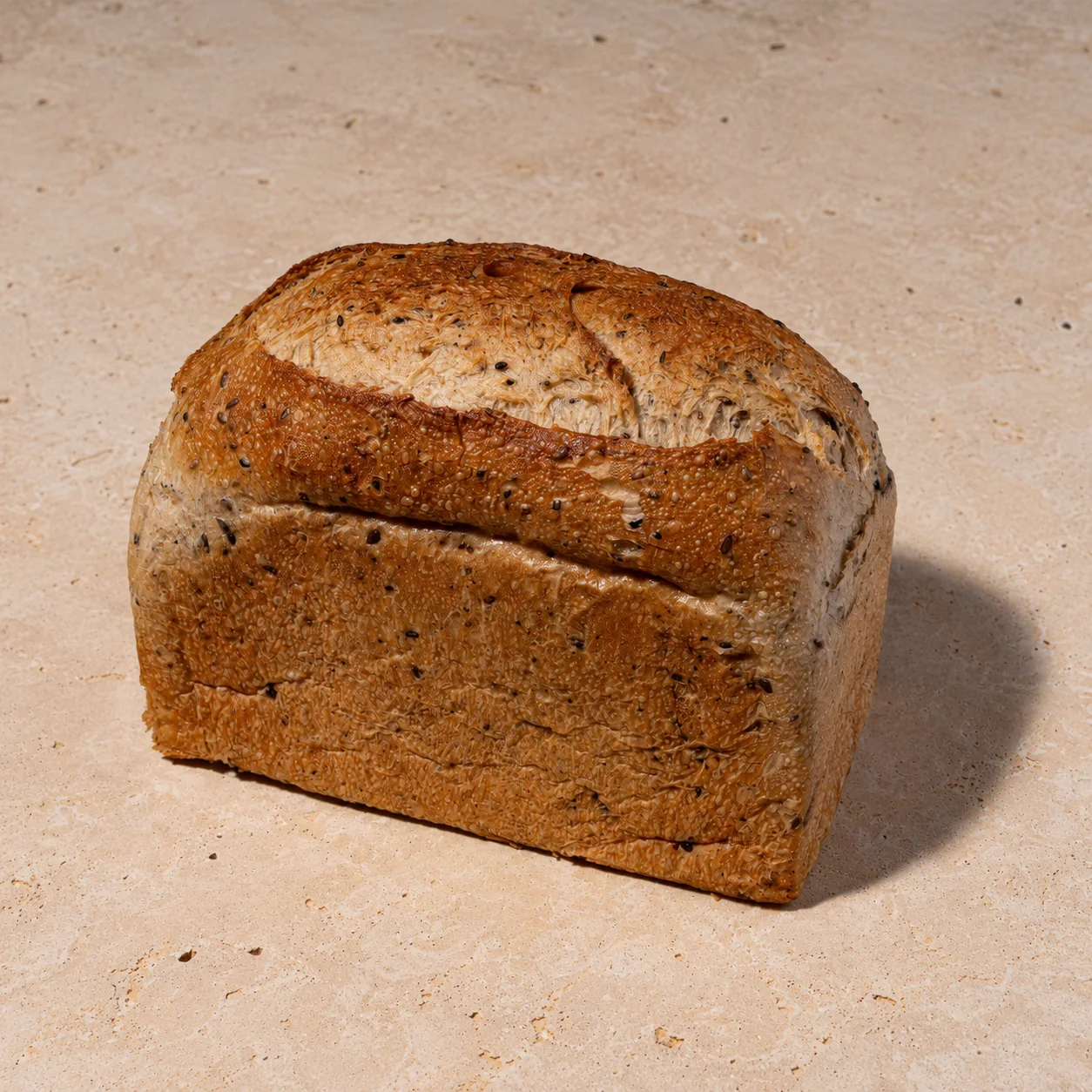
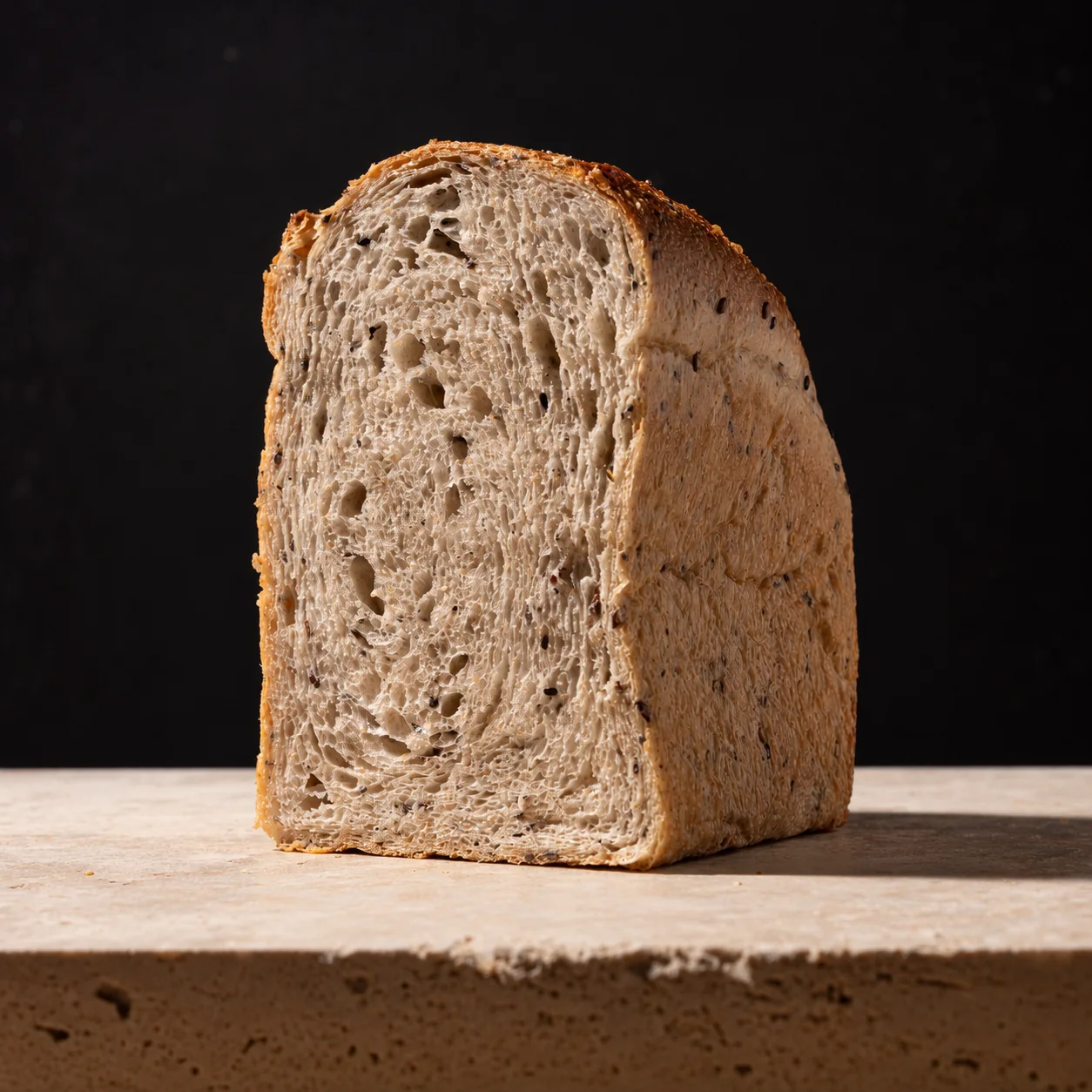
These are guidelines, not hard rules. A warm, humid kitchen shortens counter life, and a dense, seeded loaf like our Harvest Multigrain Sourdough holds moisture differently than an open-crumbed country loaf.
How can you tell if sourdough bread has gone bad?
Stale and spoiled are two different things. A stale loaf is firm, dry or crumbly. It’s still fine to eat, and it’s great toasted, cubed for croutons or blitzed into breadcrumbs. A quick trip through a hot oven often brings it back.
A spoiled loaf has mold. Look for fuzzy spots in white, green, blue or black, usually on the crust or the cut face. Also watch for a musty smell that wasn’t there before.
If you see mold, throw away the whole loaf. Don’t cut around the spot. University of Connecticut Extension advises that you discard bread or baked goods with visible mold and check nearby pieces too. Bread is soft and porous, so mold can grow below the surface where you can’t see it.
The short version
Eat it within 3–4 days from the counter, cut-side down in a paper bag. Freeze anything you won’t finish, and skip the fridge entirely. If you’re new to our loaves, our Classic Country Sourdough is the easiest place to start practicing.
Questions
Should I slice sourdough before storing it?
For the counter, keep it whole and slice as you go, so less crumb is exposed to air. For the freezer, slicing first is handy. You can toast slices straight from frozen.
Is sourdough still good on day three?
Yes. Day-three toast is where a 20-hour loaf shows off. The crumb is a little firmer, which makes it ideal for toasting.
Can I store sourdough in a plastic bag?
You can. The crumb will stay softer, but the crust will lose its crunch, and trapped moisture can encourage mold in a warm kitchen. A few minutes in a hot oven brings the crust back.
Does sourdough last longer than regular bread?
Often, yes. The acidity from long fermentation helps a naturally leavened loaf keep without added preservatives. How long it lasts still depends on your kitchen's warmth and humidity.
Can I cut the mold off and eat the rest?
No. Bread is soft and porous, so mold can spread beyond the spot you see. Discard the whole loaf.
What's the best way to store sourdough for a week or more?
Freeze it. Wrap it well, keep it frozen until the day you want it, then thaw it at room temperature.
Sources
Bake it home
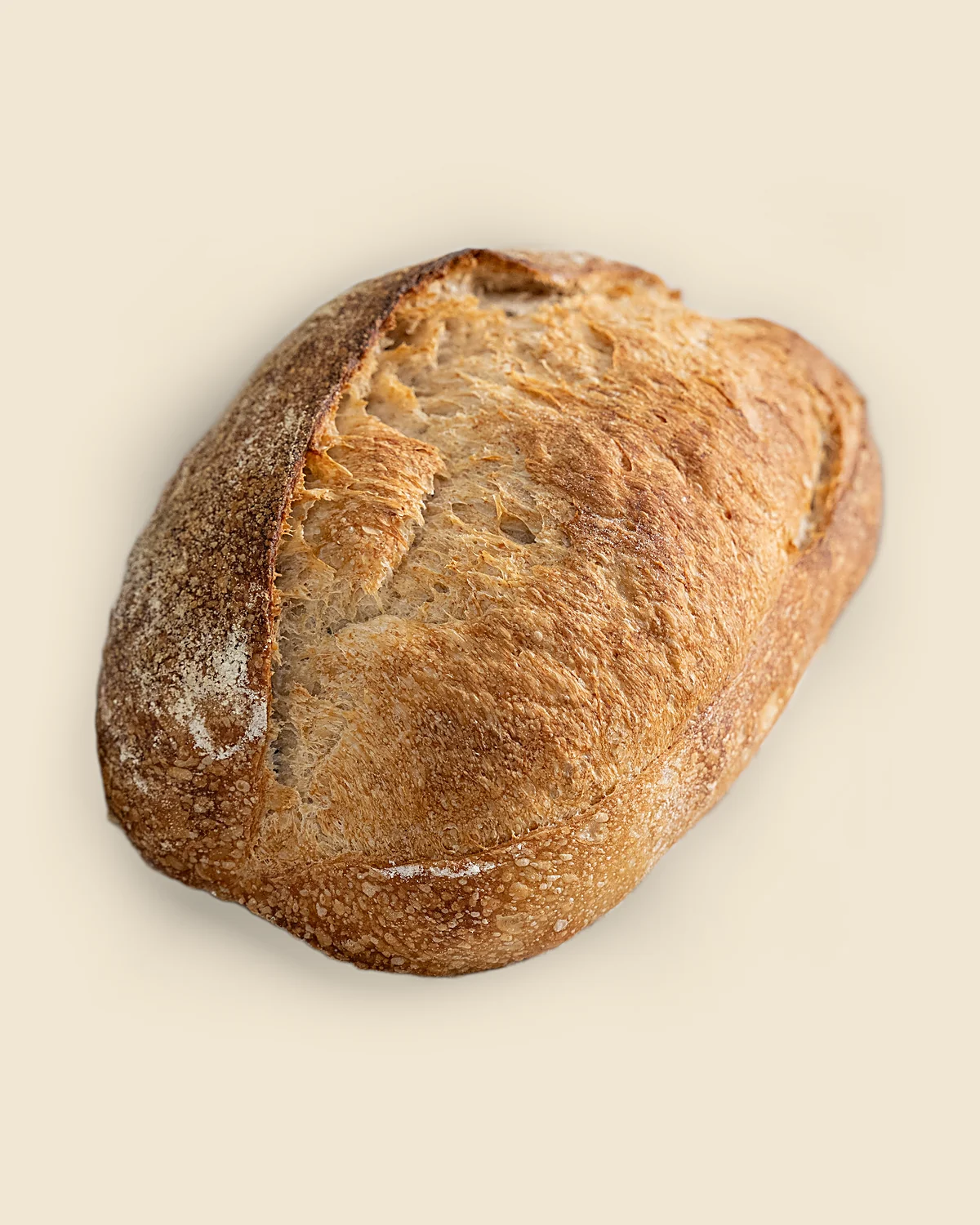
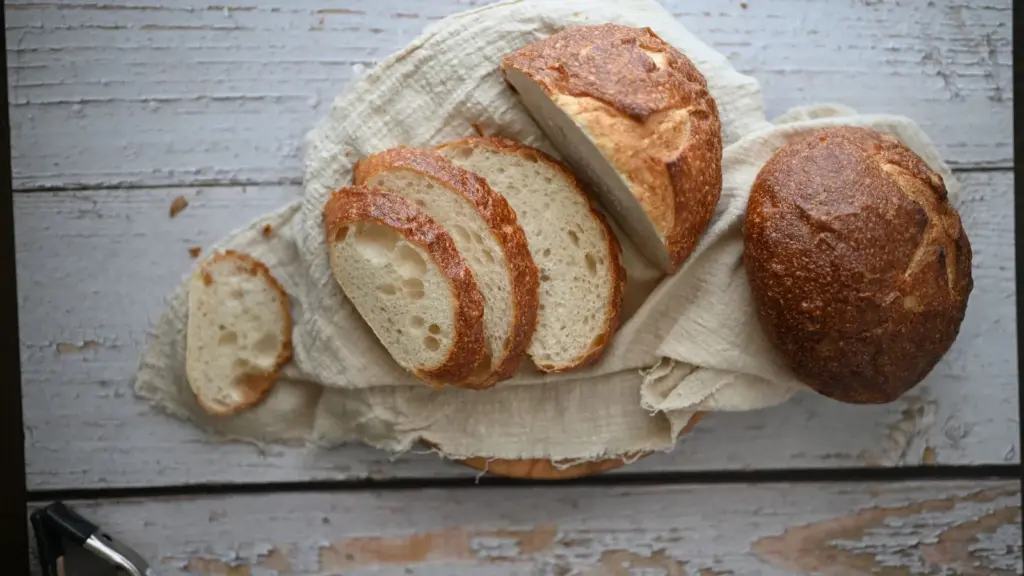
Classic Country Sourdough
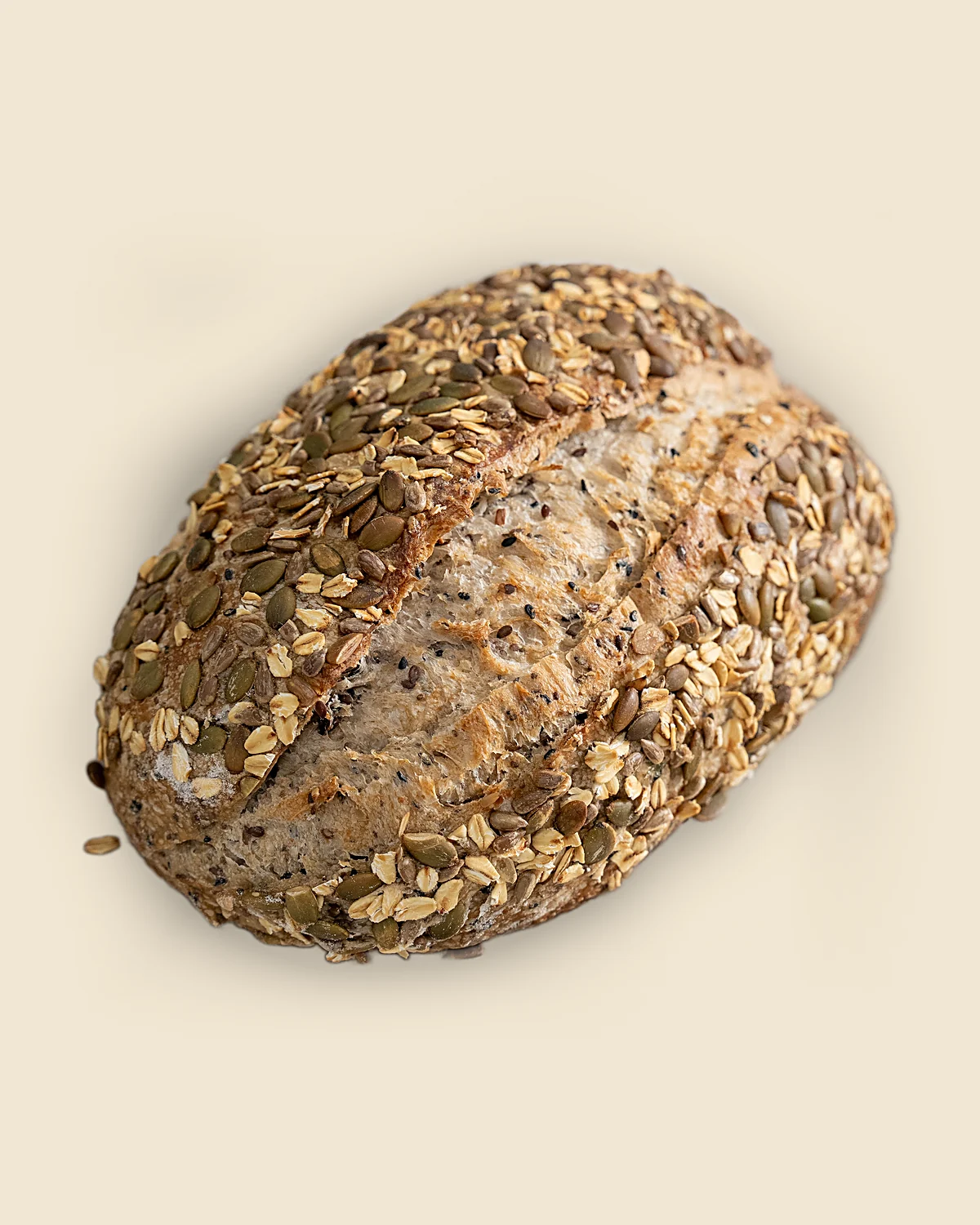
Harvest Multigrain Sourdough
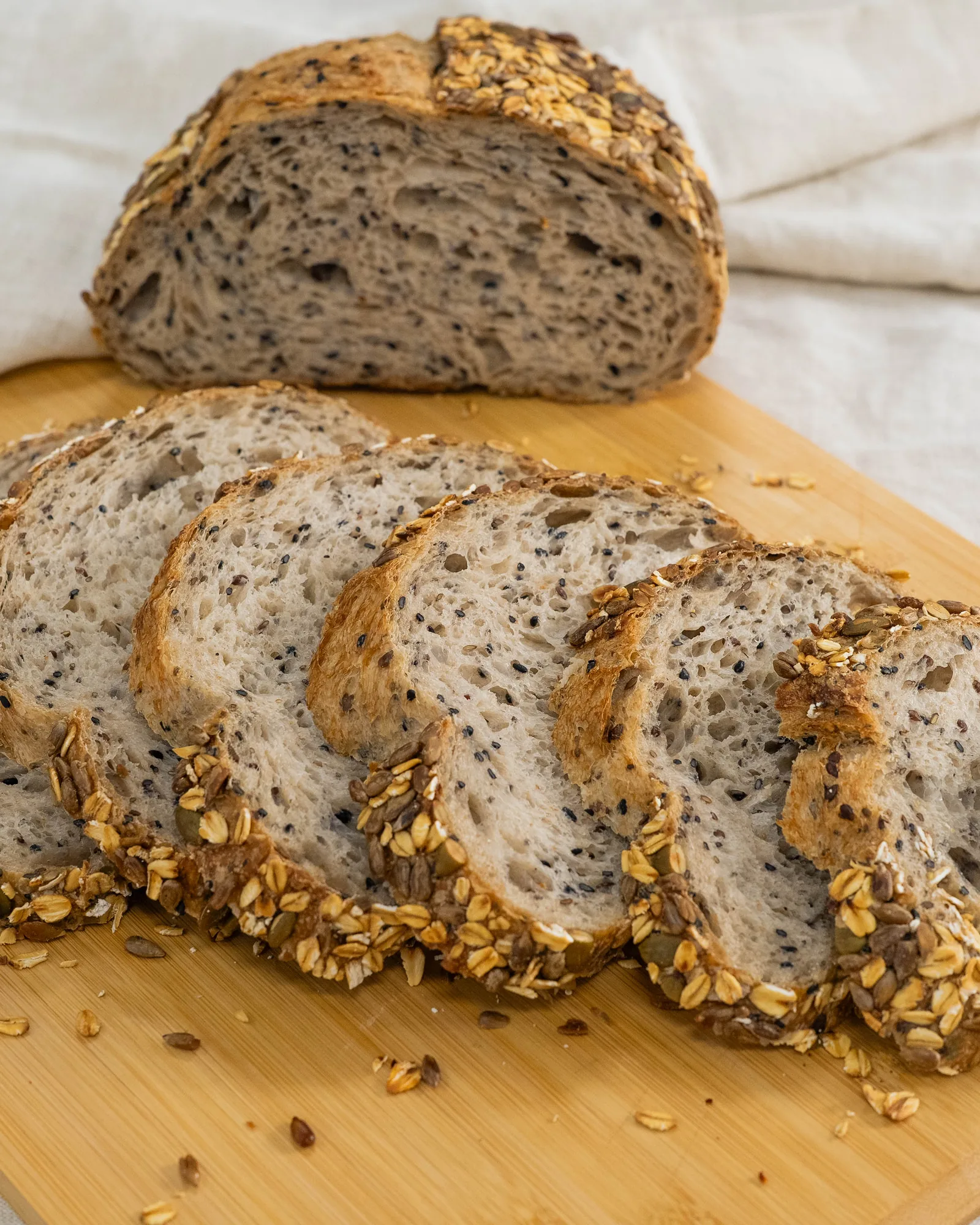
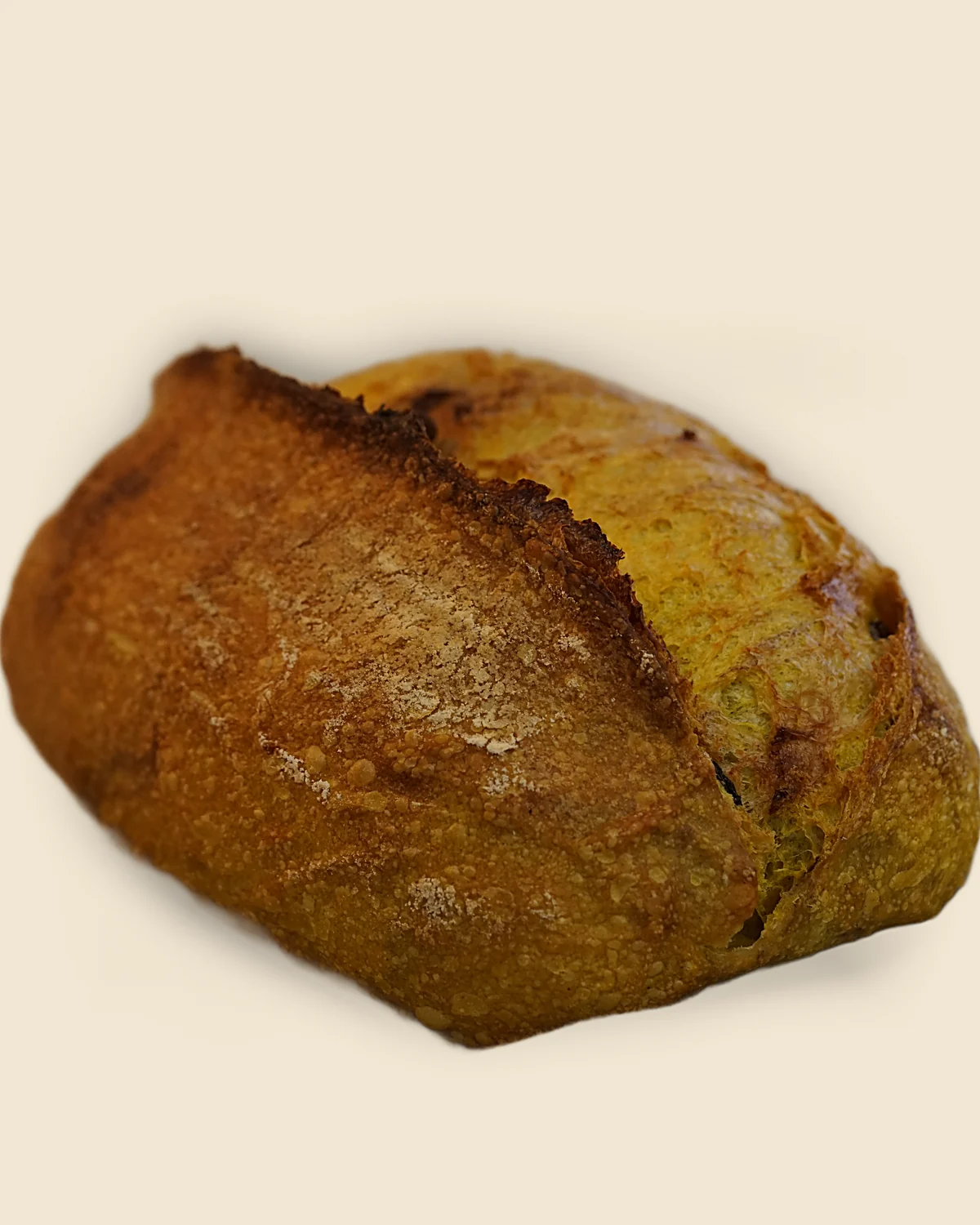
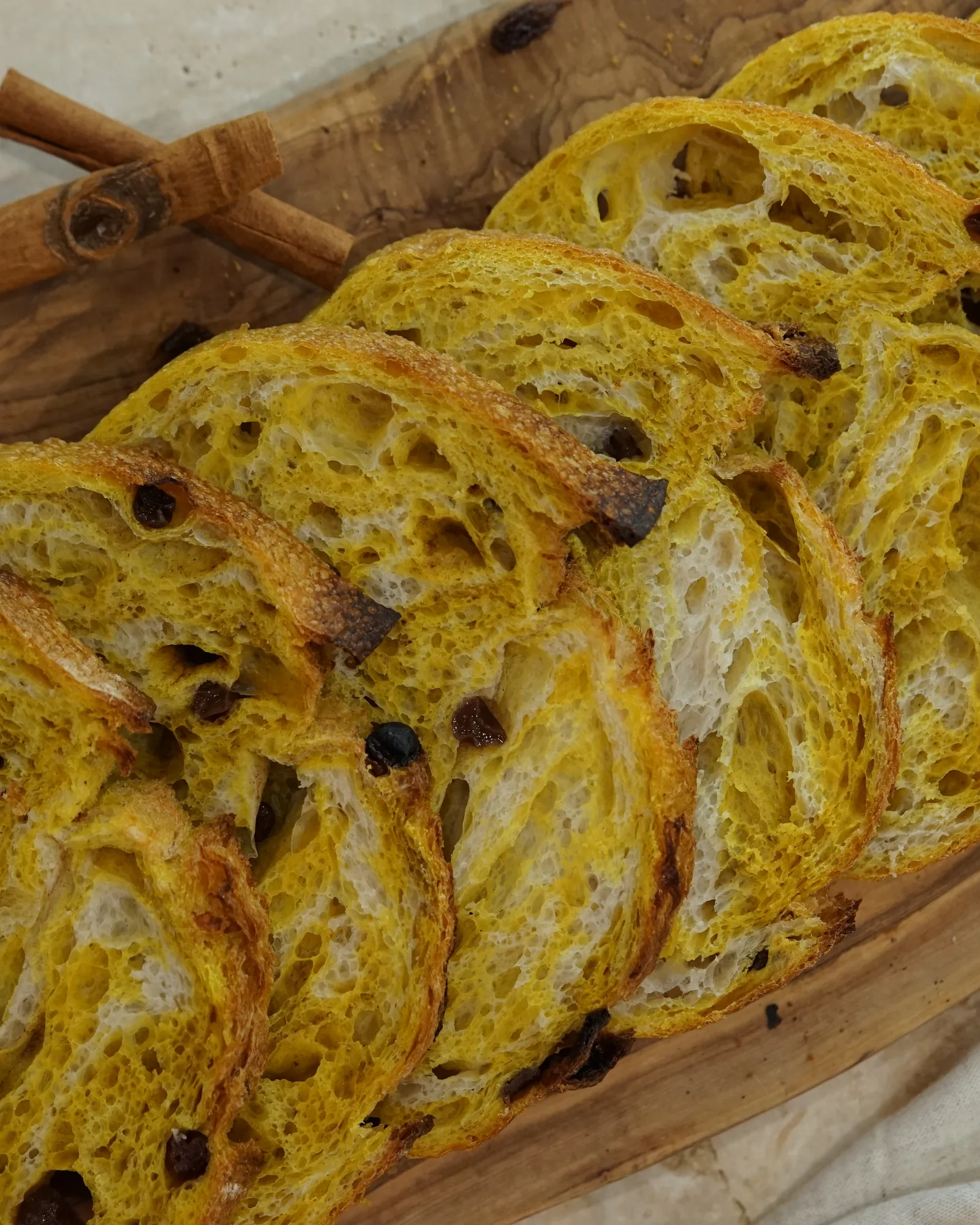
Golden Cinnamon Raisin Sourdough