What Is Levain? (And How It’s Different from a Sourdough Starter)
In short
Levain is a naturally fermented mix of flour and water that raises bread without commercial yeast. Many bakers use the word interchangeably with sourdough starter. Strictly, a levain is built from the starter for a specific dough.
If you’ve read a bakery label or a bread recipe lately, you’ve probably seen the word levain. It sounds fancy, but it’s one of the simplest things in baking: flour, water, and the wild yeast and bacteria that live in them. Here’s what levain is, how it relates to a sourdough starter, and why we build our bread around it.
What does levain mean?
Levain (say “luh-VAN”) is French for leaven. It’s a mixture of flour and water fermented by naturally occurring wild yeasts and lactic acid bacteria, and it makes bread rise without commercial yeast. The American Society of Baking describes levain as a type of preferment that matures slowly before it’s added to bread dough.
A preferment is any portion of the dough that’s mixed and fermented ahead of time. A levain is the naturally leavened kind. It brings both lift and flavor to the final dough.
Is levain the same as a sourdough starter?
Yes and no. It depends on who’s talking.
In everyday American usage, many bakers use “levain” and “sourdough starter” interchangeably. The American Society of Baking notes that the two terms are often treated as the same thing in the U.S. but not in Europe. Biologically, they are the same kind of culture.
The more precise usage, common in French bakeries, separates them by job:
- The starter is the culture you keep alive indefinitely. You feed it on a schedule so it’s always ready.
- The levain is built from a small amount of that starter, specifically for one dough or one bake. It’s mixed, allowed to ripen, and then used up entirely in the dough.
| Feature | Sourdough starter | Levain |
|---|---|---|
| Purpose | Maintains the culture over time | Leavens a specific batch of dough |
| Lifespan | Kept going indefinitely | Built fresh, used in one bake |
| Flour and hydration | Whatever the baker maintains it on | Can be tailored to the bread being made |
| Where it ends up | Mostly back in the jar | Entirely in the dough |
Think of the starter as the parent culture and the levain as the batch you build from it for today’s dough.
How is a levain made from a starter?
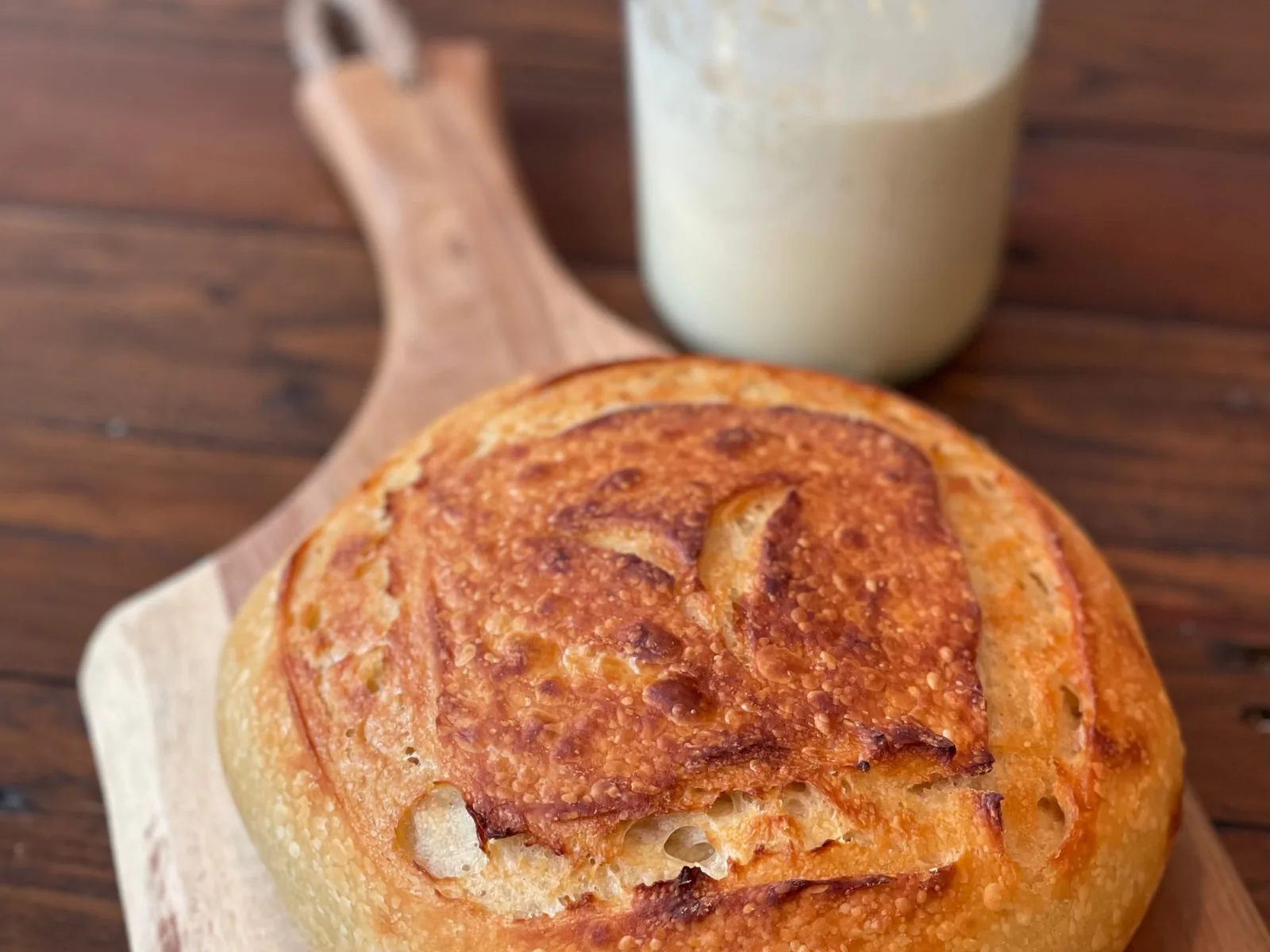
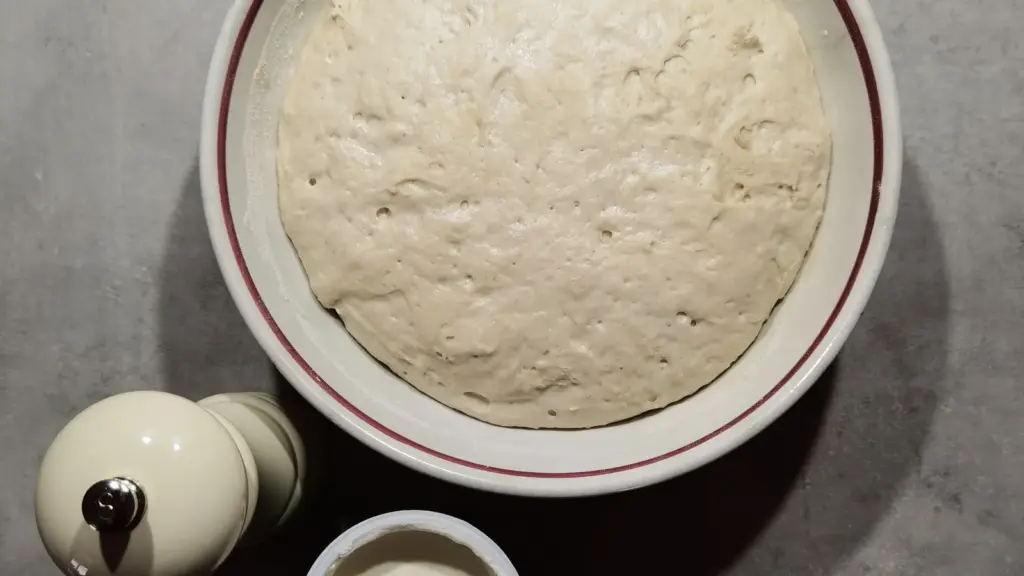
The basic idea is simple. You take a small amount of mature, active starter and mix it with a larger amount of fresh flour and water. Then you let it ferment until it’s bubbly, domed and pleasantly sour.
Because only a little starter goes into a lot of fresh flour, the levain ripens slowly. In King Arthur Baking’s levain sandwich bread, the levain takes about 12 hours at 70°F and roughly doubles in size. Using a measured levain build also gives more consistent results than adding starter straight from the jar.
A levain can be stiff (dough-like), liquid (batter-like), or made with rye, and bakers can convert one style into another. Wetter levains ferment faster and mix in easily. Stiffer ones work more slowly.
Why not just add starter straight to the dough? Building a separate levain gives the baker control. You can choose its flour, hydration and timing to suit the bread, so it peaks right when the dough is ready to mix. The starter in the jar stays untouched, ready for tomorrow.
What does levain do to bread?
Flavor
As the yeast and bacteria ferment the flour, they produce acids and aromatic compounds that commercial yeast alone doesn’t. Longer fermentation produces a more complex flavor. According to the American Society of Baking, temperature changes the balance too: warmer fermentation favors lactic acid, which tastes milder, while cooler fermentation favors sharper, more vinegary acetic acid. That’s why two levain breads can taste very different, from mild and nutty to tangy.
Texture
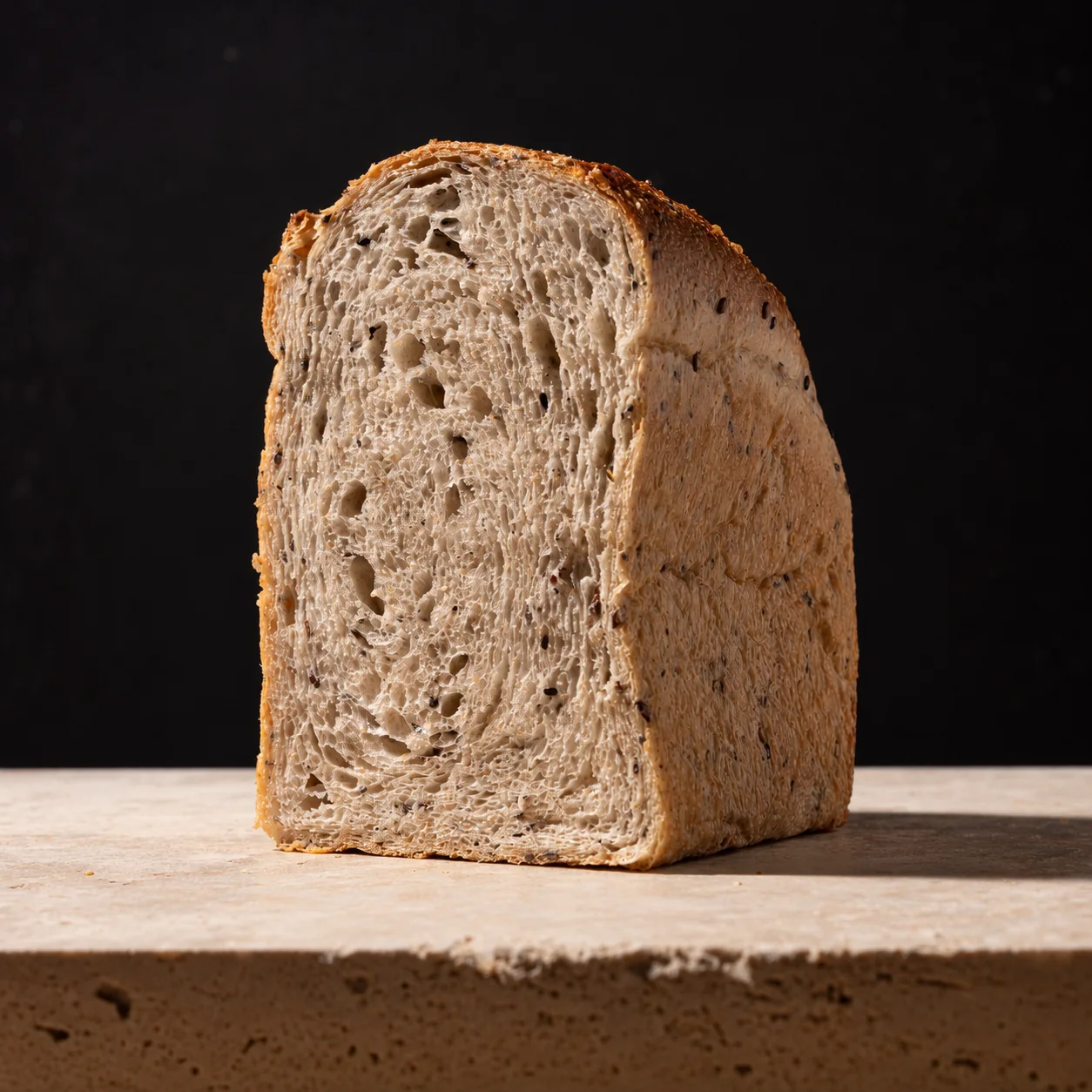
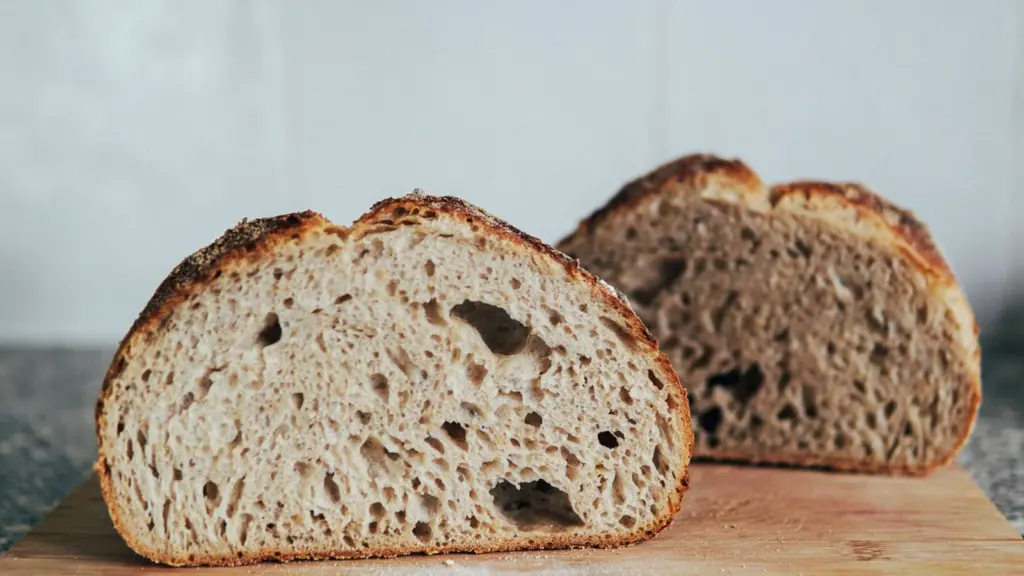
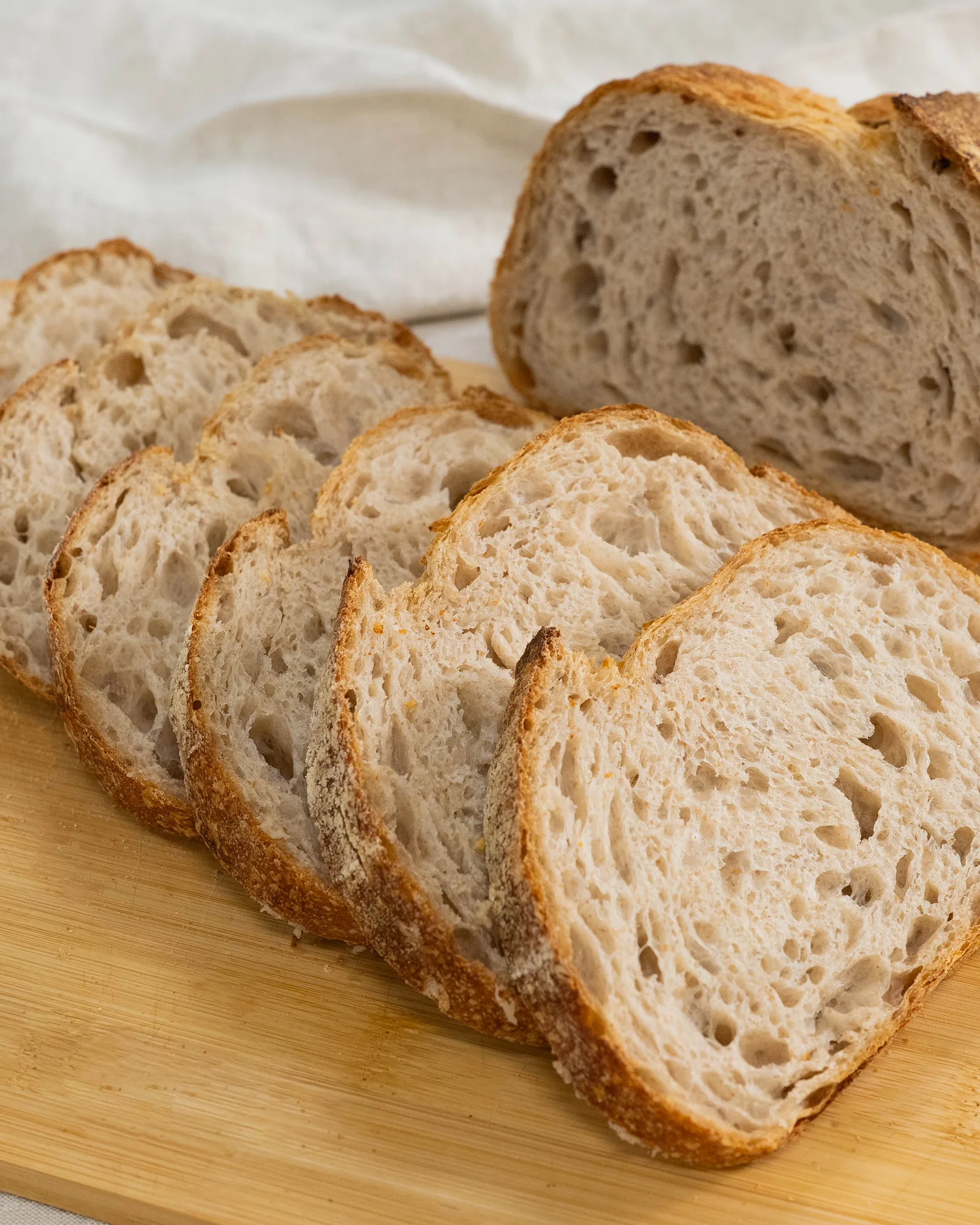
The acids a levain produces also interact with gluten and help strengthen the dough’s structure. Combined with a slow rise, that gives naturally leavened bread its chewy, open crumb and a crust that blisters and crackles in the oven.
Keeping quality
Levain-leavened bread usually stays good longer than a quick yeasted loaf. The American Society of Baking explains that the drop in pH from fermentation extends shelf life, so bakers don’t need dough conditioners or preservatives. That’s why a good sourdough is often still excellent as toast on day three.
How we use levain at Hour 20
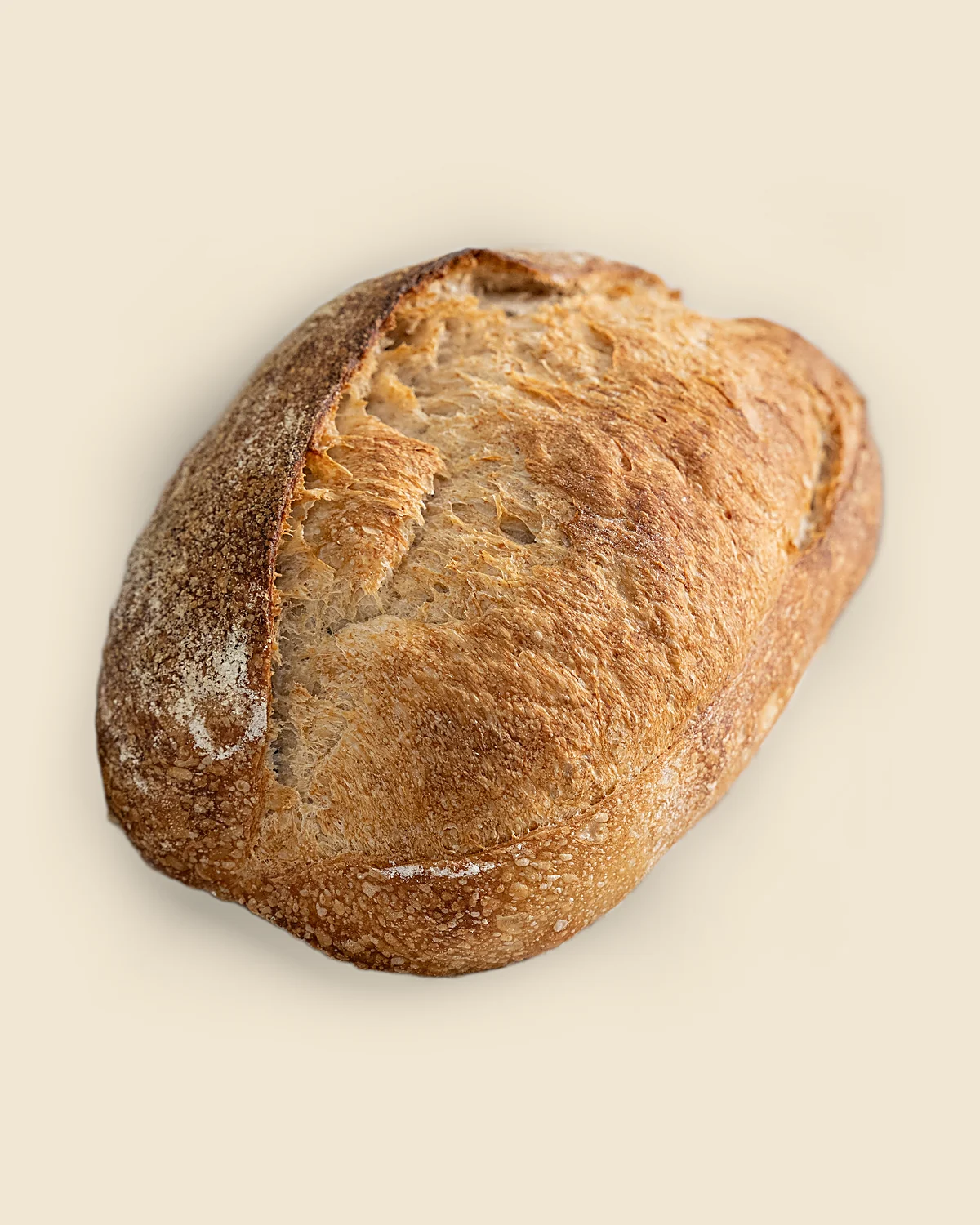
Our sourdough loaves are leavened only with levains we raise ourselves. We feed them by hand every day. We never add commercial yeast to our sourdough.
Each day’s levain goes into a dough of French T65 flour, stone-milled whole grains, water and sea salt. That’s the whole list, with no dough conditioners, preservatives, softeners or colorings. Then the dough rests for twenty hours and more in a long, cold ferment before it’s baked. That slow rest is where the flavor builds.
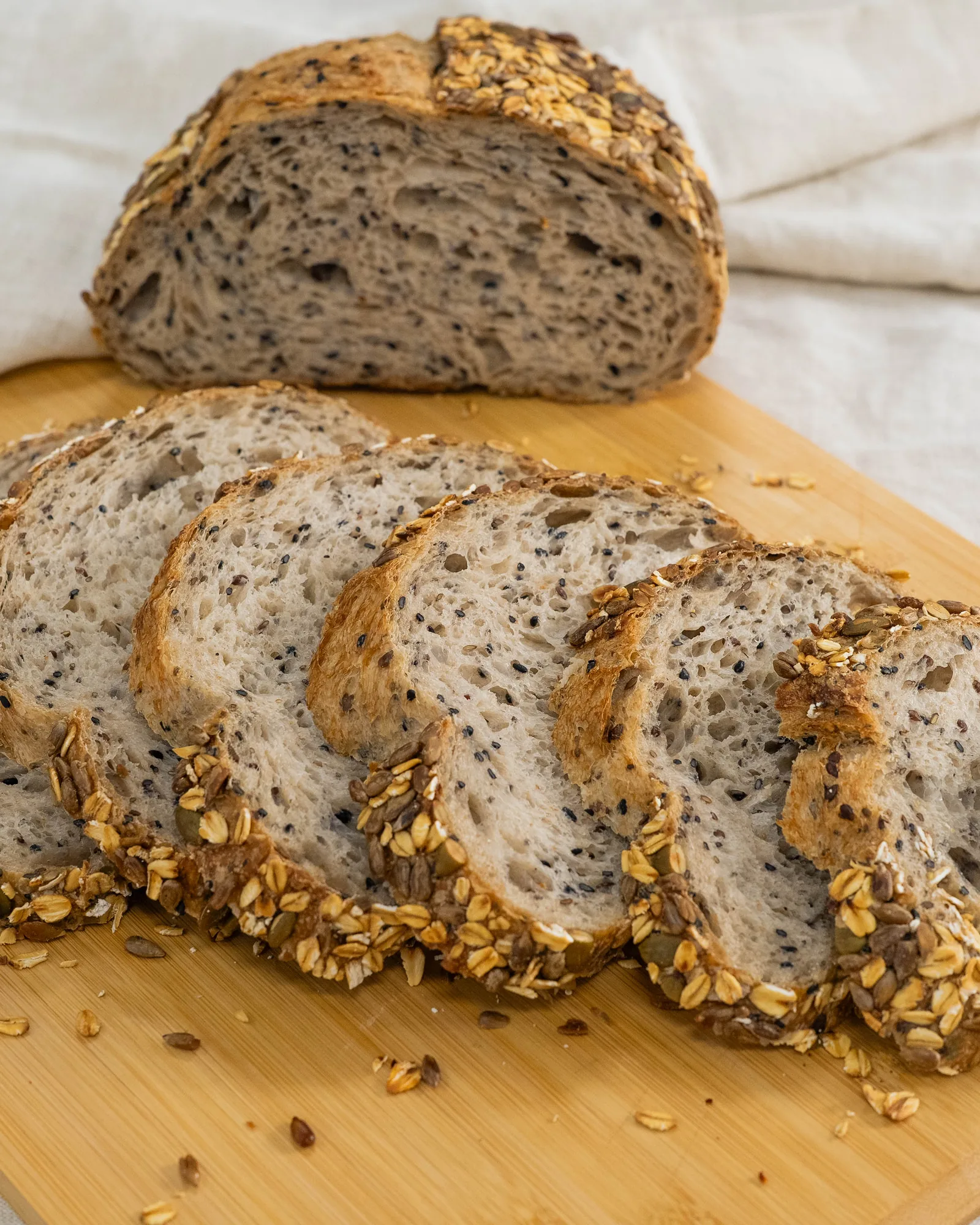
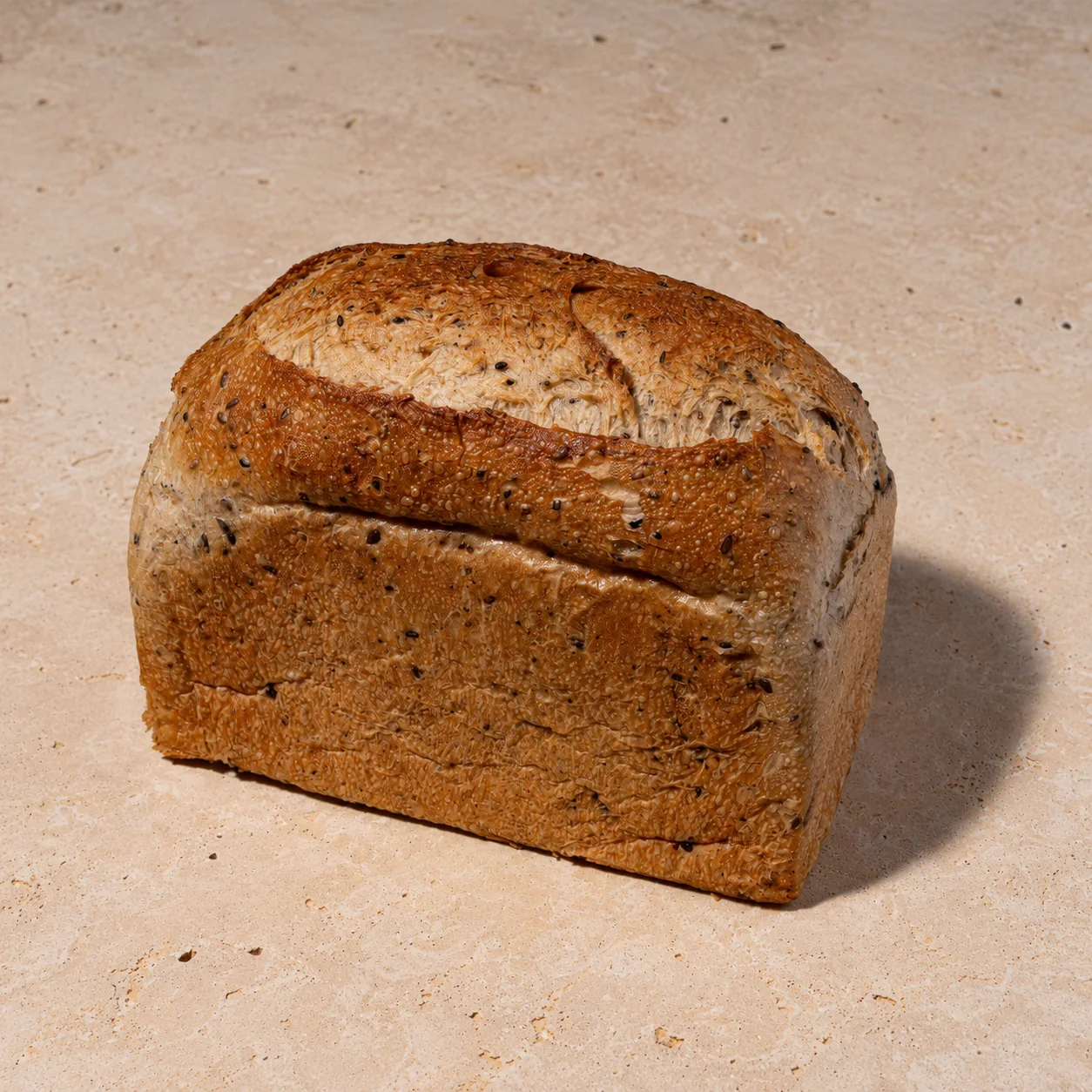
You can taste it most plainly in our Classic Country Sourdough, which is just T65 flour, whole wheat, levain, water and sea salt. Our Harvest Multigrain Sourdough, packed with flax, sesame, chia, sunflower and pumpkin seeds and oats, and our Seeded Sourdough Sandwich Loaf are made with our sourdough too.
The short version
A levain is a naturally fermented leaven of flour and water, built from a sourdough starter to raise a particular dough. Plenty of bakers use the two words interchangeably, and that’s fine. What matters is the slow, wild fermentation behind them. It gives bread deeper flavor, a better crumb, and a loaf that keeps on its own.
Questions
How do you pronounce levain?
Roughly "luh-VAN." It's the French word for leaven.
Does levain bread contain commercial yeast?
A true levain bread is raised by the wild yeasts and bacteria in the levain. Some bakeries add commercial yeast for speed, but our sourdough loaves never contain it.
Is levain bread the same as sourdough bread?
In practice, yes. Both are naturally leavened by a fermented flour-and-water culture. "Pain au levain" is simply the French name for this kind of bread.
Why does levain bread taste sour?
The bacteria in a levain produce lactic and acetic acids as they ferment. How sour the bread tastes depends on the levain, the temperature and how long the dough ferments.
Can I make a levain from my own starter at home?
Yes. Mix a small amount of active starter with fresh flour and water, then let it ripen until it's bubbly and roughly doubled before mixing your dough.
Sources
Bake it home
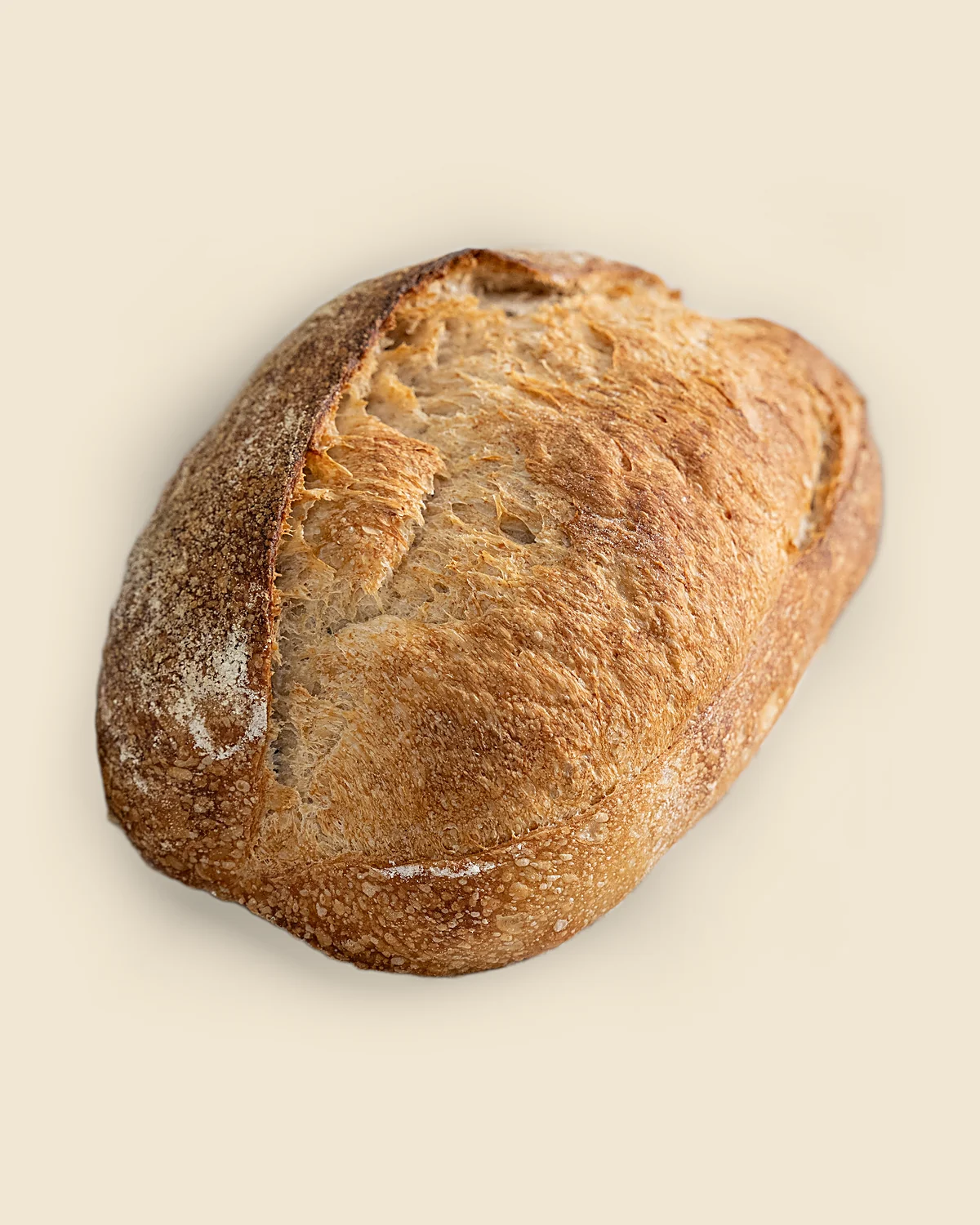
Classic Country Sourdough
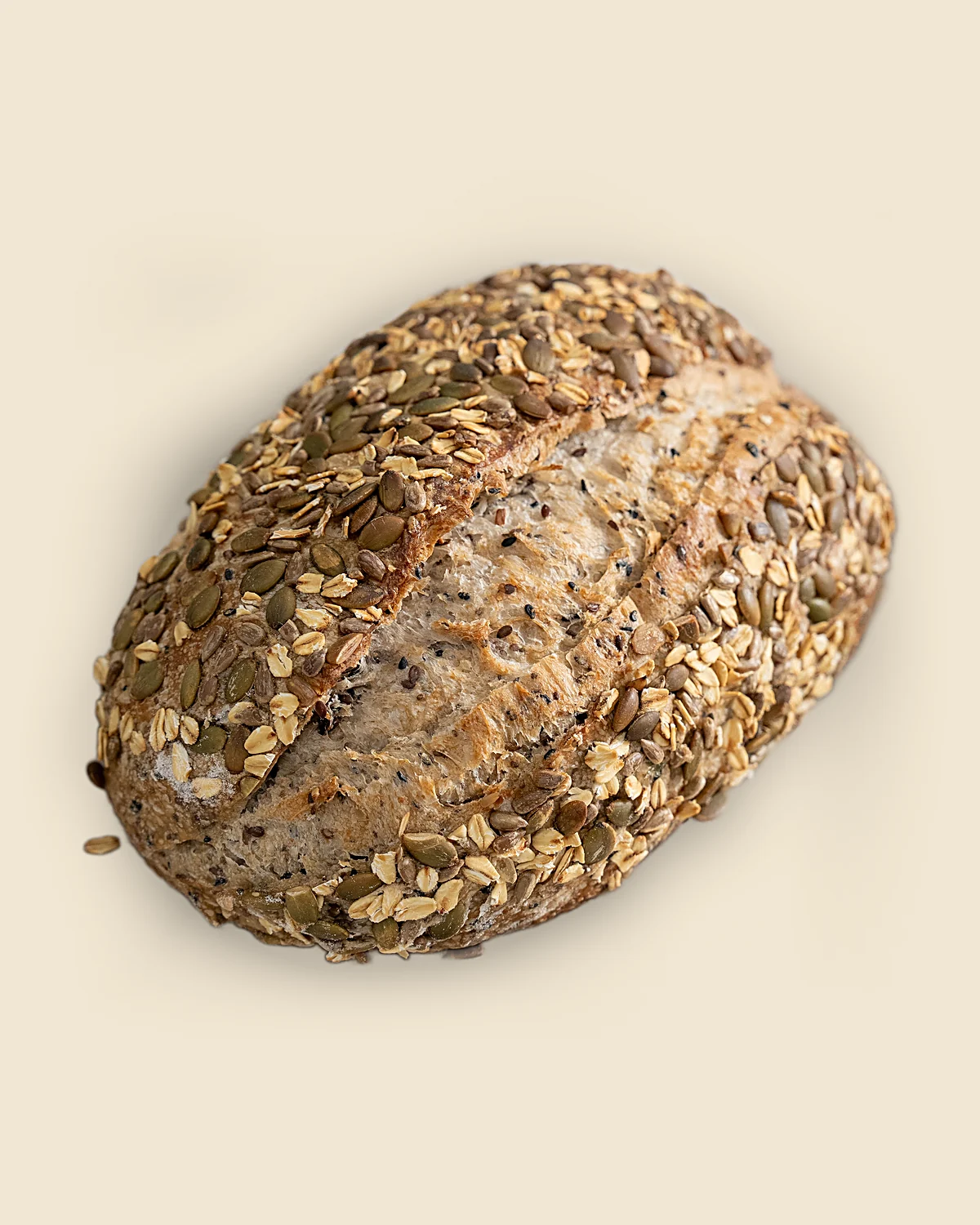
Harvest Multigrain Sourdough