How to Toast Bread Without a Toaster (Oven, Air Fryer, Pan)
In short
Toast bread in the oven at 375–450°F for a few minutes per side, under the broiler while you watch it closely, in an air fryer on a hot setting for a few minutes, or in a buttered skillet over medium-low heat.
You don’t need a toaster to make good toast. An oven, a broiler, an air fryer or a plain skillet will all get you there, and some do a better job with thick bakery slices than a toaster ever will. Here’s how each method works, roughly how long it takes, and how to adjust for sourdough, frozen slices and soft milk bread.
How do you toast bread in the oven?
The oven is the best way to toast a lot of bread at once, and it toasts evenly on both sides. America’s Test Kitchen’s method for toasting 12 slices at once heats the oven to 450°F and toasts the bread about 6 minutes, until the top is lightly browned, then flips it and gives it about 6 minutes more. Their trick is to stand the slices between the bars of the upper rack with a baking sheet on the rack below, so the bottoms rest on the pan.
If you’d rather lay the slices flat on a sheet pan, that works too:
- Heat the oven to somewhere between 375°F and 450°F. Lower heat is gentler and slower; higher heat is quicker and crisper.
- Lay the slices in a single layer on a sheet pan or directly on the rack, with a little space between them.
- Toast until the top side looks golden, flip with tongs, and toast the second side. Start checking after a few minutes, since ovens run hot or cool.
- For buttered toast, butter after toasting, or brush on a thin layer of butter or olive oil before it goes in if you want a richer, more fried crunch.
Oven toast is drier and more evenly crisp all the way through than toaster toast, which makes it good for crostini, toast for a crowd, and thick slices that won’t fit in a toaster slot.
How do you make toast under the broiler?
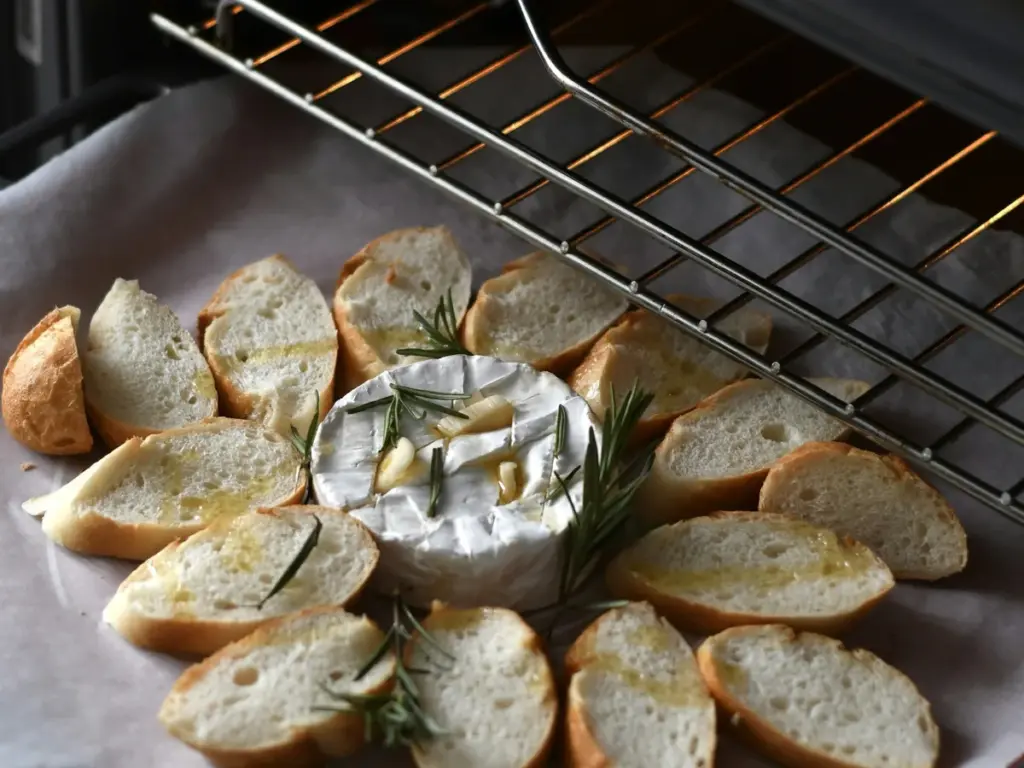
The broiler is the fastest oven option because the heat comes straight down from the element. Put a rack near the top of the oven, turn the broiler on, lay the slices on a sheet pan and slide it under.
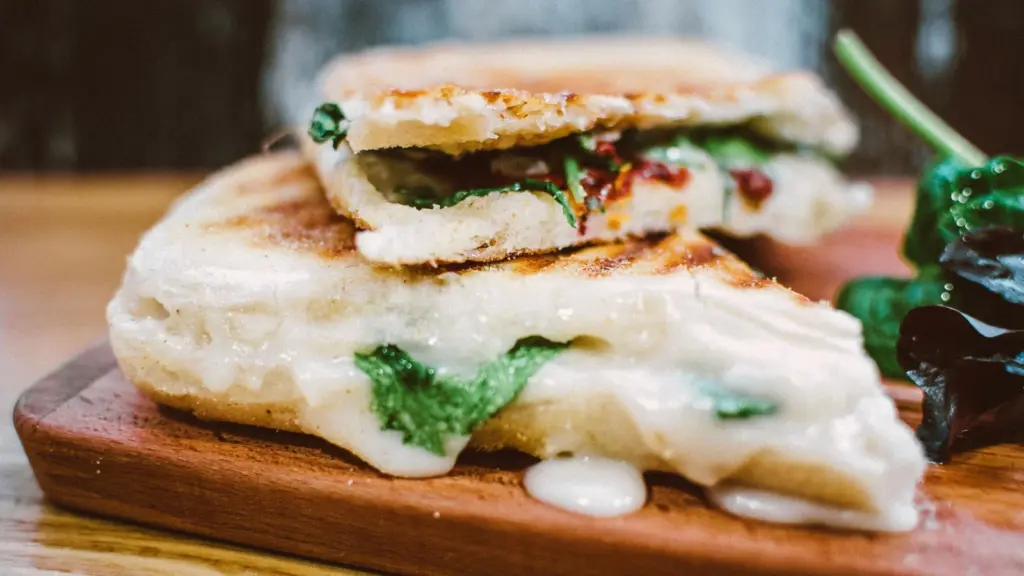
Broiler toast is quick, so don’t walk away. How fast one side goes from pale to golden depends on how strong your broiler is and how close the rack sits. Flip as soon as the top is golden, and expect the second side to go faster because the pan is already hot. The broiler is also the easy way to make cheese toast: toast one side, flip, add cheese and broil until it bubbles.
How do you make toast in an air fryer?
An air fryer is basically a small, fast convection oven, so it toasts a slice or two quickly without heating the whole kitchen. America’s Test Kitchen sets the air fryer to 400°F for its air-fryer toast recipes; plain slices without toppings need only a few minutes.
- Lay the slices in a single layer in the basket. Don’t overlap them, or the covered parts stay soft.
- Air fry at a hot setting and check after about 3 minutes. Flip halfway if your model browns mostly from the top.
- Thick slices and frozen slices need a little longer; soft milk bread needs less.
One air fryer caution: the fan is strong. The University of Maine Cooperative Extension warns that lightweight foods like bread slices can be blown into the heating element, and suggests using toothpicks to hold them down. Thin, light slices are the most likely to move, so a heavier slice or a fitted rack on top helps too. Check your manual for what your model allows.
Can you toast bread in a skillet or pan?
Yes, and pan toast is the richest kind. Heat a skillet over medium to medium-low heat, add a little butter or olive oil, and lay the slices in. Cook until the underside is golden and crisp, then flip and do the other side. A dry pan works too if you just want plain toast; it browns in spots rather than evenly.
Medium-low heat is the key. Too hot and the fat scorches before the inside warms through. Pan toast is the one to use for a sandwich you’re assembling right away, like a Thanksgiving leftover sandwich on thick, buttery slices.
Which toasting method is best?
It depends on how many slices you’re making and how you want them to eat. Here’s how the five methods compare. Times are rough starting points; your appliance and your bread will change them.
| Method | Time | Temp / setting | Texture | Best for | Watch-outs |
|---|---|---|---|---|---|
| Oven (bake) | Several minutes per side; about 6 + 6 min at 450°F in ATK’s method | 375–450°F; flip halfway | Evenly crisp, drier | A crowd, crostini, thick slices | Slowest; check early in a hot oven |
| Broiler | The fastest; check every 30 seconds or so | Broil, rack near the top | Crisp outside, soft middle | Speed, cheese toast | Burns in seconds; stay at the oven |
| Air fryer | A few minutes | Hot setting (ATK uses 400°F) | Crisp, a little dry | 1–4 slices, thick bakery bread | Light slices can blow into the element; models vary |
| Skillet | A few minutes per side | Medium to medium-low, with butter or oil | Richest, crunchy-fried | Sandwiches, buttered toast | Fat scorches on high heat |
| Toaster | A few minutes | Low to medium for most bakery bread | Crisp outside, soft inside | Everyday slices | Thick or wide slices may not fit |
How do you toast frozen bread?
You don’t need to thaw sliced bread before toasting it. Toast it straight from the freezer and give it a little more time, or run it through a toaster twice on a lower setting so the outside doesn’t brown before the middle warms. In the oven or air fryer, add a minute or two and check the color.
Our own care guide for sourdough is simple: slices go straight from frozen into the toaster. If you slice a loaf before freezing it, you can pull out exactly as many slices as you need. Our guide to freezing, thawing and reheating sourdough covers slicing, wrapping and reviving whole loaves.
How do you toast sourdough so it’s crisp, not tough?
Sourdough often takes a bit longer to color than a supermarket sandwich loaf. Part of the reason is acidity: King Arthur Baking notes that acidic conditions slow browning, which is why sourdough can stay paler. So give it time at a moderate setting instead of cranking the heat.
- Slice it about ½ to ¾ inch thick. Thinner slices dry out and turn hard; much thicker slices stay cold in the middle.
- Toast until deep golden, then butter it right away so the butter soaks into the open crumb.
- For loaves with a big, open crumb, a skillet or oven keeps toppings from falling through. We cover this in our guide to the best bread for avocado toast.
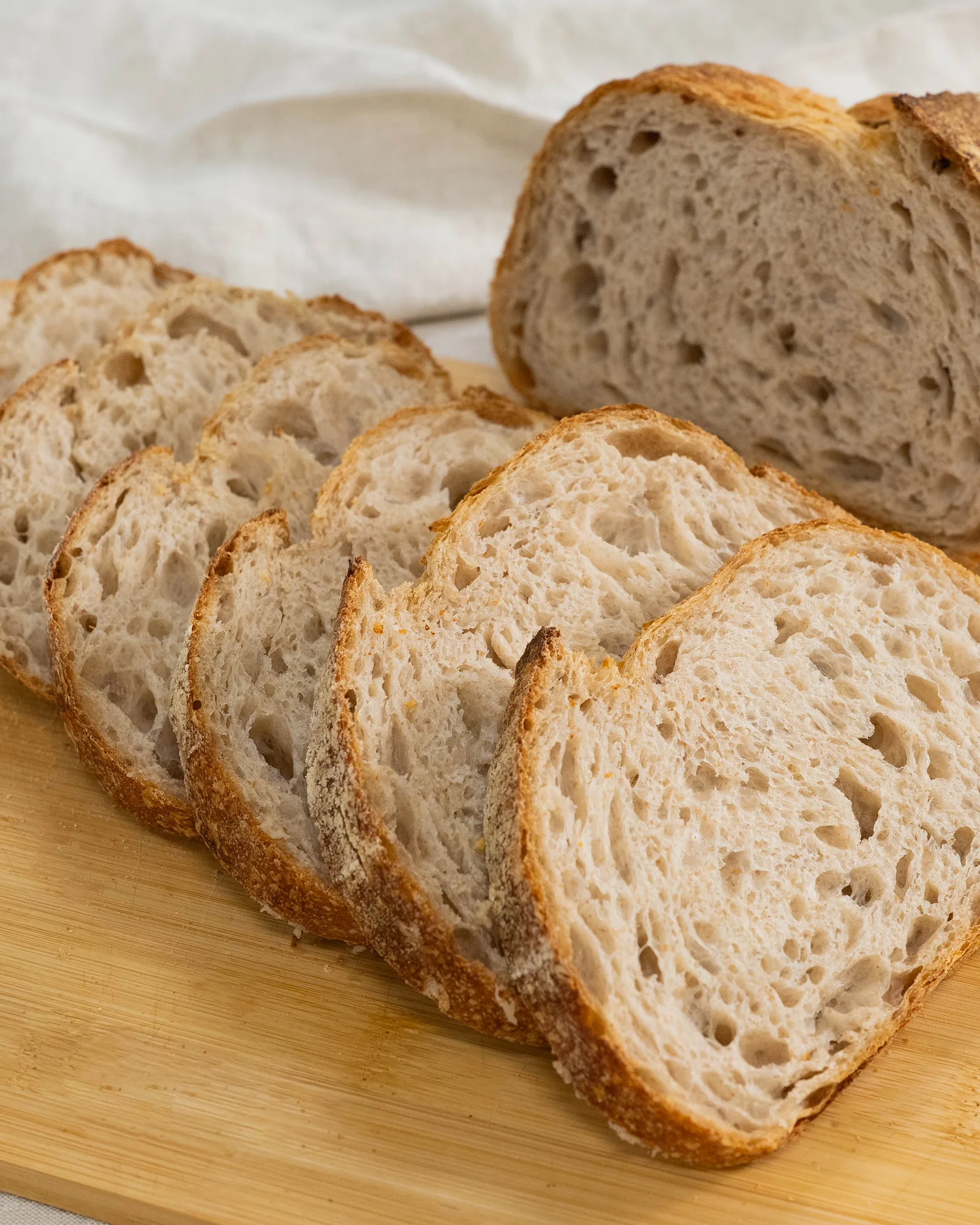
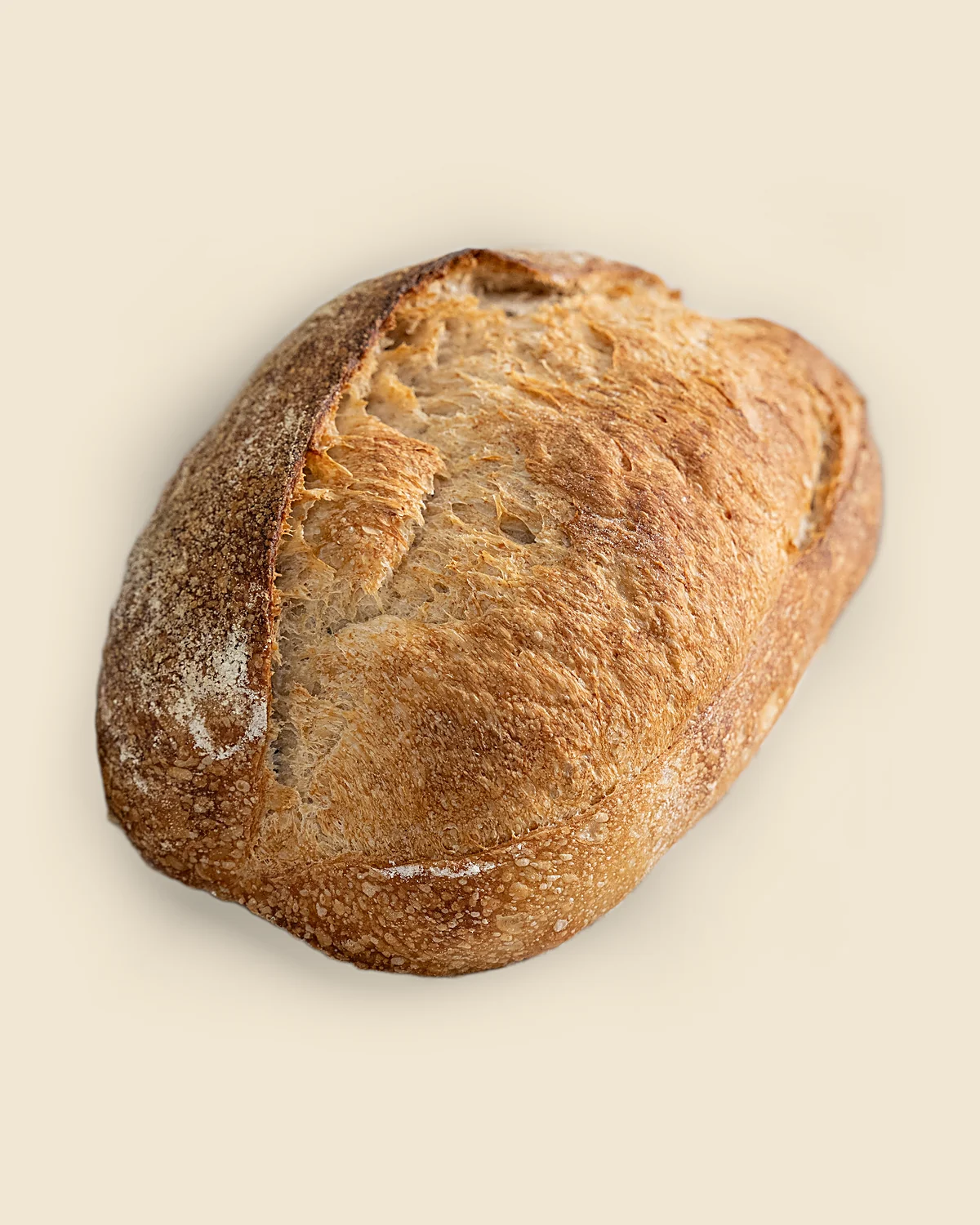
Our Classic Country Sourdough is our signature loaf, with an open, airy crumb and a deep amber crust from a 20-hour ferment. It’s made with just flour, sourdough starter, water and sea salt, so it toasts like a lean loaf: a little slower, crisp at the edges, chewy in the middle.
Why does milk bread brown so fast?
Browning on toast comes mainly from the Maillard reaction. King Arthur Baking sums it up as protein + sugar + heat, starting once the surface reaches at least 280°F. Breads made with milk, sugar, butter or honey give that reaction more to work with, and some sugars caramelize as well. Understanding Ingredients for the Canadian Baker, a baking textbook, explains that bread made with milk colors faster in the oven and has a darker crust, because the lactose in milk caramelizes readily.
In practice, that means enriched breads need a lighter touch: use a lower toaster setting, a lower oven temperature, or a shorter time, and watch them closely. Enriched slices can look perfect one moment and too dark a few seconds later.
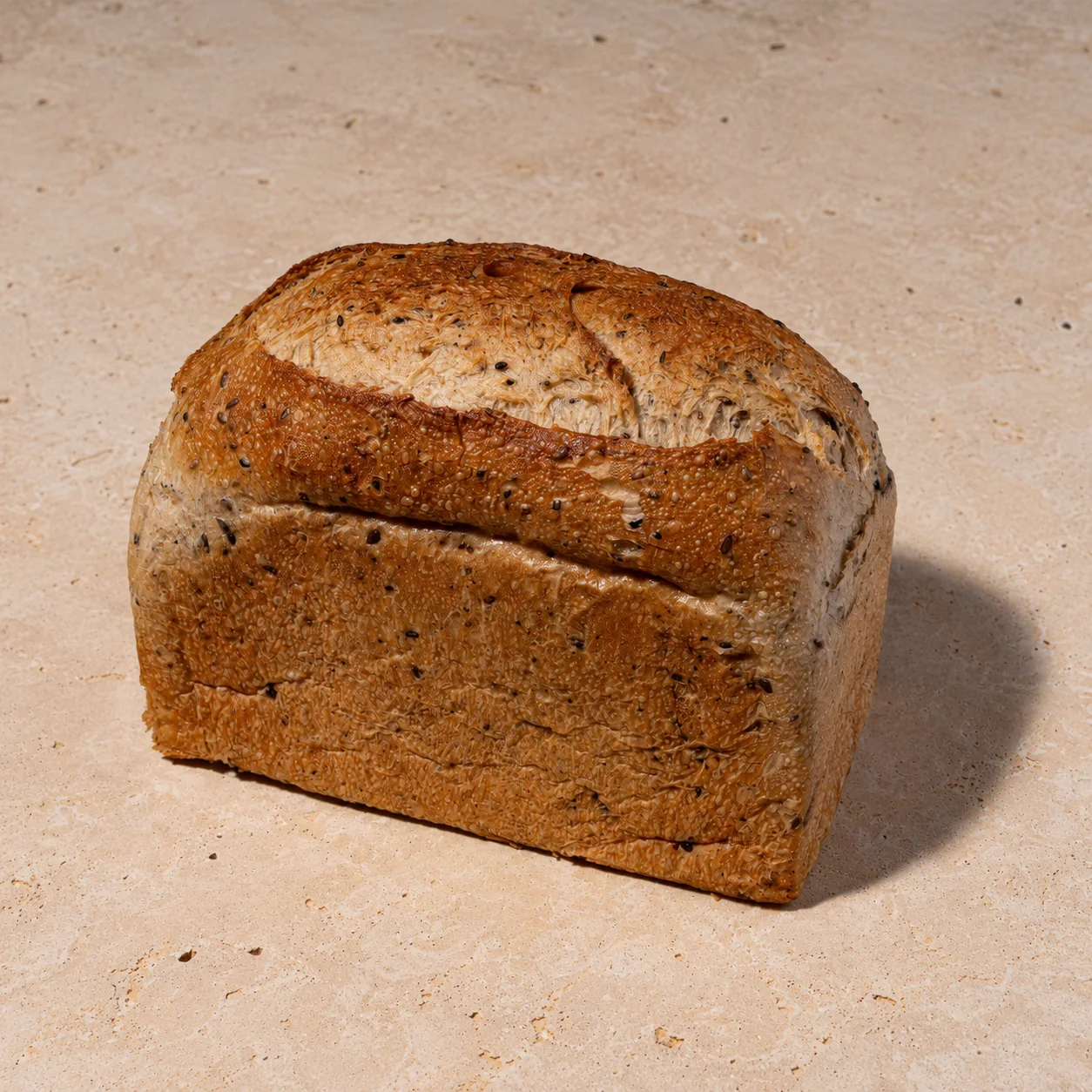
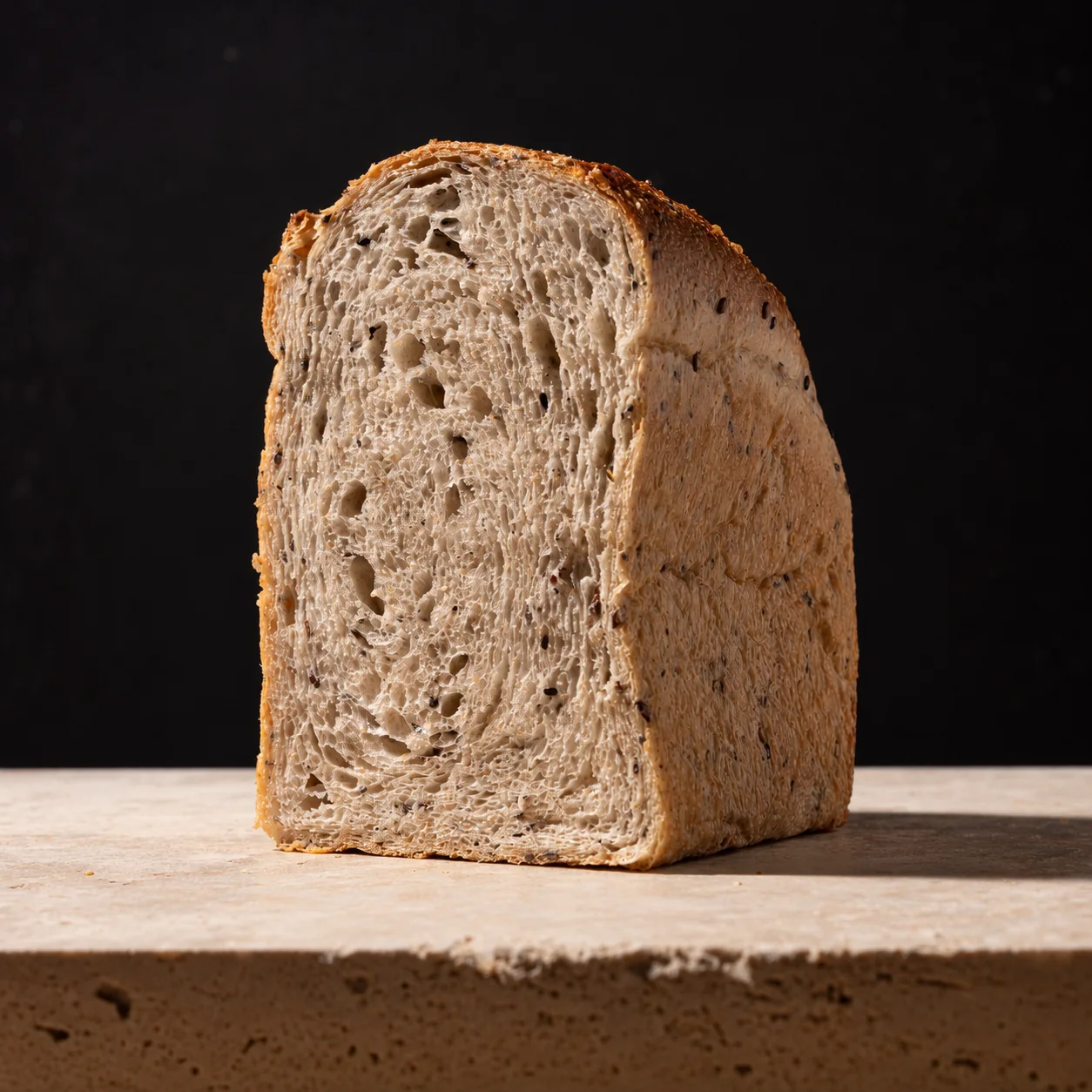
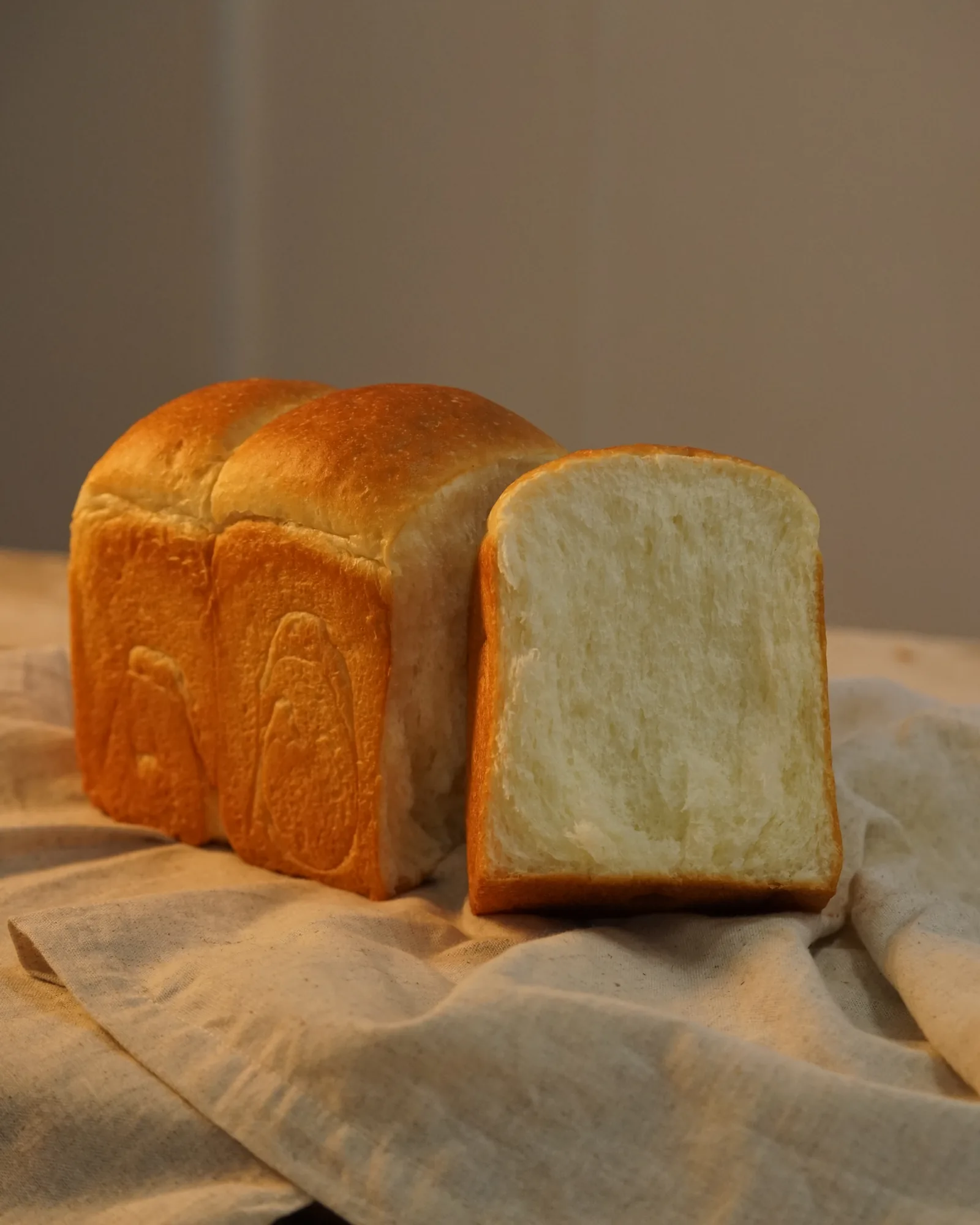
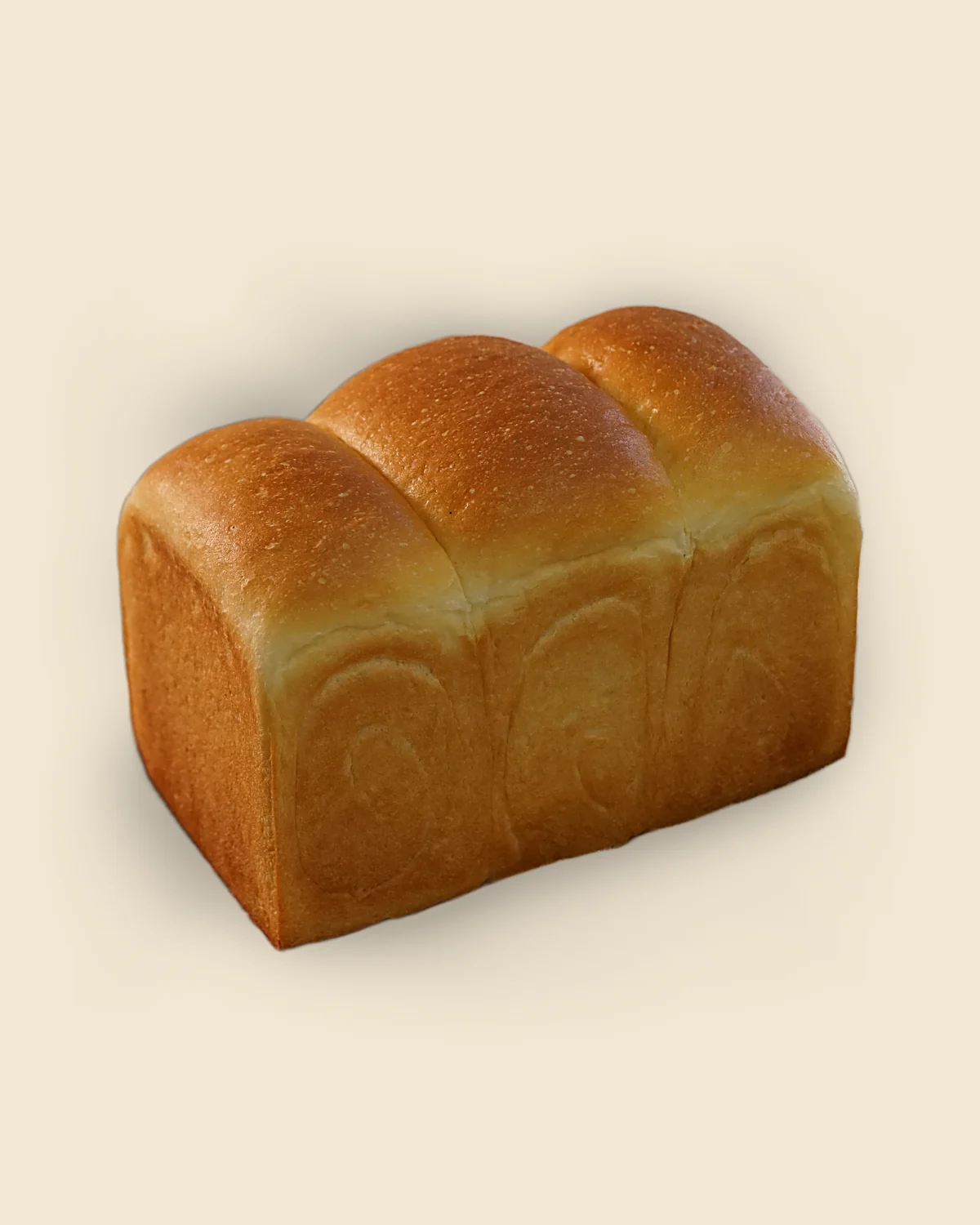
Our Hokkaido Milk Bread is made with organic milk, heavy cream, sugar, sweetened condensed milk and cultured butter, so it browns quickly. Our care guide says it plainly: light toast, watch closely, because the milk and sugar brown fast. The same guide applies to our Seeded Sourdough Sandwich Loaf, which is made with cultured butter and a little honey and is the loaf we bake for toast and sandwiches.
How brown should toast be?
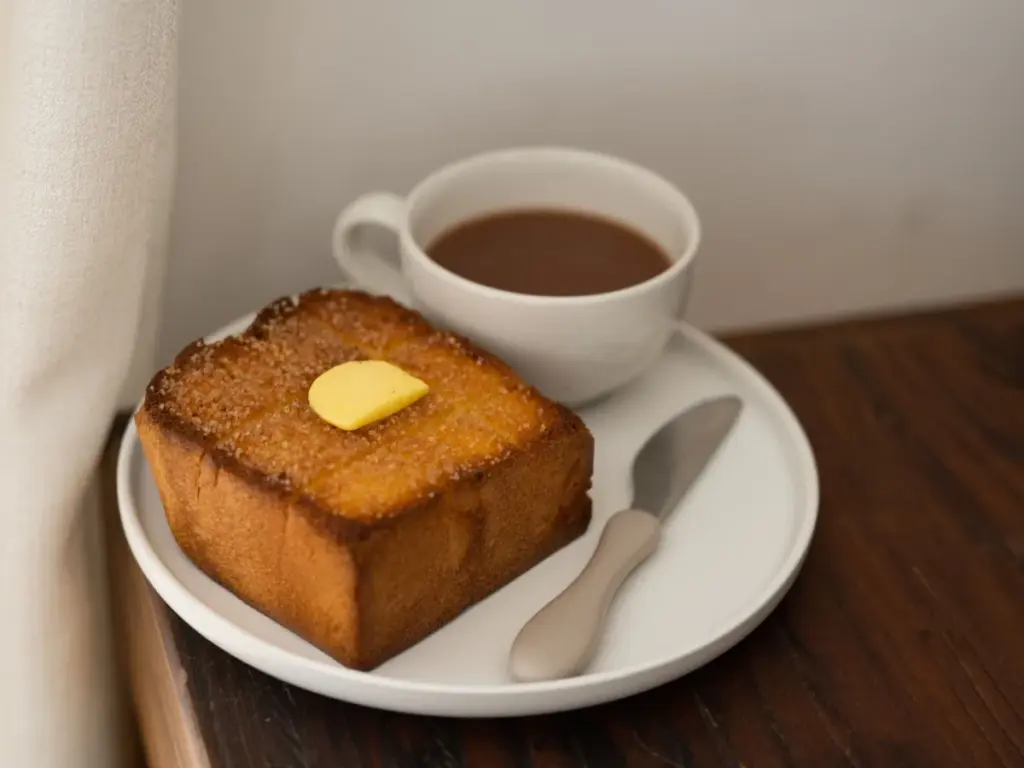
That’s mostly taste, but there’s one useful guideline. The FDA advises that toasting bread to a light brown rather than a dark brown color lowers the amount of acrylamide, a compound that forms in starchy foods cooked at high heat. Golden toast is a good target for flavor anyway: browned enough to taste toasty, not so dark that it turns bitter.
Questions
Can you make toast in a microwave?
Not really. A microwave heats the water in bread but doesn’t brown it, so the slice turns soft and then chewy. Use a skillet, oven, broiler or air fryer instead.
Do you need to preheat the air fryer for toast?
It isn’t required, but a few minutes of preheating makes browning faster and more predictable. If you skip it, add a little time and check the color.
Should you butter bread before or after toasting?
Either works. Buttering after keeps the toast crisp and the butter fresh-tasting; buttering before, in a pan or oven, gives a richer, fried crunch.
How do you toast bread that’s too thick for the toaster?
Use the oven, an air fryer or a skillet. All three handle thick or wide bakery slices, and the oven can do many at once.
Why is my toast burnt outside but cold in the middle?
The heat was too high for the slice. Use a lower setting and a longer time, especially for thick or frozen slices, so the inside warms before the outside darkens.
What toaster setting is best for sourdough?
Start in the middle of the dial and go up a notch if it comes out pale. Lean sourdough can take a higher setting than soft, enriched sandwich bread.
Sources
- America’s Test Kitchen: How to Toast 12 Pieces of Bread at Once
- America’s Test Kitchen: Air-Fryer Roasted Fruit and Almond Butter Toast
- University of Maine Cooperative Extension: Air Fryer 101
- King Arthur Baking: The science behind golden brown bread
- Understanding Ingredients for the Canadian Baker: Milk in Bread Baking
- U.S. Food and Drug Administration: Acrylamide and Diet, Food Storage, and Food Preparation
Bake it home
Classic Country Sourdough
Hokkaido Milk Bread