Is Sourdough Gluten-Free?
In short
No. Sourdough made with wheat, rye or barley contains gluten. Fermentation can break down some of it, but not enough to make the bread safe for people with celiac disease. Only sourdough made from gluten-free ingredients is gluten-free.
We get this question a lot, so here’s the short version first: traditional sourdough is not gluten-free. If it’s made with wheat, rye or barley, it contains gluten. That includes every loaf we bake.
Does sourdough bread have gluten?
Yes. Gluten is the group of proteins found in wheat, and the Celiac Disease Foundation lists wheat, rye, barley and triticale (a wheat-rye cross) as the main sources. Wheat varieties such as spelt, farro, einkorn and semolina count too.
Sourdough is a way of leavening bread, not a type of flour. A sourdough starter is flour and water colonized by wild yeasts and lactic acid bacteria. If the starter and the dough are made with wheat or rye flour, the bread contains gluten. A long fermentation doesn’t change that.
Doesn’t fermentation break down gluten?
Partly, and that’s where the confusion comes from. During fermentation, some gluten proteins can be partially modified or broken down. How much depends heavily on the microbes in the starter, the processing conditions and how acidic the dough gets, according to a 2023 review in Frontiers in Nutrition.
Researchers have studied special processes that use specific enzymes to break down the gluten fragments that trigger celiac disease. But the same review notes that sourdough products on the market “are generally not processed in this way.” It adds that there’s no data to support the claim that sourdough breads reduce the risk of developing celiac disease.
In plain terms: a naturally leavened wheat loaf, even one fermented for about 20 hours like ours, still has plenty of gluten. “Less” is not “free.”
Is sourdough safe for people with celiac disease?
No. Celiac disease is an autoimmune condition triggered by gluten from wheat, rye, barley and triticale. The Frontiers review describes the only remedy as lifelong adherence to a strict gluten-free diet. That leaves no room for “mostly fermented” wheat bread.
The NIH’s National Institute of Diabetes and Digestive and Kidney Diseases (NIDDK) also warns about cross-contact. Gluten can reach gluten-free foods during growing, processing, storage, preparation or serving. So even a bread made with gluten-free flour isn’t automatically safe if it’s made alongside wheat.
If you have celiac disease, the safest rule is simple. Choose bread clearly labeled gluten-free, and treat any wheat, rye or barley sourdough as off-limits, however long it was fermented.
What about non-celiac gluten or wheat sensitivity?
This is where the evidence gets genuinely mixed. Non-celiac wheat sensitivity is a real but hard-to-pin-down condition. Its symptoms overlap heavily with irritable bowel syndrome, and there are no clear biomarkers to diagnose it.
Some people with these conditions say they tolerate sourdough better than other breads. Part of the reason may be FODMAPs rather than gluten. Wheat contains fructans, fermentable carbohydrates that sourdough fermentation can reduce. But results in people haven’t been consistent. The Frontiers review describes a pilot study in people with wheat sensitivity and IBS in which sourdough wheat bread was not better tolerated than yeasted bread, even though fermentation had broken down some of the suspect compounds. The authors concluded that sourdough’s clinical relevance for FODMAP-sensitive people “remains unclear.”
If you think gluten or wheat bothers you, talk with a doctor before you experiment. Do it before you cut gluten out, too. NIDDK notes that doctors don’t recommend starting a gluten-free diet before testing, because it can affect the results. A clinician can rule out celiac disease and wheat allergy first. A registered dietitian can then help you figure out what you actually tolerate.
Is there such a thing as gluten-free sourdough?
Yes. You can make a sourdough starter and bread entirely from gluten-free flours, such as rice, buckwheat or sorghum. The Celiac Disease Foundation notes that while traditional wheat breads and baked goods aren’t gluten-free, many gluten-free options use alternative flours and grains.
The texture and flavor will be different from a wheat loaf, since gluten is what gives wheat bread its stretch and chew. If you have celiac disease, look for bread that is clearly labeled gluten-free. Under FDA rules, a food labeled “gluten-free” must contain less than 20 parts per million of gluten, as NIDDK explains. Also check how it was made, since cross-contact matters.
A few quick reminders:
- “Ancient grain” isn’t the same as gluten-free. Spelt, einkorn and farro are all wheat.
- Oats are naturally gluten-free but often cross-contacted with wheat, barley and rye. The Celiac Disease Foundation recommends buying oats labeled gluten-free.
- “Wheat-free” doesn’t mean gluten-free. Rye and barley contain gluten too.
What to ask at a bakery or farmers market
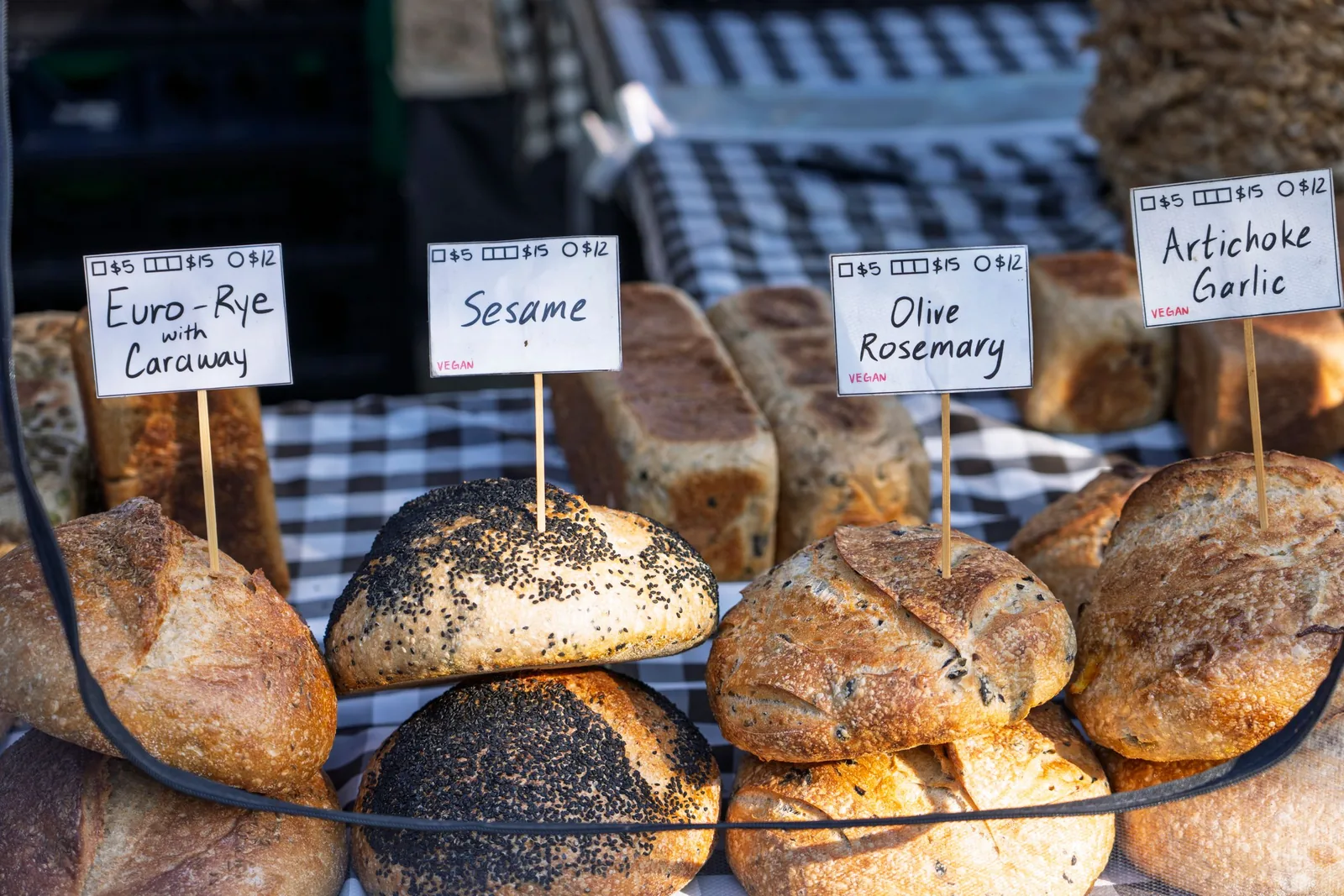
Bakery bread often comes without a full ingredient label, so ask. Three questions cover most of it:
- What flours are in the bread and the starter? A gluten-free dough built on a wheat or rye starter isn’t gluten-free.
- Is it made in a dedicated gluten-free kitchen? If wheat flour is in the air and on the benches, cross-contact is likely.
- Is it labeled or certified gluten-free? “Naturally leavened,” “long-fermented” and “ancient grain” all describe how bread is made, not whether it’s safe for celiac disease.
Where Hour 20 stands
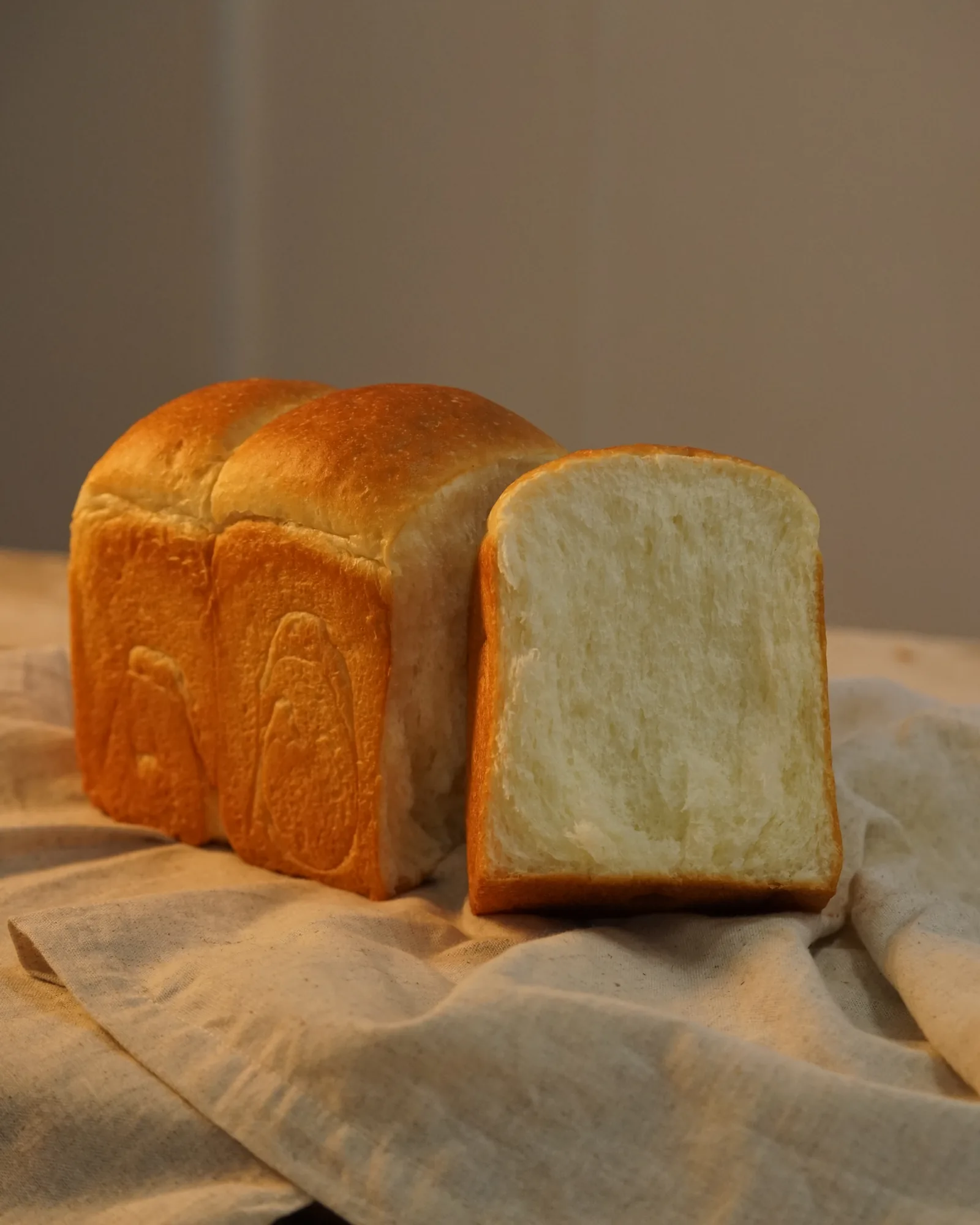
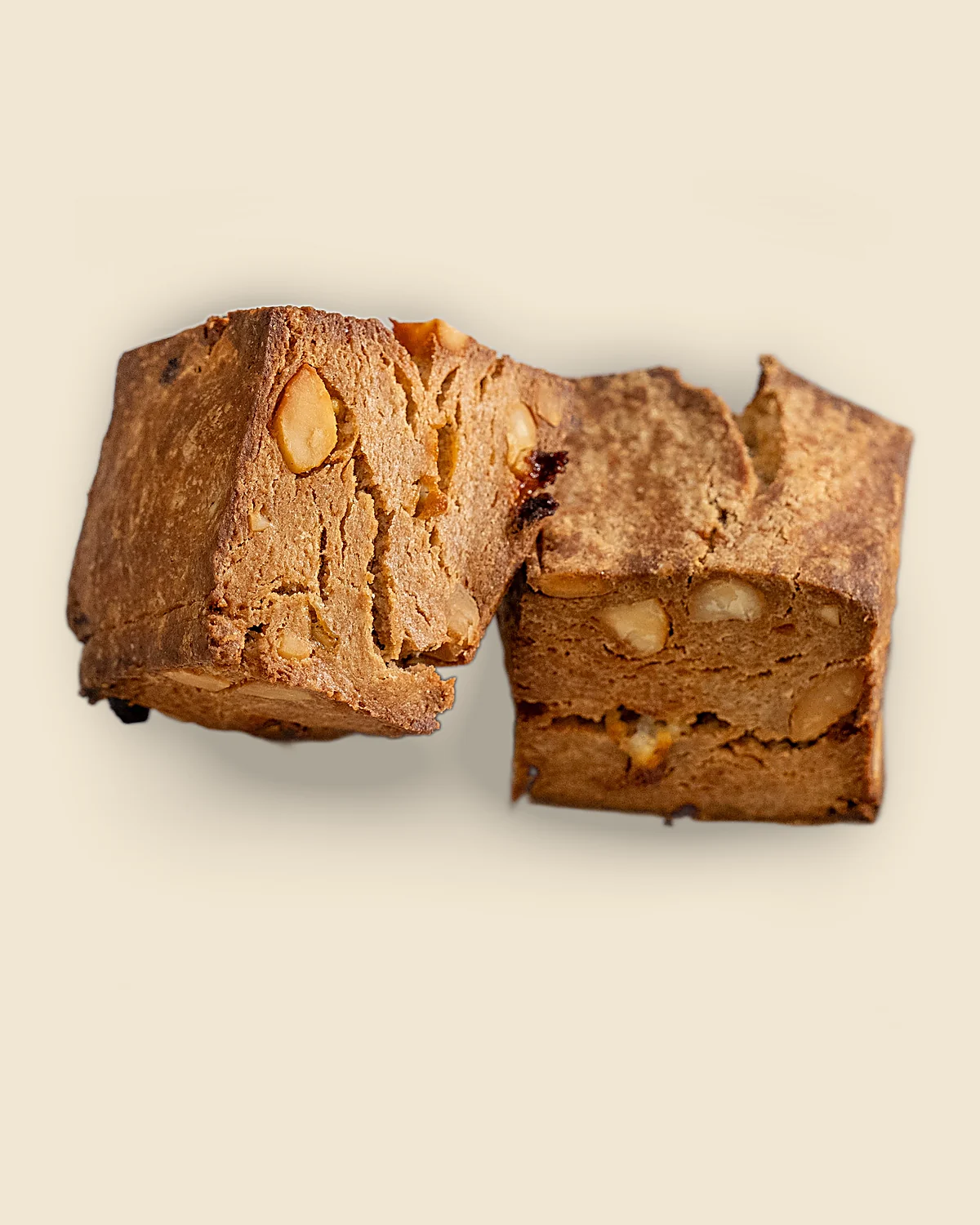
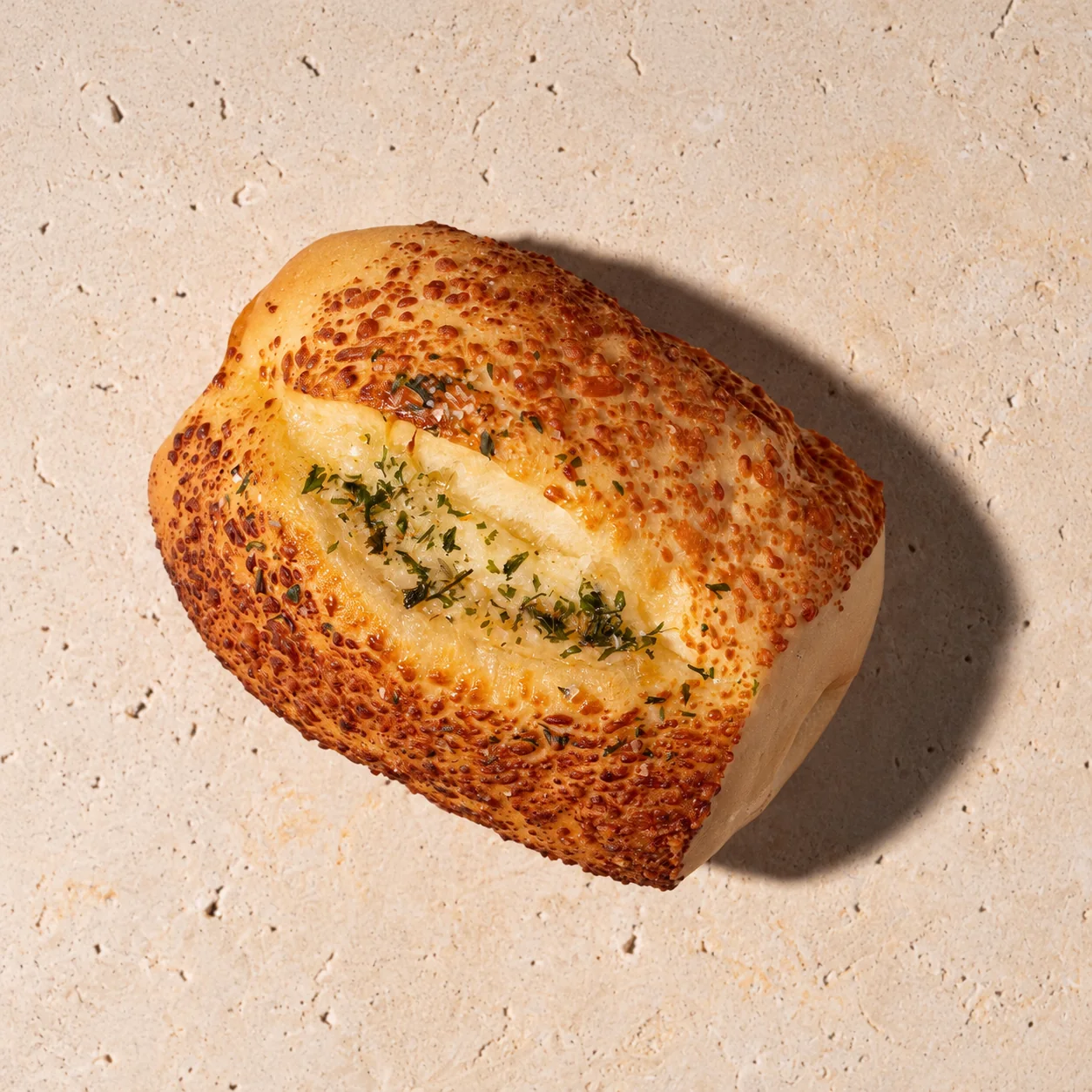
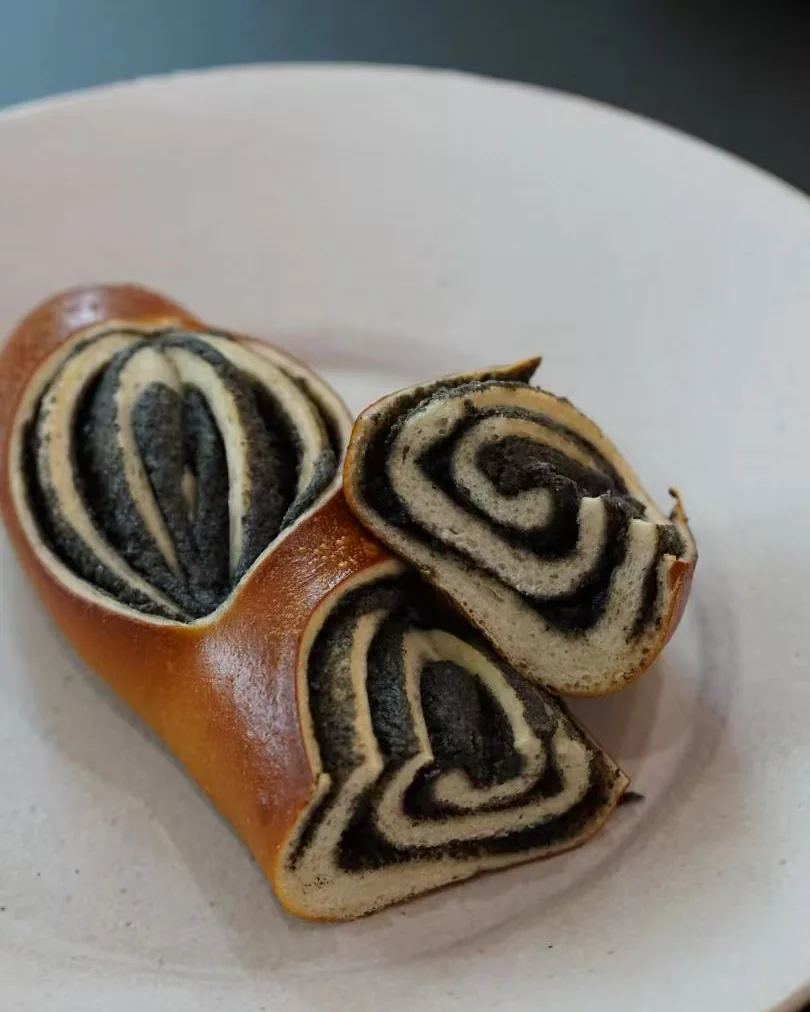
We’d rather lose a sale than make someone sick, so we’ll be direct. All Hour 20 breads contain wheat and gluten. That includes our Classic Country Sourdough, Harvest Multigrain, Golden Cinnamon Raisin, Jalapeño Cheddar, Double Chocolate, Seeded Sandwich Loaf and Hokkaido Milk Bread. Our kitchen also handles wheat, dairy, egg, tree nuts and sesame.
We’re proud of our long, slow fermentation and what it does for flavor and texture. It does not make our bread gluten-free, and we’d never suggest otherwise. If you’re avoiding gluten for medical reasons, please choose a bread that is certified or clearly labeled gluten-free and made in a facility you trust.
Questions
Does a longer fermentation make sourdough gluten-free?
No. Even a long ferment only breaks down part of the gluten in wheat flour. A wheat sourdough fermented for a day or more still contains gluten.
Is spelt or einkorn sourdough gluten-free?
No. Spelt, einkorn, farro and semolina are all types of wheat, and the Celiac Disease Foundation lists them as gluten-containing.
Can I eat sourdough if I'm gluten intolerant but don't have celiac disease?
Some people say they feel better with sourdough, but the research is mixed and no wheat sourdough is gluten-free. Talk with your doctor before relying on it, ideally before cutting out gluten, since a gluten-free diet can affect celiac test results.
What does "gluten-free" mean on a U.S. food label?
Under FDA rules, a food labeled gluten-free must contain less than 20 parts per million of gluten.
Does Hour 20 Bakery make gluten-free bread?
No. Every Hour 20 bread contains wheat, and our kitchen also handles wheat, dairy, egg, tree nuts and sesame.