What Is Japanese Milk Bread (Shokupan)?
In short
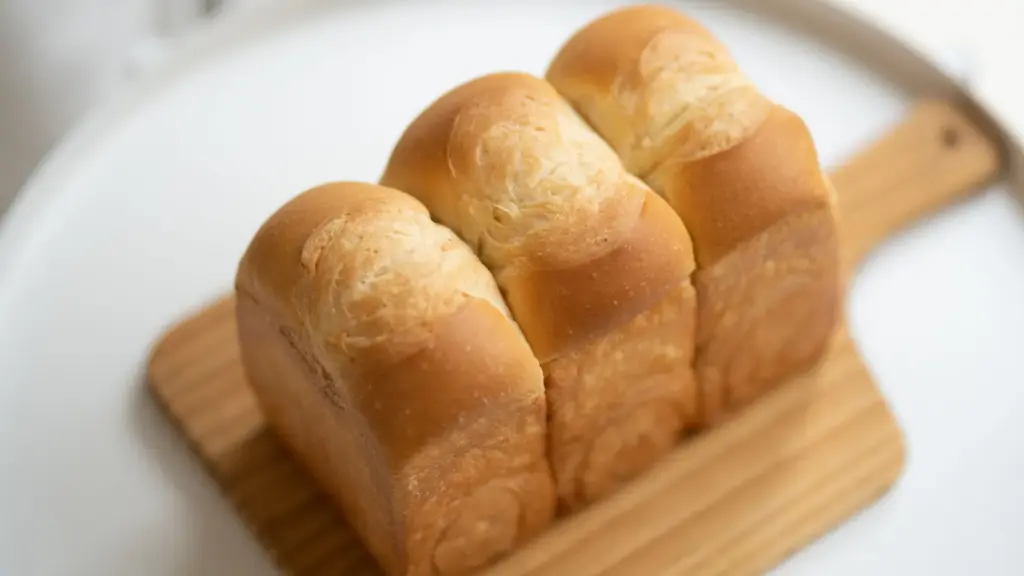
Japanese milk bread, or shokupan, is a soft, lightly sweet yeasted white loaf enriched with milk and butter. Many recipes add a pre-cooked flour paste (tangzhong or yudane) that holds extra moisture, giving its famously fluffy, pull-apart crumb.
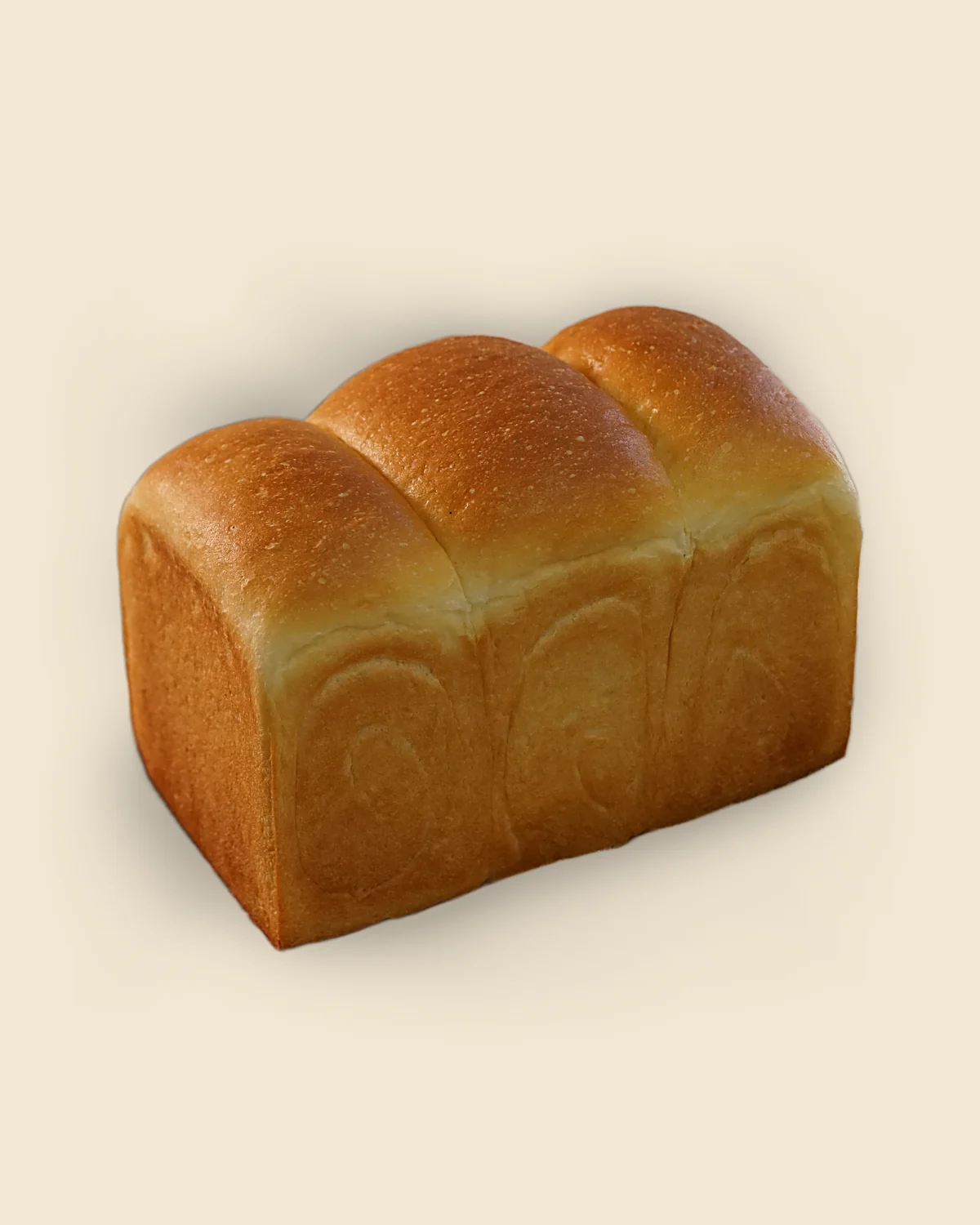
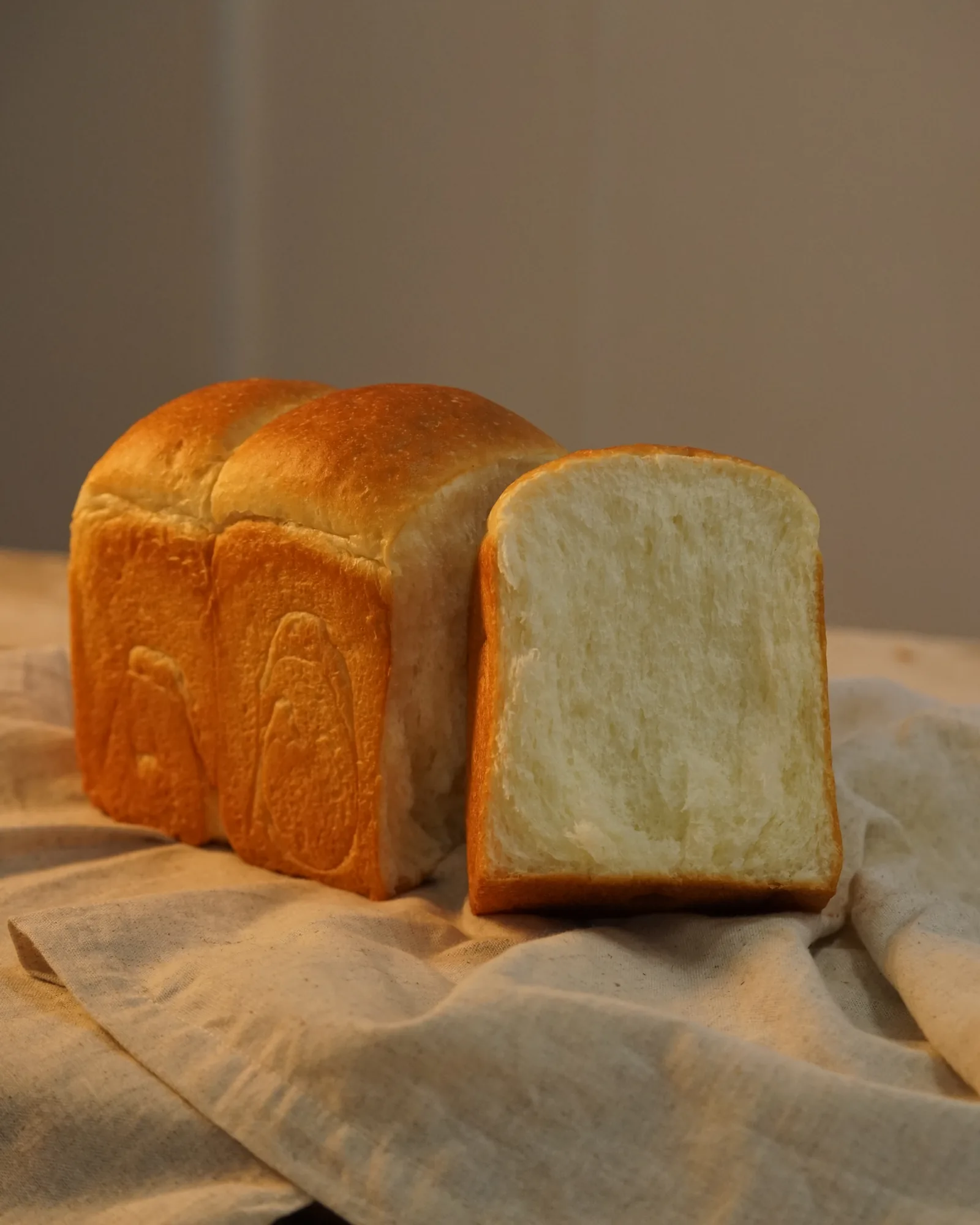
Japanese milk bread, called shokupan in Japan, is a soft, slightly sweet white loaf enriched with milk, butter and sugar. It bakes up tall and square-shouldered, with a thin golden crust and a crumb so fine and springy that it pulls apart in feathery strands. If you have had a thick slice of toast at a Japanese café or a fruit sandwich from a convenience store in Tokyo, you have had shokupan.
What is shokupan, exactly?
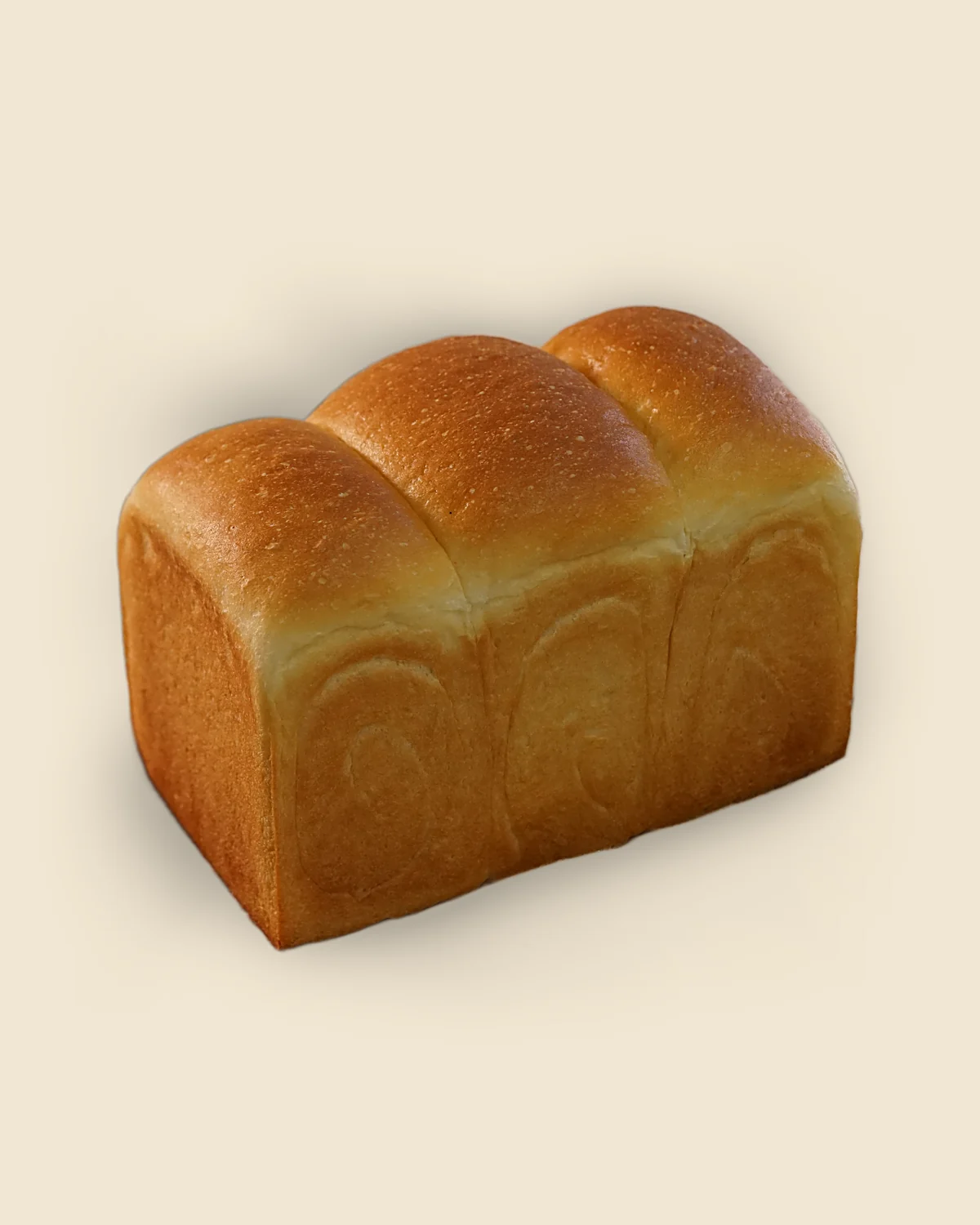
Shokupan simply means “eating bread” or “table bread” in Japanese. It is the everyday sandwich and toast loaf of Japan, usually baked in a rectangular pan, sometimes with a lid for a perfectly square slice, sometimes open so the top domes into rounded humps.
A few things set it apart from other white breads:
- Dairy in the dough. Milk replaces some or all of the water, and many recipes add cream, butter or condensed milk for a rounder, sweeter flavor.
- Fine, high-protein flour. A strong bread flour builds the gluten that lets the loaf rise tall while staying tender.
- A pre-cooked flour paste in many recipes (more on that below), which helps the dough hold extra moisture.
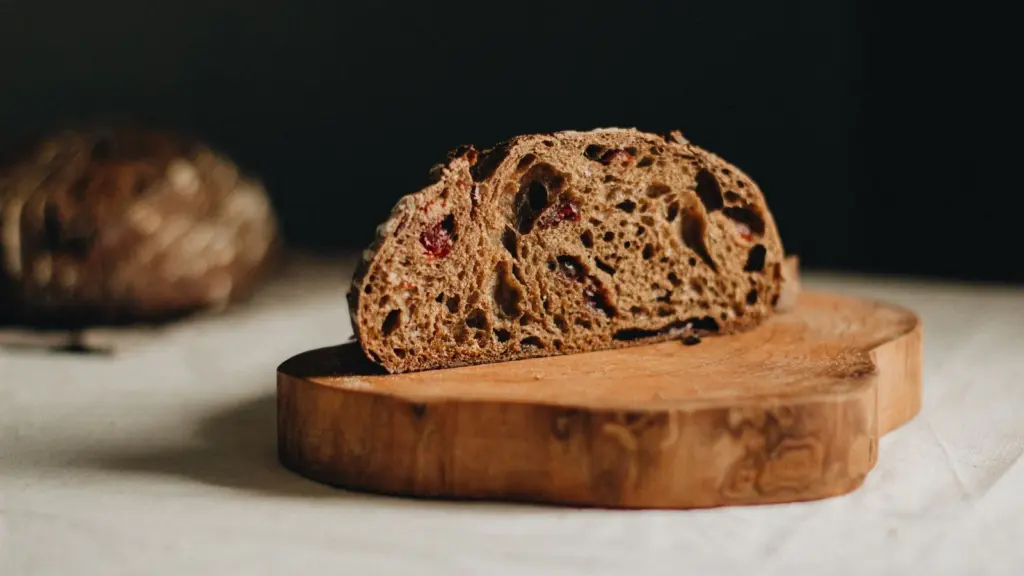
- Commercial yeast, not sourdough. Classic shokupan is a yeasted bread. The flavor is clean and milky rather than tangy.
Is Hokkaido milk bread the same as Japanese milk bread?
Mostly, yes. “Hokkaido milk bread” is a name you will see in Asian bakeries across the U.S., and it nods to Hokkaido, Japan’s northern island and best-known dairy region. In practice it describes the same family of soft, milk-enriched loaves. Some bakeries use the name for an especially rich version with cream or extra milk, but there is no single official recipe behind either name.
Our own Hokkaido Milk Bread is a good example of the style: Japanese premium patent bread flour, organic milk, heavy cream, egg whites, sugar, sweetened condensed milk, cultured butter, sea salt and yeast. We use a fine, low-ash Japanese flour for a snow-white crumb and a clean, pure milk flavor, and give the dough a long, cool overnight rise for a little depth beyond the milkiness. It contains wheat, milk and eggs.
What are the tangzhong and yudane methods?
Both are ways of pre-cooking a small portion of the recipe’s flour with hot liquid before mixing the dough. Heat gelatinizes the starch: the granules swell and absorb water, turning the mixture into a thick, translucent paste. That paste is then worked into the rest of the dough.
| Tangzhong (water roux) | Yudane | |
|---|---|---|
| Where it’s associated | Popularized across Asia by Taiwanese cookbook author Yvonne Chen | Japan |
| How it’s made | Flour and water or milk cooked on the stove, stirring, until it thickens (about 149–150°F / 65°C) | Boiling water poured over flour and stirred, then cooled |
| Typical flour : liquid ratio | About 1 : 5 by weight (some bakers use 1 : 4) | About 1 : 1 by weight |
| Rest before use | Use once cool | Often rested several hours or overnight in the fridge |
Ratios and temperatures above follow King Arthur Baking and The Perfect Loaf. Both sources note that the goal of each method is the same, and The Perfect Loaf’s author reports he hasn’t seen dramatic differences between them. Plenty of good milk breads use neither and rely on dairy, fat and careful fermentation instead.
Why is Japanese milk bread so soft?
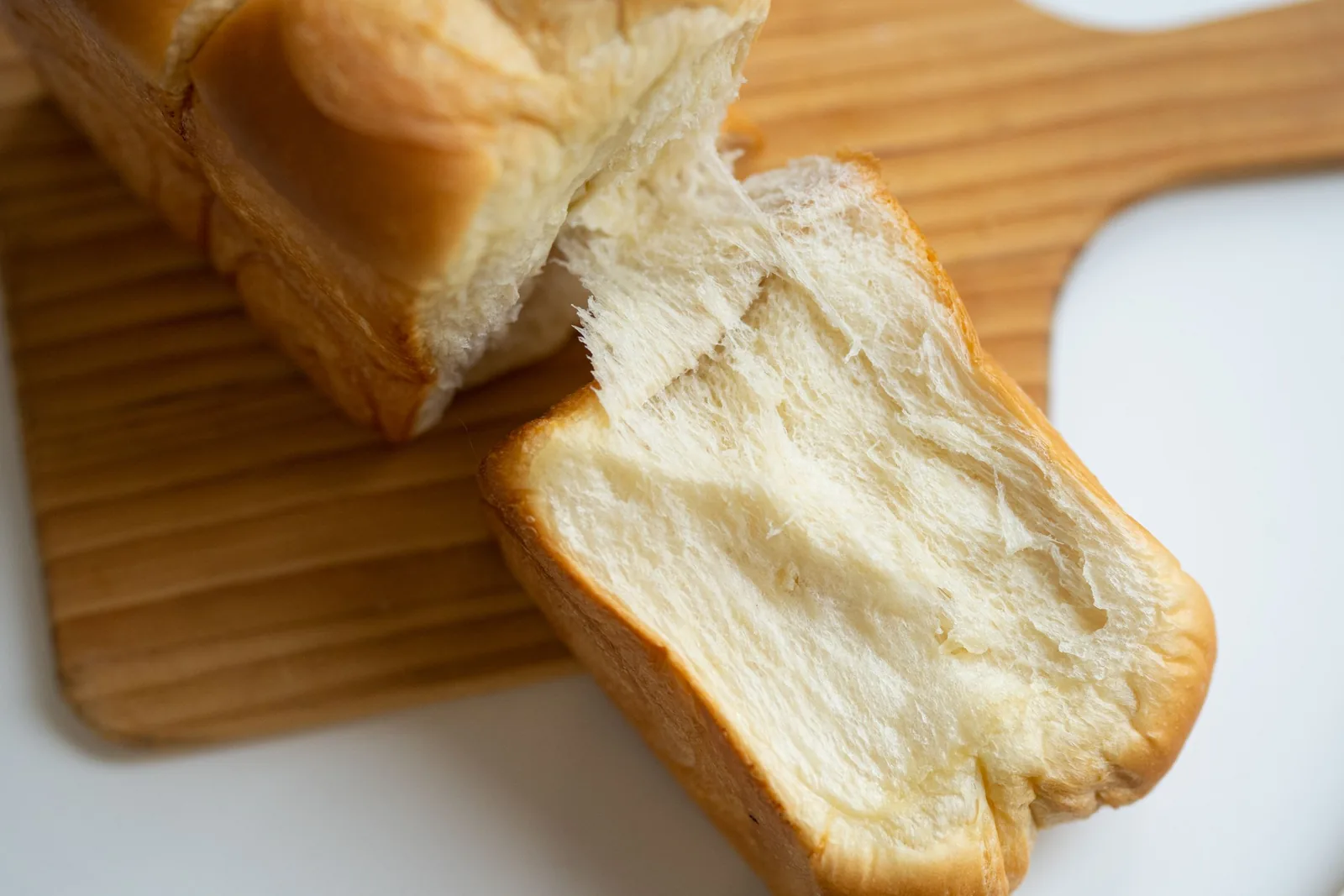
Softness comes from several things working together:
- Extra water held in the crumb. Pre-gelatinized starch can absorb more liquid than raw flour, so a tangzhong or yudane dough carries more moisture without turning into a sticky mess. King Arthur Baking’s side-by-side test found rolls made with tangzhong stayed soft for several days, while the plain version dried out faster.
- Fat and sugar. Butter, cream and sugar tenderize gluten and slow the drying and firming that make bread stale.
- Milk proteins and lactose, which add tenderness and help the thin crust brown to a deep gold.
- A well-developed dough. Long kneading builds a stretchy gluten network that traps gas in tiny, even cells. That is what makes the crumb pull apart in strands instead of crumbling.
- A pan bake. Baking in a tin, often lidded, keeps the crust thin and soft rather than thick and crackly.
How is milk bread different from brioche and American white bread?
All three are soft, enriched pan breads, so they get confused. The differences are in what goes into the dough and how they eat.
| Japanese milk bread (shokupan) | Brioche | American white sandwich bread | |
|---|---|---|---|
| Main enrichment | Milk, often cream or butter; modest egg (if any) | Lots of butter and whole eggs | Varies; often oil or shortening, some sugar and dry milk |
| Crumb | Fine, white, springy; tears into strands | Yellow, rich, cake-like, more delicate | Soft, even, often a bit cottony |
| Flavor | Clean, milky, lightly sweet | Buttery, eggy | Mild, sometimes sweet |
| Crust | Thin, soft, golden | Thin, shiny, deep brown from egg wash | Thin, soft |
| Best for | Thick toast, sandos, eating plain | French toast, burger buns, pastries | Everyday sandwiches |
| Leavening | Yeast | Yeast | Yeast |
Store-bought American sandwich loaves also commonly contain dough conditioners and preservatives to stay soft on the shelf for a week or more. A bakery milk bread gets its softness from the recipe instead, which is why it is best within a few days or frozen.
What is the best way to eat Japanese milk bread?
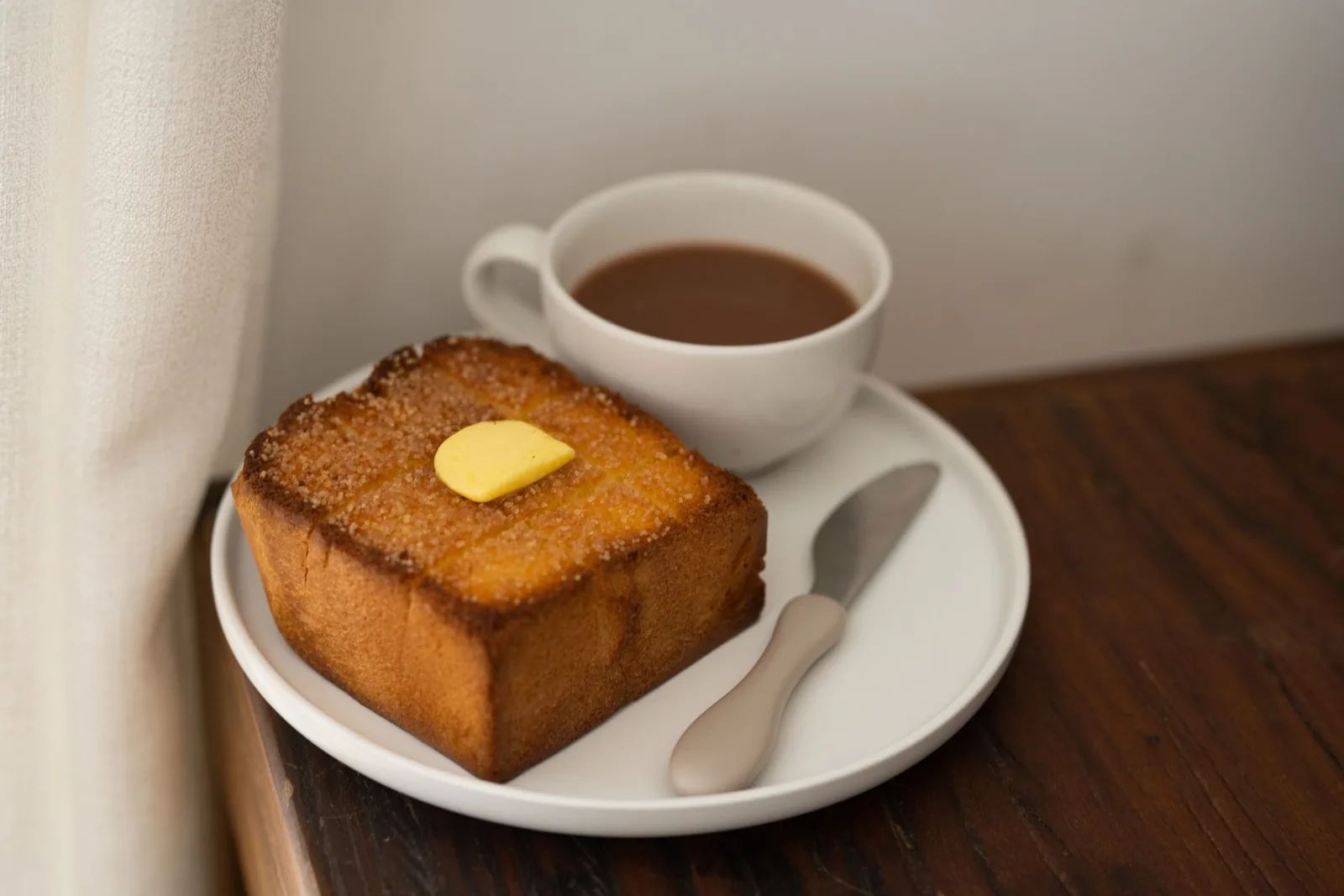
Thick toast
In Japan, shokupan is often cut into slices an inch or more thick. Toast lightly so the outside crisps and the inside stays steamy and soft, then add butter, honey, jam or a sprinkle of sugar. Watch it closely: the milk and sugar brown fast.
Fruit sando
Soft white bread, lightly sweetened whipped cream, and whole strawberries, kiwi or mango laid out so they show as a pattern when you slice the sandwich in half. Trim the crusts, wrap the sandwich snugly and chill it briefly so it slices cleanly.
Katsu sando
A crisp panko-fried pork or chicken cutlet with tonkatsu sauce and finely shredded cabbage between two slices. The soft bread compresses around the crunchy cutlet, which is the whole point.
Egg sando and everyday use
Egg salad made with Japanese mayonnaise is another classic. Milk bread is also great for French toast, grilled cheese, or simply torn and eaten plain with coffee.
How do you store Japanese milk bread?
Because a good milk bread relies on its recipe rather than preservatives, plan to eat it within a few days or freeze it.
- Counter: keep it in its bag at room temperature. Our care guide for the Hokkaido Milk Bread: once thawed, it keeps soft in its bag on the counter for 3–4 days.
- Skip the fridge. Refrigerator temperatures speed up the starch changes that make bread go firm and stale.
- Freezer: freeze what you won’t eat soon, ideally sliced, in an airtight bag. Thaw covered at room temperature and eat as is; the crumb is meant to be pillowy. Tear it, don’t saw it.
- Reheating: for slices, a light toast. For a whole loaf, 5–6 minutes at 325°F, loosely covered in foil.
Most of our freezing and thawing advice for sourdough applies here too; the main difference is the gentler oven, since milk bread browns quickly.
Questions
Does Japanese milk bread contain eggs?
It depends on the recipe. Many shokupan recipes use no egg at all, while others add a little whole egg or egg white. Our Hokkaido Milk Bread contains egg whites, along with wheat and milk.
Is shokupan a sourdough bread?
No. Traditional shokupan is leavened with commercial yeast, which is why it tastes milky and clean rather than tangy.
Can I make milk bread without tangzhong?
Yes. Tangzhong and yudane help the crumb hold extra moisture, but plenty of soft milk breads rely on milk, butter, sugar and good dough development instead.
Why does milk bread brown so quickly when toasted?
Milk sugars and added sugar caramelize at lower temperatures than a lean dough does. Use a lighter toaster setting and keep an eye on it.
Is milk bread healthier than regular white bread?
Not really. It is a refined-flour bread enriched with dairy, fat and sugar, so think of it as an everyday treat rather than a health food.
Sources
Bake it home