Scones vs Biscuits: What’s the Difference (and How to Store and Reheat Scones)
In short
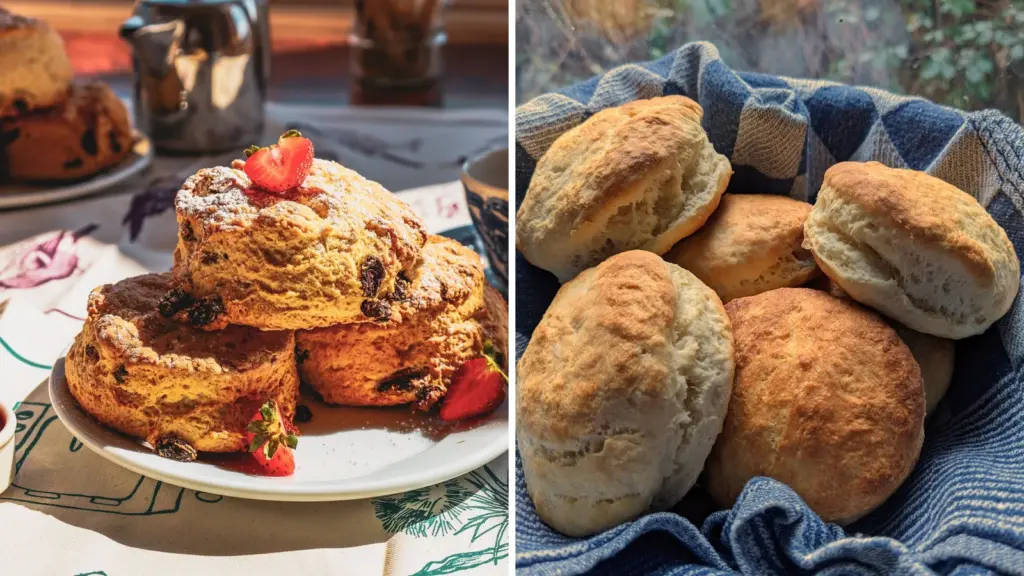
Scones usually contain eggs, a little sugar and cream, giving a tender, slightly sweet crumb. American biscuits skip the eggs and sugar and use more solid fat, so they bake up tall, flaky and savory. In Britain, a biscuit is a cookie.
Scones and biscuits start from almost the same short list: flour, a chemical leavener, cold fat and a liquid. Change a few of those ingredients and the ratios, and you get two different things. One is a slightly sweet, tender bake made for tea and jam. The other is a tall, flaky, savory bread made for butter or gravy. And if you’re in Britain, “biscuit” means something else entirely.
What is the difference between scones and biscuits?
The short answer is eggs, sugar and the balance of fat to liquid. Both are quick breads, raised by baking powder or baking soda instead of yeast. King Arthur Baking notes that biscuits use most of the same ingredients as scones, “with the exception of eggs,” and that biscuits usually have a higher proportion of fat and less liquid (King Arthur Baking).
- Eggs: common in scones, usually absent from biscuits. Eggs make a scone richer and a little more cake-like.
- Sugar: scones are lightly sweetened; American biscuits are generally not sweet at all.
- Fat: biscuits always use a solid fat (butter, shortening or lard), often left in larger pieces so the layers puff apart. King Arthur points out that a scone can even be made with cream instead of butter.
- Liquid: scones often use cream or milk plus egg; biscuits typically use milk or buttermilk, and less of it.
So are scones and biscuits the same? Close cousins, not twins. King Arthur describes American biscuits as deriving from recipes brought over by European settlers (King Arthur Baking). Over time the two went separate ways.
How do scones and biscuits differ in texture and shape?
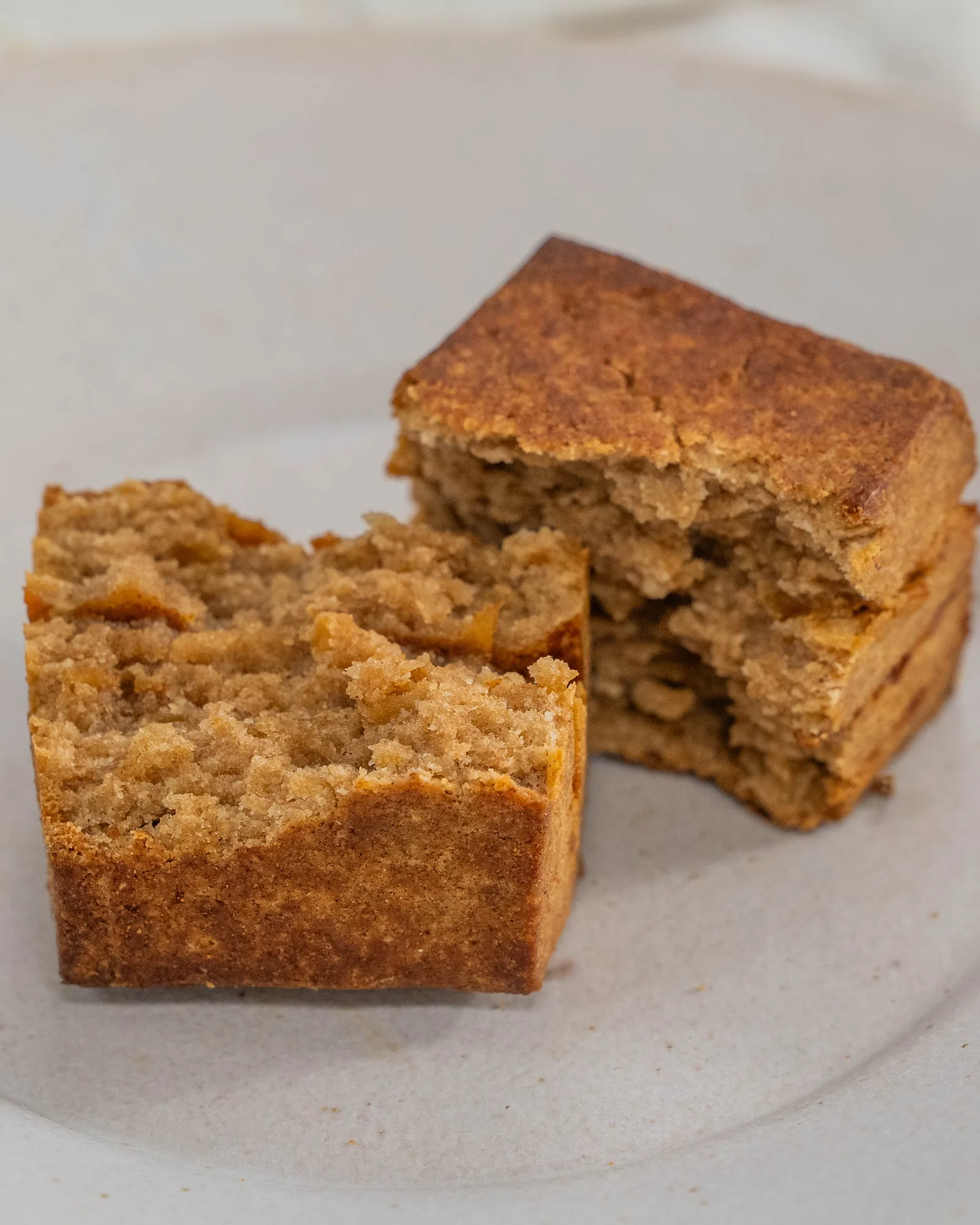
Biscuits bake up taller and flakier, with layers you can peel apart. That comes from more fat, less liquid and a gentle fold or two of the dough. Scones are more tender and fine-crumbed. British-style scones are plain, barely sweet and still a bit flaky. American-style scones are usually bigger, sweeter and crumblier, because the dough carries more liquid and is mixed more to hold fruit, nuts or chocolate.
Shape follows tradition more than rules. Biscuits are usually stamped into rounds or dropped from a spoon; Merriam-Webster defines the American biscuit as a small quick bread made from dough “rolled out and cut or dropped from a spoon” (Merriam-Webster). British scones are often cut into rounds, while American scones are typically wedges cut from a disk.
How are scones and biscuits served?
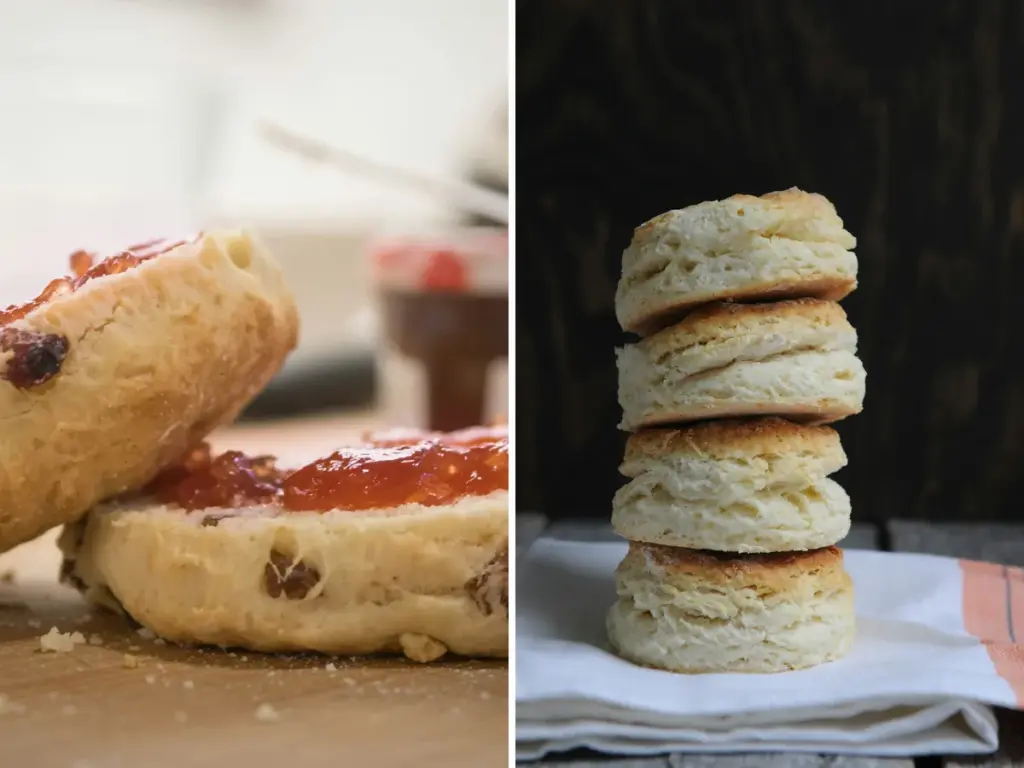
Scones belong to the tea table. Britannica notes that scones became part of the ritual of “taking tea” and are still served hot and buttered across Britain (Encyclopaedia Britannica). The classic British spread is jam and clotted cream; American scones often come glazed or studded with fruit and eaten on their own with coffee.
Biscuits lean savory. Think a split biscuit with butter and honey, a breakfast sandwich with egg and sausage, or biscuits and gravy, the classic American breakfast of biscuits under a peppery sausage gravy. You could put jam on a biscuit, but you wouldn’t pour gravy over a scone.

Is a British biscuit the same as an American biscuit?
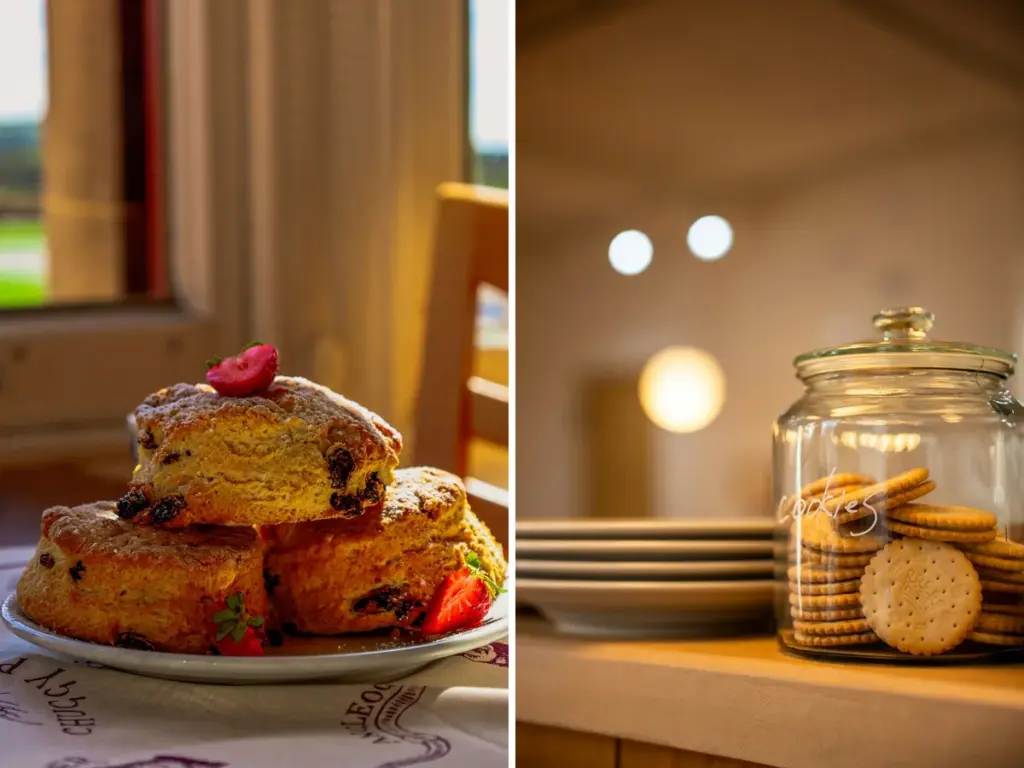
No. In British English, a biscuit is what Americans call a cookie, and Merriam-Webster lists “cookie” as the British meaning of the word (Merriam-Webster). The word itself comes from the French for “twice-cooked bread.” In the US it came to mean a soft bread leavened with baking soda or baking powder instead of yeast. So when a British recipe says “biscuit,” think shortbread or a digestive, not a fluffy breakfast bread. The closest British relative of the American biscuit is a plain scone.
| Scone | American biscuit | British biscuit | |
|---|---|---|---|
| What it is | Lightly sweet quick bread | Savory quick bread | Cookie or cracker |
| Leavening | Baking powder or soda | Baking powder or soda | Varies; baked crisp |
| Eggs | Usually | Usually none | Varies by recipe |
| Sugar | A little (more in American style) | Little or none | Usually sweet |
| Fat and liquid | Butter and cream or milk | More solid fat, less liquid (milk or buttermilk) | Butter or other fat, low moisture |
| Texture | Tender, fine crumb | Tall, flaky layers | Crisp or crunchy |
| Shape | Wedges or rounds | Rounds or drop biscuits | Thin flat rounds or bars |
| Served with | Jam and cream, tea or coffee | Butter, honey, gravy, eggs | Tea, for dunking |
Where do scones come from?
Encyclopaedia Britannica describes the scone as a quick bread of British origin. Traditionally the dough was rolled into a round, cut into quarters and baked on a griddle, and the first scones were baked in cast-iron pans over the kitchen fire (Encyclopaedia Britannica). Britannica adds that scones made with baking powder dough are cut into rounds, wedges or diamonds and baked in an oven. Today’s scones range from plain British rounds to big, mix-in-heavy American wedges, and bakers keep adapting them. Ours, for example, use a sourdough starter.
How do you store scones?
Scones are at their best the day they’re baked. After that, the main question is the counter, the fridge or the freezer.
- Room temperature, for the next couple of days: let them cool completely, then keep them in an airtight container or tin so they don’t dry out.
- Skip the fridge: cold temperatures make baked goods go stale faster. America’s Test Kitchen calls refrigeration “the fastest way to ruin” breads, cakes and muffins (America’s Test Kitchen). Scones with a perishable filling, like cream or cream cheese, are the exception and do need to be chilled.
- Freeze for longer: wrap each scone well and freeze. Freezing at 0°F keeps food safe indefinitely; the time limits you see are about quality, not safety (USDA FSIS). Freeze scones while they’re fresh, not once they’re already stale.
The same rules work for bread in general, and we go deeper in how to keep bread fresh. If you’re wondering whether frozen still tastes as good, see is frozen bread as good as fresh.
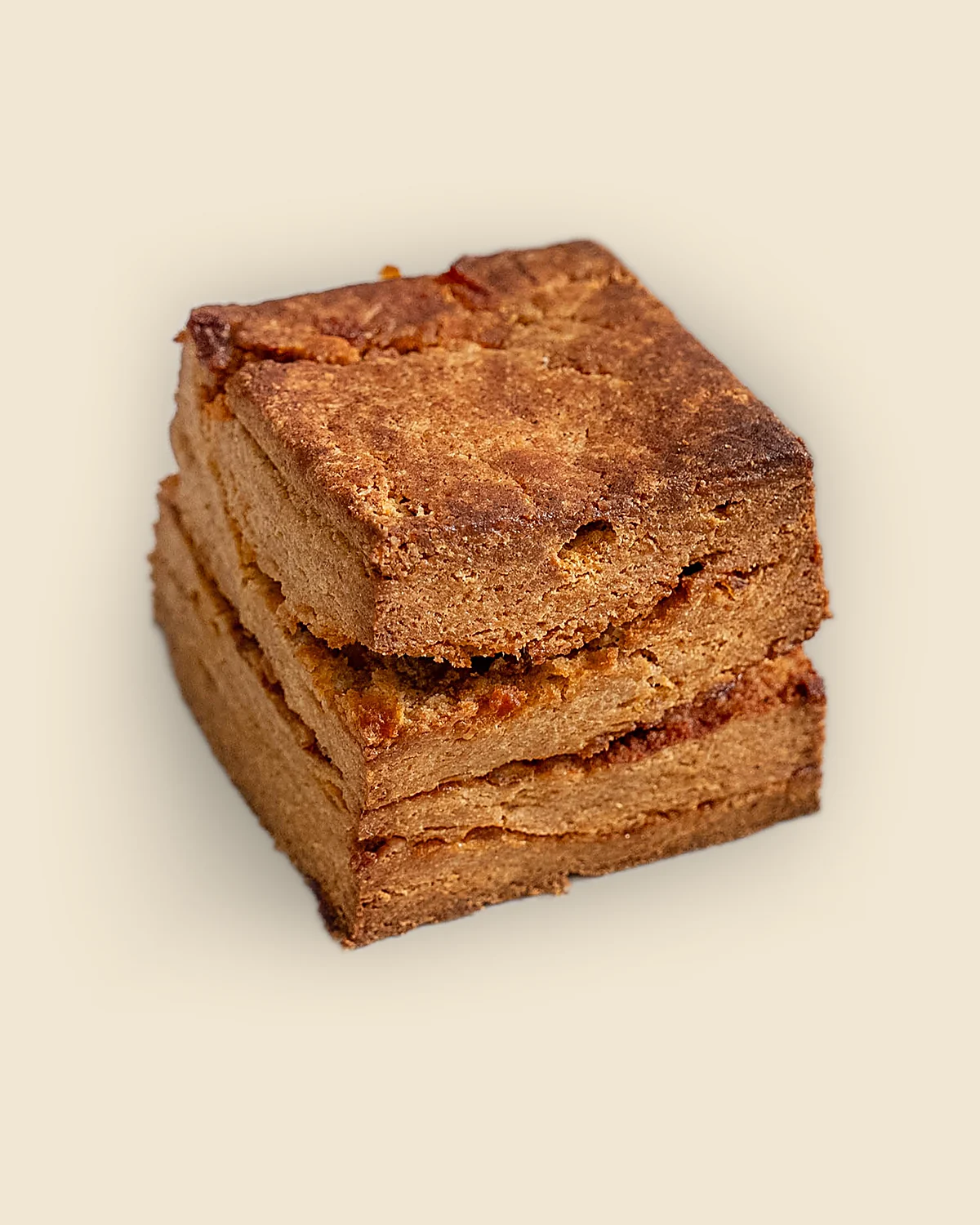
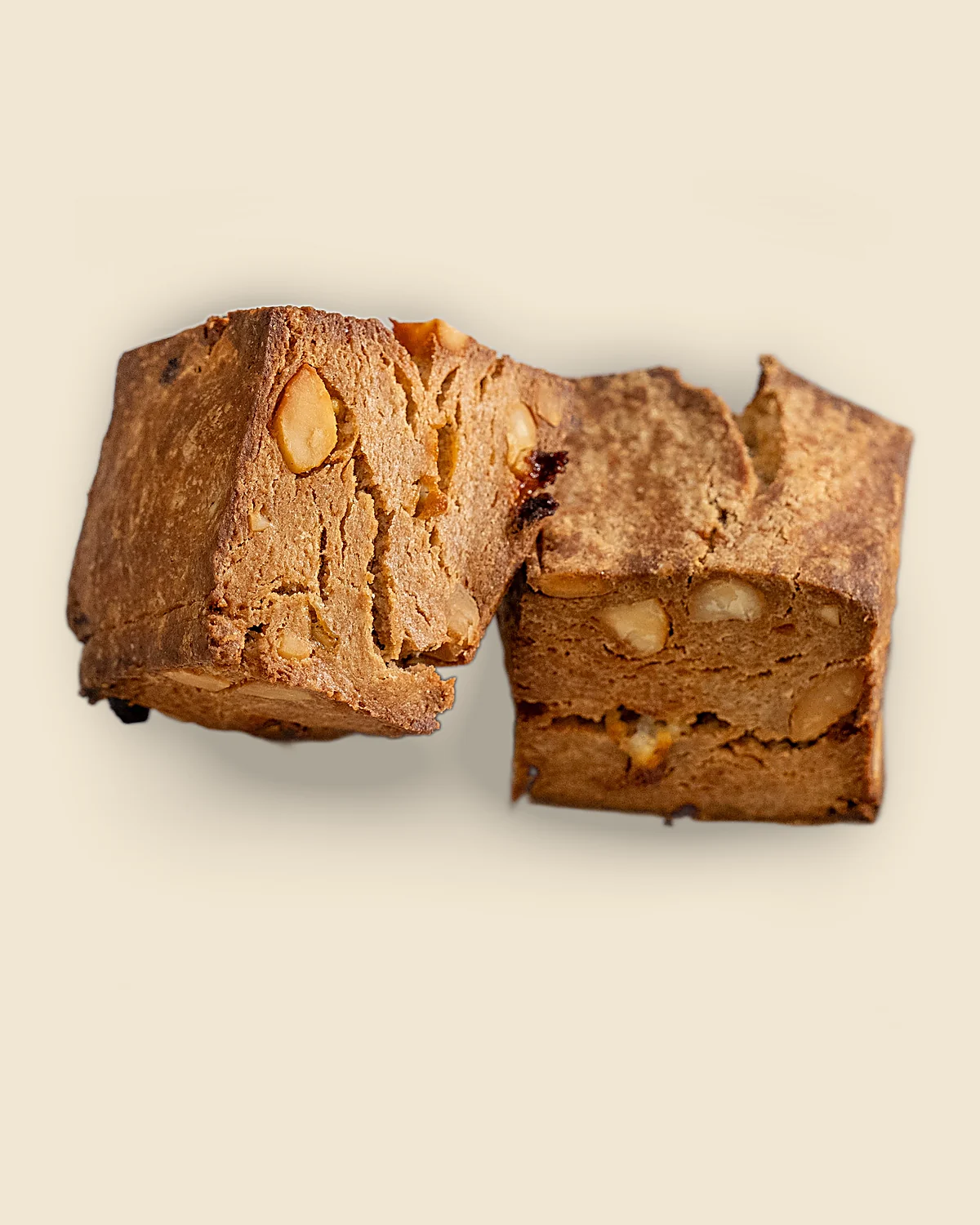
For our own scones, the Sourdough White Chocolate Macadamia Scone and the Sourdough Apple Cinnamon Scone, our care guide is simple: keep them frozen until you want them. Once thawed, they hold 2–3 days in an airtight tin. They’re made with spelt and cake flour, sourdough starter, cultured butter, heavy cream, whole eggs and a little sugar, so they’re true scones by the definition above.
How do you reheat scones?
A few minutes of dry heat brings back a crisp outside and a soft middle. Here’s how the common methods compare:
- Oven or toaster oven (best): put scones on a baking sheet in a moderate oven until warmed through. The outside re-crisps and the crumb softens again.
- From frozen: no need to thaw first. For our scones, the care guide says 6–8 minutes at 350°F straight from frozen; the outside re-crisps while the center stays tender. A thawed scone needs less time, so check it early.
- Microwave (only if you must): it warms the center but leaves the outside soft, and a scone left in too long turns tough. Our guide says 20 seconds, then a hot pan to bring the crust back.
- Split first if you like: halve a scone horizontally and toast the cut sides for a crisp face that takes butter or jam well.
Serve them warm. Our guide puts it this way: split horizontally and let the filling do the talking. Leftover biscuits work the same way in the oven, and like scones, they’re best eaten warm.
Questions
Can you use biscuit dough to make scones?
Not quite as is. Add an egg, a little sugar and some cream to a biscuit dough and you are most of the way to a scone, though the texture will be more tender and less flaky.
Why are my scones dry?
Usually too much flour, overbaking or overmixing. Once baked, storing them uncovered or in the fridge dries them out faster, so keep them airtight at room temperature or freeze them.
Can you freeze scones before baking?
Yes. Many bakers freeze shaped, unbaked scones and bake them straight from frozen, adding a few minutes to the bake time.
How long do scones last?
They are best the day they are baked and keep a couple of days in an airtight container. Our frozen scones hold 2–3 days in an airtight tin once thawed.
Is a scone a biscuit in the UK?
No. In the UK a biscuit is a cookie. A plain British scone is the closest thing to an American biscuit, but it is usually richer and a little sweeter.
Sources
Bake it home
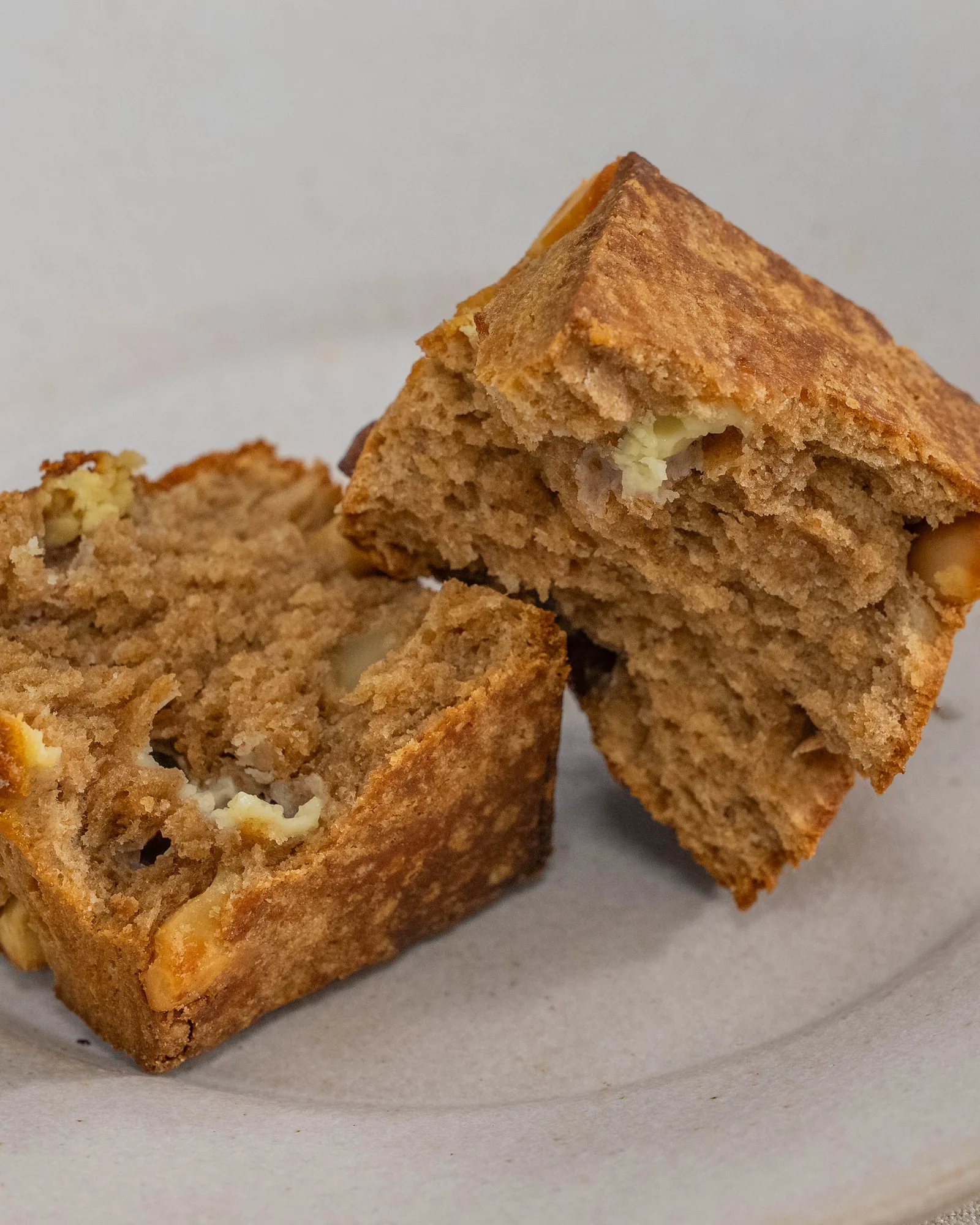
Sourdough White Chocolate Macadamia Scone