What Is a Pretzel Bun? How It’s Made, vs. Brioche & More
In short
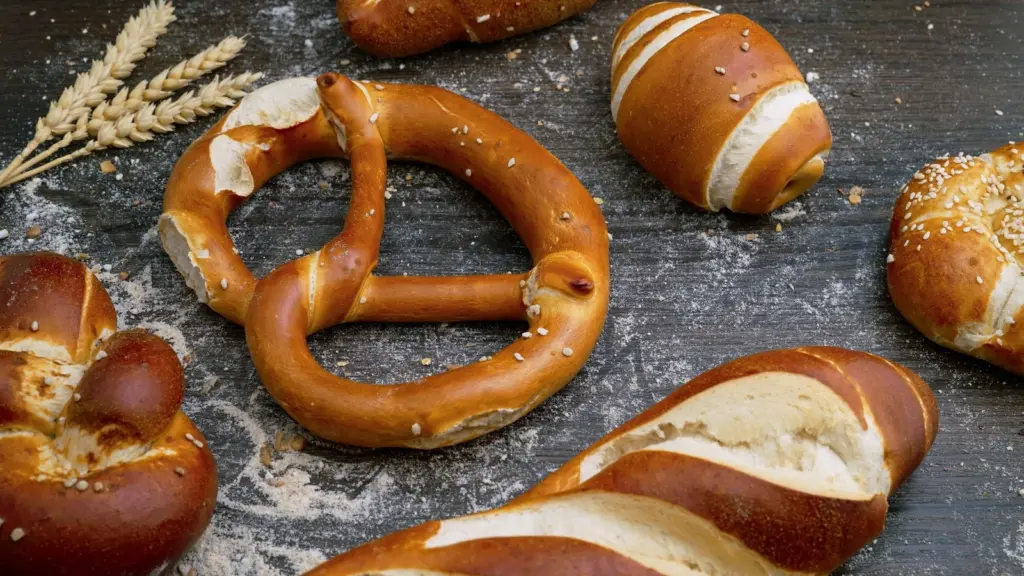
A pretzel bun (or pretzel roll) is a yeasted roll dipped in an alkaline bath, usually lye or baking soda, before baking. That dip speeds browning, giving a glossy dark crust, pretzel flavor and a dense, chewy crumb.
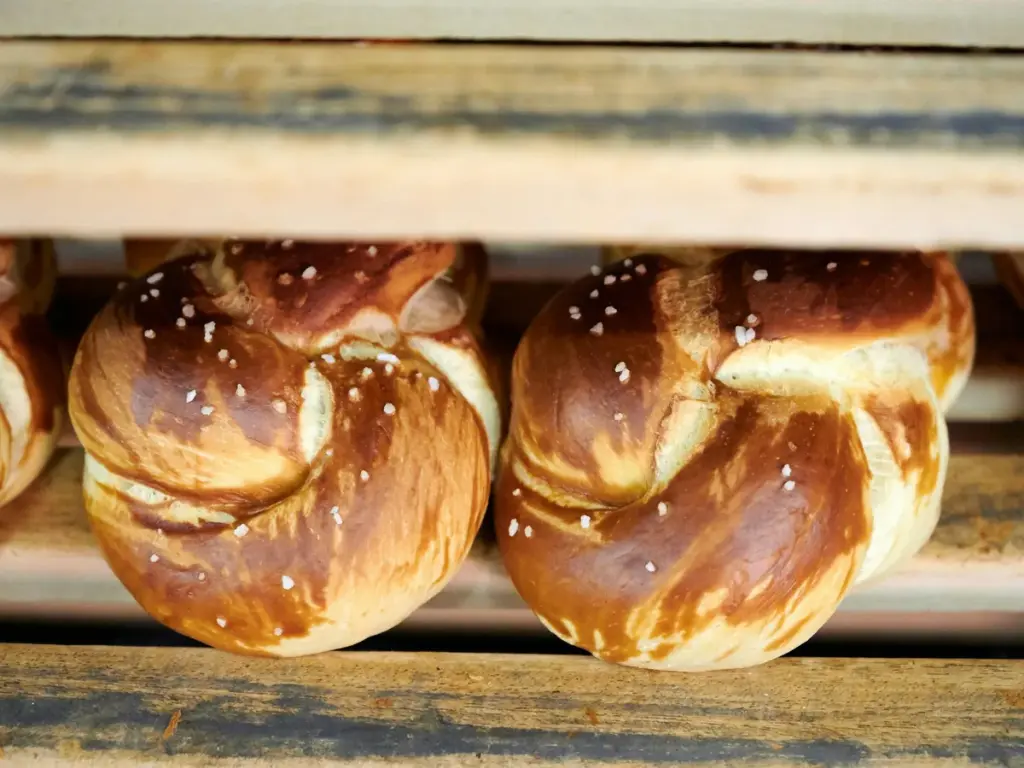
A pretzel bun looks like a regular sandwich roll that spent time somewhere darker: a glossy, mahogany crust, a scatter of coarse salt, and a chew you don’t get from a soft hamburger bun. Here’s what makes a pretzel bun different, how it compares to brioche, potato and other rolls, and how to fill, store and warm one.
What is a pretzel bun?
A pretzel bun is a yeasted bread roll made the way soft pretzels are made. The shaped dough gets a quick dip in an alkaline solution before it goes into the oven, which gives it the dark, shiny crust and the familiar pretzel flavor. Most are topped with coarse pretzel salt, though seeds and everything-bagel seasoning are common too.
“Pretzel bun” and “pretzel roll” mean the same thing in most bakeries and on most menus. People tend to say bun when it’s split for a burger or sandwich and roll when it’s served on its own or alongside a meal, but the dough and the method are the same. You’ll also see pretzel sliders, pretzel hot dog buns and pretzel knots, which are the same idea in different shapes.
Inside, a pretzel bun is closer to a dense, chewy dinner roll than to a fluffy burger bun. The crumb is fairly tight and holds up well to juicy fillings, which is a big part of why the buns became a burger and sandwich favorite.
Why are pretzel buns dark brown and chewy?
The color comes from the alkaline bath. In its guide to making pretzels with lye, America’s Test Kitchen explains that lye “boosts flavorful browning by accelerating Maillardization and by caramelizing sugars in the dough,” and that it “gels surface starch so that the pretzels bake up smooth and shiny.” The Maillard reaction is the same browning that colors a seared steak or toast, so speeding it up on the surface is what gives a pretzel its deep brown shell and toasty flavor.
Lye vs. baking soda
Traditional German pretzels are dipped in food-grade lye (sodium hydroxide). Many home and commercial recipes use a baking soda bath instead. King Arthur Baking’s guide to making pretzels at home calls baking soda “a much weaker alkali” that is “far less corrosive and safer to handle,” and notes that it gives a similar effect at lower intensity: the crust browns less deeply, stays a little softer and has less shine.
| Lye bath | Baking soda bath | |
|---|---|---|
| Strength | Very strong alkali | Much weaker alkali |
| Crust color | Deep mahogany | Golden to medium brown |
| Shine and snap | Glossy, with a thin chewy skin | Less shine, softer crust |
| Handling | Gloves and eye protection; caustic before baking | Easy to use in a home kitchen |
If you’re wondering about eating something dipped in lye: lye is caustic, and bakers handle it with gloves and eye protection. America’s Test Kitchen notes in its pretzel testing that the oven’s heat neutralizes the lye and makes the finished pretzel safe to eat. We cover that, along with sodium and nutrition, in Are Pretzels Healthy?.
The rest of the chew comes from the dough. Pretzel buns are typically made from a leaner dough than enriched buns like brioche, so the crumb bakes up firmer and springier rather than cottony.
How does a pretzel bun compare to brioche and other buns?
Every burger and sandwich bun makes a trade-off between softness and structure. Here’s how a pretzel bun stacks up against the other common choices:
| Bun | Crust | Crumb | Flavor | Best for |
|---|---|---|---|---|
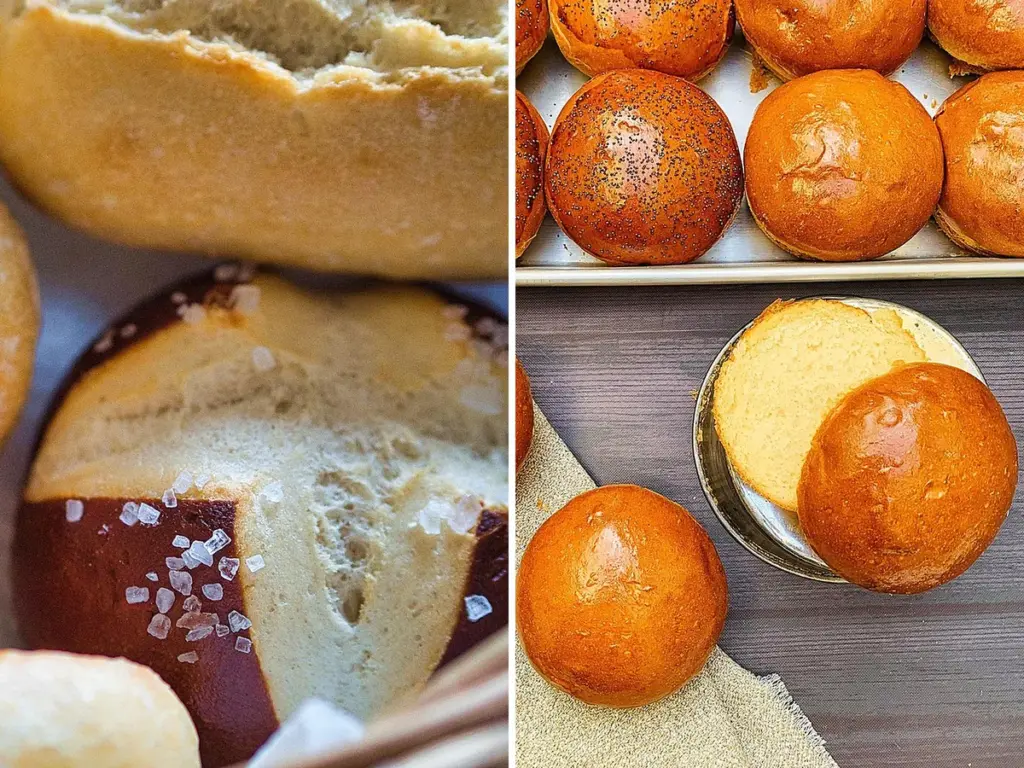
| Pretzel bun | Thin, glossy, dark brown, often salted | Dense, chewy, tight | Toasty, malty, a little salty | Burgers, bratwurst, deli sandwiches, beer-hall plates |
| Brioche bun | Soft, shiny, golden (egg wash) | Rich, tender, feathery | Buttery and lightly sweet | Smash burgers, fried chicken sandwiches, pulled pork |
| Potato bun | Soft, thin, pale gold | Very soft, moist, squishy | Mild, slightly sweet | Classic diner burgers, sliders, hot dogs |
| Sesame hamburger bun | Soft, topped with sesame seeds | Light, airy | Neutral, a little nutty | Everyday burgers and cookouts |
| Ciabatta roll | Crisp, floury, rustic | Open, holey, chewy | Wheaty, olive-oil lean | Pressed sandwiches, panini, cured meats |
The biggest difference is between pretzel and brioche. A brioche bun is enriched with eggs and butter, so it’s soft, sweet and squashes down around a burger. A pretzel bun is lean and chewy, with a firmer shell and a savory, salty edge. Brioche disappears into the sandwich; a pretzel bun is part of the flavor. If your filling is rich and saucy, a pretzel bun gives it more backbone. If you want a pillowy, kid-friendly bite, brioche or potato wins.
For more on how these breads are made and where they come from, see our guide to types of bread.
What do you put on a pretzel bun?
Pretzel buns like bold, savory fillings and anything that goes with mustard. A few combinations that work every time:
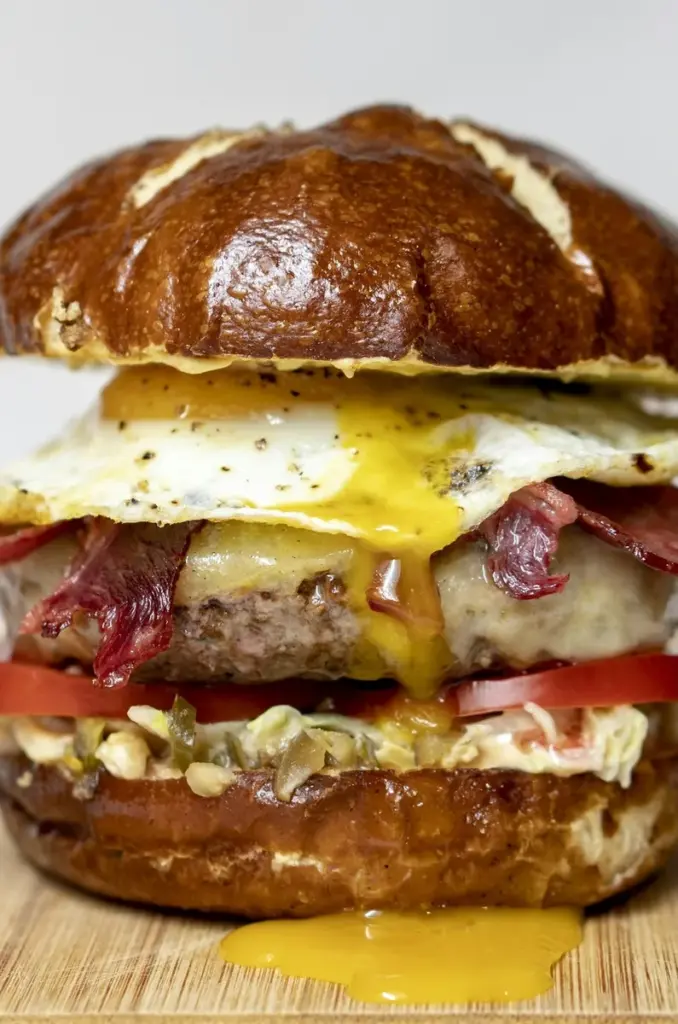
- Burgers. A pretzel bun holds up to a thick, juicy patty without going soggy. Cheddar, caramelized onions and a smear of grainy mustard are a natural fit.
- Bratwurst and sausages. The classic beer-garden pairing: a grilled brat, sauerkraut and spicy brown mustard on a long pretzel roll.
- Deli sandwiches. Ham and Swiss, roast beef with horseradish, or turkey and pepper jack. King Arthur Baking also suggests pretzel buns for everything from burgers and hot dogs to sliders, tuna salad and dinner rolls.
- Pulled pork or chicken. The salty crust balances a sweet barbecue sauce.
- On the side, for dipping. Tear a pretzel roll and dip it in beer cheese, warm queso or honey mustard.
One tip: split and lightly toast the cut side before building a sandwich. It firms up the crumb so sauces don’t soak straight through.
How do you store and warm pretzel buns?
Salt is the main thing to watch. King Arthur Baking notes that salt-topped pretzel buns are best eaten the day they’re baked, especially in humid weather, because the salt draws moisture, dissolves and makes the surface pucker. Seed-topped buns hold up a little better.
As a general rule for store-bought or homemade pretzel buns:
- Keep them in a bag or airtight container at room temperature and eat them within a day or two.
- To bring back the crust, warm them in a low to moderate oven for a few minutes rather than in the microwave, which makes the chew rubbery.
- If they’ve dried out, a light spritz of water before warming helps.
For our own pretzels, the official care guide is simple: store them in an airtight tin on the counter for up to a week. They’re fine at room temperature, or give them 3–4 minutes at 325°F if you want the shell snappy again.
What pretzel bakes does Hour 20 make?
We make two pretzels, and both are built a little differently from a standard burger bun.
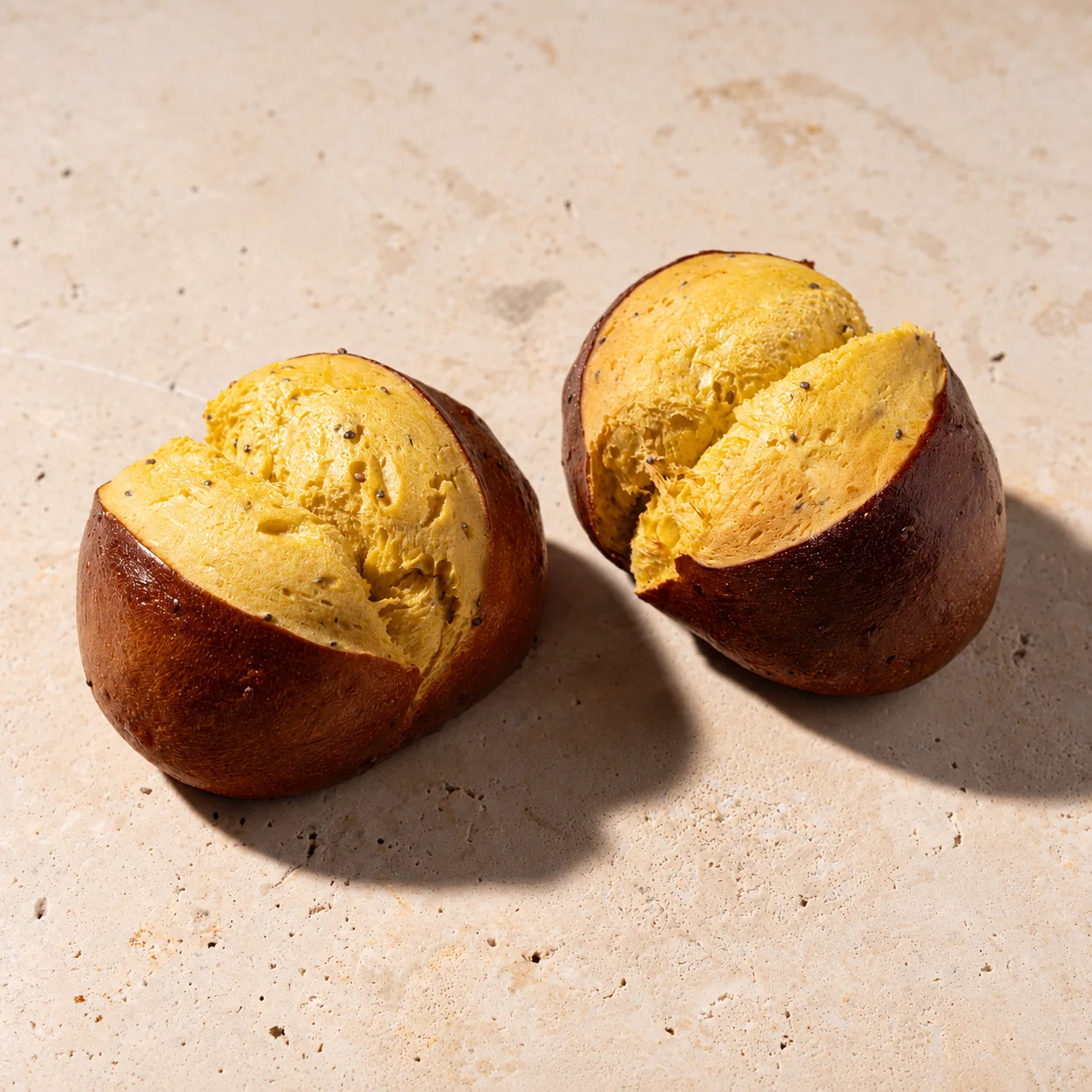
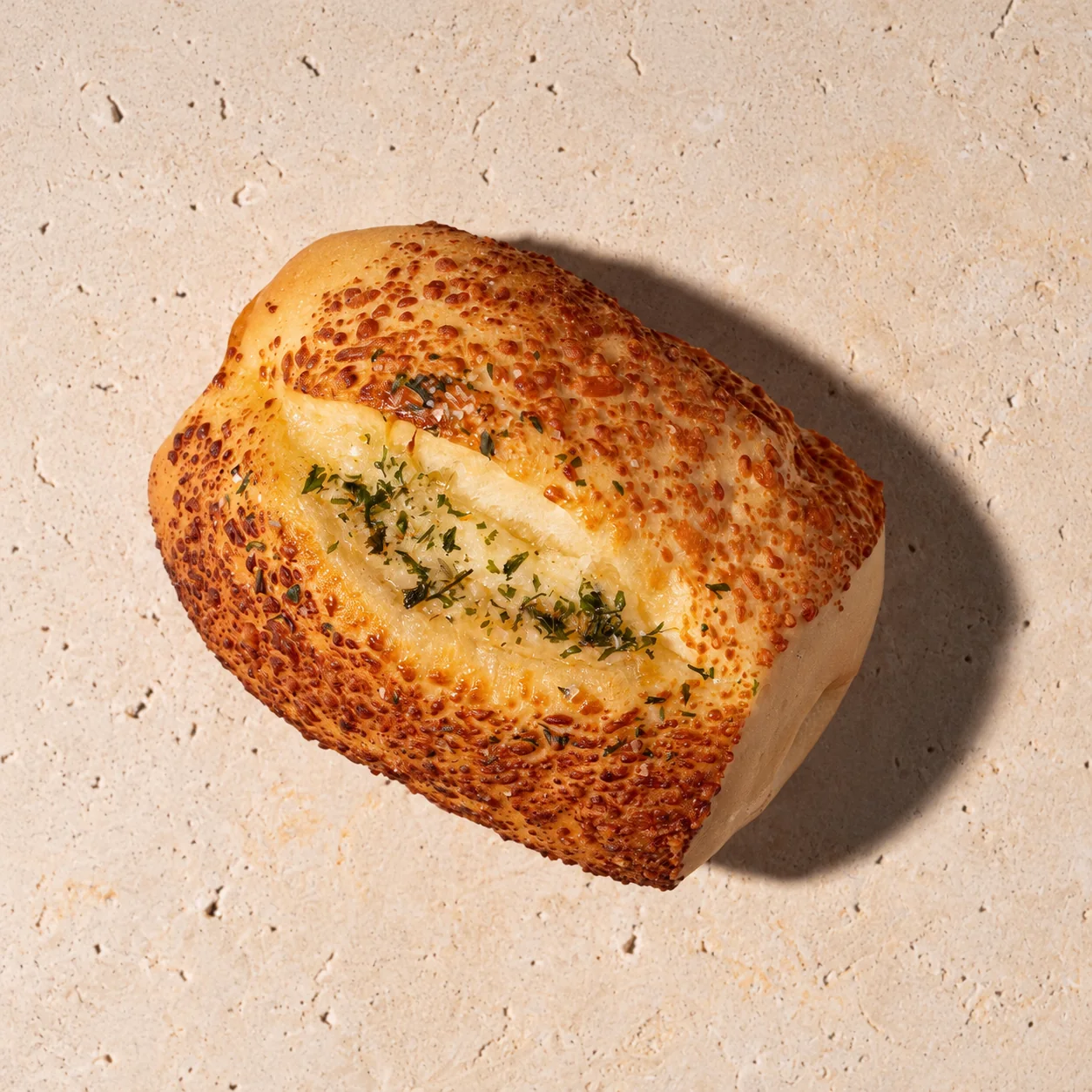
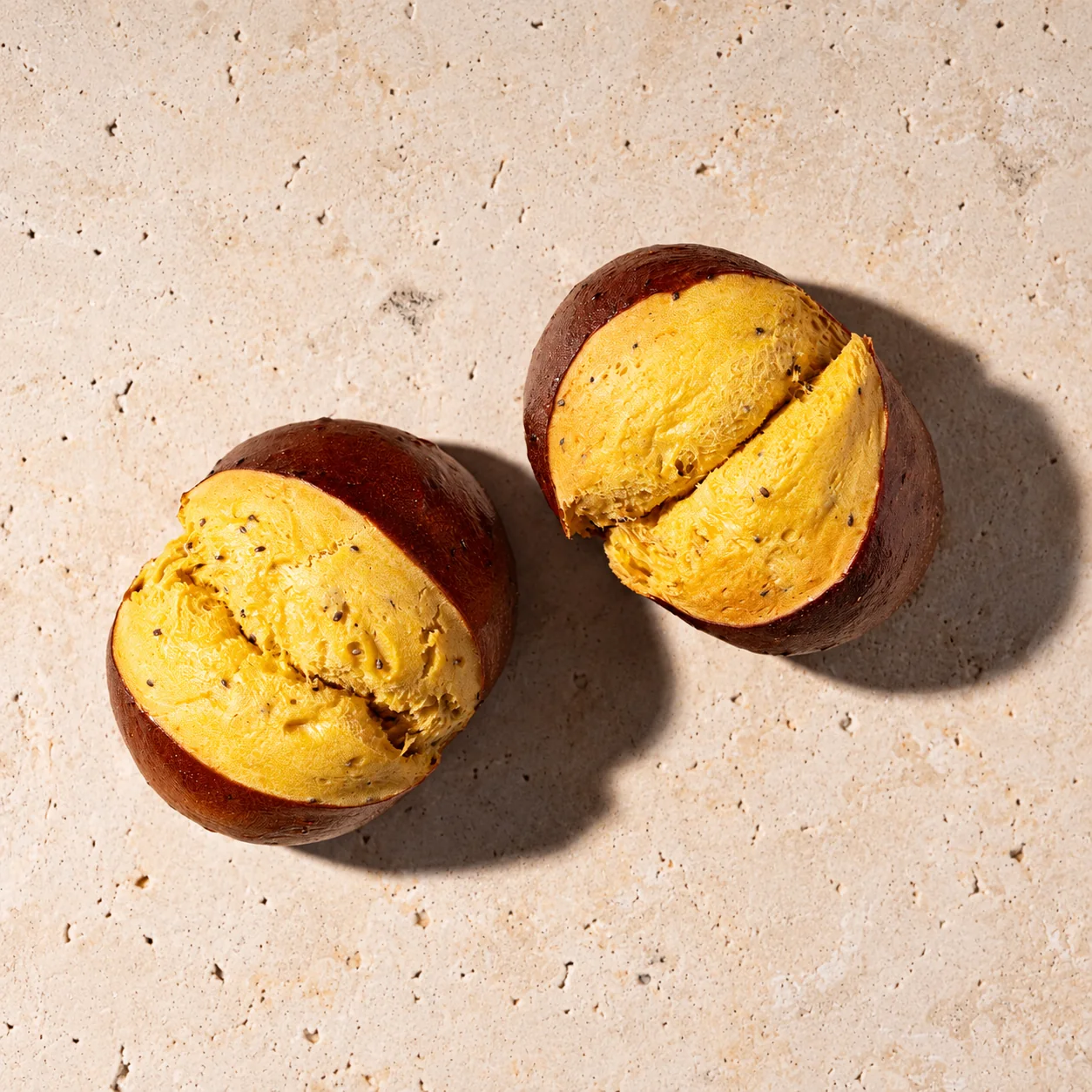
Our Pumpkin Pretzel Roll has pumpkin puree mixed straight into the dough, so the crumb bakes up golden and gently sweet. It’s dipped in lye before baking for that deep-brown pretzel crust, then split open while it’s still rising. It’s raised with both our sourdough starter and yeast, plus chia seeds in the dough. Allergens: wheat and milk.
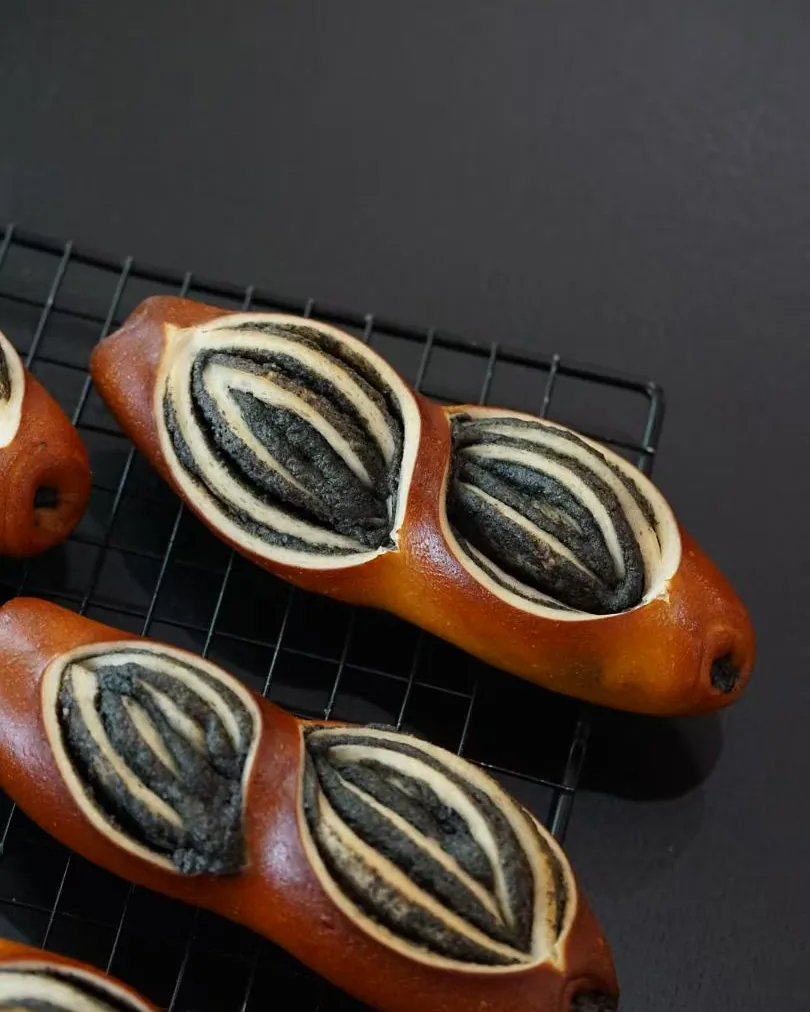
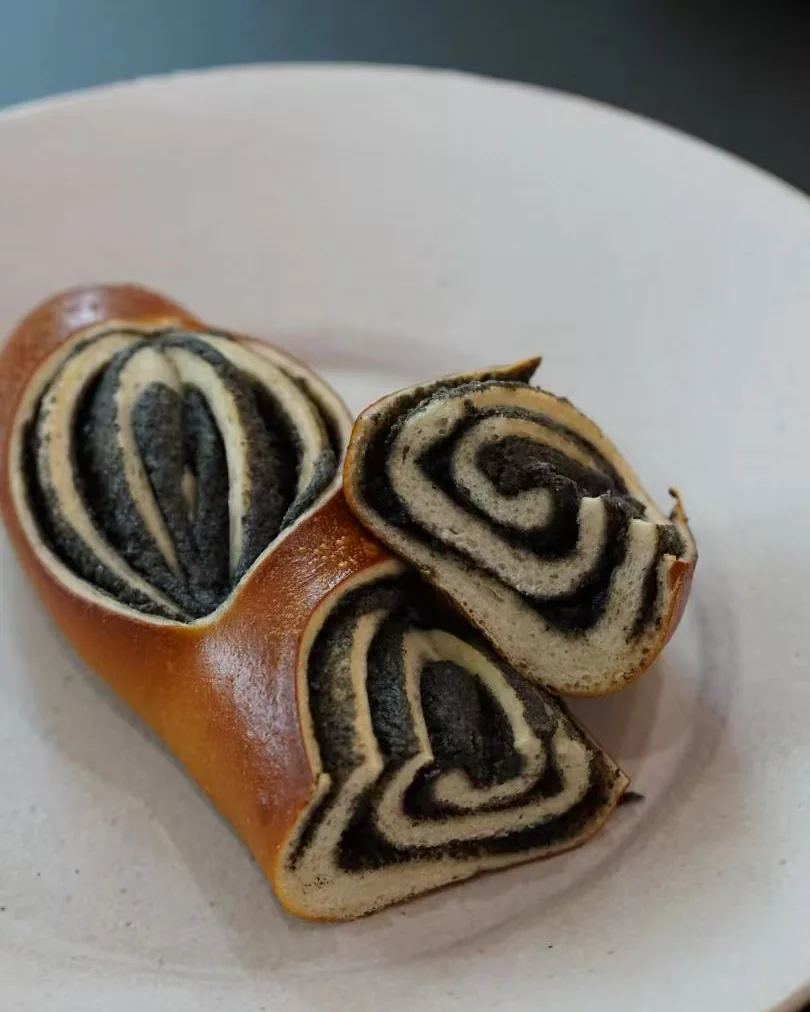
The Black Sesame Soft Pretzel wraps a classic pretzel crust around a rich black sesame filling. Its ingredients include black sesame paste and seeds, cultured butter and honey, and it’s made with our sourdough starter. Toasty, nutty and hard to stop at one. Allergens: wheat, milk and sesame.
Both are made for snacking straight or dipping: whipped avocado, hummus or a soft cheese. If you like a specialty bake with a bit of personality, our chocolate sourdough bread guide is a good next read.
Questions
Can you make pretzel buns without lye?
Yes. Most home recipes use a baking soda bath instead. It’s much milder and safer to handle, and the buns still brown and taste like pretzels, just less intensely than lye-dipped ones.
Why do pretzel buns get wet or wrinkled on top?
Coarse salt pulls moisture from the air and dissolves, which can leave the crust damp and puckered. That’s why salted pretzel buns are best the day they’re baked, especially when it’s humid.
Are pretzel buns sweet?
Usually not. Most pretzel buns are lean and savory, with a malty, slightly salty crust. Some variations, like rolls made with pumpkin or a sweet filling, lean gently sweet.
Do pretzel buns contain eggs or dairy?
It depends on the recipe. Many pretzel doughs are just flour, water, yeast and salt, but some add butter or milk. Check the ingredient label if you’re avoiding allergens.
Is a pretzel bun good for a burger?
Yes. Its dense, chewy crumb and firm crust hold up to juicy patties and sauces better than a very soft bun, and its salty, toasty flavor pairs well with cheese and mustard.
Sources
Bake it home
Pumpkin Pretzel Roll