
What Is the Best Bread for People with Diabetes?
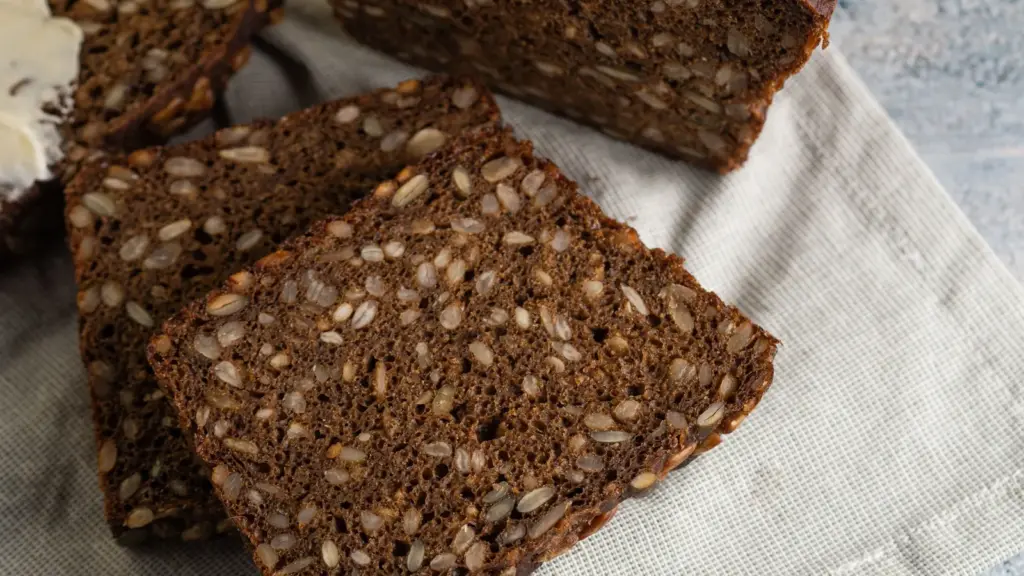
In short
No single bread is best for everyone with diabetes. Breads with a whole grain listed first and more fiber per slice are generally better choices, eaten in a measured portion alongside protein, fat or vegetables. Your care team can help set your carb target.
We bake bread for a living, and people with diabetes ask us about it often. So here is a plain answer, built on public health guidance and published research rather than marketing. One note up front: nothing here replaces advice from your doctor or a registered dietitian, who know your medications, your targets and your history.
Is there one “best” bread for diabetes?
No. There isn’t a single loaf that works best for everyone with diabetes, and no bread treats or controls the condition. What the evidence does support is a set of qualities that tend to make bread a better fit: a whole grain as the main flour, more fiber per slice, a sensible portion, and eating it as part of a balanced meal rather than on its own.
The American Diabetes Association groups bread with other starches, notes that fiber can help with blood glucose management, and suggests making at least half of your grains whole grains. That’s the starting point for everything below.
How many carbs are in a slice of bread?
Carbohydrate is the part of bread that raises blood sugar, so it’s the number to watch. The CDC’s carb counting guide defines one carb serving as about 15 grams of carbohydrate, and its sample menu counts two slices of whole wheat bread as 24 grams. The CDC also points out that a carb serving is often not the same as what people think of as a serving of food.
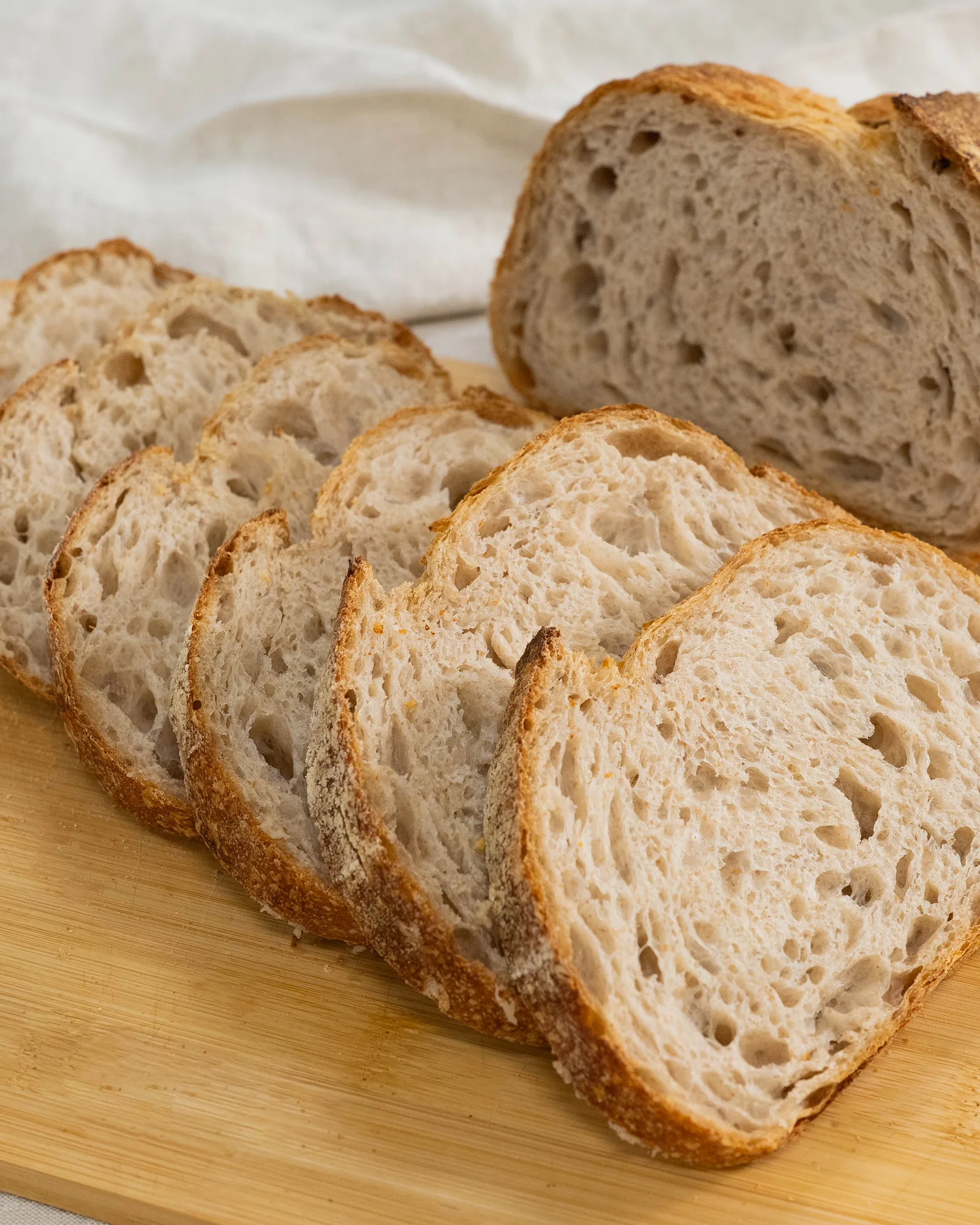
That matters with bread because slices vary enormously. A thin slice of packaged sandwich bread and a thick slice cut from a round bakery loaf can differ a lot in weight, and carbs scale with weight. If a label lists carbs per slice, check that your slice is the same size as theirs. For loaves you cut yourself, weighing a typical slice once on a kitchen scale tells you far more than guessing.
Does whole grain bread raise blood sugar less than white bread?
Generally, yes. Harvard’s Nutrition Source explains that milled, refined grains have a higher glycemic index than minimally processed whole grains, and that high-fiber foods contain less digestible carbohydrate, which slows the rise in blood sugar. White bread is its example of a rapidly digested, high glycemic index food.
Two caveats from the same source are worth knowing. First, the glycemic index doesn’t account for how much you eat, which is why glycemic load (glycemic index multiplied by the carbohydrate in a portion) is often more useful; one slice of whole grain bread lands in the medium range. Second, a highly processed whole grain bread can still be digested fairly quickly, so “whole grain” on the front of the bag is not the whole story.
Here is a practical way to compare common breads.
| Bread | What to check | Why it matters |
|---|---|---|
| 100% whole wheat or whole grain | Whole grain flour listed first; fiber per slice | More fiber and less refined starch than white bread |
| Seeded or multigrain | Whether a whole grain is listed first, not just seeds | Seeds add fiber and fat, but the base flour may still be refined |
| Sourdough | The flour (white or whole grain) and slice size | Fermentation may modestly blunt the rise; the flour matters more |
| White sandwich bread or rolls | Carbs per slice and portion | Refined flour, little fiber, digested quickly |
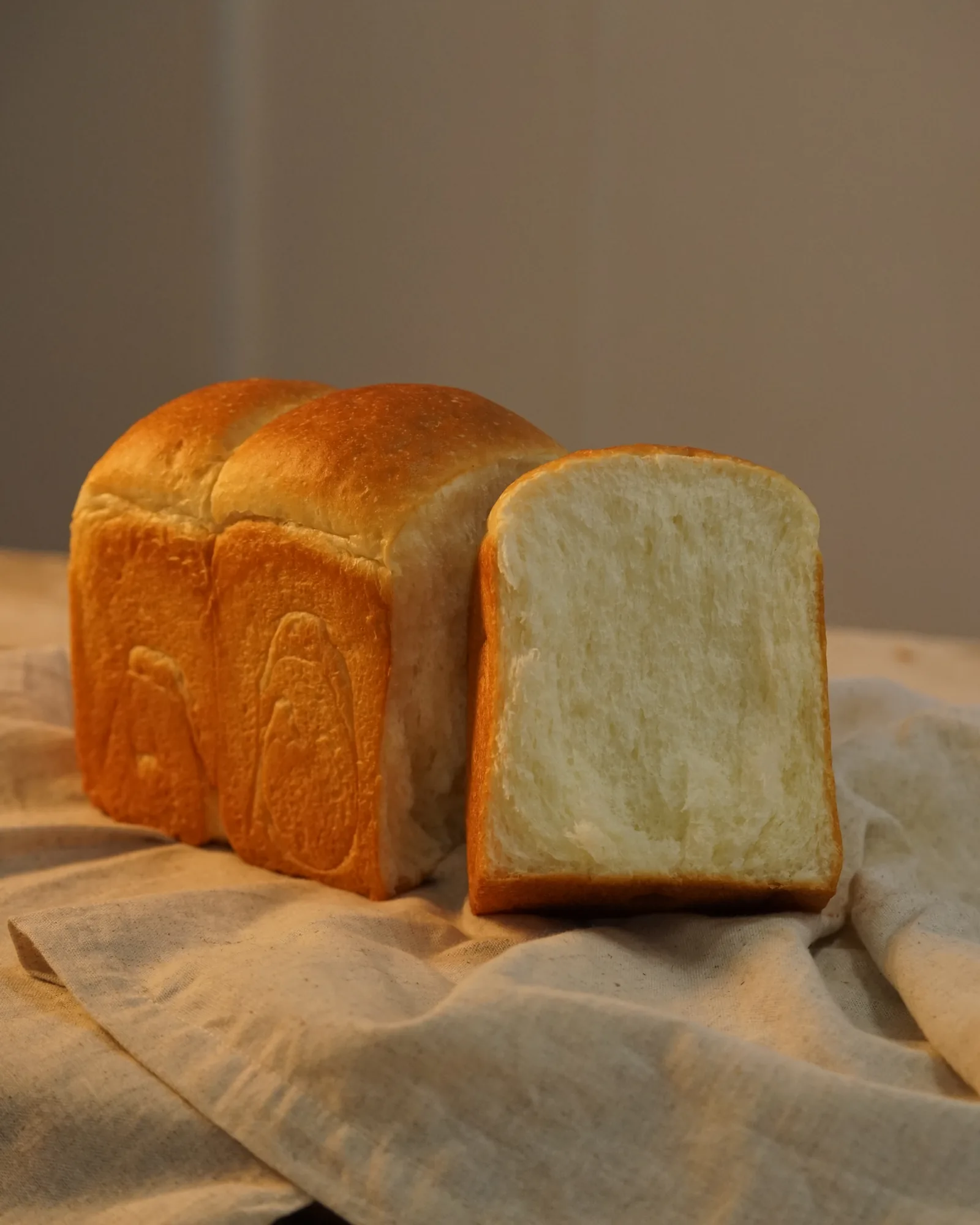
| Sweet or enriched breads (brioche, milk bread, cinnamon raisin) | Total and added sugars | Added sugar and refined flour add to the carb load |
| “Low-carb” or “keto” breads | Total carbs, fiber and serving size | Can be lower in carbs, but check the label and how you respond |
Is sourdough bread better for blood sugar?
There is some evidence, with real limits. A 2024 systematic review of 18 clinical trials found that sourdough bread produced a smaller rise in blood glucose at 60 and 120 minutes than breads made with commercial yeast, especially when the sourdough was made with whole wheat flour. The authors rated the certainty of that evidence as low to very low, and sourdough did not lower fasting insulin. Most of these studies looked at single meals in healthy adults, not long-term outcomes in people with diabetes.
A longer trial points the same cautious way. In a randomized crossover study in Cell Metabolism, adults ate either traditionally made whole grain sourdough or industrial white bread for a week each. On average, the researchers found no significant difference between the two breads on a range of clinical measures. What they did find was that people responded very differently: some had a lower glucose response to the sourdough, others to the white bread.
So a whole grain sourdough can be a reasonable option, but sourdough made from white flour is still mostly refined starch, and fermentation alone isn’t a reason to eat more of it. If you want the longer story on sourdough and health in general, we wrote about it in Is Sourdough Bread Healthy?
Why does the same bread affect people differently?
This is one of the more striking findings in nutrition research. In a study of 800 people published in Cell, researchers continuously monitored blood glucose across 46,898 meals and found high variability in how different people responded to identical meals. Their conclusion was that universal dietary rules may have limited usefulness for predicting any one person’s response.
The practical takeaway is to treat general advice, including this article, as a starting point. Checking your blood sugar before and after a meal with a given bread, as your care team advises, or using a continuous glucose monitor if your care team recommends one, tells you how that bread works for you.
How do you read a bread label for diabetes?

A few checks cover most of it:
- Ingredient list: the ADA advises looking for “whole grain” or “whole wheat” as the first ingredient rather than “enriched” flour. Enriched means refined flour with some vitamins and minerals added back.
- Total carbohydrate: the CDC notes this is on the Nutrition Facts label. Read it alongside the serving size, which is usually one or two slices of a specific weight.
- Fiber: more fiber per slice is generally better. Harvard notes that a carbohydrate-to-fiber ratio under 10:1 has proved a useful measure of a healthier grain food.
- Added sugars: sweet breads, raisin breads and many soft sandwich loaves include sugar, honey or other sweeteners.
- Front-of-package words: names like “multigrain,” “wheat” or “seeded” describe the bread but don’t promise whole grain. The ingredient list is what tells you.
How can you fit bread into a meal?
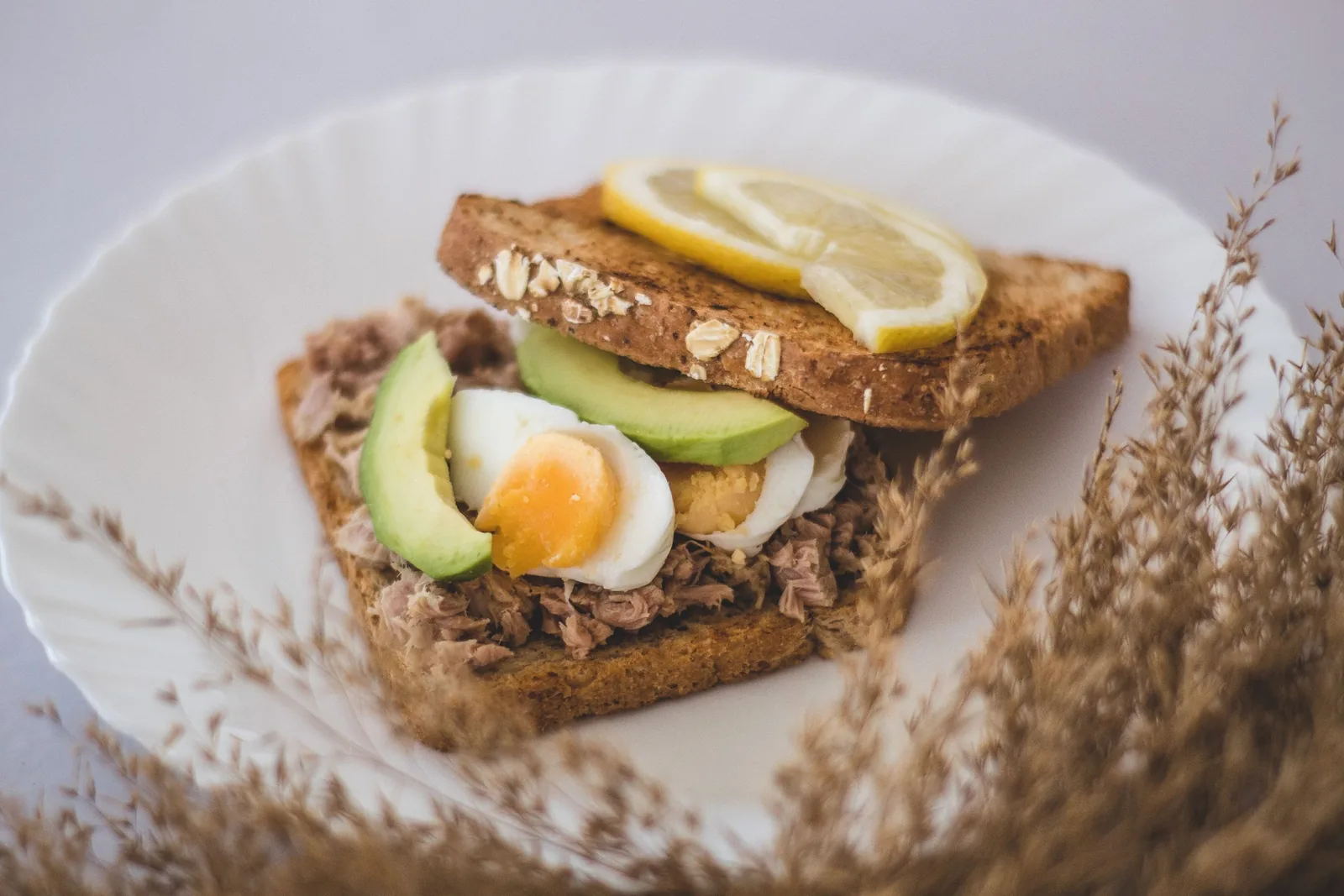
Portion is the biggest lever. One measured slice instead of two, or an open-faced sandwich instead of a closed one, halves the carbohydrate without giving up bread.
What you eat with it matters too. Harvard notes that meals containing fat or acid are converted to sugar more slowly. In practice, that means pairing bread with protein, healthy fats and vegetables: eggs and greens on whole grain toast, a slice alongside a bowl of bean soup, or avocado and smoked salmon on a thin slice rather than bread with jam alone. Your care team can tell you what fits your medications and targets.
Talk to your doctor or a registered dietitian
Carb targets, medication timing and what counts as a good blood sugar response are personal. If you haven’t already, ask your doctor about a referral to a registered dietitian or a diabetes self-management education and support (DSMES) program, which the CDC describes as a way to build a meal plan that works for you. They can help you decide how bread, including a loaf you love, fits into your week.
As bakers, we can tell you exactly what goes into our bread; every product page lists the full ingredients. We won’t tell you any bread is good for diabetes. That’s a conversation for you and your care team.
Questions
Can people with diabetes eat bread?
Yes. Diabetes eating plans from the CDC and the American Diabetes Association include grain foods; the focus is on how many carbs you eat, how much fiber comes with them, and how bread fits into the rest of the meal. Your doctor or a registered dietitian can help you set a carb target that suits you.
Is white bread off-limits with diabetes?
Not necessarily, but refined white bread is digested quickly and has little fiber, so it tends to raise blood sugar faster than whole grain bread. If you eat it, a smaller portion with protein, fat or vegetables is the more cautious approach.
Is rye or pumpernickel a good choice?
It depends on the loaf. A bread made mainly from whole rye flour behaves like other whole grain breads, but some rye and pumpernickel breads are made mostly with refined wheat flour, so check that a whole grain is the first ingredient.
How much bread can I eat if I have diabetes?
There's no universal number. The CDC counts one carb serving as about 15 grams of carbohydrate, and how many servings fit in a meal depends on your plan, which your doctor or dietitian can help you set.
How can I tell how a particular bread affects me?
Checking your blood sugar before and after a meal, as your care team advises, or using a continuous glucose monitor if your care team recommends one, shows your own response. Research has found large differences between people eating the same bread.
Sources
- Carb Counting and Diabetes (CDC)
- Get to Know Carbs (American Diabetes Association)
- Carbohydrates and Blood Sugar (Harvard T.H. Chan School of Public Health)
- Consumption of sourdough bread and changes in the glycemic control and satiety: a systematic review (Critical Reviews in Food Science and Nutrition, 2024)
- Bread affects clinical parameters and induces gut microbiome-associated personal glycemic responses (Cell Metabolism, 2017)
- Personalized nutrition by prediction of glycemic responses (Cell, 2015)