
What Is the Healthiest Bread? A Baker’s Guide
In short
For most people, the healthiest bread is made mostly from 100% whole grains, with a whole grain listed first, a carb-to-fiber ratio under 10:1, moderate sodium and little added sugar. Sprouted, seeded and sourdough breads can fit, but the flour matters most.
There’s no single healthiest bread for everyone, but the research points clearly in one direction: breads made mostly from whole grains, with real fiber, moderate sodium and little added sugar. Sprouting, sourdough fermentation and seeds can be nice extras, but none of them make up for a loaf built on refined flour. Here’s what the evidence says, and how to tell the difference on a label.
What makes a bread healthy?
The biggest single factor is the flour. A whole grain kernel has three parts: the fiber-rich bran, the germ, and the starchy endosperm. Refining removes the bran and germ. According to Harvard T.H. Chan School of Public Health, milling wheat into white flour strips away more than half of its B vitamins, 90 percent of its vitamin E and virtually all of its fiber.
That fiber matters. Harvard notes that bran and fiber slow the breakdown of starch into glucose and help move waste through the digestive tract. In large observational studies, people who eat more whole grains tend to have lower rates of heart disease and type 2 diabetes. Those studies show associations, not proof that any one food causes better health, but they’re consistent enough that, as Harvard notes, the 2015–2020 U.S. Dietary Guidelines recommended getting at least 3 ounces of grains a day from 100% whole grains.
So when you’re comparing breads, start with three questions: Is it mostly whole grain? How much fiber does it have? How much sodium and added sugar come with it?
Is whole wheat bread the healthiest bread?
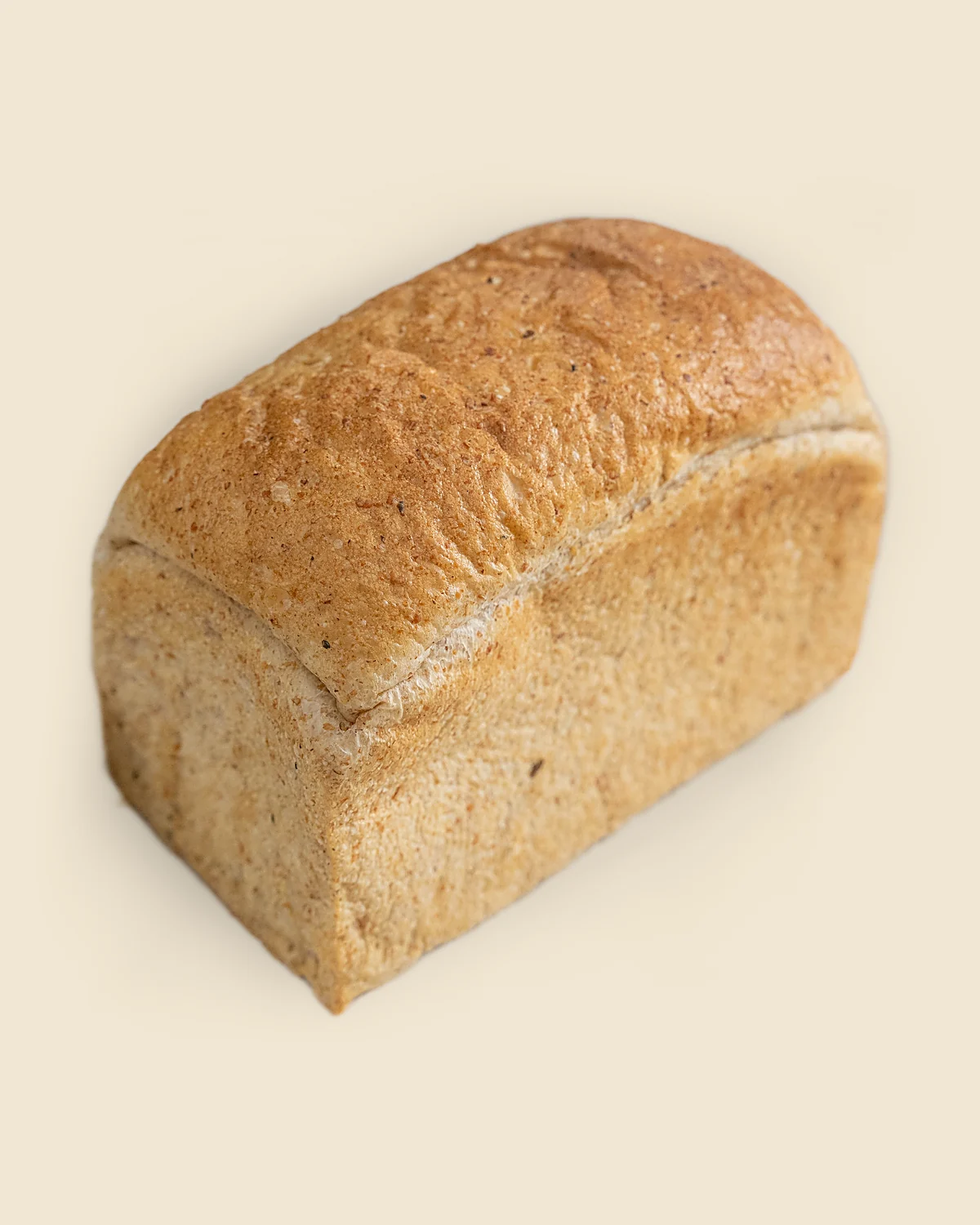
A bread labeled “100% whole wheat” or “100% whole grain” is a strong choice for most people. As a dietitian told Cleveland Clinic, whole wheat is a whole grain, so either label works as long as it says 100%. Whole wheat should also be the first ingredient, since ingredients are listed in order of amount.
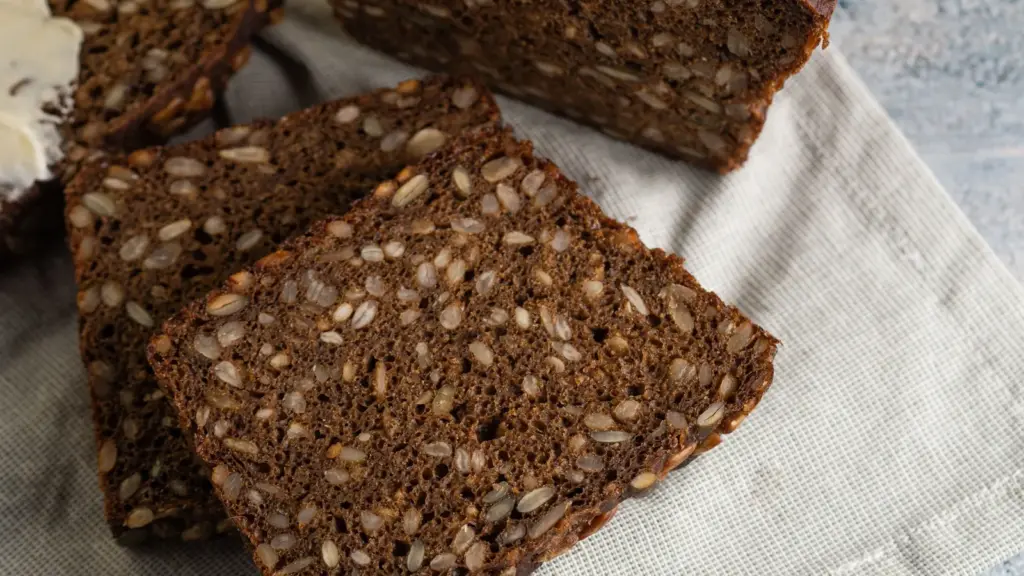
Whole rye, whole spelt, oats and other whole grains count too. What you want is the word “whole” in front of the grain at the top of the ingredient list.
Is multigrain bread healthy?
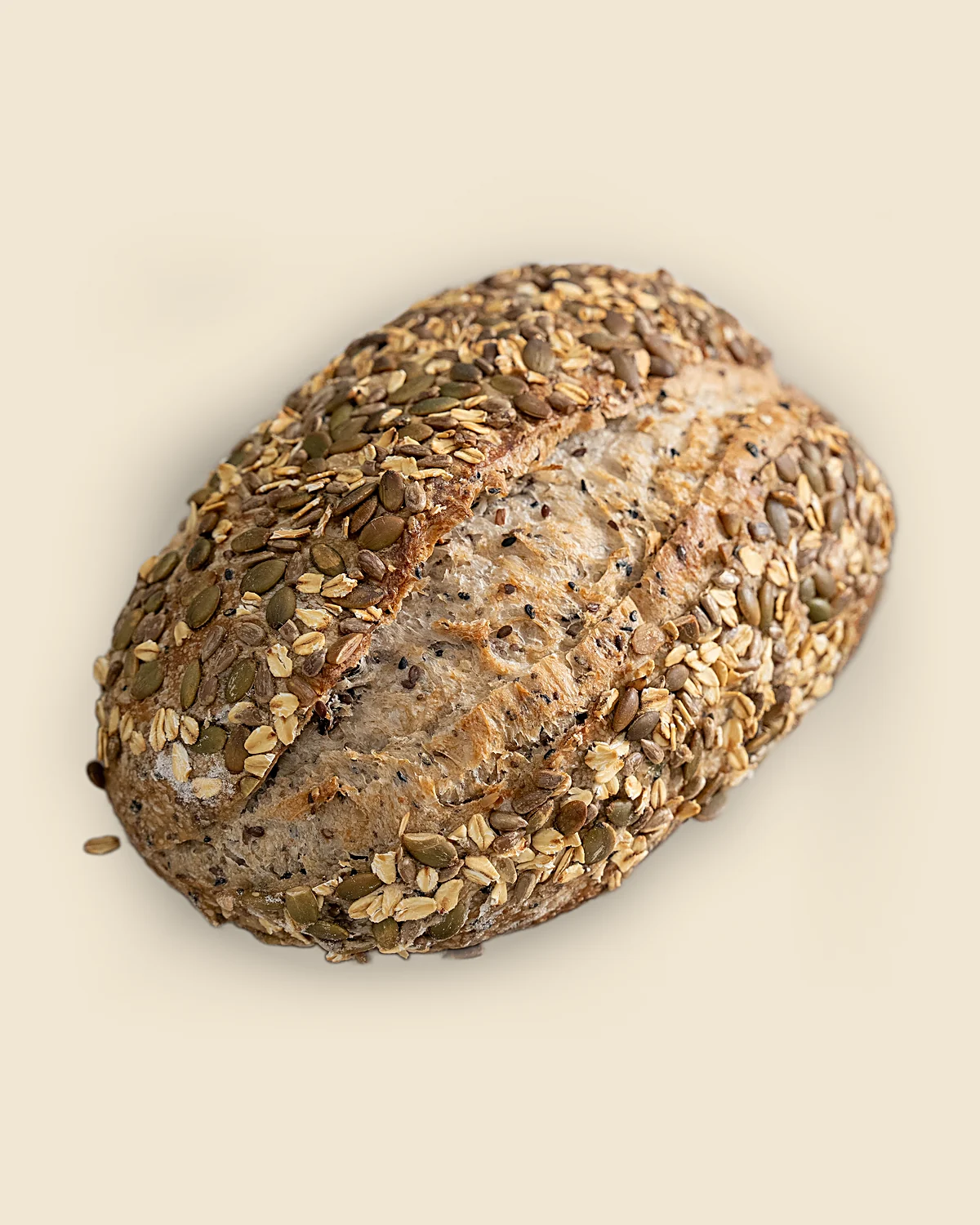
Not necessarily. “Multigrain” only tells you the dough contains more than one kind of grain. It says nothing about whether those grains are whole. Cleveland Clinic cautions that breads labeled “wheat” or “multigrain” without a percentage are probably made with partially or mostly refined white flour.
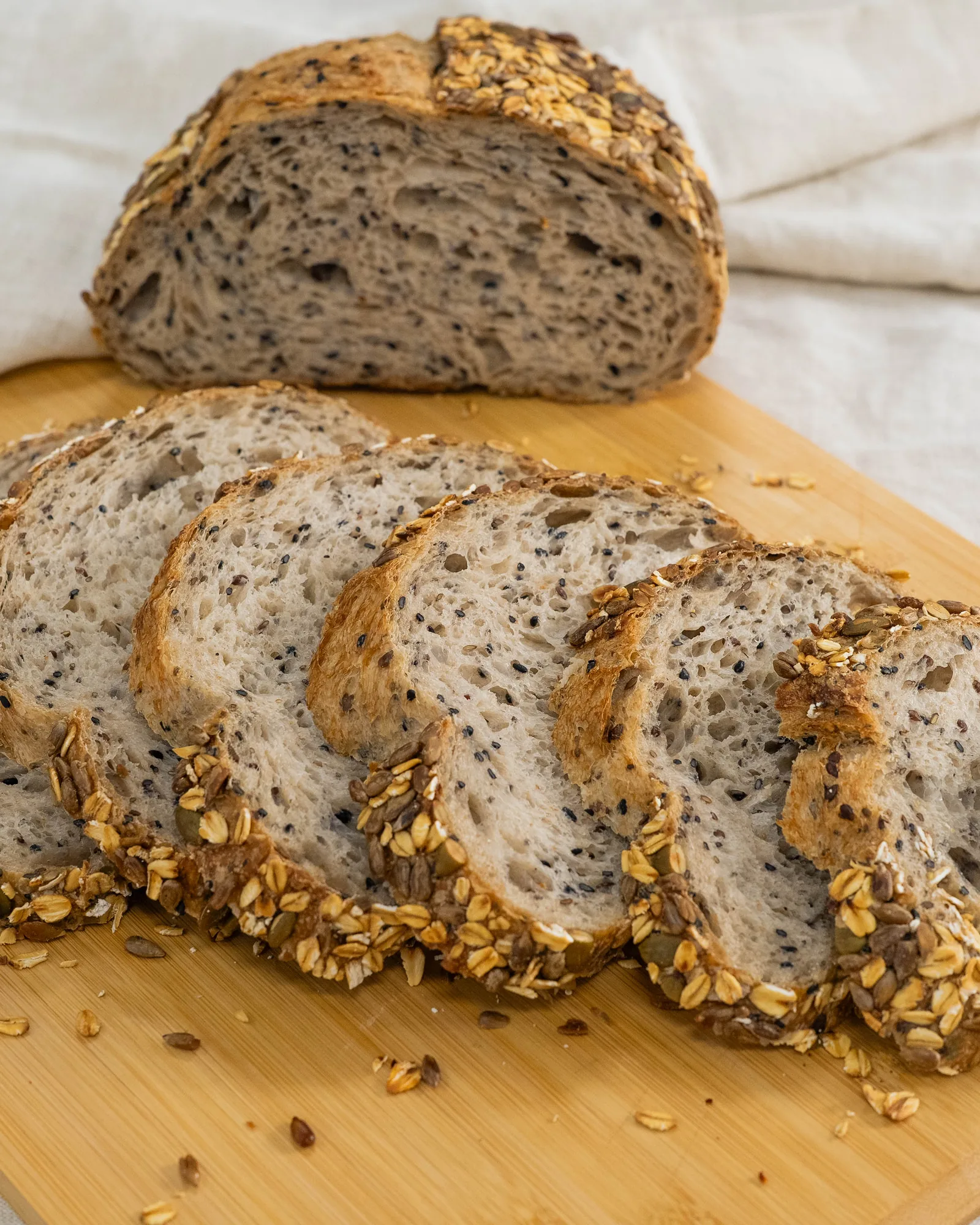
We’ll be straightforward about our own: our Harvest Multigrain Sourdough is made mostly with French wheat flour, plus whole wheat flour, oats and five kinds of seeds. It’s a hearty, seeded loaf, but it isn’t a 100% whole-grain bread, and we wouldn’t call it one.
Is sprouted grain bread healthier?
Sprouted breads are made from grains that have started to germinate before being milled or mashed. Germination wakes up enzymes in the grain. A review in Food Science & Nutrition describes how germination and fermentation activate enzymes such as phytase that break down phytates and other compounds that can reduce mineral release and protein digestibility, making nutrients more accessible.
That’s a real effect, but keep two caveats in mind. The review is about how the grain’s chemistry changes; it doesn’t show long-term health outcomes in people. And a sprouted bread is only as good as the rest of its ingredient list: check that the sprouted grains are whole and that they, not refined flour, come first.
Is sourdough bread healthier?
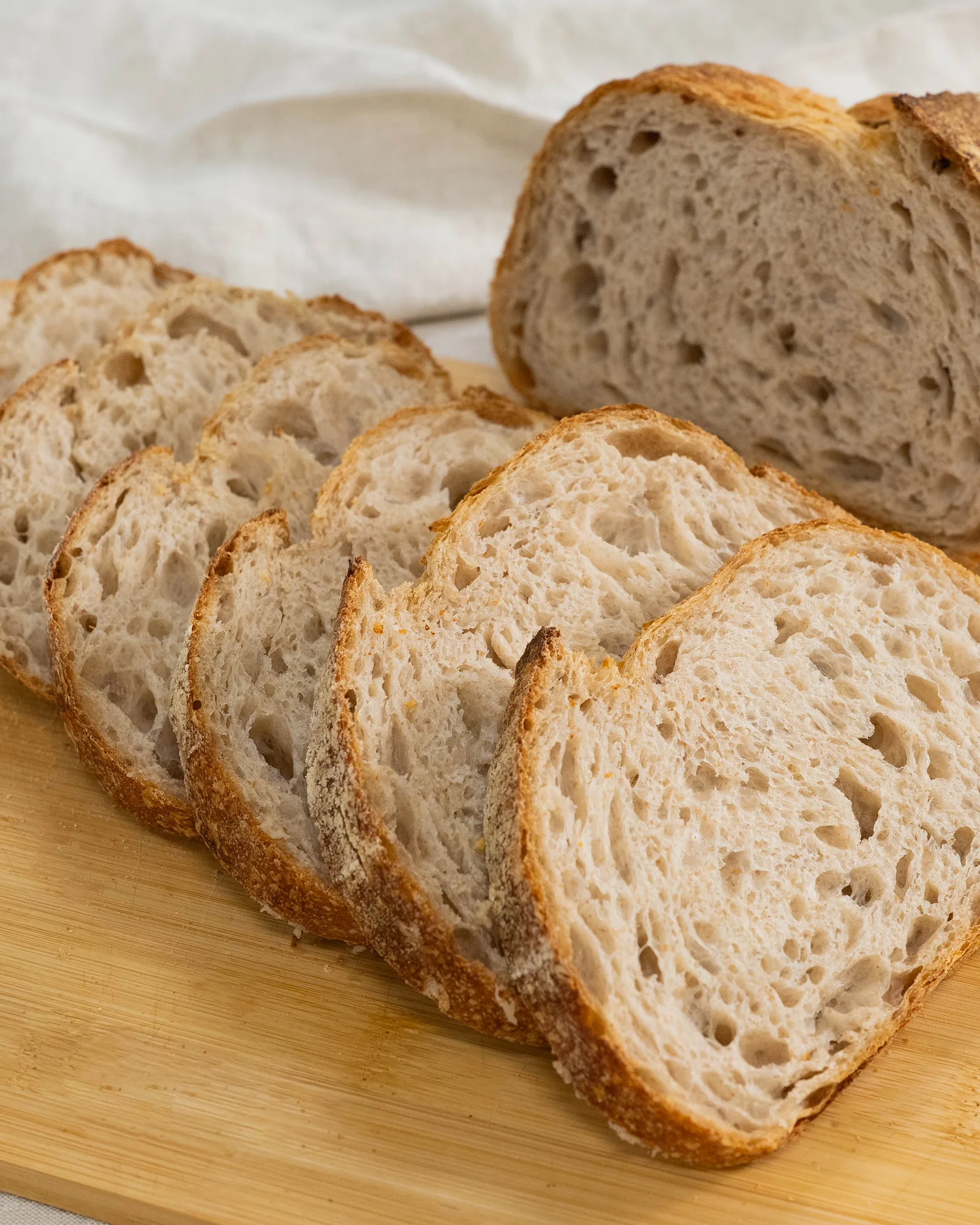
Sourdough fermentation does change bread. The same review notes that fermentation, like germination, activates enzymes that break down phytates. You’ll often hear that sourdough also causes a gentler blood sugar rise, but the evidence is weaker than the claims. A 2026 systematic review of 27 human studies concluded that evidence for a glycemic benefit of sourdough compared with yeast-fermented bread in healthy people was “neither sufficient nor convincing,” citing differing study designs and populations.
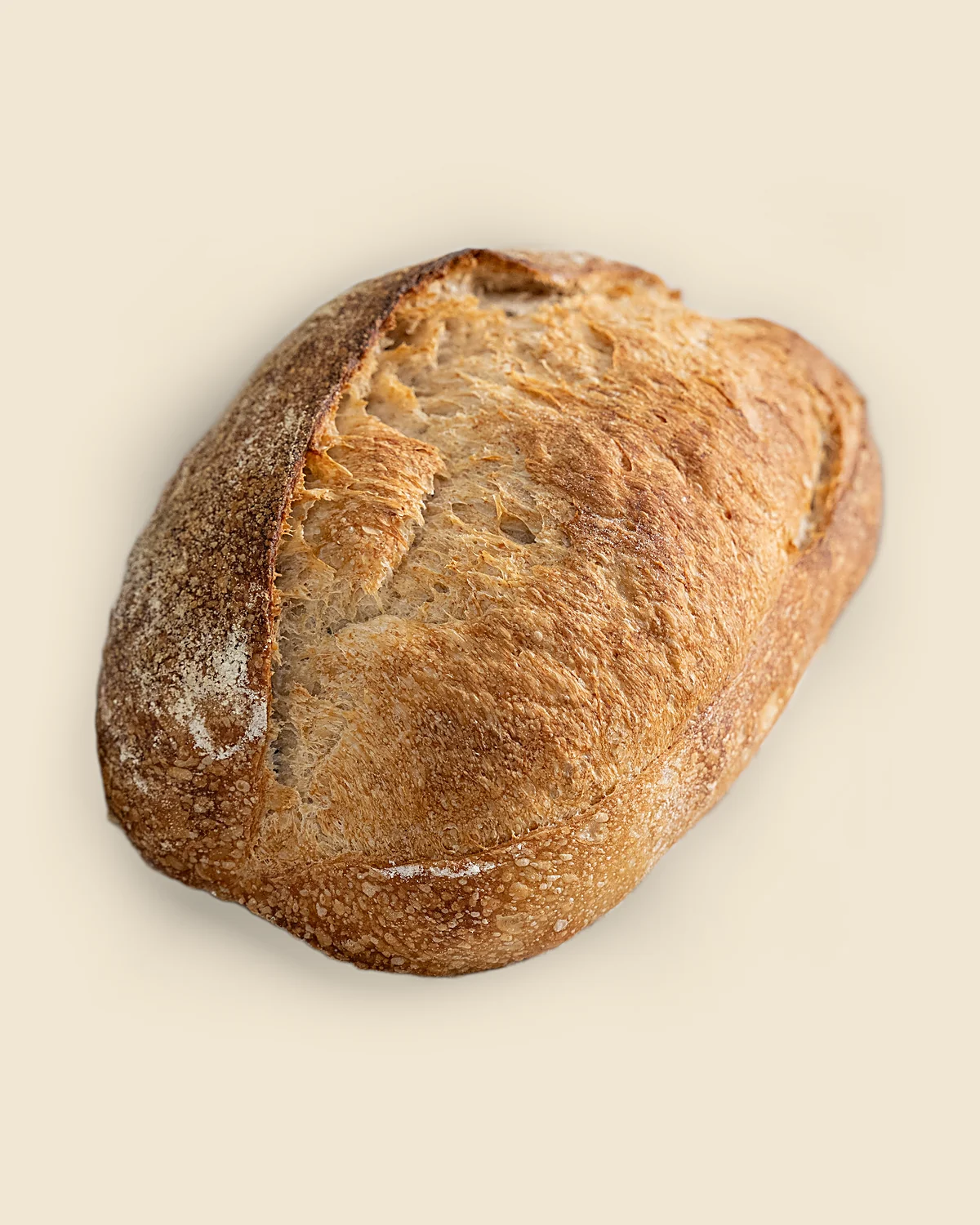
The more useful point: a sourdough made from white flour is still a refined-flour bread. Our Classic Country Sourdough, for example, is mostly French wheat flour with some whole wheat flour. The flour matters more than the leavening. We go deeper in is sourdough bread healthy?
Do seeds make bread healthier?
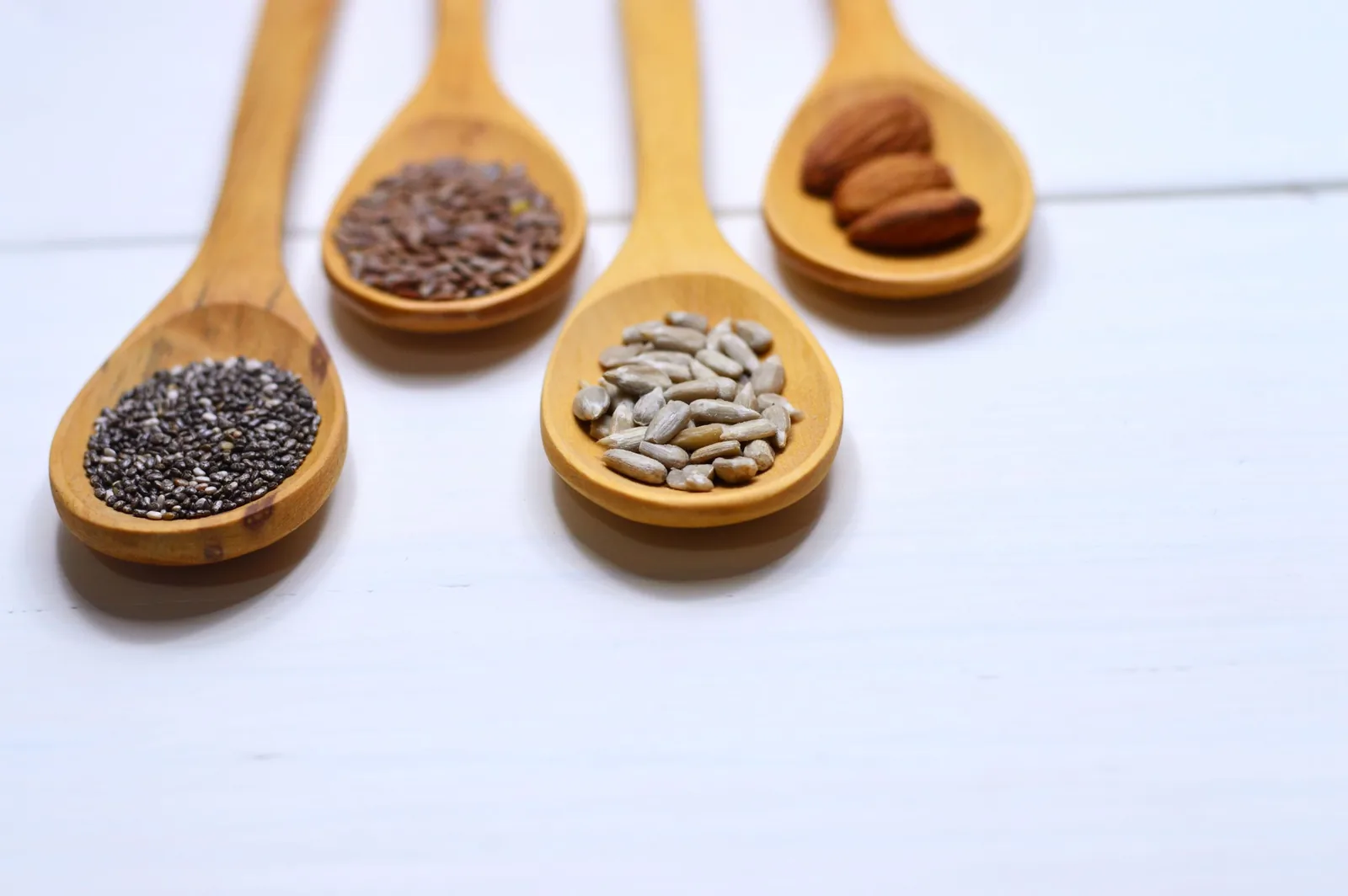
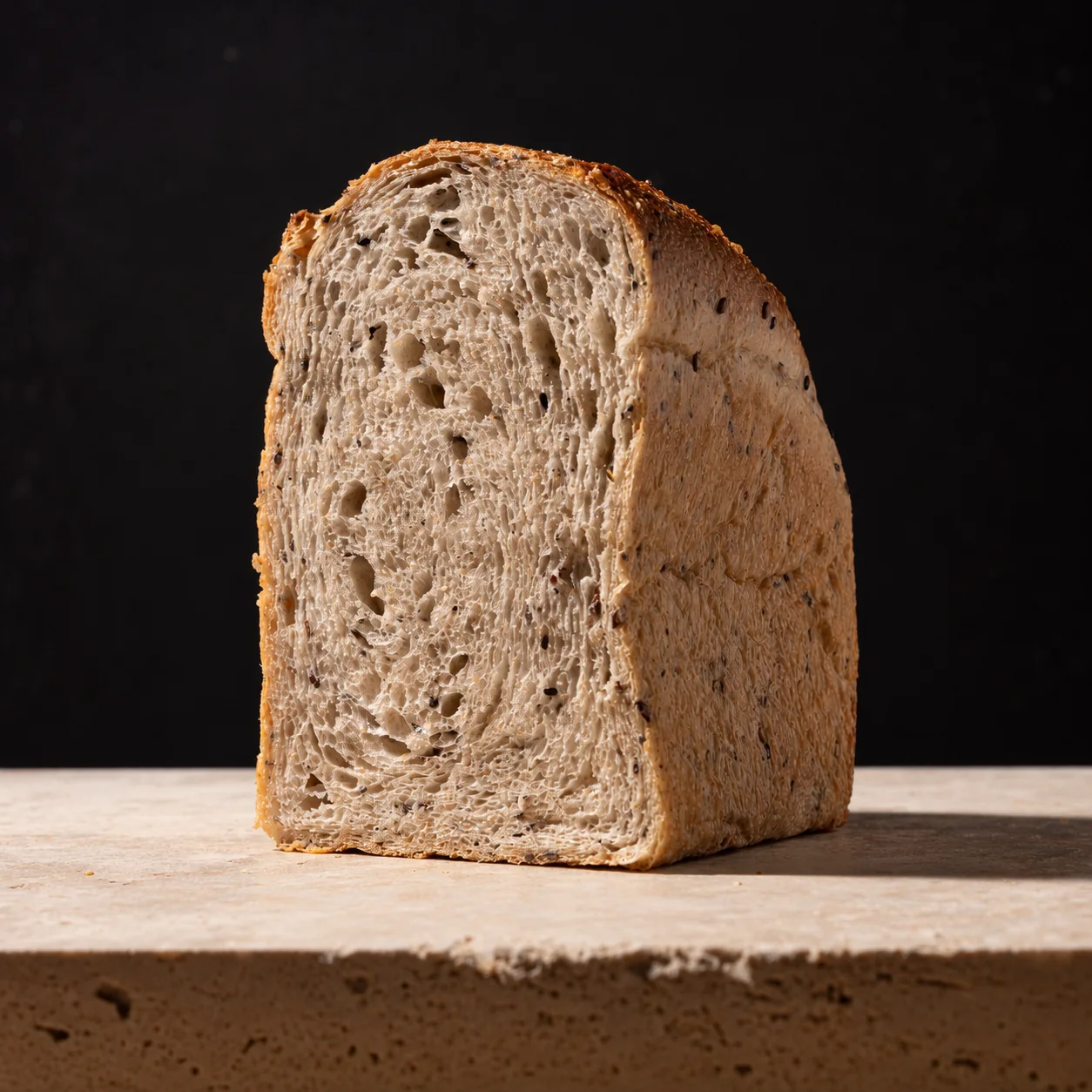
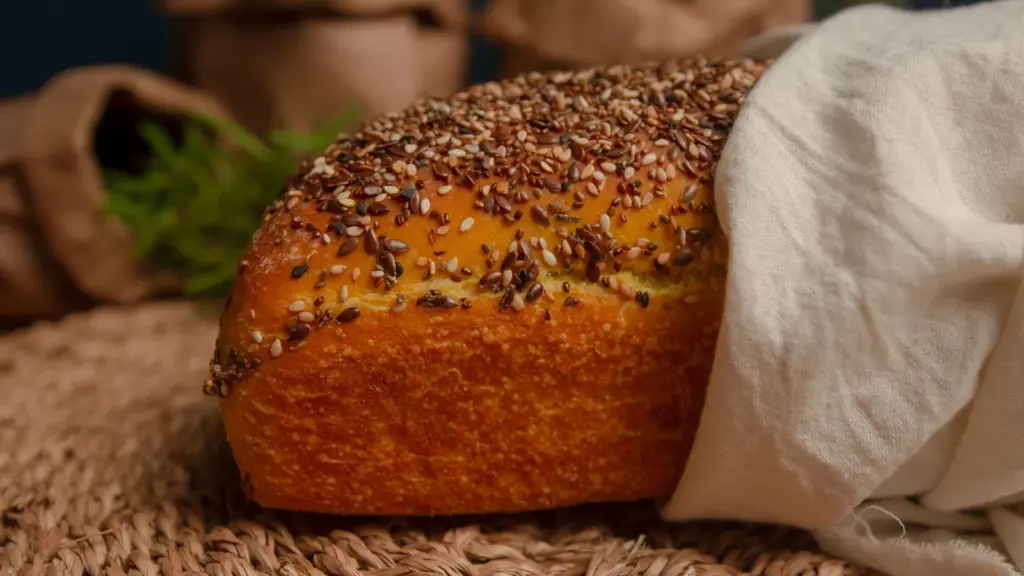
Seeds like flax, chia, sesame, sunflower and pumpkin add crunch and flavor, and a review of oilseeds in bread concluded that adding them generally improves the nutritional profile of bakery products, though the size of the effect depends on the seed and how much is used. Seeds also add calories, and sesame is a major allergen, so check the label if that applies to you. Our Seeded Sourdough Sandwich Loaf, for example, has black sesame, flax and chia, and lists sesame as an allergen.
How much sodium and sugar should bread have?
Bread isn’t usually very salty per slice, but it adds up because we eat it so often. The FDA points out that foods you may eat several times a day, such as breads, can contribute a lot of sodium even when one serving isn’t high. The Daily Value for sodium is less than 2,300 mg a day; on the Nutrition Facts label, 5% DV or less per serving is considered low and 20% DV or more is considered high.
For sugar, check the “Added Sugars” line. Many sandwich breads include sugar, honey or syrup for softness and browning. A little is normal; just compare brands and favor the lower number.
How do you read a bread label?

- Check the first ingredient. It should say “whole” in front of the grain, such as whole wheat flour or whole rye flour. Harvard suggests a whole grain should be listed first or second.
- Look for “100%.” “100% whole wheat” or “100% whole grain” means the grain is all whole.
- Try the 10:1 rule. Harvard reports that foods with a carbohydrate-to-fiber ratio under 10:1 tended to be higher in fiber and lower in sodium and sugar. Divide total carbohydrate grams by fiber grams; under 10 is a good sign.
- Compare sodium and added sugars per slice, using the %DV.
- Notice the slice size. Serving sizes vary, so compare per gram or per slice you’d actually eat.
Here’s what common label terms do and don’t tell you.
| Label term | What it means | Whole grain? |
|---|---|---|
| 100% whole wheat / 100% whole grain | All the grain is whole | Yes |
| Whole wheat flour listed first | Whole grain is the main ingredient | Mostly |
| Made with whole grains | Some whole grain is present, amount unknown | Not necessarily |
| Multigrain / 7-grain | More than one grain is present | Not necessarily |
| Wheat bread / wheat flour | Usually refined flour | Usually not |
| Enriched wheat flour | Refined flour with some nutrients added back | No |
| Sprouted | Grains germinated before use | Only if the sprouted grains are whole |
| Sourdough | Leavened with a starter | Depends on the flour |
Can bread fit into a diet for diabetes or weight loss?
Bread can fit into many eating patterns, but what works depends on the person. Fiber-rich whole-grain breads digest more slowly than refined ones, and research on whole grains and type 2 diabetes risk is encouraging, though largely observational. The research on sourdough and blood sugar, as above, is mixed. Portion size and what you eat with your bread, like protein, fat and vegetables, matter too.
If you’re managing diabetes, trying to lose weight, or have another health condition, talk with your doctor or a registered dietitian about which breads and how much make sense for you.
Questions
Is white bread bad for you?
White bread isn't harmful in itself, but refining removes most of the grain's fiber and much of its vitamins. Choosing whole-grain bread most of the time is the simple upgrade.
Is rye bread healthier than wheat bread?
Whole rye bread is a whole-grain bread and can be a good choice. Many rye breads are made with a mix of rye and refined wheat flour, so check that whole rye or another whole grain is listed first.
What does "enriched" mean on a bread label?
It means the flour is refined and some nutrients, like certain B vitamins and iron, have been added back. It doesn't restore the fiber lost in milling.
How many slices of bread a day are healthy?
There's no single number; it depends on your overall diet, energy needs and health. A registered dietitian can help you work out what fits your goals.
Is gluten-free bread healthier?
Not automatically. Gluten-free bread isn't necessarily higher in whole grains or fiber, so read its label the same way. For people with celiac disease or a diagnosed gluten sensitivity, it's a medical necessity rather than a health upgrade.
Sources
- Whole Grains (Harvard T.H. Chan School of Public Health, The Nutrition Source)
- Which Bread Is Best For You — Whole-Grain, Multigrain or Whole Wheat? (Cleveland Clinic)
- Fermentation and germination improve nutritional value of cereals and legumes through activation of endogenous enzymes (Nkhata et al., Food Science & Nutrition, 2018)
- Effects of sourdough and yeast fermented breads consumption on glycaemia in healthy populations: a systematic review (Starowicz et al., Frontiers in Nutrition, 2026)
- Bread Enrichment with Oilseeds. A Review (de Lamo & Gómez, Foods, 2018)
- Sodium in Your Diet (U.S. Food and Drug Administration)
Bake it home
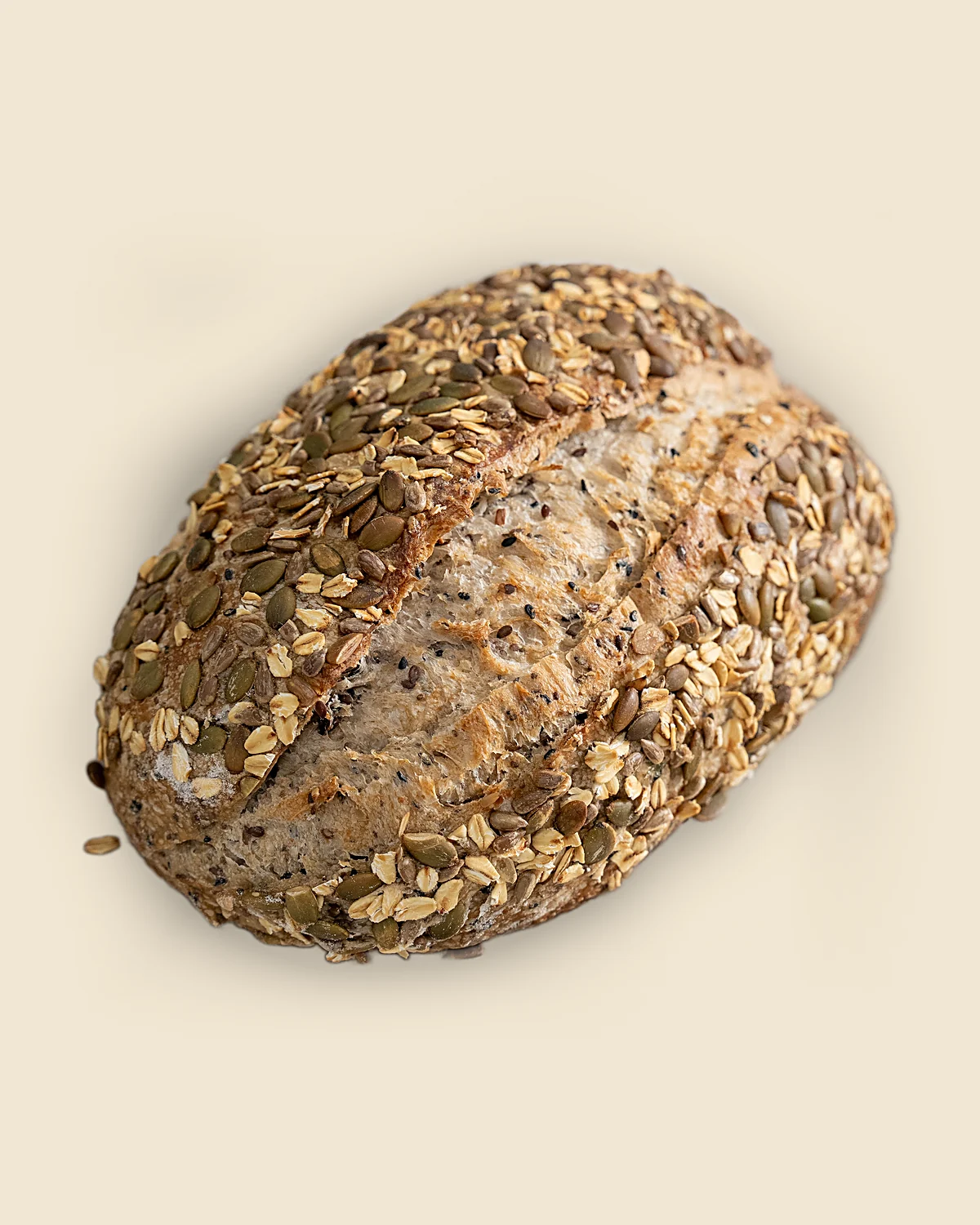
Harvest Multigrain Sourdough
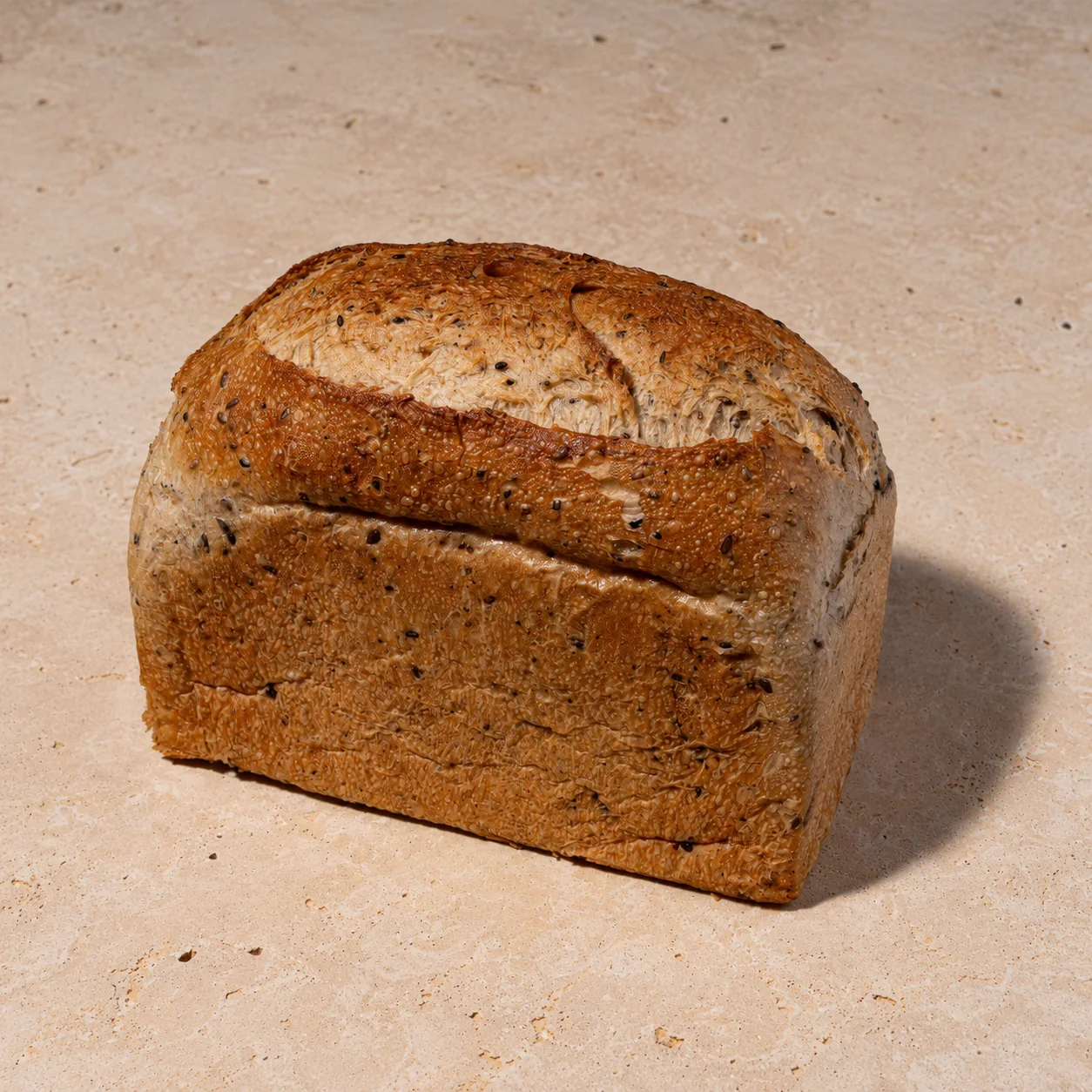
Seeded Sourdough Sandwich Loaf