How to Revive Stale Bread (and Make It Soft Again)
In short
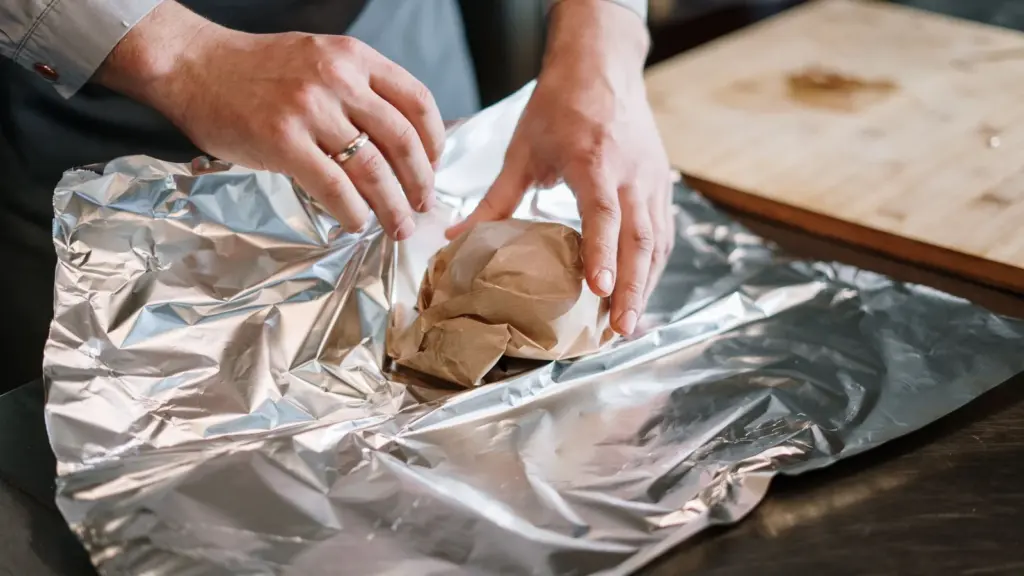
To revive stale bread, wet the crust, wrap the loaf in foil and warm it in a 300°F oven, then unwrap it for a few minutes to re-crisp. Toast or steam slices and rolls. Eat it soon, because revived bread stales again quickly.
A loaf that has turned firm and dry on the counter usually isn’t ruined. In most cases you can bring it back with a little water and some heat. Here’s why bread goes stale, which revival method suits which bread, and what to do when a loaf is past saving.
Why does bread go stale?
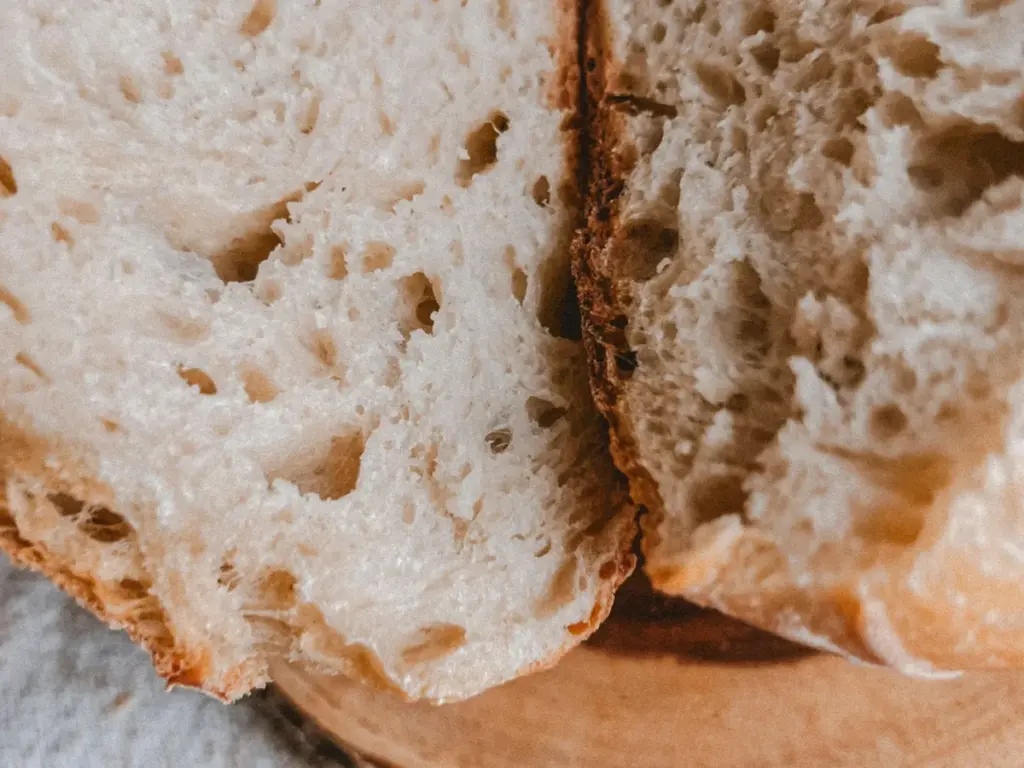
Stale bread feels dry, but drying out is only part of the story. The bigger cause is something food scientists call starch retrogradation. When bread bakes, the starch in the flour soaks up water and softens. As the loaf cools and sits, those starch molecules slowly line up again into firm, crystal-like structures and lock water inside them. The crumb turns firm and crumbly even though much of the water is still there.
That’s the good news. According to America’s Test Kitchen, most of that water stays trapped in the starch crystals, so staling is reversible for a while. Heat loosens the crystals and lets the starch take the water back up, and the bread softens again.
Moisture loss is the second, slower problem. Over days, water escapes through the cut face and the crust. A loaf that has lost a lot of water needs extra moisture added back, not just heat. That’s why the methods below start with water.
How do you revive stale bread in the oven?
The oven is the best tool for a whole or half loaf, especially a crusty one. This is the method America’s Test Kitchen recommends:
- Wet the crust. Briefly run a crusty loaf under cold water from the faucet. You want the crust damp, not the crumb soaked. Skip this step for soft loaves.
- Wrap it in foil. Wrapping tightly makes the bread steam instead of toast.
- Heat it gently. Put it on the middle rack of a cold oven and set it to 300°F. Give a standard loaf about 30 minutes, or 15 to 20 minutes for a narrow loaf like a baguette.
- Crisp it. Unwrap the loaf and bake about 5 minutes more to firm up the crust.
No foil? A damp (not dripping) kitchen towel or a few spritzes from a spray bottle also work. Watch the loaf closely, because without a wrap the crust browns faster.
One catch: the revival doesn’t last. The starches recrystallize quickly once the bread cools, so ATK notes it lasts only a few hours. Revive what you’ll eat at that meal, not the whole loaf for the week.
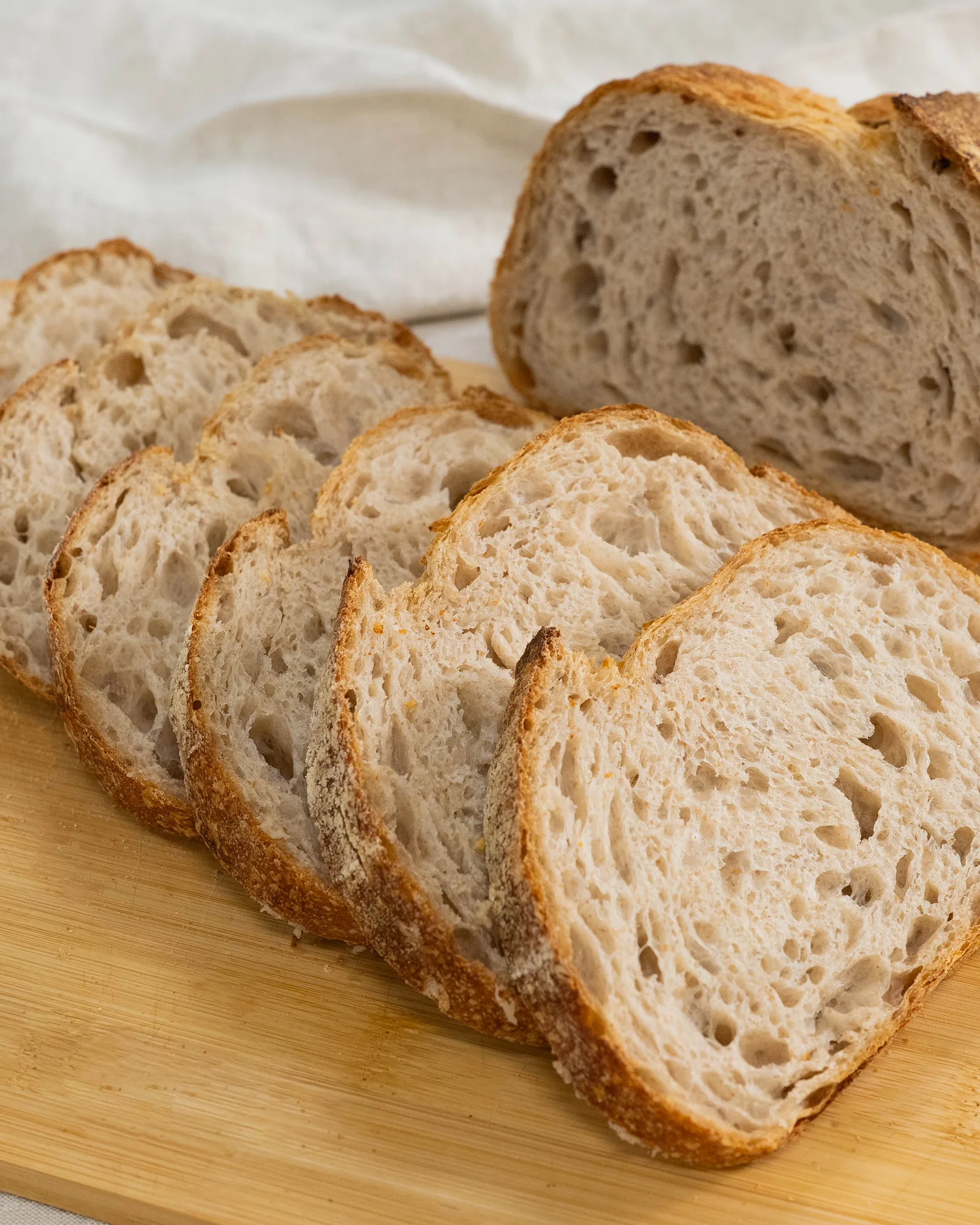
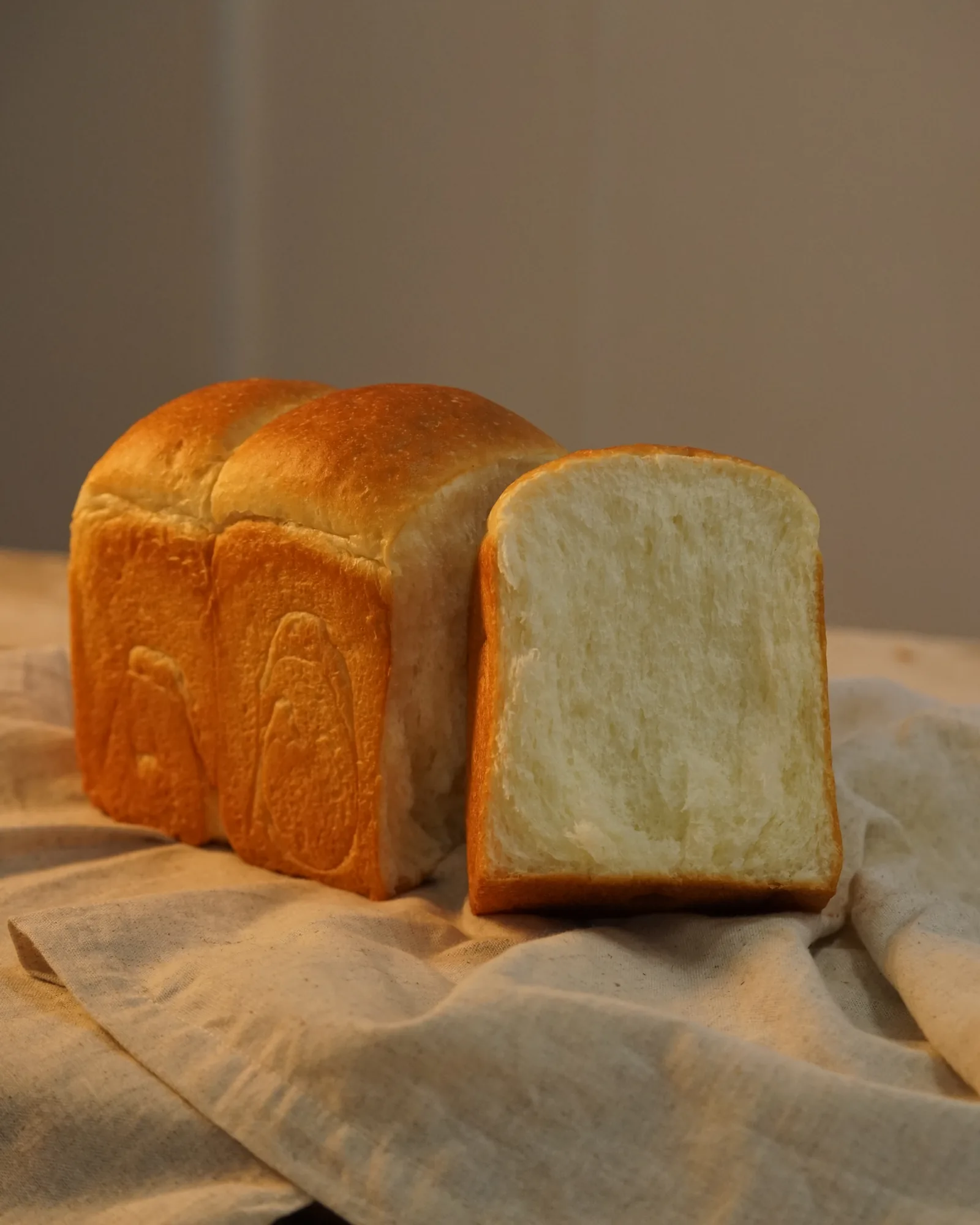
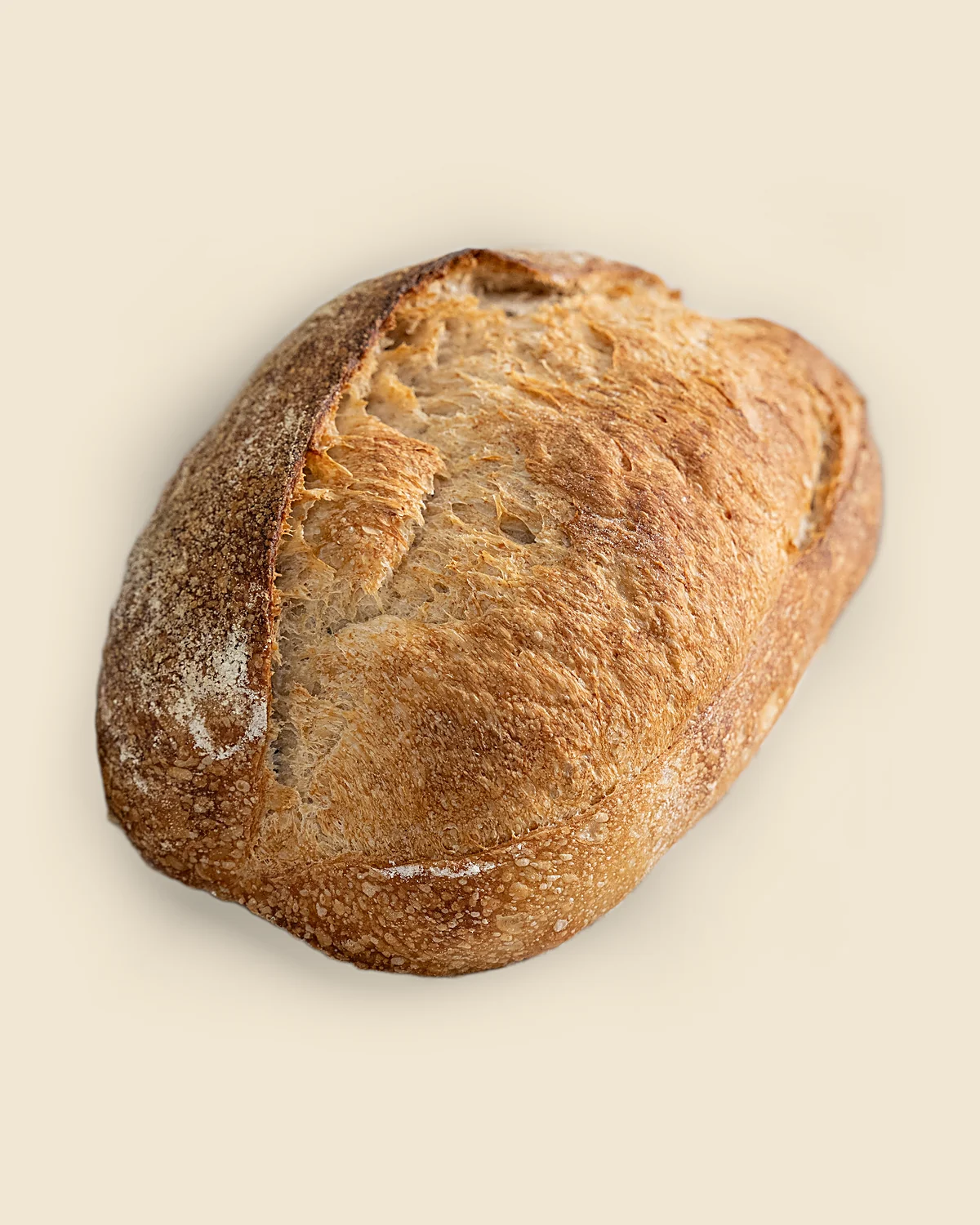
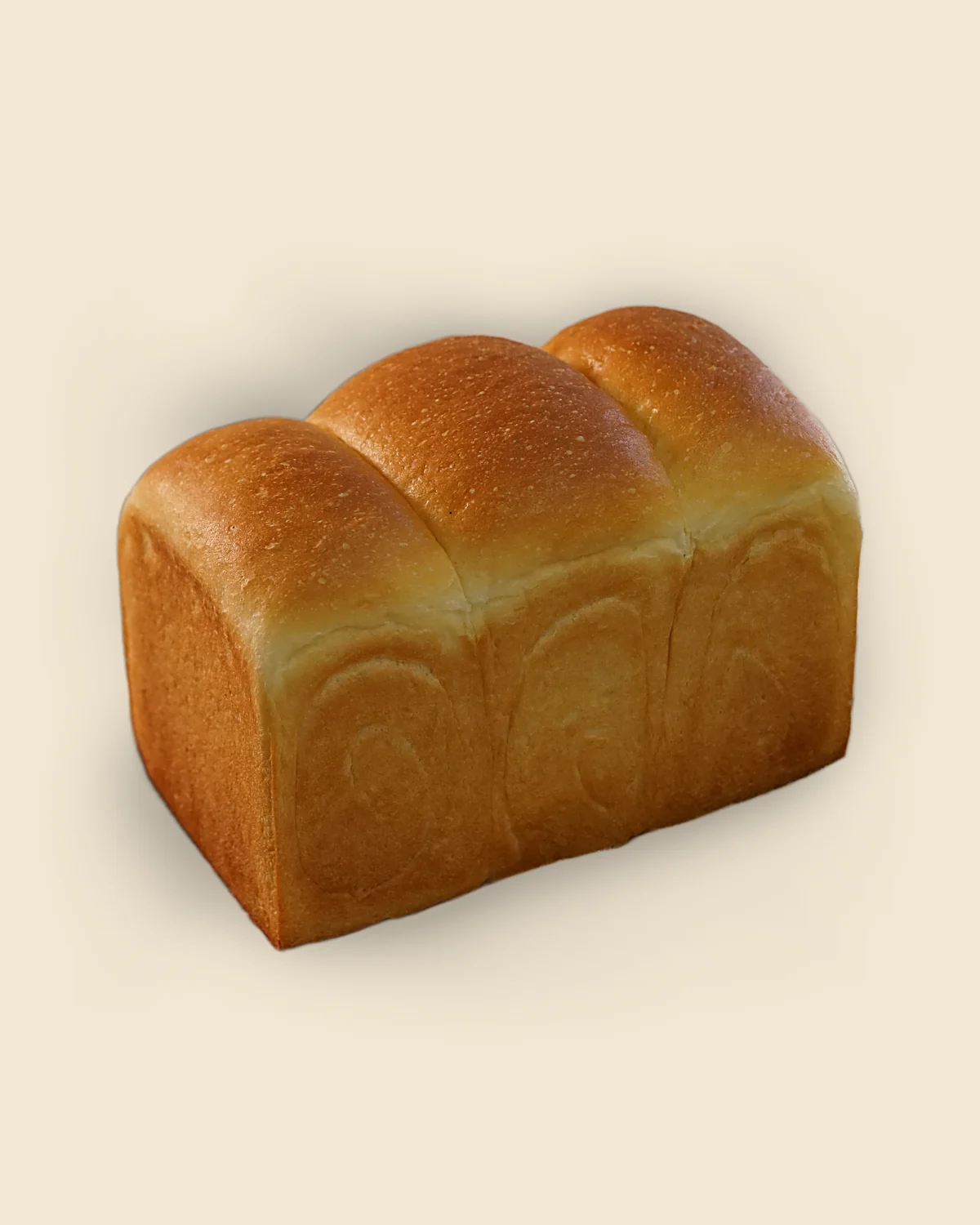
For our loaves, our care guide says: warm a whole Classic Country Sourdough for 8 to 10 minutes at 375°F for a shattering crust. Warm a whole Hokkaido Milk Bread for 5 to 6 minutes at 325°F, covered loosely in foil. These times are for our bread, which we bake and then freeze, so it comes out of the oven tasting freshly baked rather than revived.
Can you microwave bread to soften it?
Yes, but only for bread you’ll eat right away. Wrap a slice or roll in a damp paper towel and microwave it in short bursts. King Arthur’s guide to defrosting bread gives 30 to 45 seconds for a single slice or roll.
The trade-off is texture. King Arthur Baking warns that a microwaved slice “will quickly turn hard and stale as the moisture evaporates.” America’s Test Kitchen explains that microwaves boil the water inside the bread in scattered spots and push the starch into dense clusters. The bread feels soft while hot, then turns tough as it cools, often within a minute. Eat it warm, and never microwave bread you plan to serve later.
For our scones, the care guide puts it plainly: microwave only if you must, for about 20 seconds, then give it a hot pan to bring back the crust. Otherwise, 6 to 8 minutes at 350°F from frozen re-crisps the outside while the center stays tender.
What’s the fastest way to fix stale slices?
Slices don’t need the full oven routine. A few quick options:
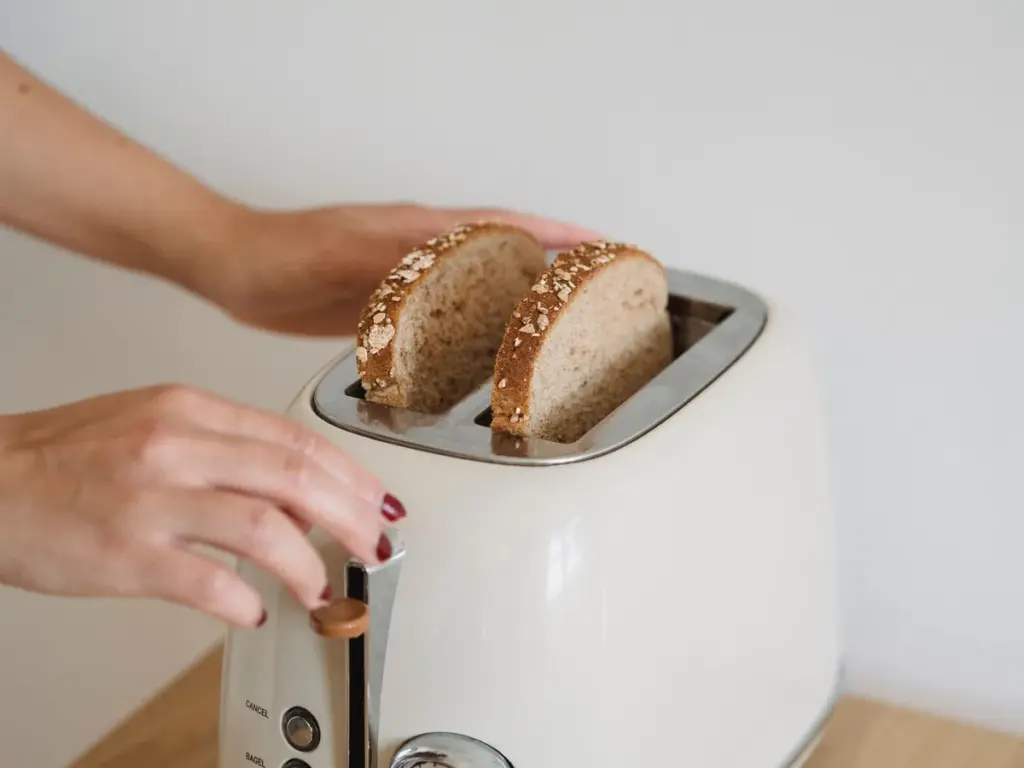
- Toaster. Toasting softens the inside while crisping the outside, which is why stale slices make great toast. For a roll, bun or pita, ATK suggests a light spritz of water on the outside first, then a short toast just to warm it through.
- Skillet. A dry or lightly buttered pan over medium heat works like a toaster for thick slices or split rolls.
- Steam. For soft buns and rolls, set a colander or steamer basket over a pot of boiling water, cover it and steam them briefly. Chowhound recommends no more than two minutes so the buns don’t get soggy.
Soft breads need gentle heat. Our milk bread slices take only a light toast, and they need watching. For filled soft buns like our Cranberry Cream Cheese Bun, our care guide says to thaw in the fridge, then warm 3 to 4 minutes at 325°F to wake up the crust without melting the center out.
Which method works best for which bread?
| Method | Best for | Time | Result | Watch-outs |
|---|---|---|---|---|
| Oven + water (wrapped in foil) | Whole or half crusty loaves, baguettes | About 20–35 min at 300°F, plus 5 min unwrapped | Soft crumb, crisp crust, closest to fresh | Lasts only a few hours; don’t soak the crumb |
| Microwave + damp paper towel | A slice or roll you’ll eat immediately | 30–45 sec | Soft and warm at first | Turns tough as it cools, often within a minute |
| Toaster | Sandwich slices, sourdough slices | 1–3 min | Crisp outside, warm inside | Milk breads and sweet breads brown fast |
| Steaming | Soft buns, dinner rolls, milk bread | Up to 2 min | Very soft, moist surface | No crust; too long makes it soggy |
| Skillet | Thick slices, split rolls | 2–4 min | Toasty, buttery surface | Easy to burn; best for slices, not whole loaves |
What if your bread is too far gone?
Some bread is too dry and hard to revive, like a heel that has sat out uncovered for days. That bread is still a great ingredient, because dry bread soaks up flavor without falling apart.
- Croutons. Cube it, toss it with olive oil and salt, and bake. Our sourdough crouton guide walks through it.
- Stuffing. Dry, sturdy bread is exactly what stuffing needs. See the best bread for stuffing.
- Bread pudding or French toast. Day-old bread absorbs custard without turning to mush.
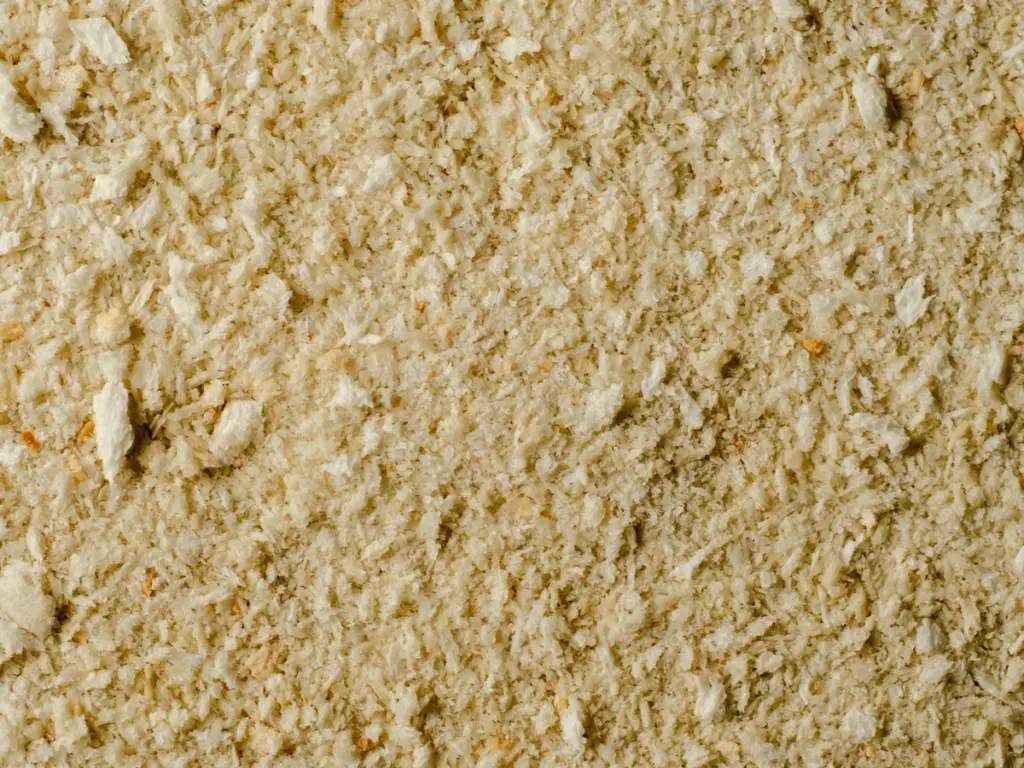
- Breadcrumbs. Blitz fully dried bread in a food processor and freeze the crumbs for coating and topping.
Is stale bread safe to eat? What about moldy bread?
Stale and moldy are different things. Staling is a change in texture, not spoilage, so stale bread is fine to eat or cook with. Mold is a food-safety issue.
If you see mold on bread, throw the whole loaf out. Don’t cut around the spot or try to revive it. The USDA Food Safety and Inspection Service lists bread and baked goods as foods to discard when moldy, because porous foods can be contaminated below the surface. The fuzzy spot you see is only part of the mold; its root-like threads can run deep into the food. USDA also advises not sniffing moldy food, since that can cause breathing problems.
How do you keep bread from going stale in the first place?
- Skip the fridge. Cold speeds up retrogradation. America’s Test Kitchen found that a rustic loaf goes stale within a day in the refrigerator, about twice as fast as at room temperature.
- Counter for a few days. Keep crusty loaves cut-side down in a paper bag. Our care guide gives 3 to 4 days on the counter for a thawed sourdough loaf. Milk bread stays soft in its bag for 3 to 4 days.
- Freeze for anything longer. Freezing stops the starch from forming those crystals, ATK explains, so frozen bread keeps far longer. Slice before freezing so you can toast slices straight from frozen.
For the full rundown, see our guides on how to keep bread fresh and how to freeze, thaw and reheat sourdough.
Questions
How long does revived bread stay soft?
Only a few hours. Once it cools, the starch starts recrystallizing again, so revive just what you plan to eat at that meal.
Can you revive the same loaf twice?
You can, but each round dries the bread a little more and the crust gets harder. After a second revival, it's usually better to turn the rest into croutons or breadcrumbs.
Why is my revived bread soggy?
Usually too much water. Run only the crust under the faucet for a second or two, and finish the loaf unwrapped in the oven so the surface dries and crisps.
Can you revive frozen bread that has freezer burn?
Warming helps, but dry, freezer-burned patches won't fully recover. Toast it, or turn badly affected bread into croutons or breadcrumbs.
Sources
- America’s Test Kitchen: How to Revive Stale Bread
- America’s Test Kitchen: Don’t Refrigerate Baked Goods
- America’s Test Kitchen: Can You Toast Bread in the Microwave?
- King Arthur Baking: How to Defrost Bread
- Chowhound: Steam Burger Buns on the Stove Using a Colander
- USDA Food Safety and Inspection Service: Molds on Food: Are They Dangerous?
Bake it home
Classic Country Sourdough
Hokkaido Milk Bread