How to Keep Bread Fresh (Every Kind of Loaf)
In short
Keep crusty bread cut-side down in a paper bag or bread box, keep soft loaves sealed in a bag at room temperature, and freeze what you won't eat within a few days. Skip the fridge: it makes bread stale faster.
Bread goes downhill in two different ways, and they need opposite fixes. The first is staling: as bread cools and sits, its starch slowly recrystallizes and moisture moves out of the crumb, so the inside turns firm and crumbly while a crisp crust goes leathery. The second is mold, which loves moisture and warmth. Wrap a loaf tightly and you slow staling but trap the humidity mold needs. Leave it open and it won’t mold as fast, but it dries out. Every storage method is a trade-off between those two, and the right choice depends on the bread.
What is the best way to keep bread fresh?
Match the storage to the loaf, and freeze whatever you won’t eat in the next few days.
- Crusty breads (sourdough, country loaves, baguettes, ciabatta): cut-side down on a board for the first day, then a paper bag or bread box.
- Soft and enriched breads (sandwich loaves, milk bread, brioche, challah): sealed in a plastic bag at room temperature.
- Buns or pastries with dairy or meat fillings: the refrigerator, and eat them soon.
- Anything you won’t finish in 2–4 days: slice it and freeze it.
A German study that compared common household methods, including a paper bag, plastic bag, bread box and refrigerator, found that storage temperature had a strong effect on how fast bread staled, and higher humidity encouraged microbial growth. That is the whole game in one sentence: keep bread cool-ish but not cold, and dry-ish but not open to the air.
How do you store crusty bread like sourdough?
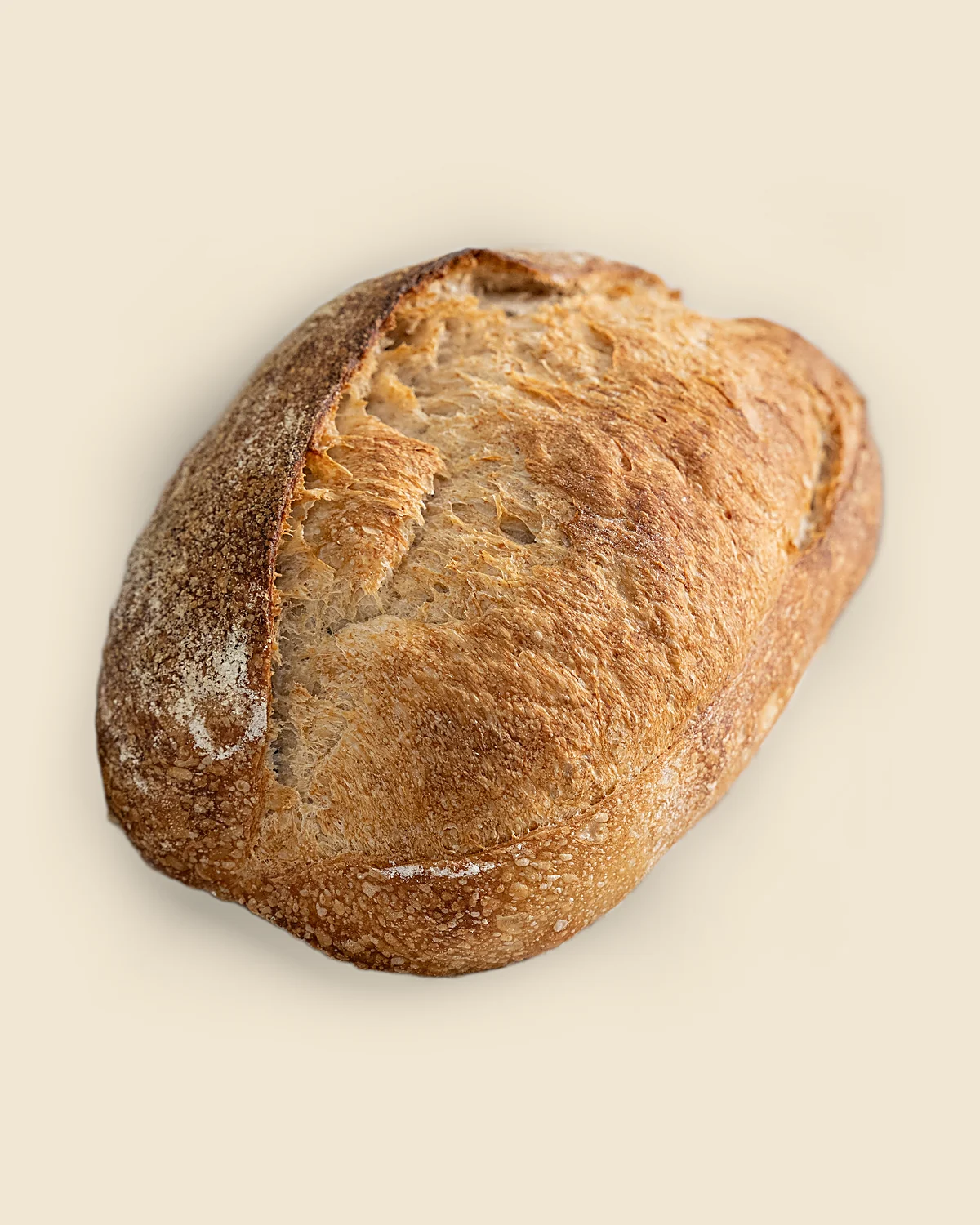
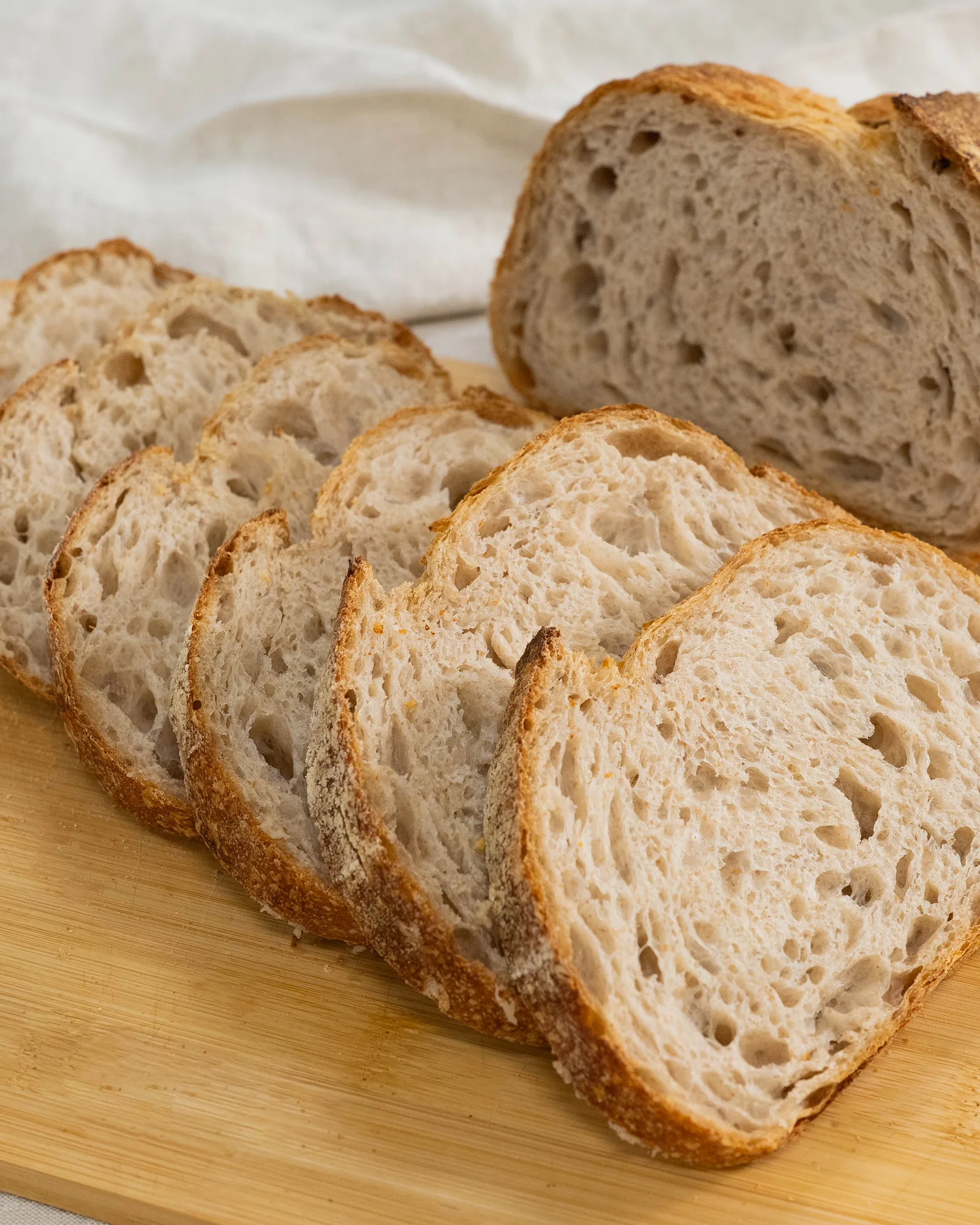
A crusty loaf is at its best the day it’s baked or thawed. For that first day, simply stand it cut-side down on a cutting board. The cut face seals against the wood and the crust stays crisp.
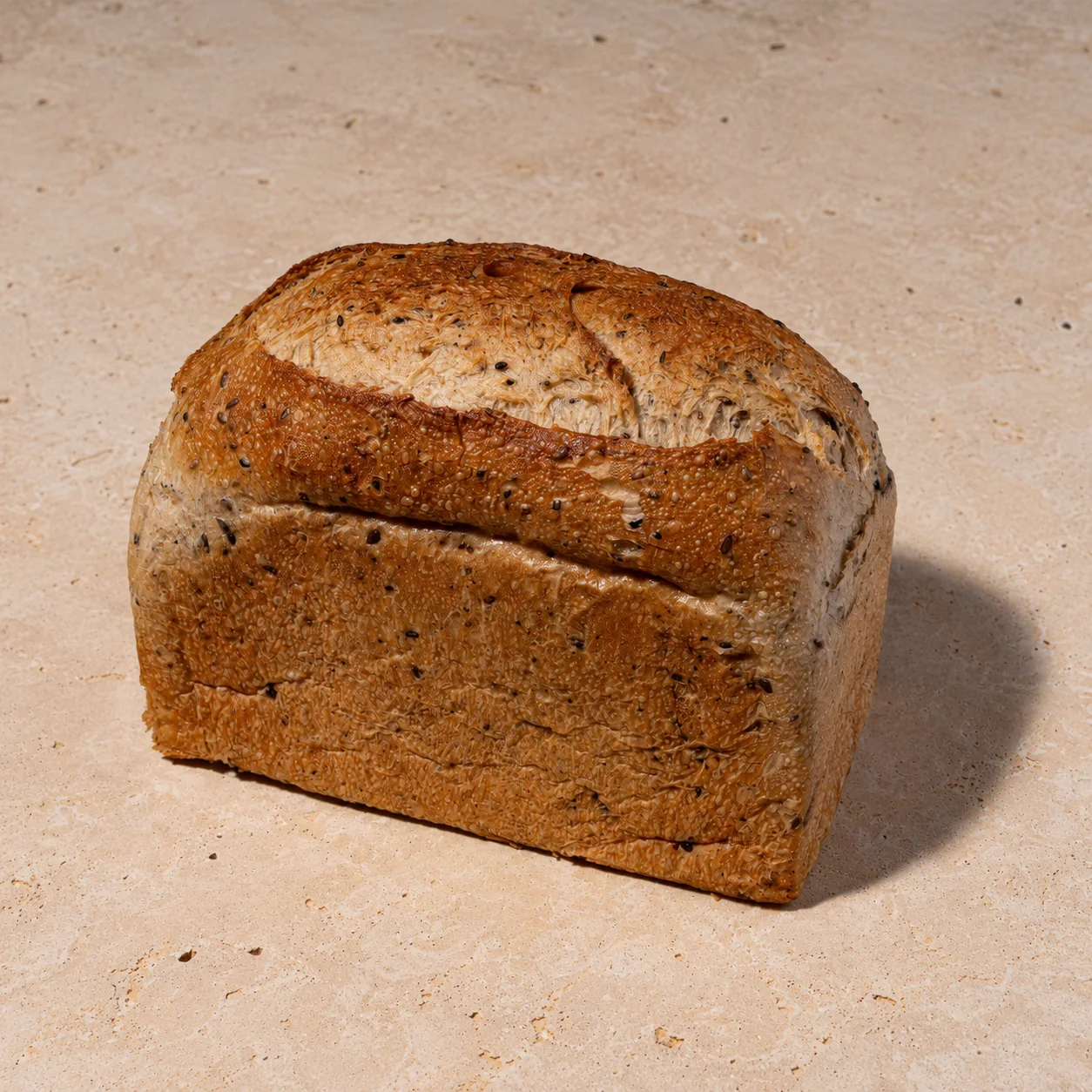
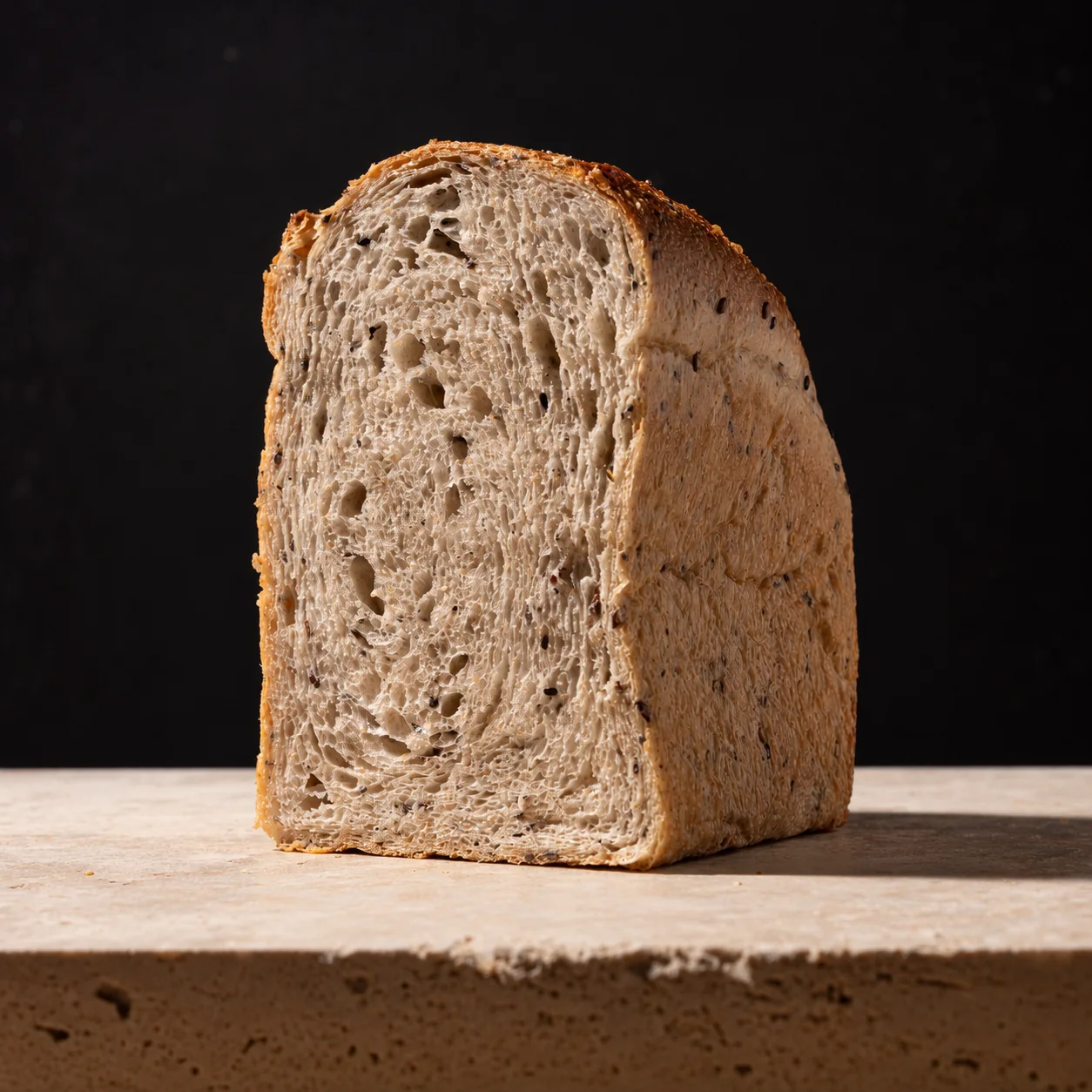
From day two, move it into a paper bag or bread box, still cut-side down. Paper lets the crust breathe while slowing moisture loss from the crumb. Our own care guide for sourdough is the same: once thawed, keep it cut-side down in a paper bag on the counter for 3–4 days, and never in the fridge. Long, naturally leavened loaves like our Classic Country Sourdough hold up well over that window. Thin breads with a lot of crust and little crumb, like baguettes and ciabatta, are best within a day or two.
If you want more detail on sourdough specifically, our guide on how to store sourdough bread goes deeper.
How should you store sandwich bread and milk bread?
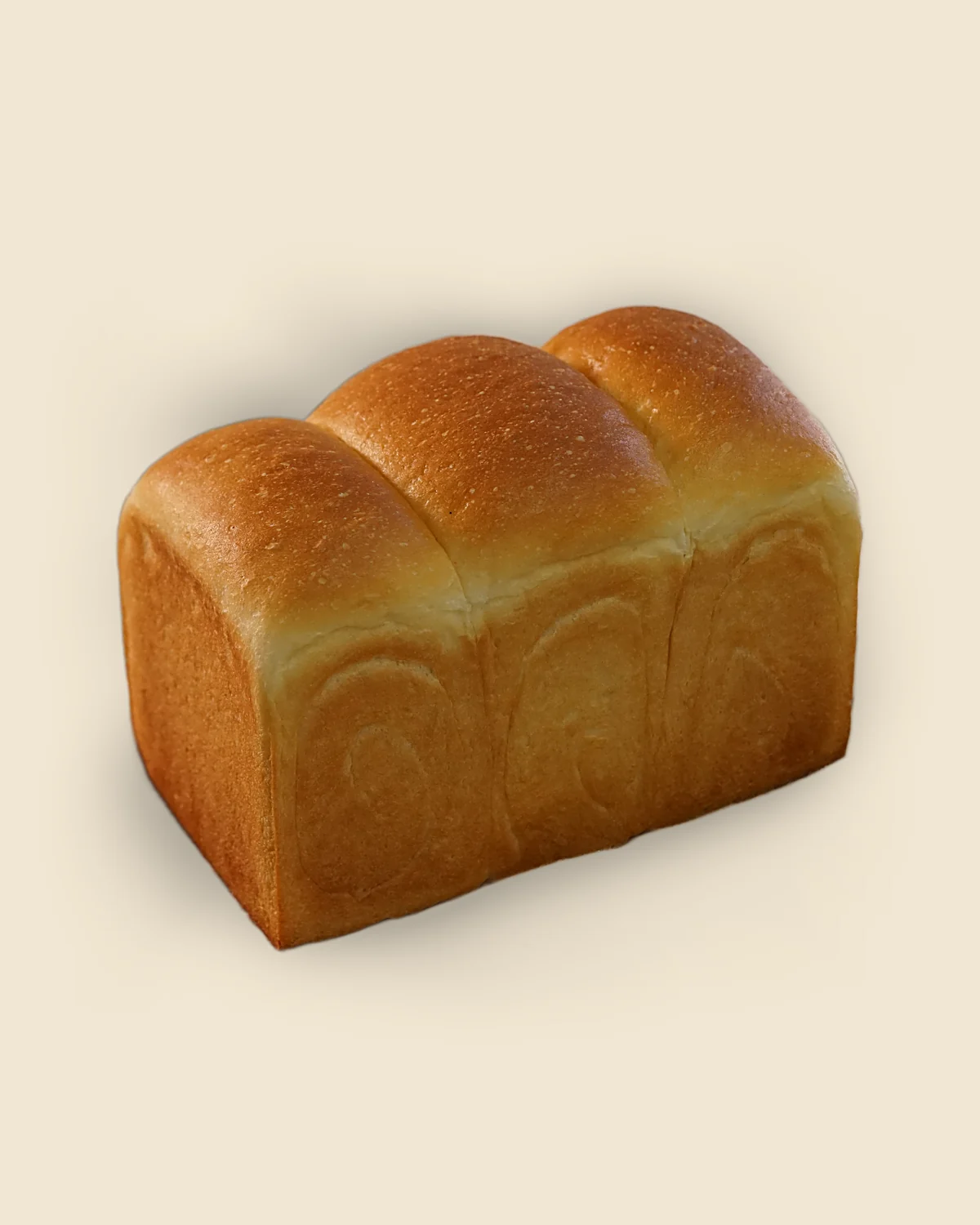
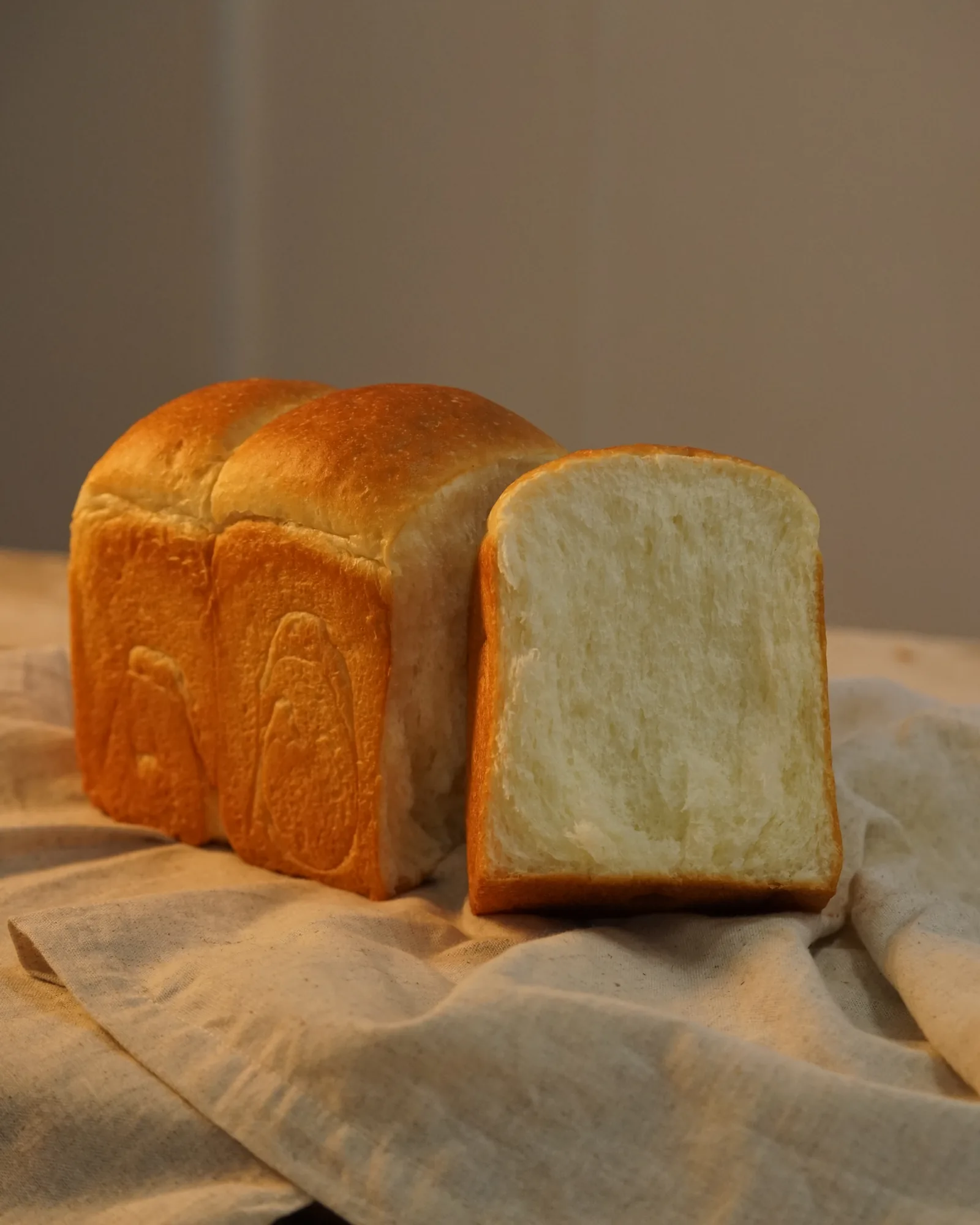
Soft breads are meant to be soft all the way through, so there’s no crisp crust to protect. Butter, milk, eggs and sugar also help them hold moisture. Keep these loaves sealed in a plastic bag, with as much air pressed out as you can, at room temperature.
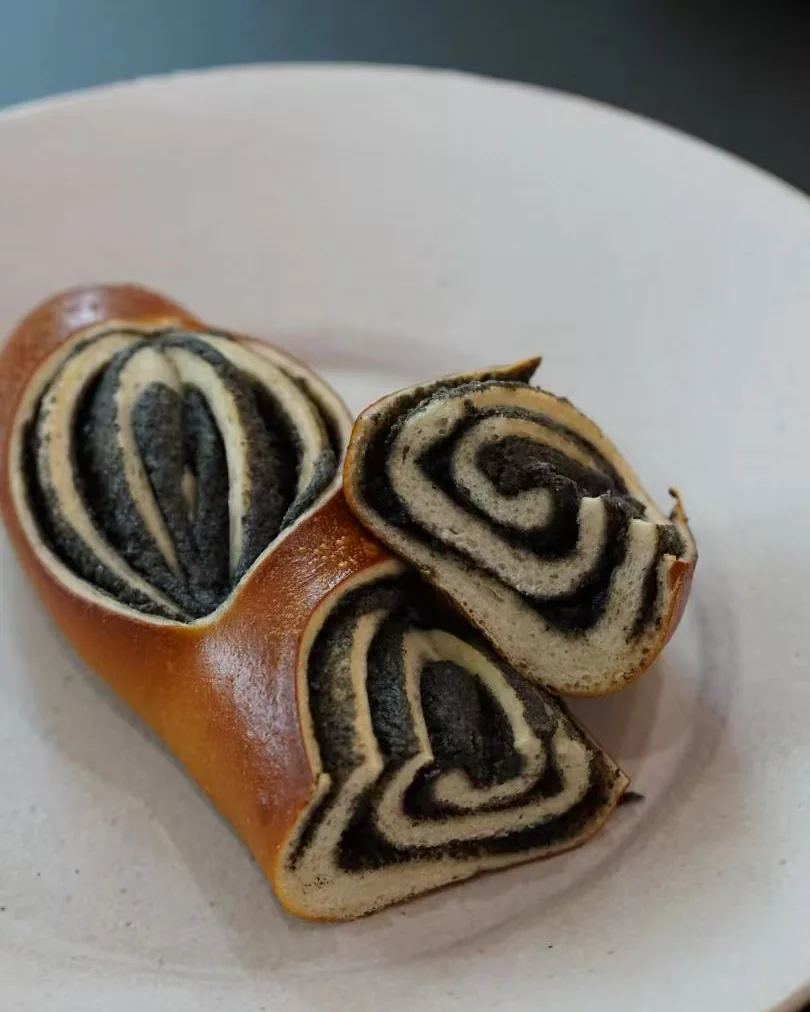
That applies to supermarket sandwich bread, brioche, challah and Japanese milk bread. Our Hokkaido Milk Bread and Seeded Sourdough Sandwich Loaf keep soft in their bag on the counter for 3–4 days after thawing. Packaged sandwich bread often lasts longer than that because it may contain preservatives; bakery bread without them follows a natural timeline.
What about buns, scones and pastries?
- Plain rolls and buns: sealed bag on the counter for a day or two, then freeze.
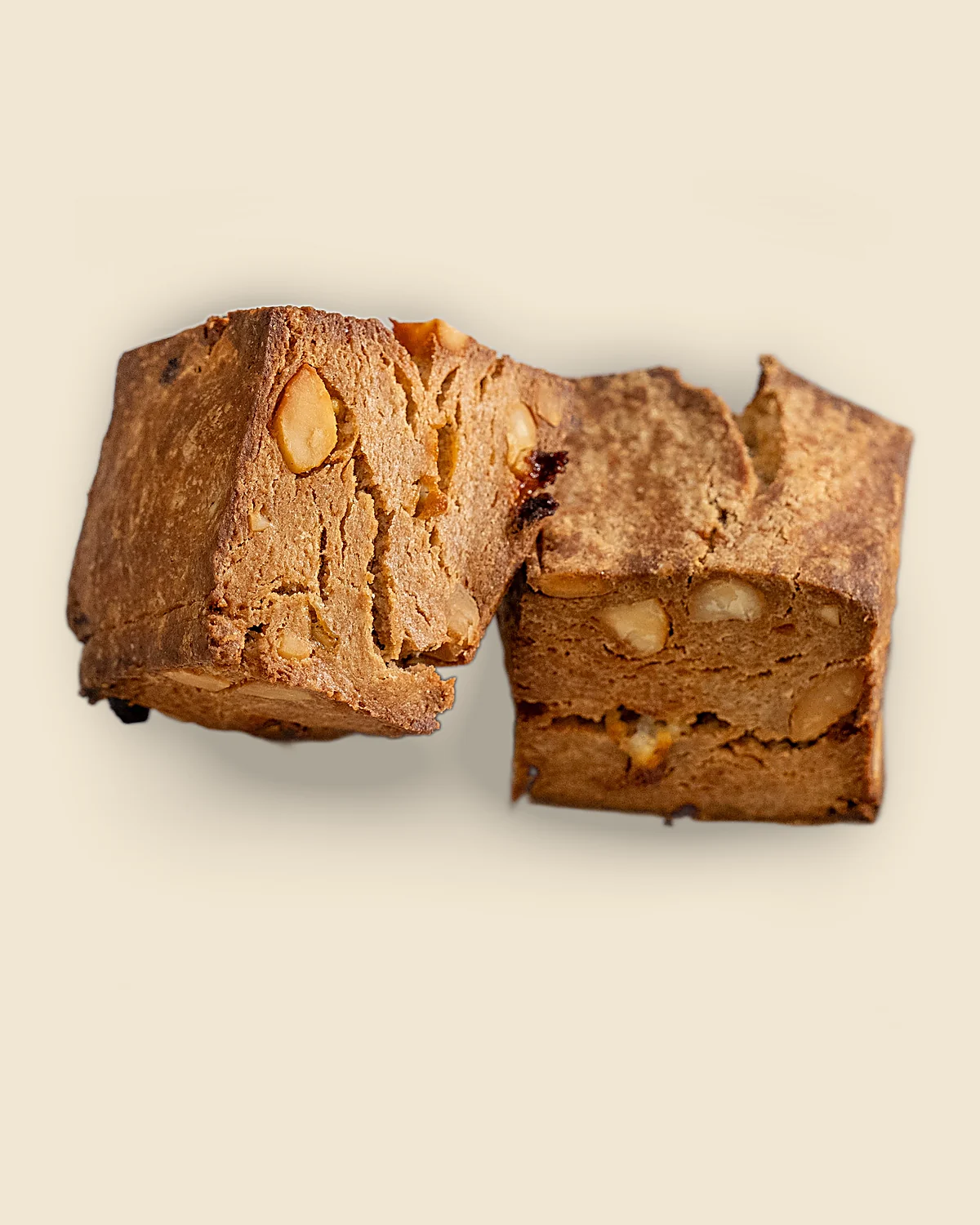
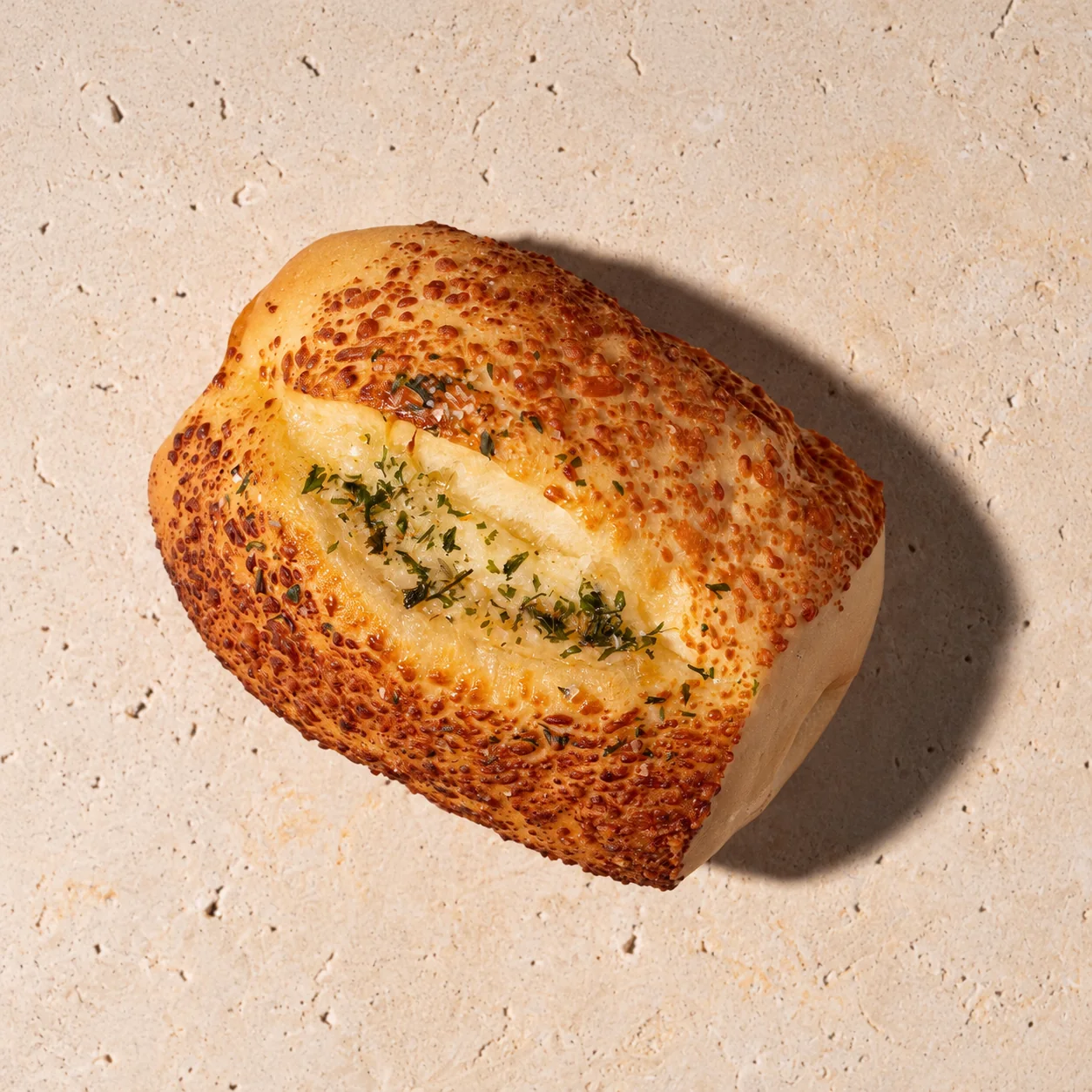
- Buns filled with cream cheese, custard or meat: refrigerate them. Our care guide for cream cheese buns says to refrigerate once thawed and eat within 2 days.
- Scones: an airtight tin or container on the counter for 2–3 days. A quick reheat brings back the crisp edges.
- Croissants and laminated pastries: best the same day; after that, freeze and re-crisp in the oven.
- Soft pretzels: ours keep in an airtight tin on the counter for up to a week, longer than most of the lineup.
Paper bag, plastic bag or bread box?
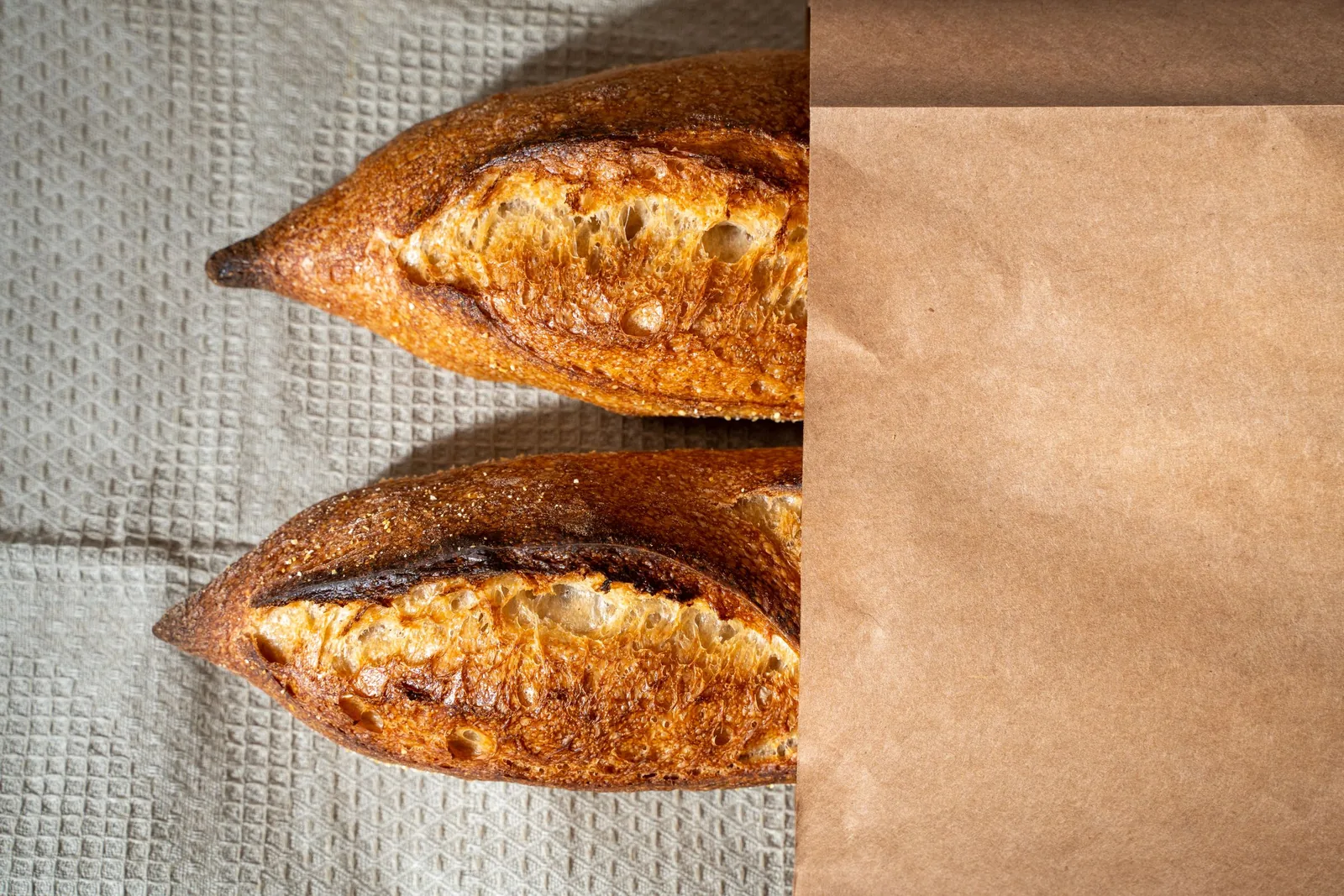
Each one holds a different amount of moisture around the bread. Here’s how they compare.
| Method | Best for | What happens to the crust | Rough counter life | Watch out for |
|---|---|---|---|---|
| Cut-side down on a board | Crusty loaves, day one | Stays crisp | 1 day | Dries out after that |
| Paper bag | Crusty loaves | Stays fairly crisp | 2–4 days | Crumb dries a little faster |
| Bread box | Crusty or soft breads | Softens slightly | 2–4 days | Overfilling it traps moisture |
| Plastic bag | Soft and enriched breads | Goes soft | 3–4 days | Mold if the kitchen is warm or humid |
| Refrigerator | Dairy- or meat-filled buns only | Goes stale and tough | 1–2 days for filled buns | Speeds staling of plain bread |
| Freezer | Everything | Restores well when reheated | About 3 months | Freezer burn if not well wrapped |
A bread box works because it sits in the middle: it holds in a little humidity from the bread itself without sealing it airtight. Keep it out of direct sun and away from the stove, dishwasher and the top of the fridge, which all run warm. Wipe out crumbs regularly so mold spores don’t build up.
Should you put bread in the fridge?
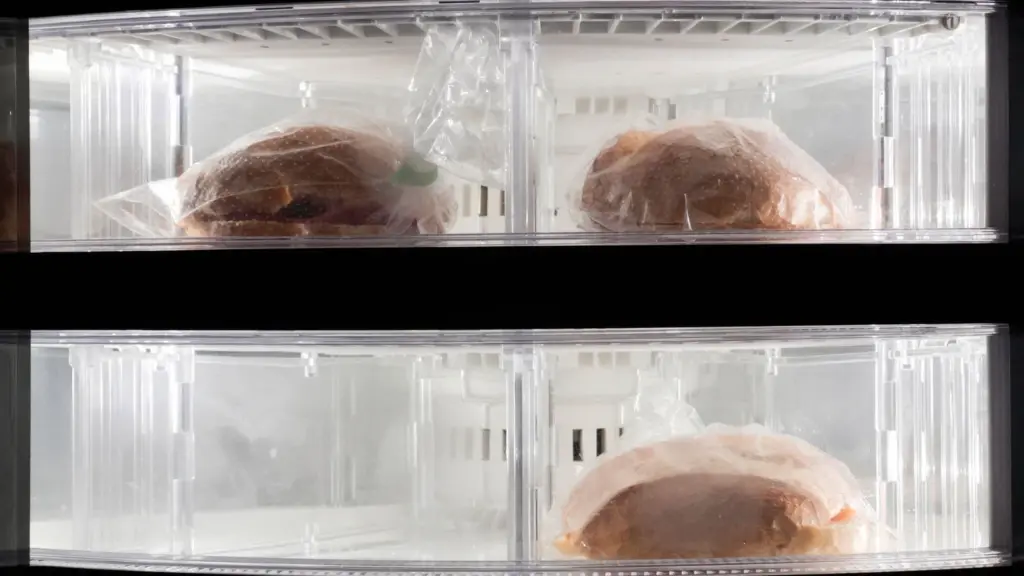
Usually not. The cold slows mold, but it speeds staling. According to North Dakota State University Extension, refrigerated bread goes stale about six times faster than bread kept at room temperature.
The exception is bread with a perishable filling, like cream cheese, custard or meat, which belongs in the fridge for food safety. If your kitchen is so warm and humid that bread molds within a couple of days, the freezer is a better answer than the fridge.
How do you freeze bread so it tastes fresh?
Freezing nearly stops staling. NDSU Extension notes that bread usually stays at high quality for about three months in the freezer. It’s also how we deliver our bread: baked to its peak, then flash-frozen.
- Let fresh bread cool completely first, or condensation will form inside the bag.
- Slice it before freezing so you can take out only what you need.
- Wrap it tightly or use a freezer bag, pressing out the air. Label it with the date.
- Toast slices straight from frozen. Thaw a whole loaf at room temperature in its wrapping, then refresh it in the oven.
Our guide to freezing, thawing and reheating sourdough has step-by-step times.
How long does bread last?
These are rough guides for bread without preservatives, stored well. Warm, humid kitchens shorten them.
| Bread | Counter | Fridge | Freezer |
|---|---|---|---|
| Sourdough and country loaves | 3–4 days | Not recommended | About 3 months |
| Baguette and ciabatta | 1–2 days | Not recommended | About 3 months |
| Sandwich bread and milk bread | 3–4 days | Not recommended | About 3 months |
| Plain rolls and buns | 1–2 days | Not recommended | About 3 months |
| Cream cheese or meat-filled buns | Not recommended | About 2 days | About 3 months |
| Scones | 2–3 days, airtight | Not recommended | About 3 months |
How do you revive stale bread?
Staling is partly reversible. Heat softens the firmed-up starch again, which is why NDSU Extension notes that stale bread can be revived by toasting or reheating it.
- Crusty loaf: run the crust briefly under the tap or mist it with water, then bake at 375°F for about 8–10 minutes. Eat it soon, since it will stale again quickly.
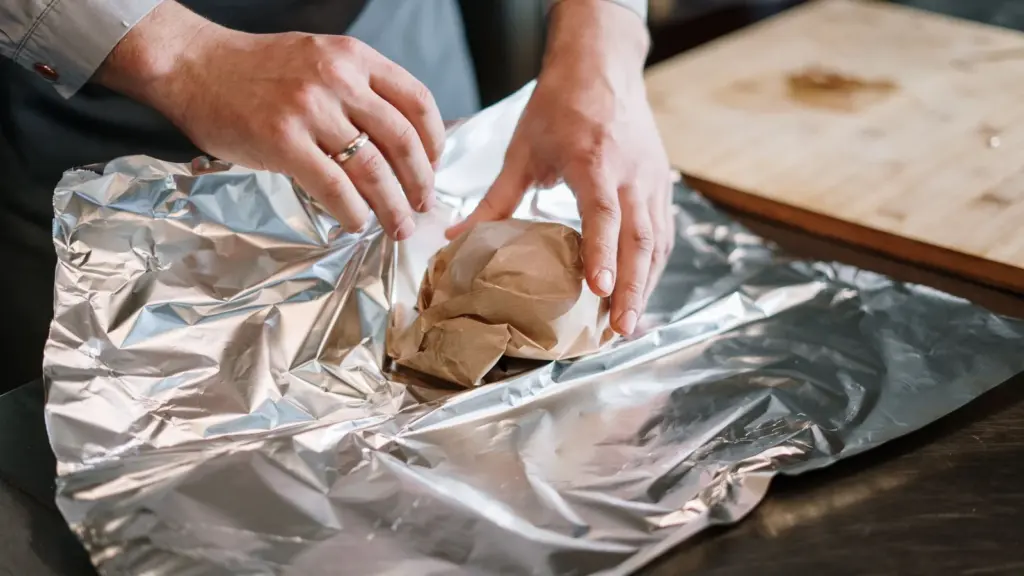
- Soft loaf: wrap it loosely in foil and warm it at about 325°F for 5–6 minutes.
- Slices: toast them. Milk and sugar brown fast, so watch enriched breads closely.
- Too far gone: turn it into croutons, breadcrumbs, French toast, panzanella or bread pudding.
Reviving only fixes staling. It does nothing for mold.
How can you tell if bread has gone moldy?
Look for fuzzy or powdery spots in green, blue, white, gray or black, often starting on the cut face or the bottom. Don’t confuse mold with the even dusting of flour on a crusty loaf; flour is dry, flat and spread across the surface, while mold grows in raised, fuzzy patches. Bread that tastes or smells musty is also past it. Don’t put your nose right up to a moldy loaf, though: the University of Arkansas Cooperative Extension advises against sniffing mold, since inhaling spores can cause breathing problems.
If you see mold, don’t cut around it. Bread is soft and porous, and there’s no way to know how far mold has spread below the surface. UConn Extension advises discarding any bread or baked goods with visible mold and checking neighboring pieces for cross-contamination.
Questions
Why does bakery bread go stale faster than supermarket bread?
Many packaged loaves contain preservatives, emulsifiers or softeners that extend shelf life. Bread made without them, like ours, stales on a natural timeline, which is why freezing is so useful.
Is it safe to eat stale bread?
Yes, as long as there's no mold. Staling is a change in texture, not spoilage, and toasting or reheating brings much of the softness back.
Can you refreeze bread after thawing it?
You can, but each freeze-thaw cycle costs some texture. Slicing before you freeze lets you take out only what you need, so you rarely have to refreeze.
Does a linen or cotton bread bag work?
For crusty loaves, a cloth bag works much like a paper bag: it keeps the crust crisp for a day or two while the crumb slowly dries. It's not a good fit for soft sandwich bread.
Should I slice bread before storing it on the counter?
No. Slice as you go and keep the cut face down; a whole loaf dries out far more slowly than a sliced one. Slice only right before freezing.
Sources
- Impact of Storing Condition on Staling and Microbial Spoilage Behavior of Bread (Alpers et al., Foods, 2021)
- Prairie Fare: Save Some Bread With These Tips (NDSU Extension)
- Mold Can Have Benefits, Just Not On Our Food (University of Arkansas Cooperative Extension)
- Handling Food with Mold (UConn Extension)
Bake it home
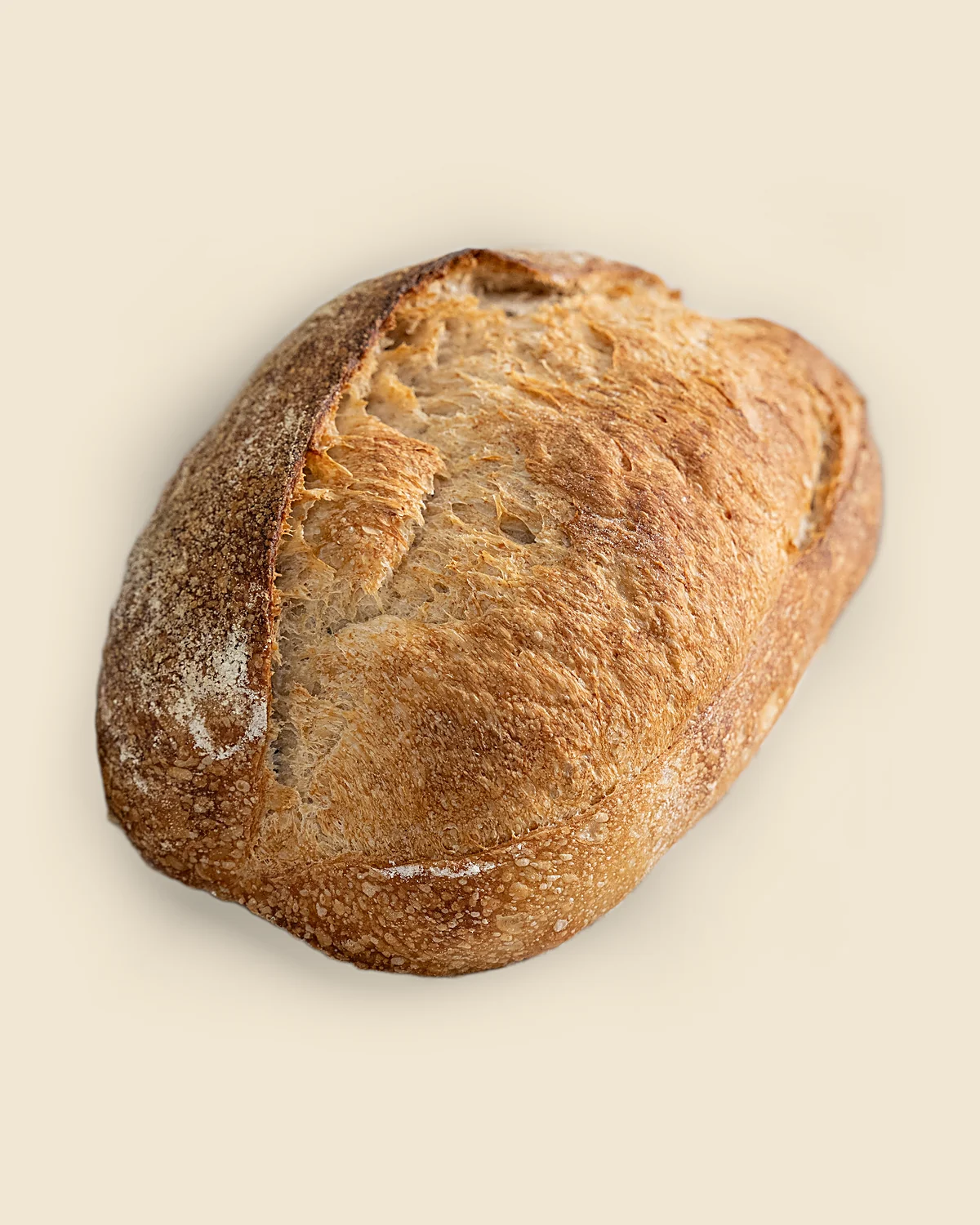
Classic Country Sourdough
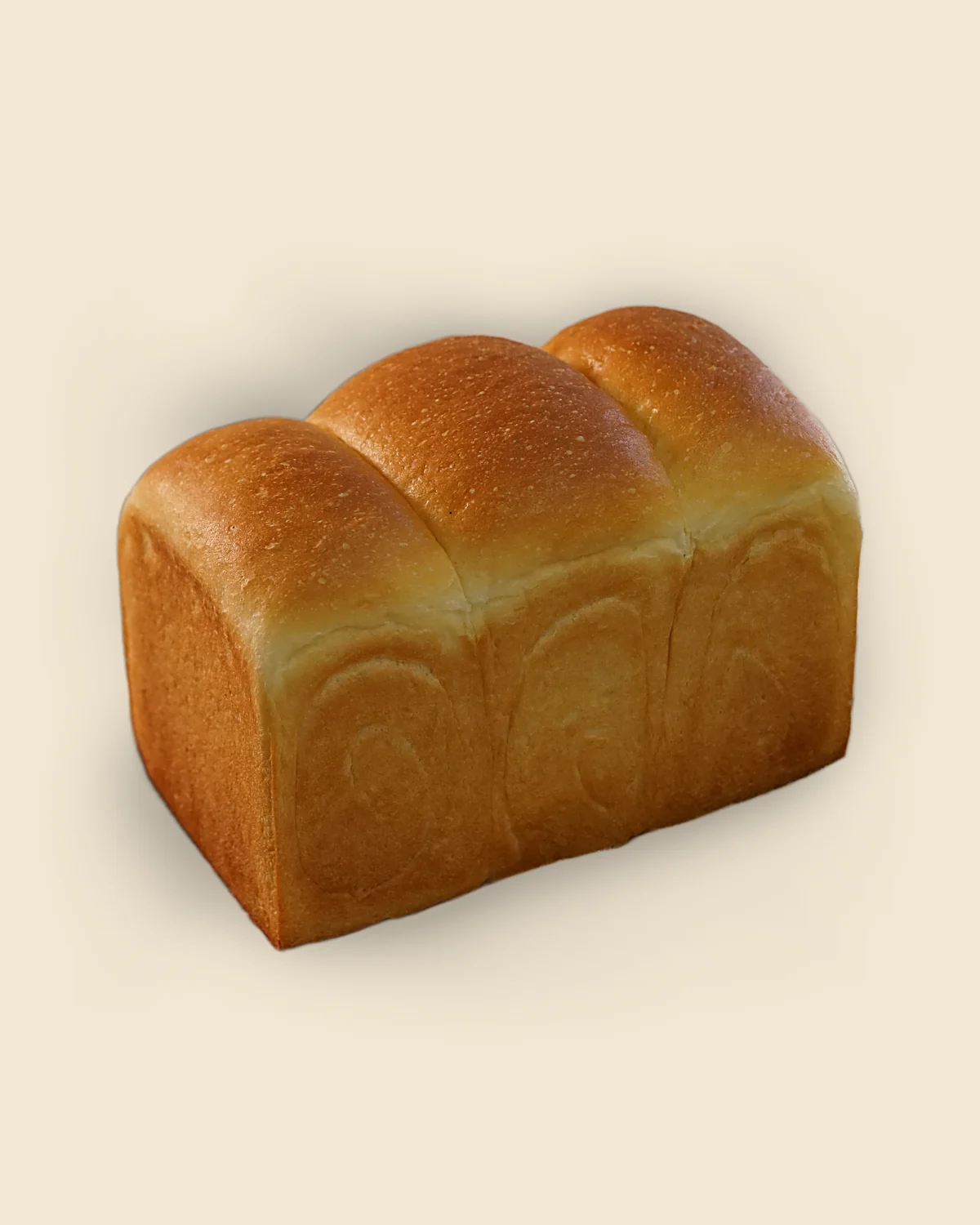
Hokkaido Milk Bread