Is Frozen Bread as Good as Fresh?
In short
Nearly, if it’s frozen at its peak, wrapped airtight and reheated properly. Freezing all but pauses staling, while the fridge speeds it up. Bread keeps its best quality for about 3 months frozen.
Frozen bread can be very nearly as good as fresh, and often better than bread that has sat on the counter for two or three days. The catch is that it depends on when the bread was frozen, how well it was wrapped, and how you bring it back. Here is what actually happens to bread in the freezer, and how to get the best out of it.
Why does bread go stale in the first place?
Staling isn’t mainly drying out. It’s a change in the starch. When bread bakes, the starch in the flour absorbs water and loosens into a soft, gel-like structure. As soon as the loaf cools, those starch molecules slowly start lining back up into firmer, more crystalline structures, a process called starch retrogradation. Moisture also migrates from the crumb to the crust, so the crust goes leathery while the inside turns firm and crumbly.
Temperature controls how fast that happens:
- The fridge is the worst place for bread. Refrigerator temperatures speed up firming. A 2021 study of bread storage cites this as a well-established finding and saw it in its own data: refrigerated wheat bread firmed more than bread kept at room temperature (Foods, 2021).
- The freezer slows it dramatically. In a 2024 study comparing storage at room temperature, 4°C (39°F) and −18°C (0°F), bread stored at 4°C formed more ordered starch crystals, while frozen bread formed fewer (Foods, 2024). Below freezing, water is locked up as ice and starch molecules can barely move.
- Room temperature sits in between. Bread stales steadily on the counter, and it can mold within days, especially in a sealed bag.
So the freezer doesn’t make bread fresh. It pauses it close to the state it was in when it went in.
Does it matter when bread is frozen?
More than anything else. Because freezing roughly locks in the loaf as it is, the best frozen bread is bread frozen soon after it has fully cooled, at its peak. Freeze a loaf on day three and you will thaw a day-three loaf.
| Frozen at peak (same day, fully cooled) | Frozen day-old or older | |
|---|---|---|
| Crumb after thawing | Soft, moist, close to fresh | Firmer, drier |
| Crust after reheating | Re-crisps well | Re-crisps, but the crumb stays tighter |
| Flavor | Bright, as baked | Flatter |
| Best use | Eating as is, toast, sandwiches | Toast, croutons, French toast, bread pudding |
This is also why we work the way we do. At Hour 20 we bake to the loaf’s peak and then flash-freeze it before it ships across California. Freezing quickly, while the bread is at its best, is the same principle you can use at home: don’t wait until a loaf is half-stale to decide to freeze it.
How long can you keep bread in the freezer?
For best quality, about 3 months. The University of Illinois Extension recommends that time frame for both commercial and homemade bread, stored in a heavy-duty freezer bag. Safety isn’t the issue: food kept frozen at 0°F (−18°C) stays safe as long as it hasn’t thawed. What declines with time is flavor and texture.
The usual quality problems are:
- Freezer burn: dry, pale, papery patches where air reached the surface. Wrap tightly and press out the air.
- Off flavors absorbed from other foods in the freezer.
- Ice crystals inside the bag from temperature swings, such as a freezer door opened often. Store bread toward the back, not in the door.
How do you freeze bread so it tastes fresh?
- Cool completely first. Warm bread traps steam, which turns to ice and then makes the crust soggy.
- Slice before freezing if you’ll eat it a few slices at a time. Slices go straight into the toaster from frozen.
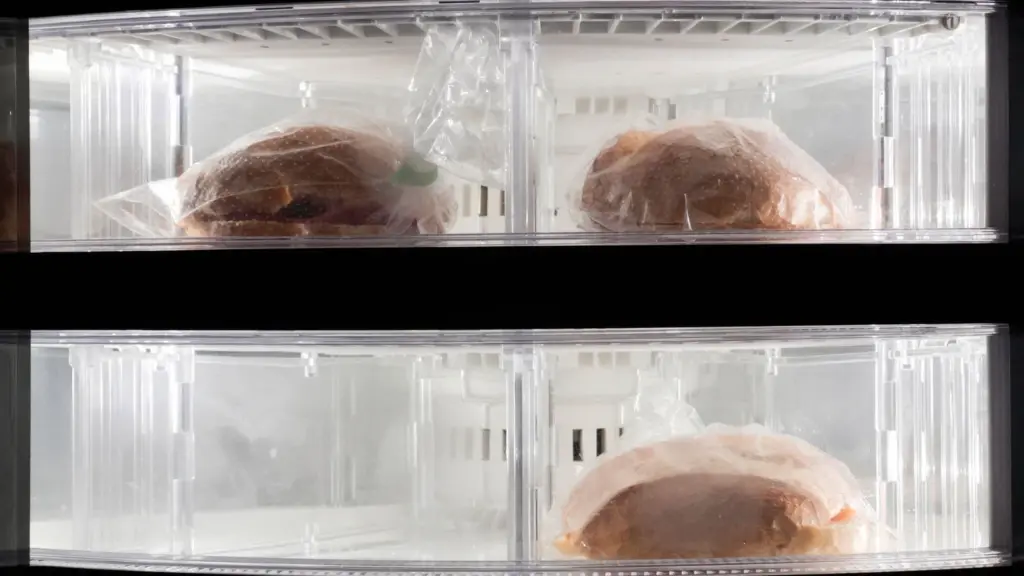
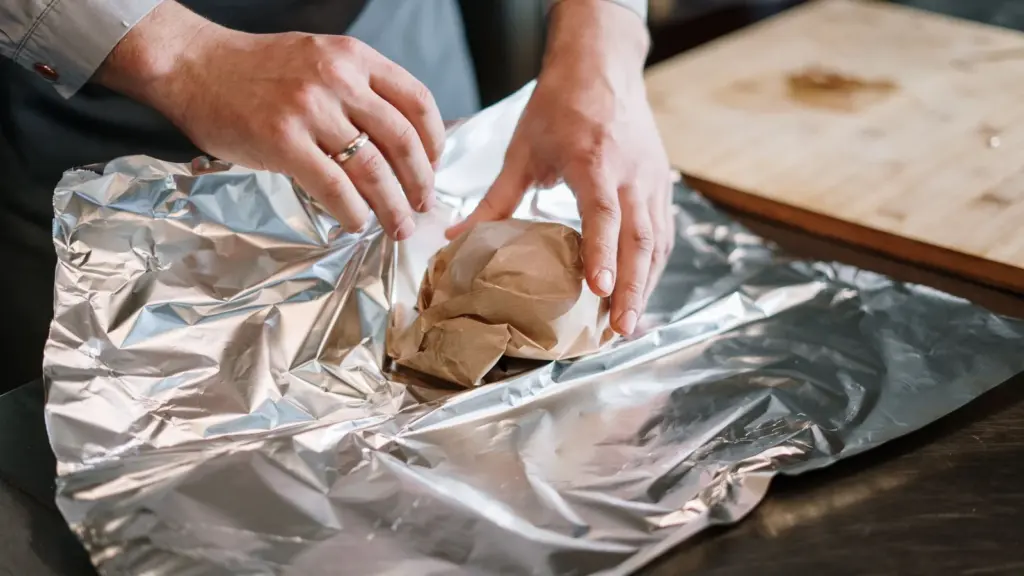
- Wrap airtight. A heavy-duty freezer bag with the air pressed out, or plastic wrap plus a bag or foil. Label it with the date.
- Keep the freezer at 0°F (−18°C) or colder and avoid repeated thaw-and-refreeze cycles.
For step-by-step instructions, see our full guide to freezing, thawing and reheating sourdough.
What’s the best way to thaw and reheat frozen bread?
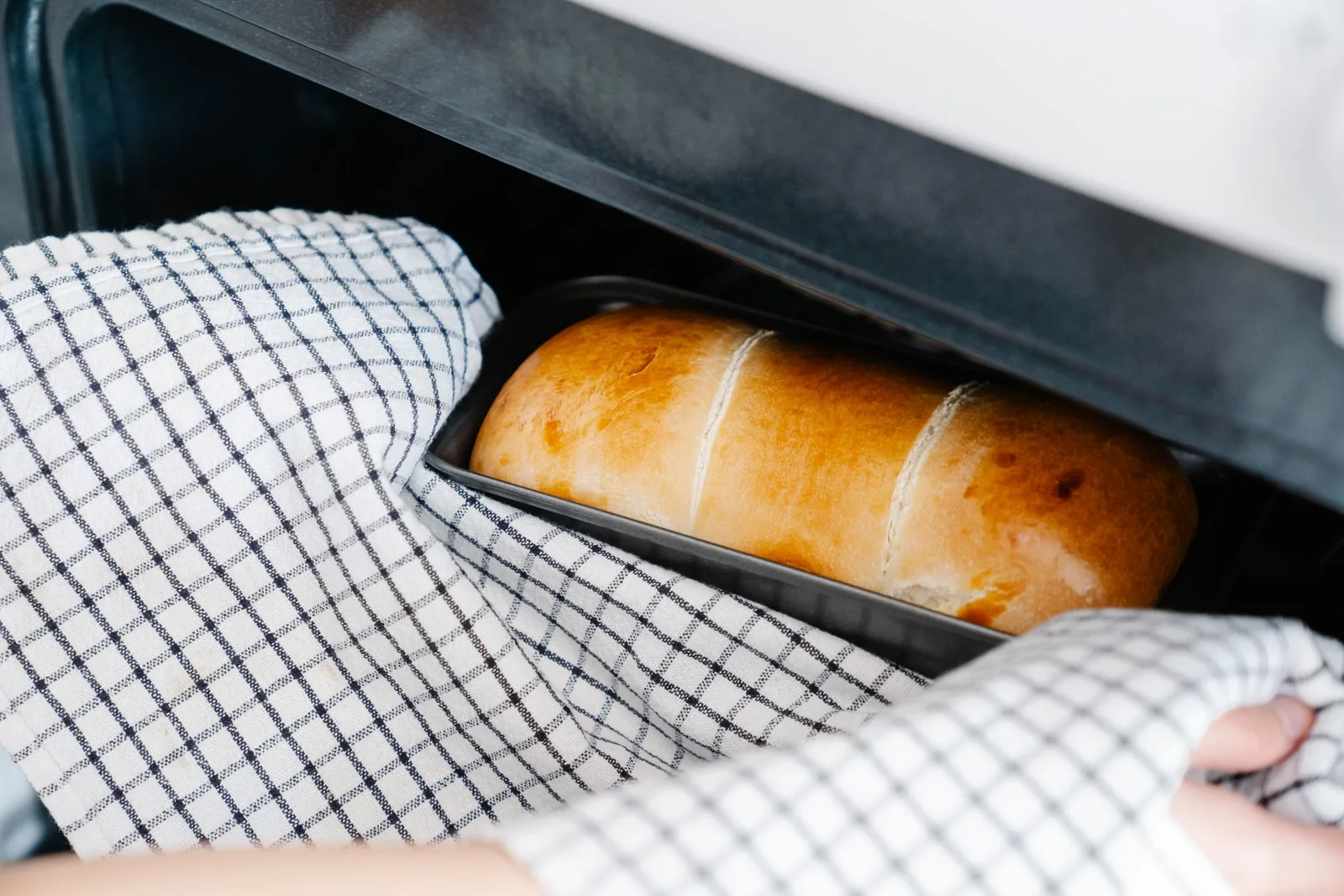
Different breads want different treatment. These are the care guides we give for our own loaves:
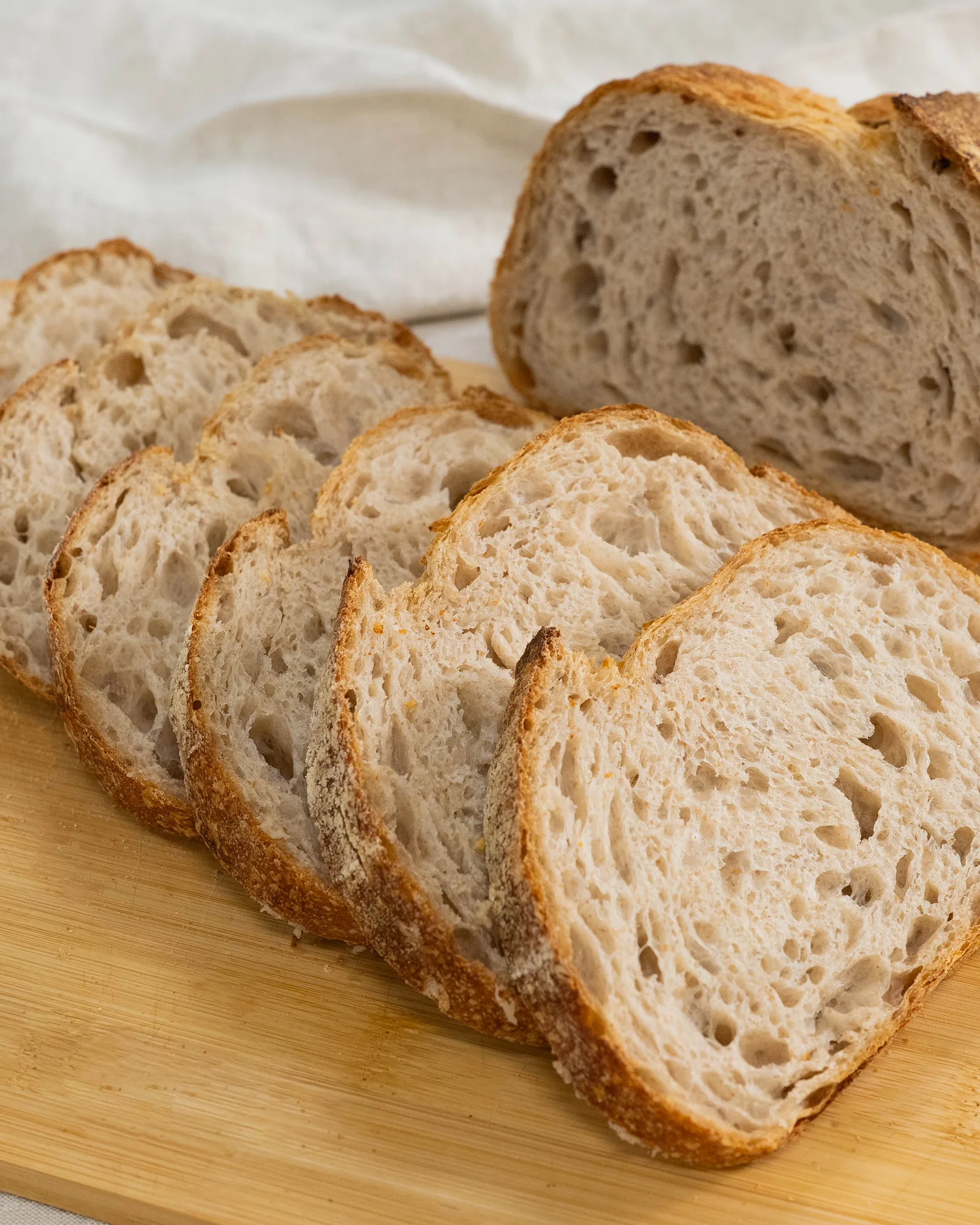
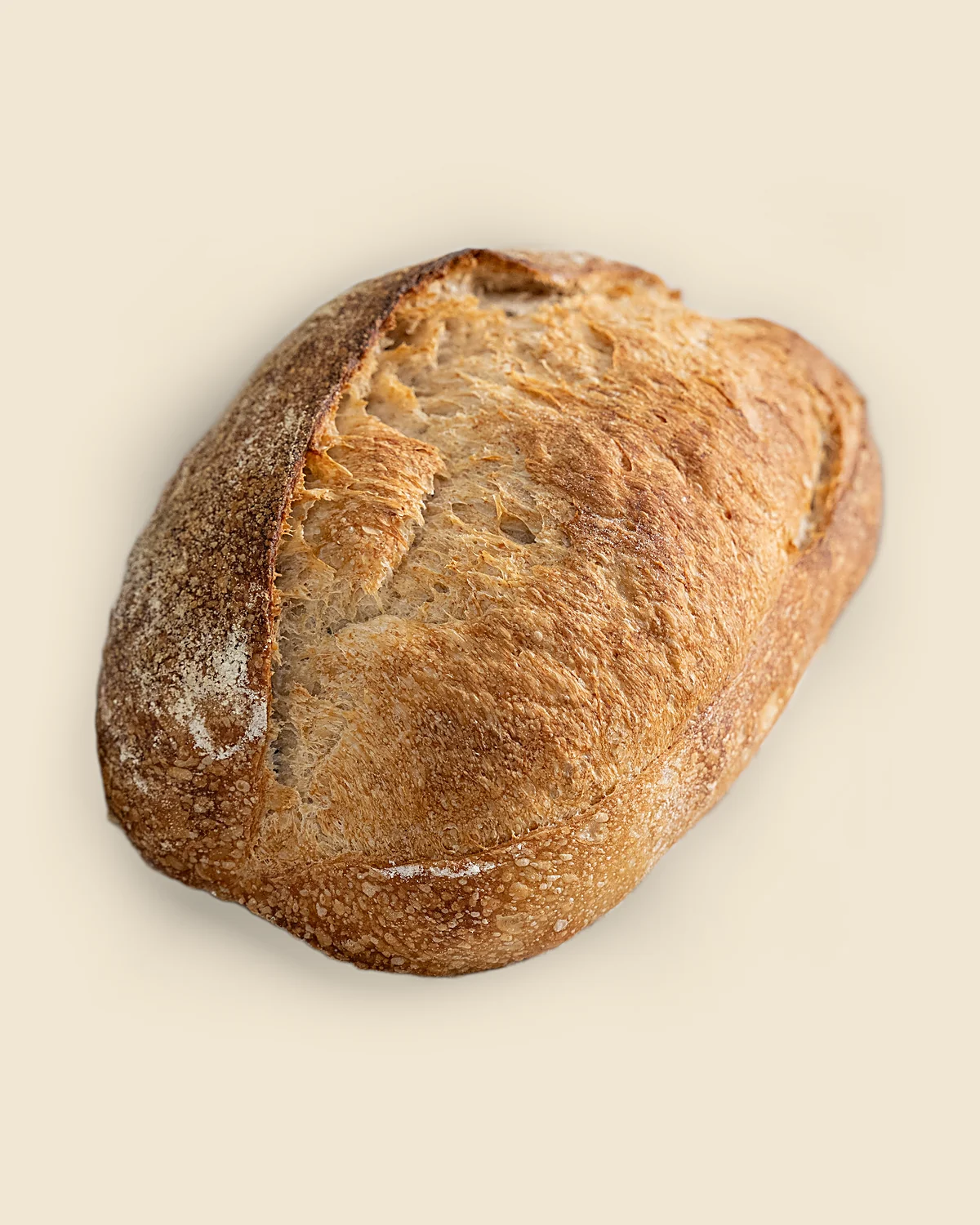
Crusty sourdough (like our Classic Country Sourdough)
- Whole loaf: thaw at room temperature, then 8–10 minutes in a 375°F oven for a shattering crust.
- Slices: straight from frozen into the toaster.
- After thawing: store cut-side down in a paper bag on the counter for 3–4 days, never in the fridge.
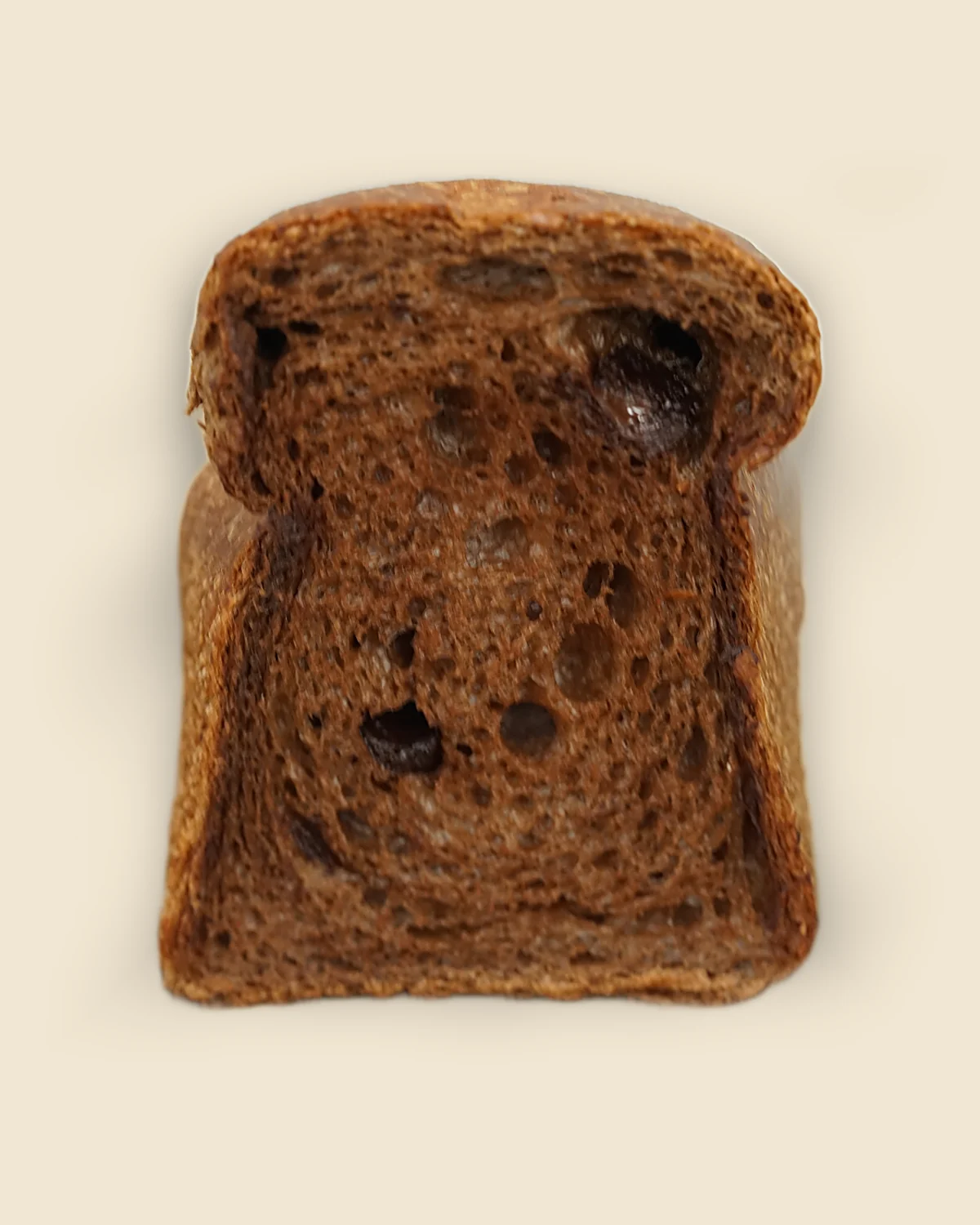
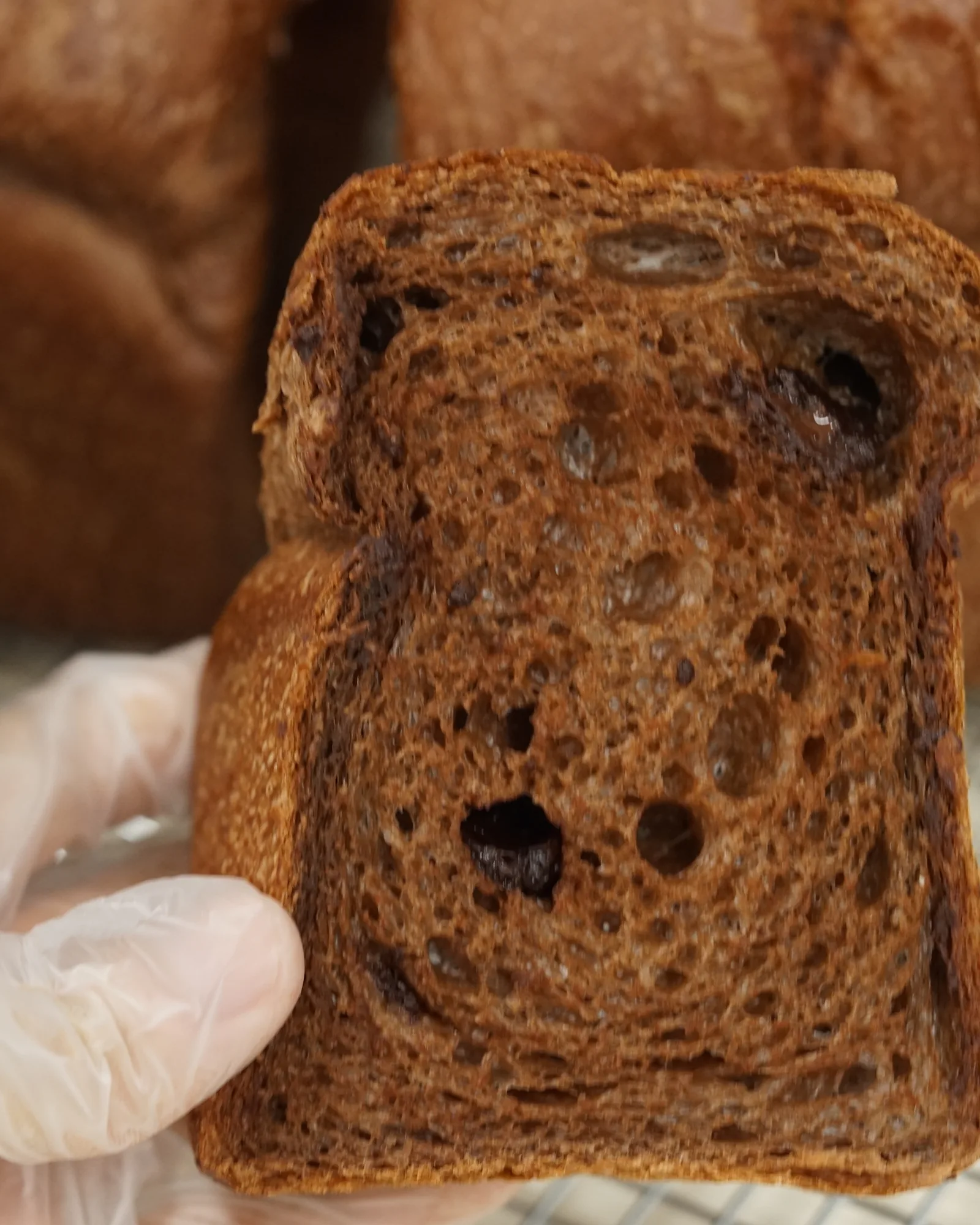
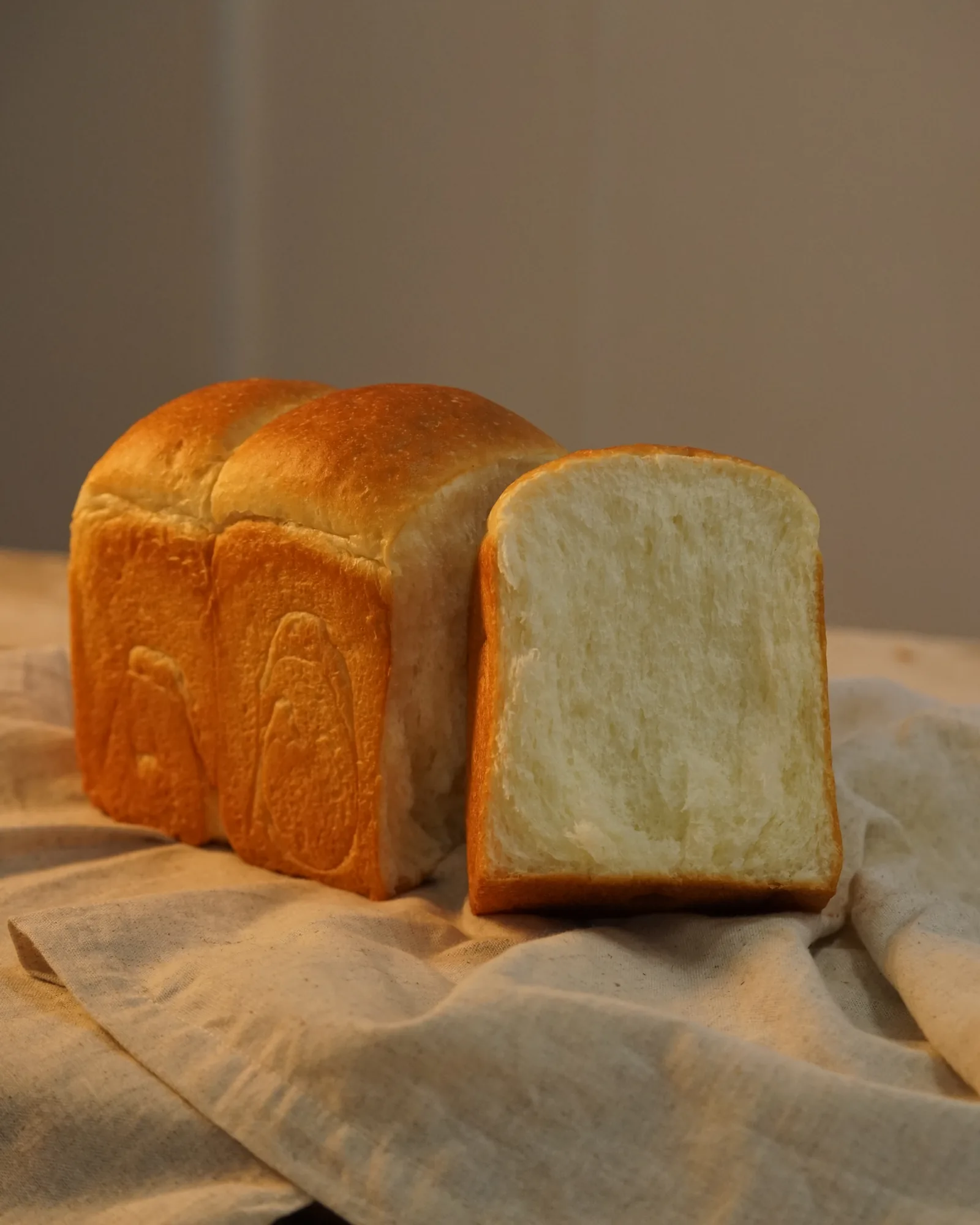
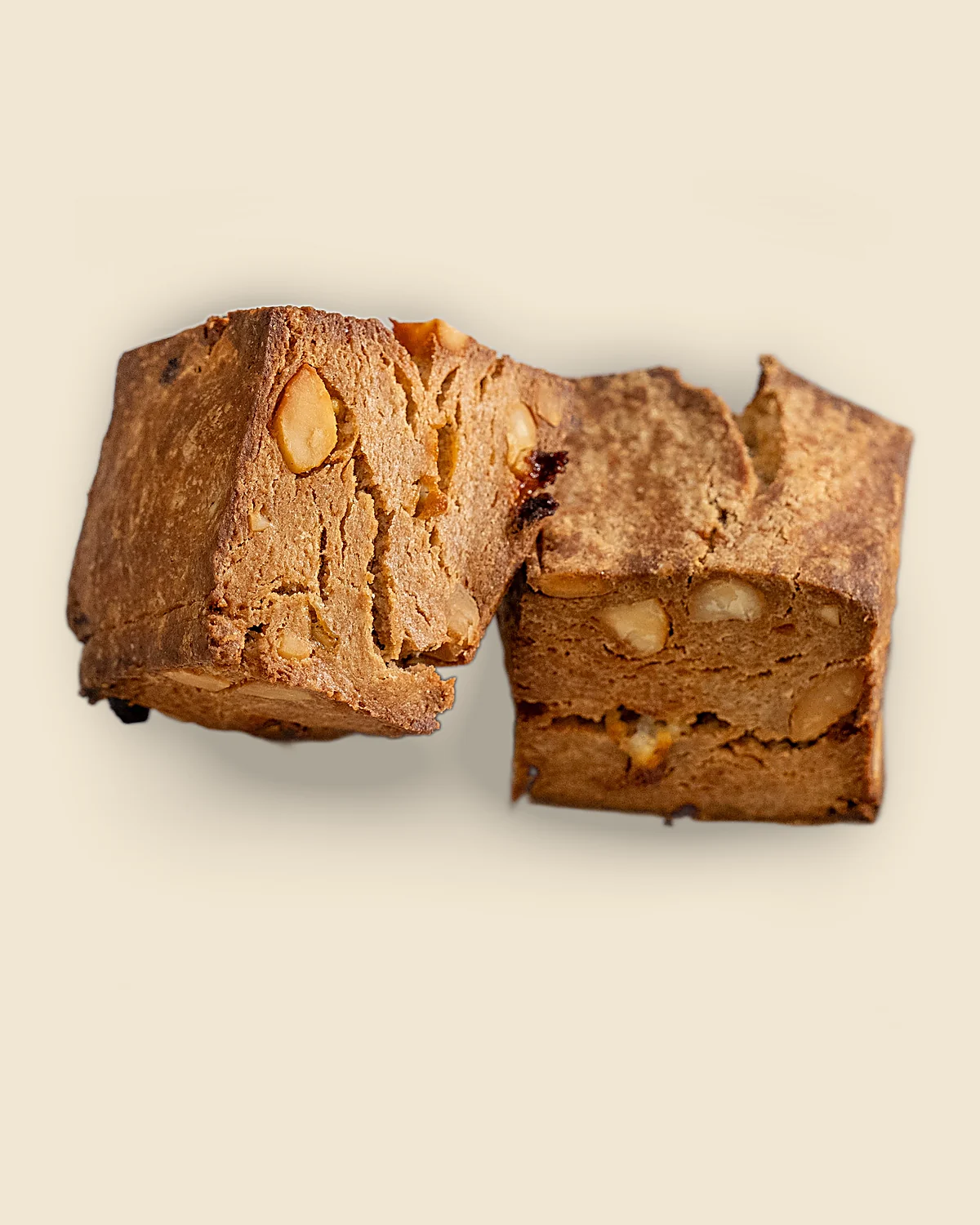
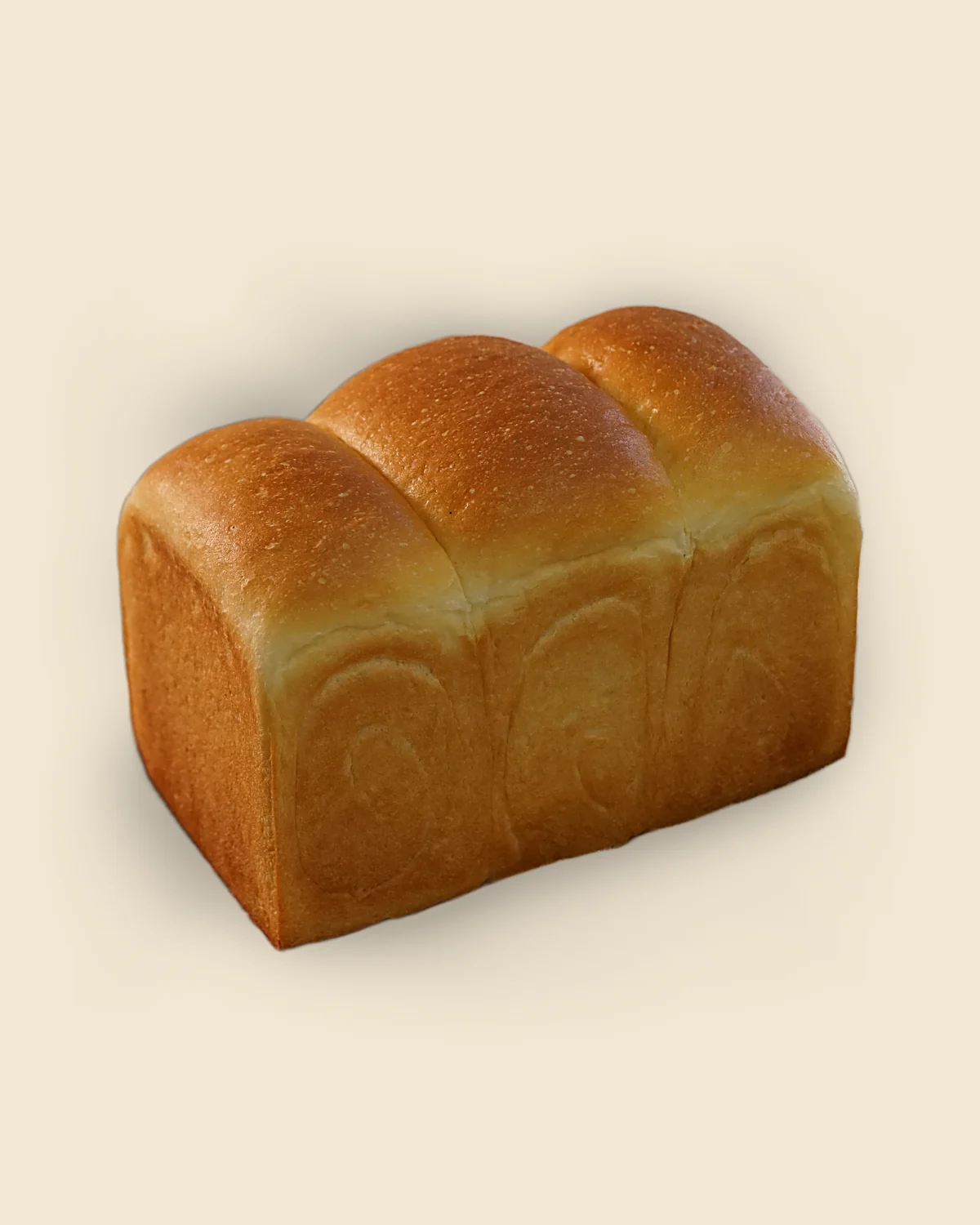
Soft milk breads (like our Hokkaido Milk Bread and Double Chocolate Sourdough Loaf)
- Whole loaf: thaw covered at room temperature and eat as is; the crumb is meant to be pillowy. To warm it, 5–6 minutes at 325°F, loosely covered in foil.
- Slices: a light toast, and watch closely, since milk and sugar brown fast.
- After thawing: it keeps soft in its bag on the counter for 3–4 days.
Why reheating works: gentle heat partly reverses staling by loosening the recrystallized starch again, and it drives off moisture from a softened crust. The effect fades as the bread cools, so reheat what you’ll eat soon.
Does frozen sourdough bread freeze well?
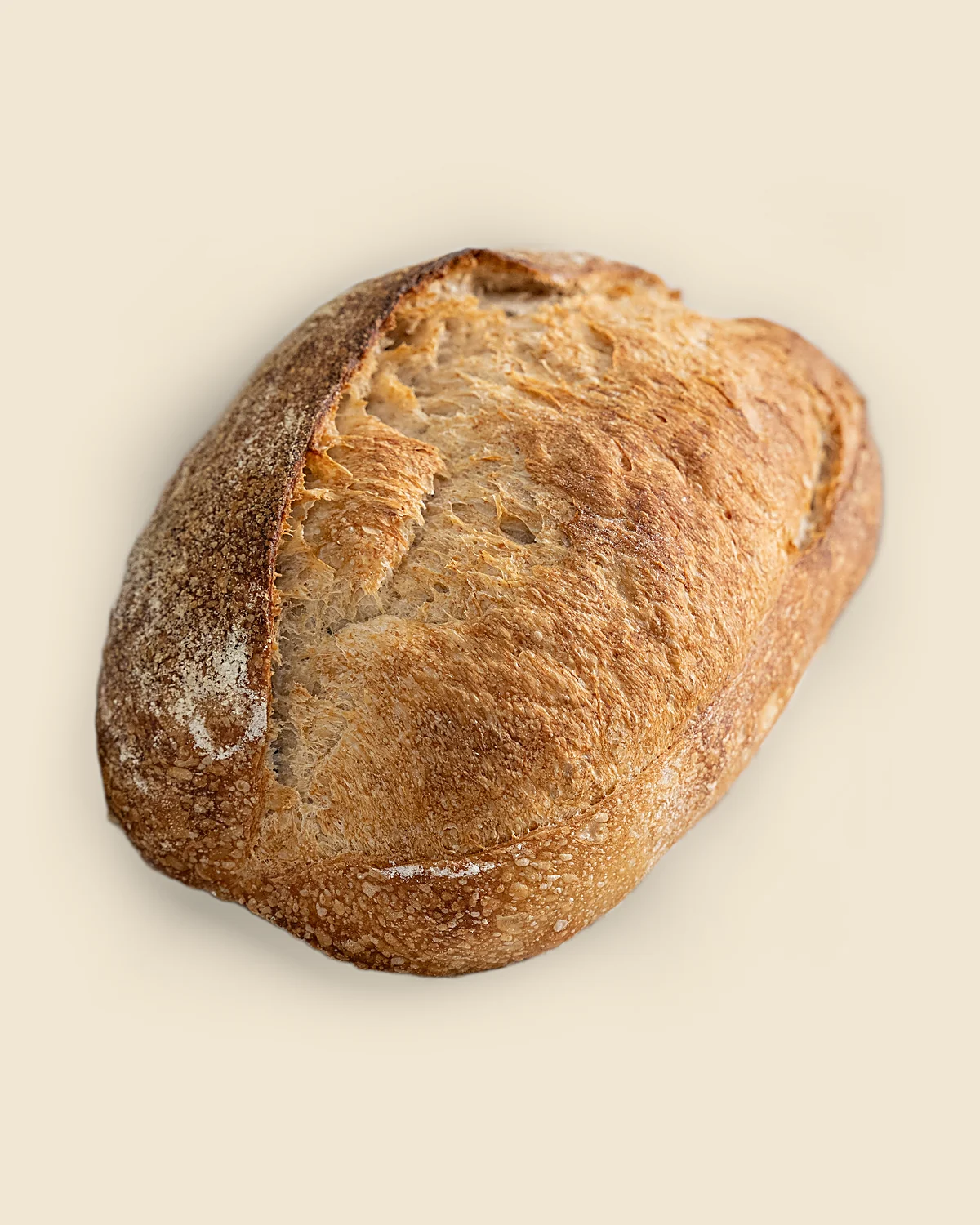
Sourdough is one of the best breads to freeze. A crusty, lean loaf has a sturdy structure, and a few minutes in a hot oven brings the crust right back. Its natural acidity also helps it hold up on the counter once thawed. Enriched soft loaves freeze well too; they just want a lower oven and a foil tent so the top doesn’t over-brown.
When does fresh bread still win?
Honestly, a few situations:
- The first hours after baking. Nothing quite matches a crust that crackles on its own, the day it was baked.
- Bread that was frozen late, or poorly wrapped. Freezing can’t fix staling that had already happened, and freezer burn is permanent.
- Bread kept frozen for many months. It’s still safe, but past about three months the flavor and texture fade.
- Delicate items with fillings can change texture once frozen, depending on the filling.
For everything else, a well-made loaf frozen at its peak and reheated properly is very hard to tell from fresh, and far better than bread that has spent three days going stale on the counter.
Questions
Can you refreeze bread after it thaws?
It’s safe to refreeze bread, but each thaw and refreeze costs moisture and texture. Freeze in slices or portions so you only thaw what you need.
Why does my frozen bread get soggy when it thaws?
Usually it was frozen while still warm, or ice crystals formed in the bag. Cool bread completely and press the air out before freezing.
Should I thaw bread in the microwave?
Only in a pinch, in short bursts. Microwaved bread softens quickly but turns tough and chewy as it cools, so eat it right away.
Is frozen bread less nutritious than fresh?
Freezing doesn’t meaningfully change bread’s calories, carbohydrates, fiber or protein. The changes are in texture and flavor.
Is it better to freeze bread whole or sliced?
Sliced is more convenient for toast and sandwiches; a whole loaf keeps its crumb a little moister and is best when you plan to serve it all at once.
Sources
Bake it home
Classic Country Sourdough
Hokkaido Milk Bread