The Best Bread for French Toast (and How to Use It)
In short
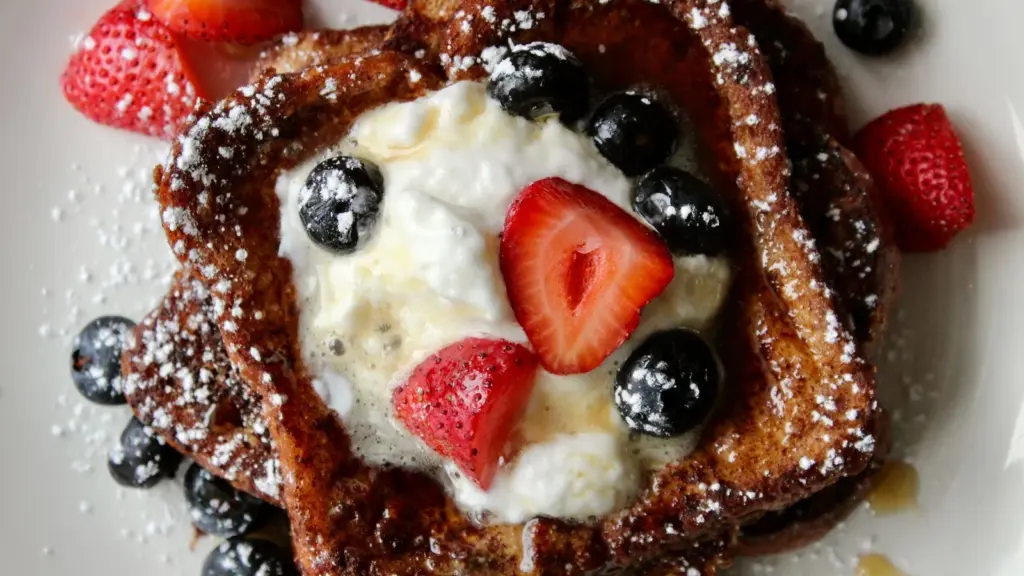
The best bread for French toast is a rich, sturdy loaf with a tight crumb, like brioche, challah or Japanese milk bread, sliced thick and a day old. Sourdough works too, for a chewier, less sweet result.
French toast is one of the few recipes where the bread matters more than anything else in the bowl. The custard is just eggs, milk and a little sugar. The bread decides whether you get a creamy, custardy middle with a crisp, golden outside, or a slice that’s soggy in the center and dry at the edges. Here’s how the common breads compare, and how to slice, soak and cook whichever one you have.
What bread is best for French toast?
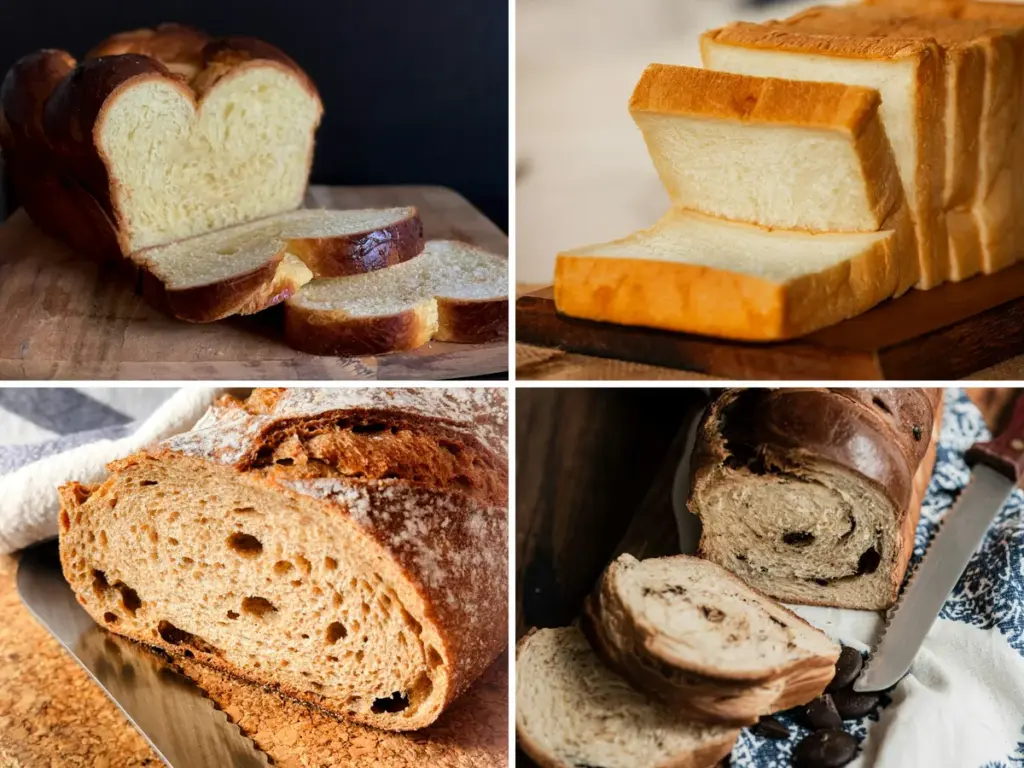
The best bread for French toast is a rich, sturdy loaf with a tight, even crumb: brioche, challah or Japanese milk bread. Eggs, butter and milk in the dough make these breads tender and lightly sweet, so they turn custardy without much help. Their fine crumb soaks up custard evenly instead of letting it run straight through big holes.
Good French toast bread has three things going for it:
- Structure. The slice has to hold together when it’s wet. Very soft, thin bread can tear before it reaches the pan.
- Richness. Enriched doughs taste like dessert before you add anything. Lean breads like sourdough taste more like bread, and that can be a good thing.
- A little dryness. Slightly dry bread soaks up more custard without collapsing. That’s why day-old bread has a reputation as the classic choice.
America’s Test Kitchen tested eight breads, from standard American sandwich bread to an ultraplush Japanese loaf, and set a useful target: custard should reach about ¼ inch into each side of the slice, leaving a slim “backbone” of drier bread in the center (America’s Test Kitchen). That backbone is what keeps the middle creamy instead of wet.
Brioche vs. challah vs. milk bread vs. sourdough: how do they compare?
Every bread here can make good French toast. They just give you different results and need slightly different handling. Soak times are a rough guide. Judge by feel: the slice should feel heavy and soaked at the surface but still springy in the middle.
| Bread | Texture result | Soak time | Best for | Watch-outs |
|---|---|---|---|---|
| Brioche | Very rich, soft, almost bread-pudding inside | Quick dip | Thick-cut, dessert-style French toast | Butter and sugar brown fast; tears if oversoaked |
| Challah | Rich but sturdier, custardy and even | Short to medium | All-around classic; great for a crowd | Fresh challah is soft, so let it dry a little first |
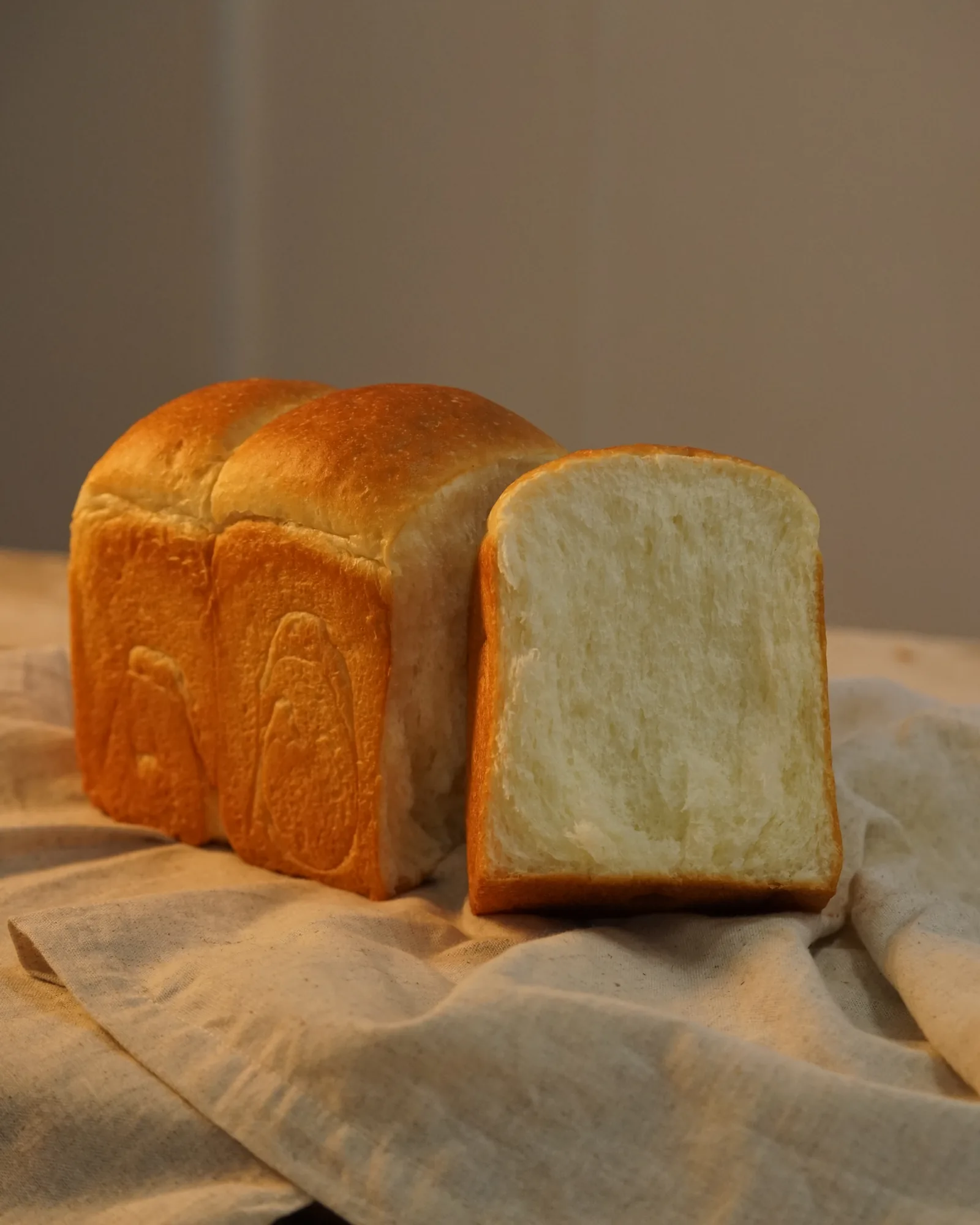
| Japanese milk bread (shokupan) | Feather-light, creamy, pillowy | Quick dip | Soft, tall slices; kids and sweet-tooths | Very absorbent; milk and sugar scorch on high heat |
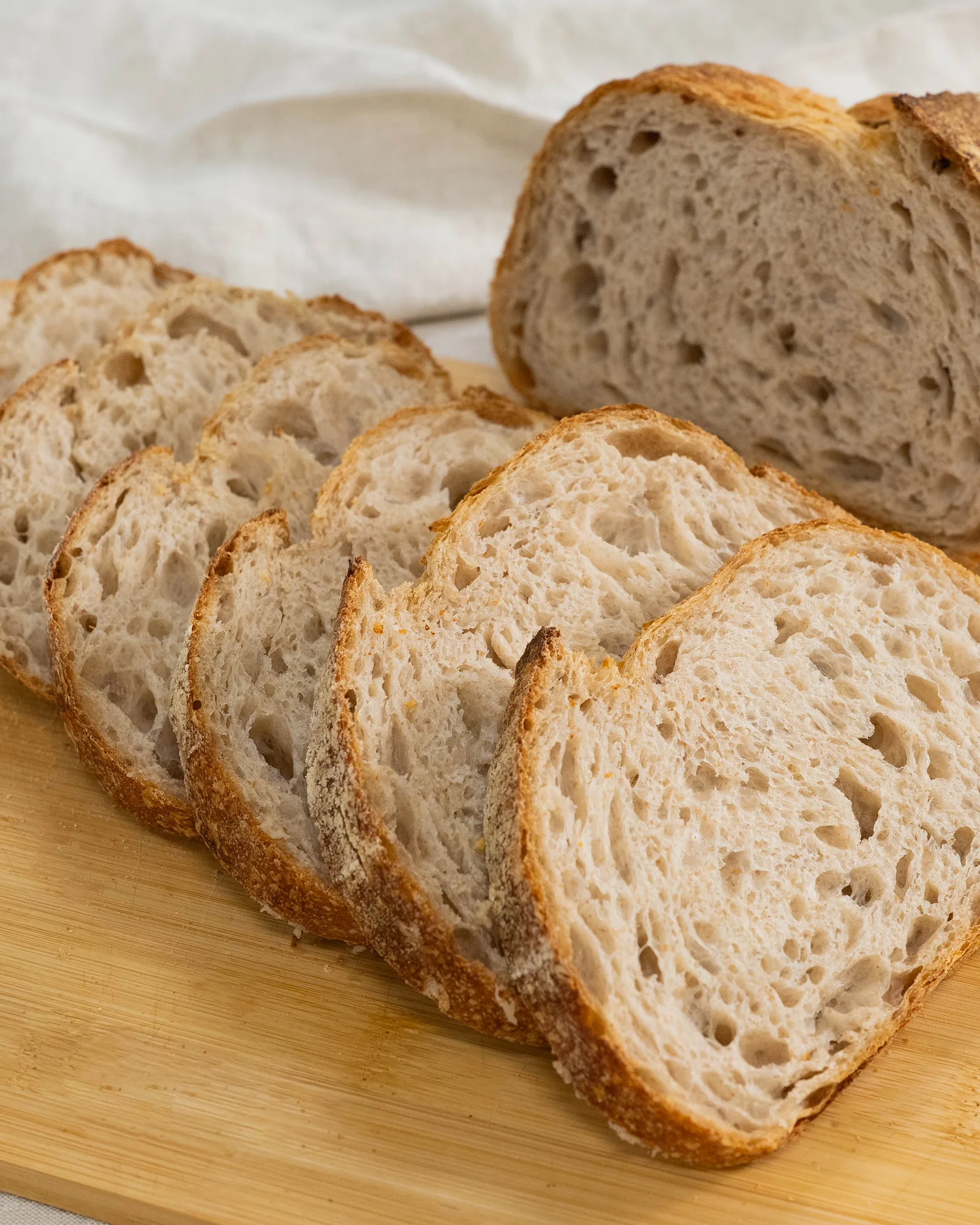
| Sourdough | Chewy, crisp edges, gentle tang | Longer | Less-sweet French toast; savory toppings | Open crumb can soak unevenly; trim very hard crust if you like |
| Cinnamon raisin bread | Sweet, spiced, built-in flavor | Short to medium | Skipping the cinnamon in the custard | Raisins and sugar on the surface can burn |
| Sandwich white | Soft, mild, familiar diner style | Short | Weekday breakfast with what’s on hand | Thin slices get soggy; dry them first |
| Whole wheat | Nutty, denser, less custardy | Medium | Heartier breakfast with fruit and yogurt | Can taste dry; a richer custard helps |
| Baguette / French bread | Crisp outside, creamy pockets inside | Longest | Bite-size rounds or a baked casserole | Crust resists custard; slice on the bias for more surface |
If you want the most indulgent result, pick brioche or milk bread. If you want French toast that tastes less like dessert and stands up to savory toppings, pick sourdough. If you want the safest bet for a family brunch, pick challah. For a deeper look at how milk bread gets its soft crumb, see What Is Japanese Milk Bread (Shokupan)?
Should you use stale bread for French toast?
Slightly stale bread is better than very fresh bread, but you don’t need to wait days. Fresh, soft bread soaks up custard fast and goes limp in the pan. Bread that has dried out a little takes in custard more slowly and keeps its shape.
If your bread is fresh, dry it on purpose. America’s Test Kitchen’s classic French toast recipe dries slices on a wire rack in a 300°F oven for about 16 minutes, flipping halfway, until they’re almost dry throughout with a slightly moist center (America’s Test Kitchen). Leaving slices out uncovered on a rack for a few hours also works.
What you don’t want is bread that’s rock-hard all the way through. It soaks up custard on the outside and stays dry in the middle. Day-old to two-day-old is the sweet spot for most loaves.
How thick should French toast bread be?
For soft sandwich bread, about ½ inch is plenty; that’s the thickness America’s Test Kitchen calls for when you slice your own loaf (America’s Test Kitchen). For thick-cut French toast with brioche, challah or milk bread, go to ¾ to 1 inch. Thicker slices give you more creamy center, but they need lower heat and a little more time so the middle cooks through before the outside burns.
Sourdough and baguette are the exception: keep them around ½ to ¾ inch. Their chewier crumb takes longer to soak and cook, and very thick slices can stay dense in the middle.
How long should you soak bread for French toast?
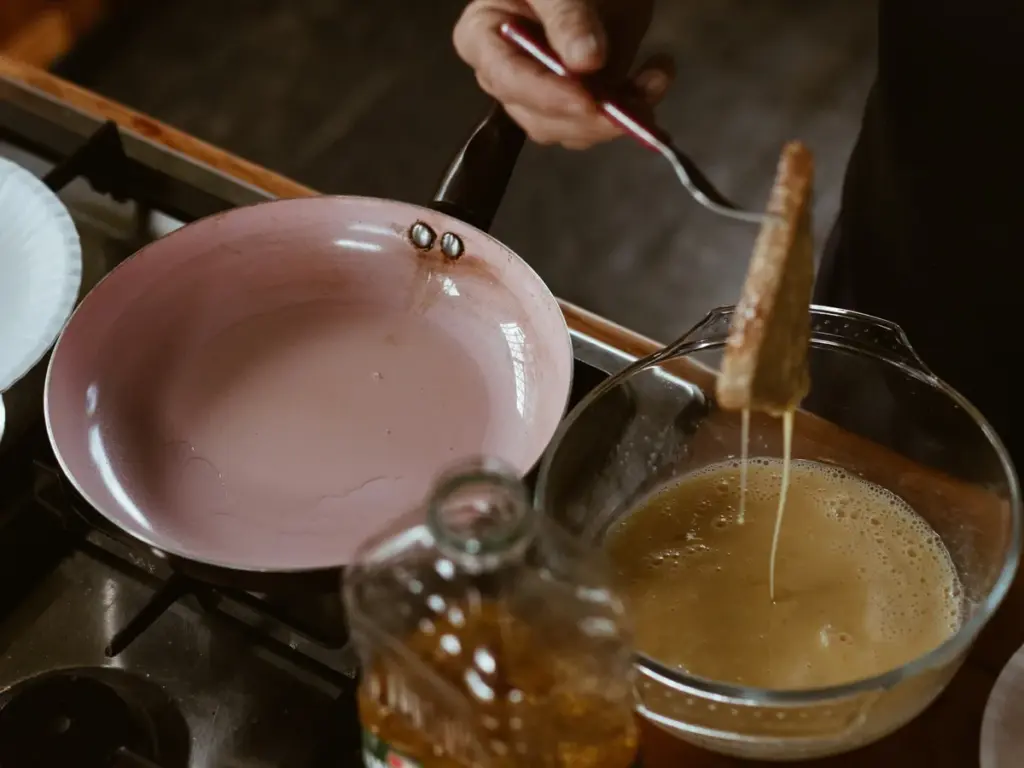
It depends on the bread. A good rule is to soak until the surface is saturated but the slice isn’t falling apart. For dried challah or sturdy sandwich bread, America’s Test Kitchen soaks each slice about 20 seconds per side (America’s Test Kitchen). Use that as your middle mark:
- Brioche and milk bread: a few seconds per side. They drink custard quickly.
- Challah and sandwich bread: around 20 seconds per side, a little less if the bread is fresh.
- Sourdough, whole wheat and baguette: longer, and press gently so custard gets past the crust.
Soak in a wide, shallow dish, and only soak what you’re about to cook. Slices left sitting in custard keep softening and can tear when you lift them. America’s Test Kitchen found that a quick dip left toast dry in patches, while fully saturated slices turned soggy (America’s Test Kitchen).
As for the custard, home recipes vary a lot, and there’s no single right ratio. Most land somewhere between about ¼ and ½ cup of milk per egg. More egg gives a firmer, more eggy toast; more milk or cream gives a softer, more custardy one. Richer breads like brioche need less sugar in the custard; lean breads like sourdough can take a bit more, plus cinnamon and vanilla.
What temperature should you cook French toast at?
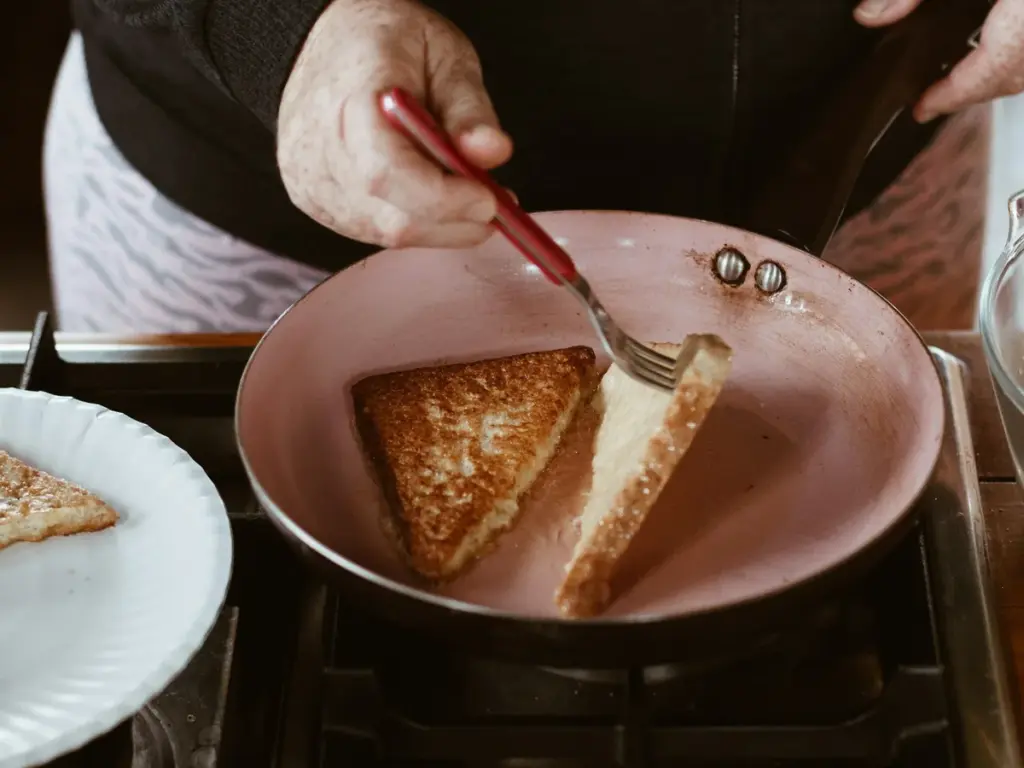
Medium-low heat is the safest setting for most breads. America’s Test Kitchen cooks its French toast in a skillet over medium-low heat, 3 to 4 minutes per side until golden brown, or on an electric griddle set to 350°F (America’s Test Kitchen). Turn the heat down if the outside browns before the center firms up. That happens quickly with brioche and milk bread, because the milk, butter and sugar in the dough brown fast.
French toast is an egg dish, so cook it until the custard is set and no wet egg seeps out when you press the center. The FDA says dishes containing eggs, like casseroles, should be cooked to 160°F and recommends checking with a food thermometer (U.S. Food and Drug Administration). That matters most for thick slices and baked French toast casseroles, where the center is hardest to judge by eye.
Can you make French toast with frozen bread?
Yes, and frozen bread is a good French toast bread, because a thawed slice is often a little drier than fresh. The easiest approach is to thaw slices first, on the counter or with a short spell in a low oven, so the custard soaks in evenly and the center cooks through. A slice that’s still frozen in the middle won’t absorb custard there, and it takes longer to cook through.
If you keep sliced bread in the freezer for toast, pull out what you need the night before. Our guide on how to freeze, thaw and reheat sourdough covers wrapping and thawing in more detail.
Which of our loaves work best for French toast?
If you’re cooking with our bread, these are the ones we reach for:
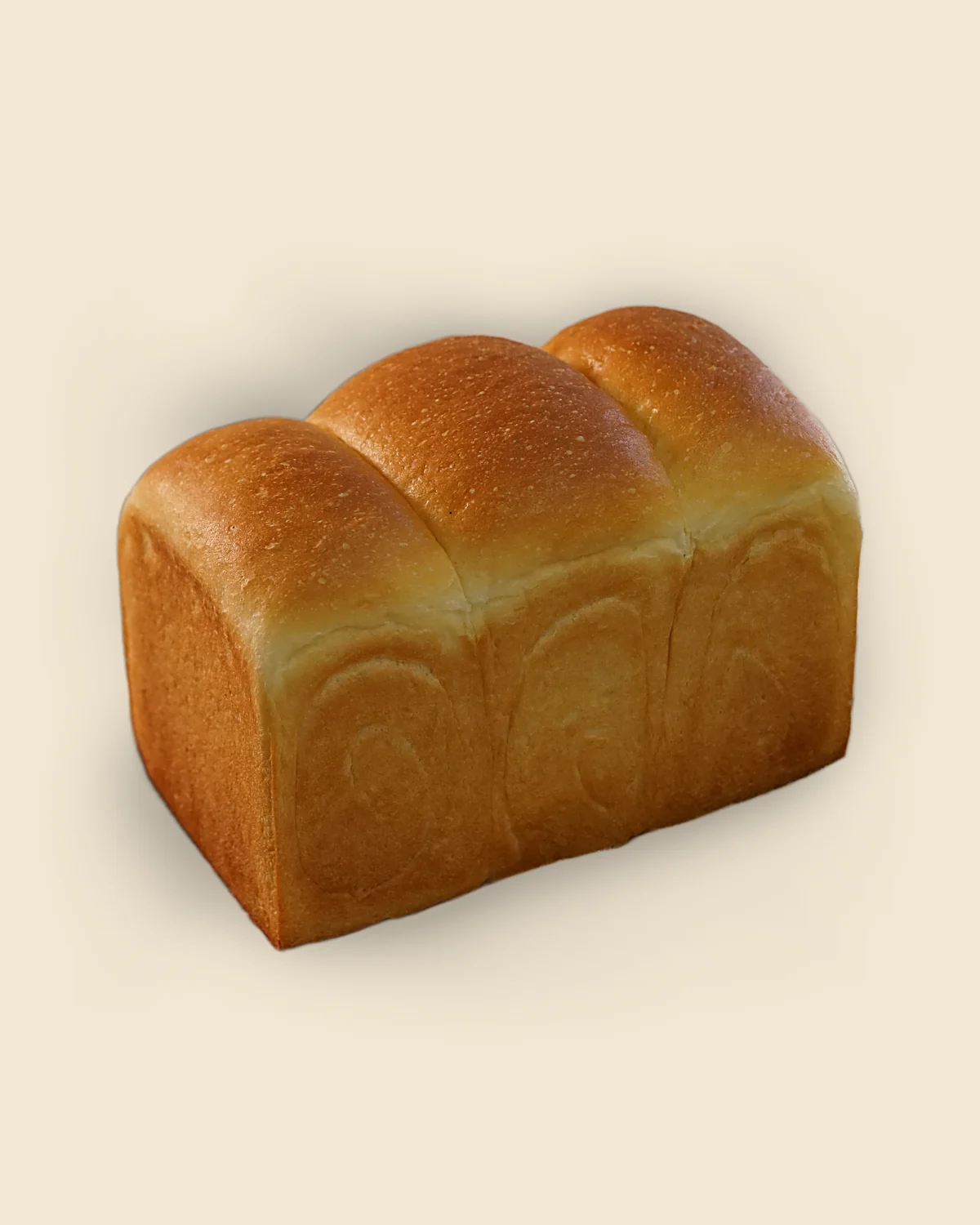
- Hokkaido Milk Bread: a yeasted milk bread (not a sourdough) made with organic milk, heavy cream, egg whites, sweetened condensed milk and cultured butter. It makes soft, creamy, almost cloud-like French toast. Give it a quick dip, and keep the heat low, since the milk and sugar brown fast. Contains wheat, milk and eggs.
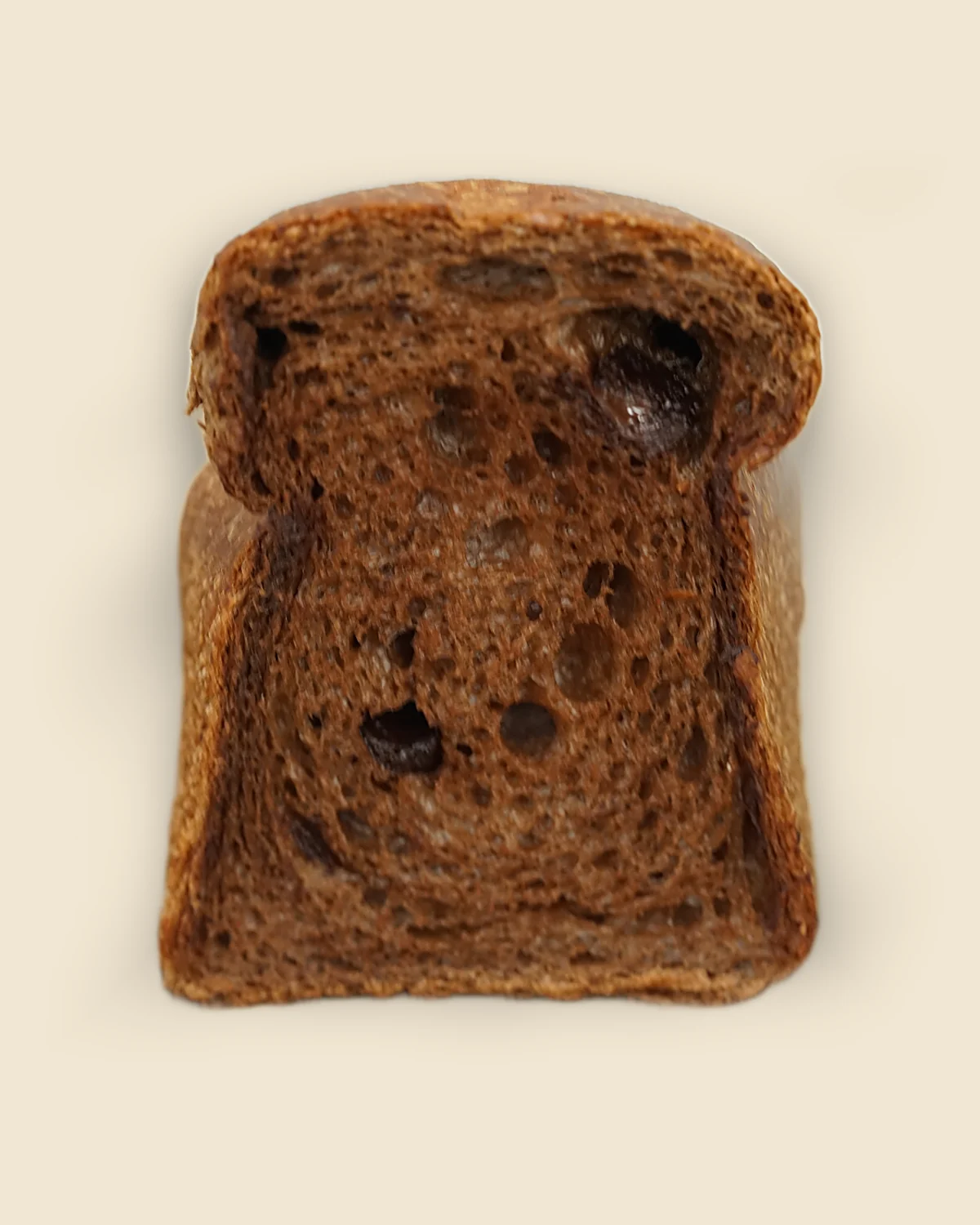
- Double Chocolate Sourdough Loaf: raised on our levain, with a 60% Belgian dark chocolate ganache folded into the dough and chocolate chips. It has a tender, pillowy crumb and is rich in chocolate rather than sugar, so it makes a real dessert French toast. Contains wheat, milk, eggs and soy.
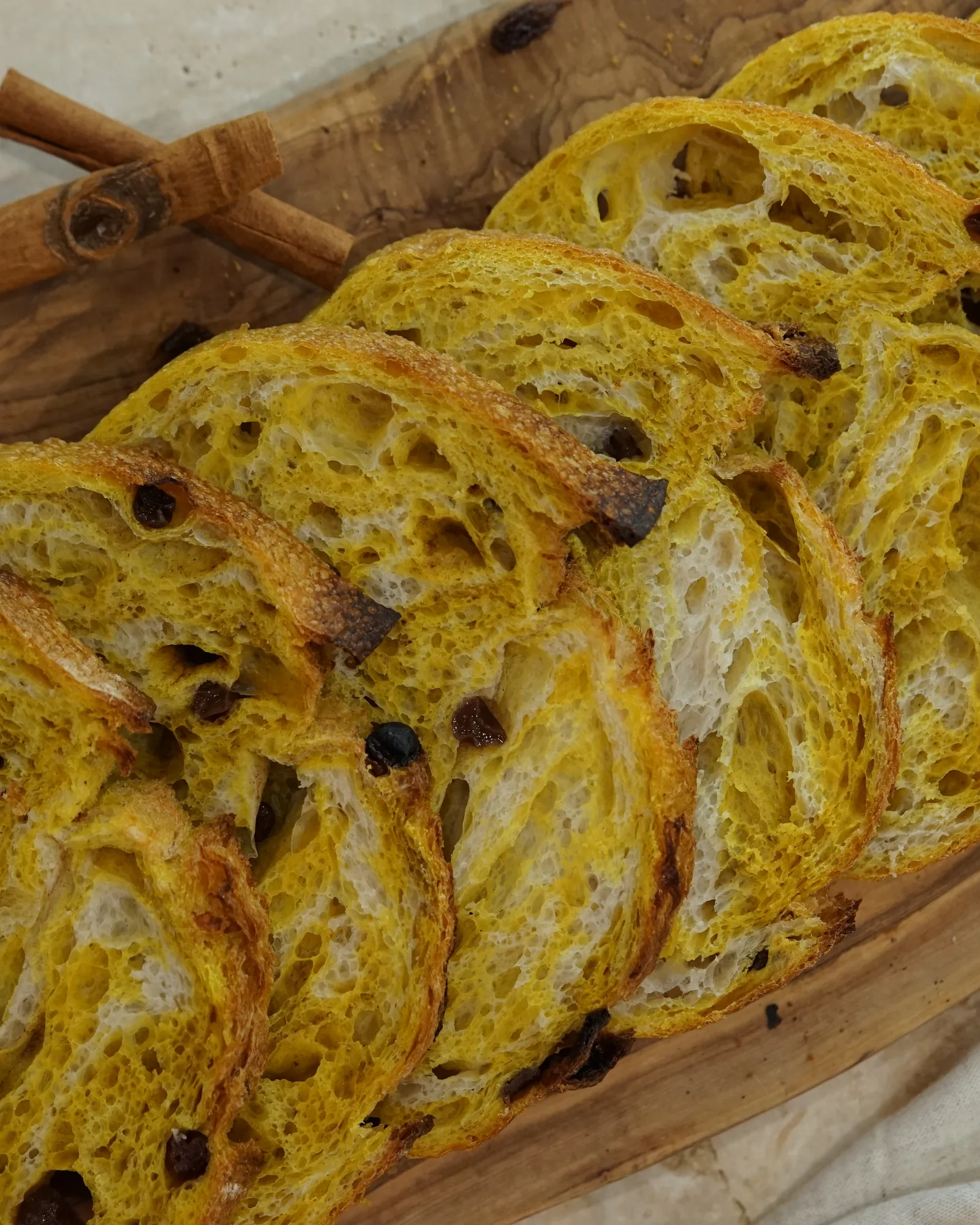
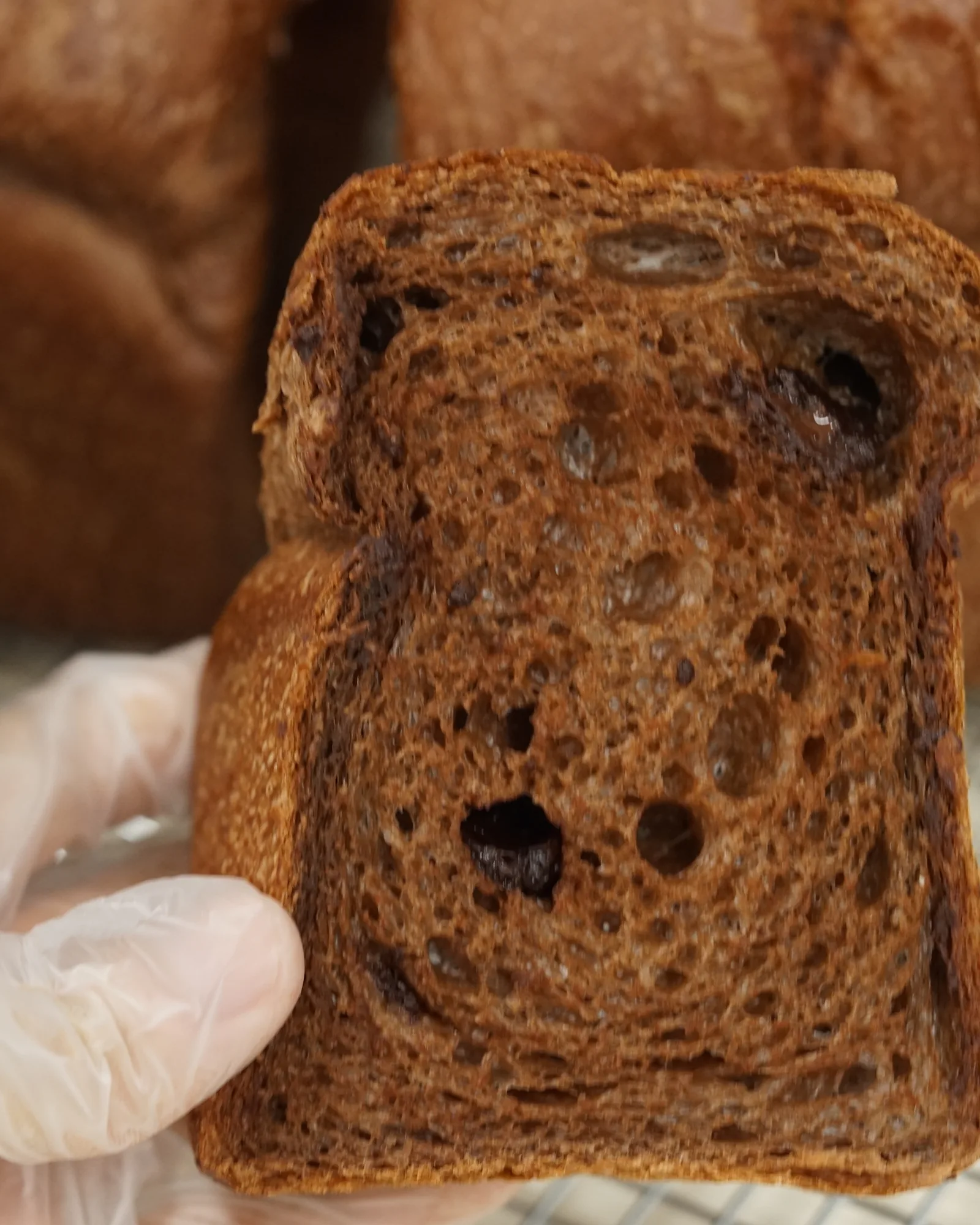
- Golden Cinnamon Raisin Sourdough: turmeric, cinnamon and rum-soaked raisins are already in the loaf, so the custard can stay simple. Watch the raisins on the surface; they darken quickly. Contains wheat.
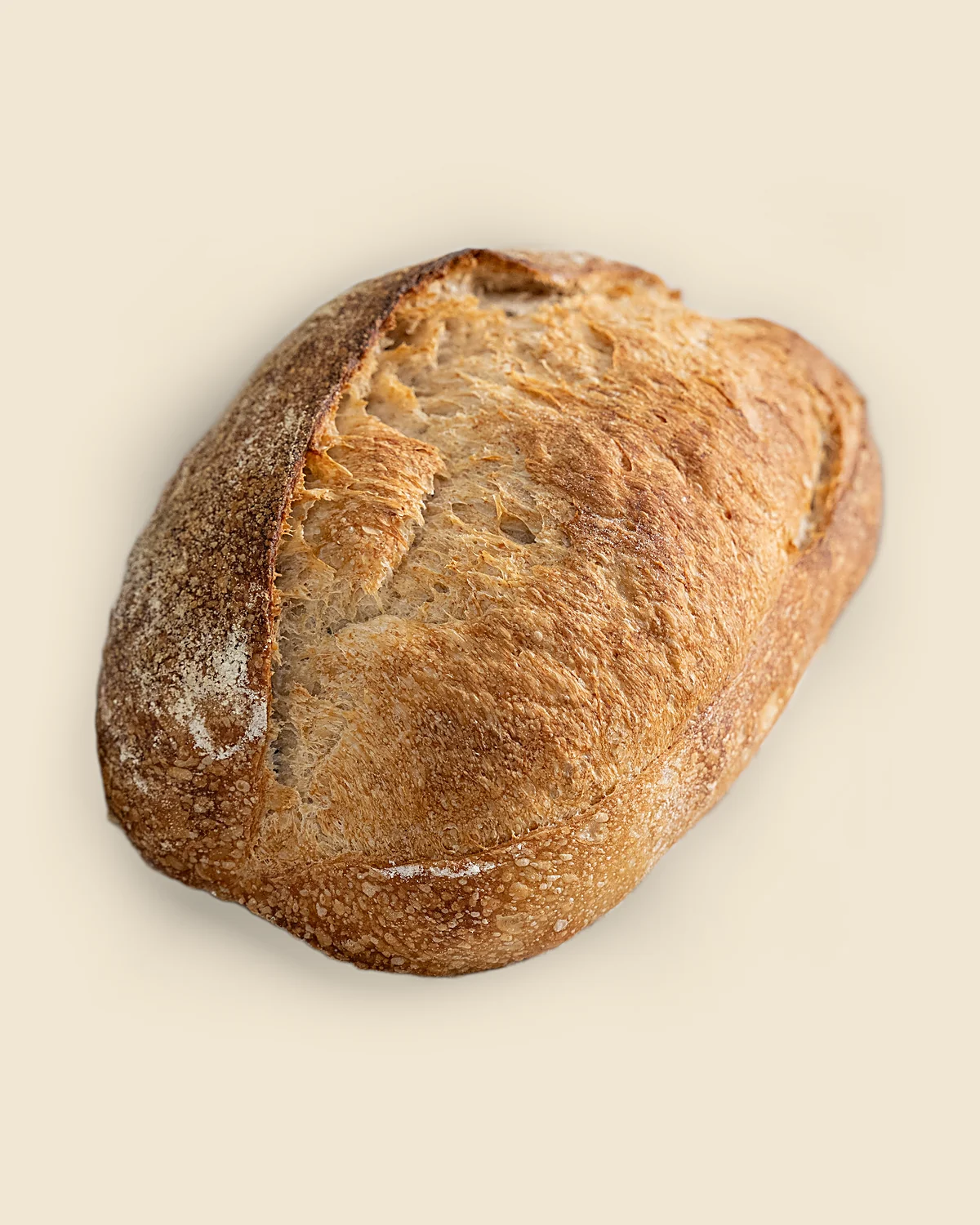
- Classic Country Sourdough: our signature loaf, with an open crumb and a deep amber crust from a 20-hour ferment. It makes a crisp-edged, less-sweet French toast. Give it a longer soak. Contains wheat.
In the mood for something savory instead? We compare loaves for that, too, in the best bread for avocado toast.
Questions
Is brioche or challah better for French toast?
Both are excellent. Brioche is richer and softer, so it makes a more dessert-like French toast but needs a gentle soak. Challah is a little sturdier and more forgiving, which makes it the easier choice for a crowd.
Can you use sourdough bread for French toast?
Yes. Sourdough makes a chewier, less sweet French toast with crisp edges and a mild tang. Slice it about ½ to ¾ inch thick and soak it a little longer than you would an enriched bread.
Why is my French toast soggy in the middle?
Usually the bread was too fresh, the slice soaked too long, or the heat was too high, so the outside browned before the center set. Dry the bread a little, shorten the soak, and cook over medium-low heat.
What is the best thick-cut bread for French toast?
Brioche, challah and Japanese milk bread hold up best at ¾ to 1 inch thick. Cook thick slices over lower heat so the custard in the center has time to set.
Can you use regular sandwich bread for French toast?
Yes. Let the slices dry out a little first, either on a rack for a few hours or briefly in a low oven, so they don’t go limp in the custard.
Sources
Bake it home
Hokkaido Milk Bread
Double Chocolate Sourdough Loaf
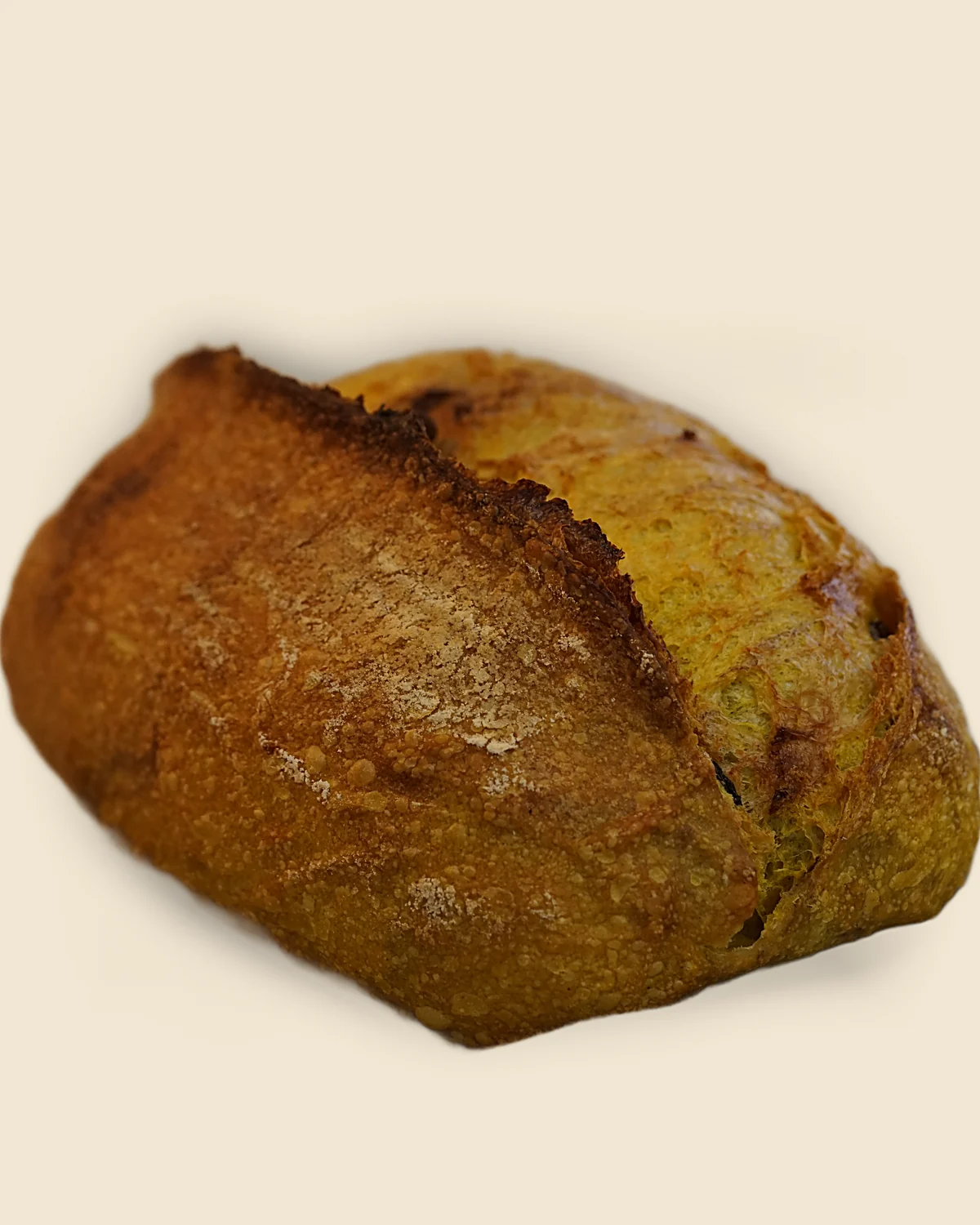
Golden Cinnamon Raisin Sourdough