The Best Bread for Stuffing (and How to Dry It)
In short
The best bread for stuffing is a sturdy, lean loaf like country sourdough or French bread, cut into cubes and dried in a low oven. It soaks up broth without turning mushy and bakes up tender with a crisp top.
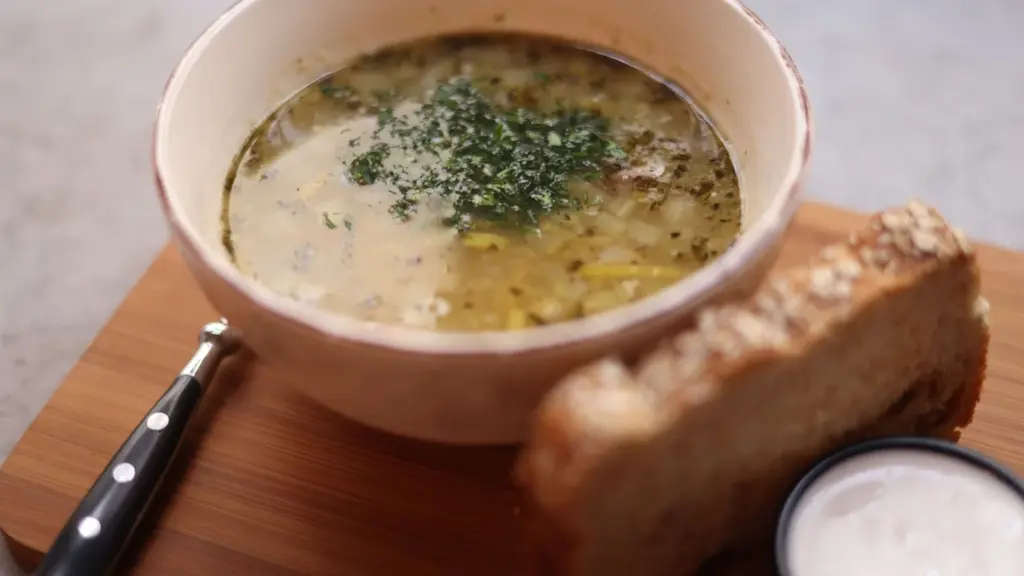
Stuffing is mostly bread, so the loaf you start with decides almost everything: whether the finished dish is tender with crisp edges or a soft, gluey mass. Here’s which breads hold up best, how they compare, and how to dry, cube, moisten and bake them, whether you’re making it for Thanksgiving or a Sunday roast chicken.
What is the best bread for stuffing?
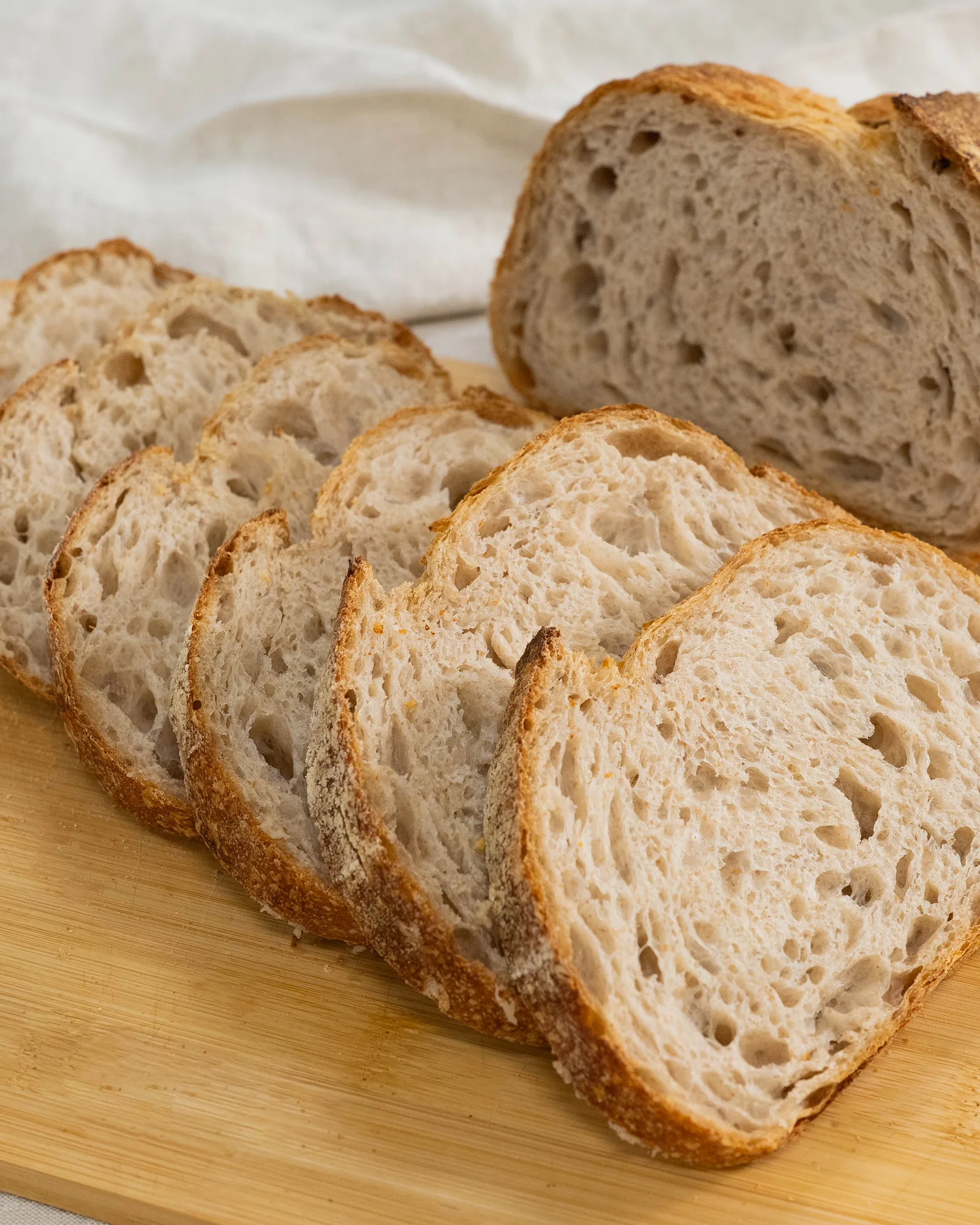
The best bread for stuffing is a sturdy, lean loaf with a firm crust and a chewy crumb, like a country sourdough, a French bread or a good rustic white. These breads soak up broth and butter without falling apart, so the cubes stay distinct, the inside turns tender and the top bakes up crisp.
Three things matter most:
- Structure. The cubes have to survive being tossed with hot liquid and baked for half an hour or more. Soft, airy bread collapses into mush.
- Absorbency. Dried bread drinks up broth and fat. A chewy, open crumb holds that liquid in pockets instead of turning to paste.
- Flavor. Bread is the main ingredient, so it should taste good on its own. A mild tang or a nutty whole-grain flavor carries through the herbs and onions.
Sourdough checks all three boxes, which is why sourdough stuffing has become a favorite. Its crust stays chewy, its crumb is resilient, and its gentle sourness balances rich butter, sausage and gravy.
Which bread works best: sourdough, French bread, brioche or cornbread?
Almost any bread can become stuffing. They just give different results and need different handling.
| Bread | Texture after baking | Absorbency | Flavor | Watch-outs |
|---|---|---|---|---|
| Country sourdough | Tender inside, chewy cubes, crisp top | High once dried | Mild tang, deep crust flavor | Thick crust can stay tough; cut cubes a bit smaller |
| Multigrain or seeded sourdough | Hearty, cubes hold their shape well | Medium to high | Nutty, toasty | Denser; may need a little more broth |
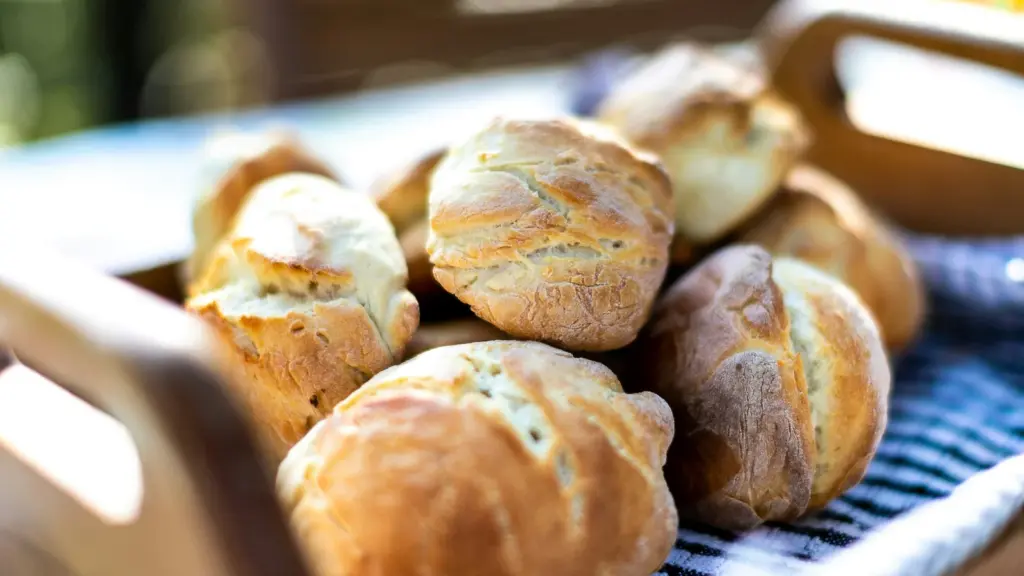
| French bread or baguette | Light, crisp edges, open pockets | High | Clean, wheaty | Lots of crust; dries fast, so watch the oven |
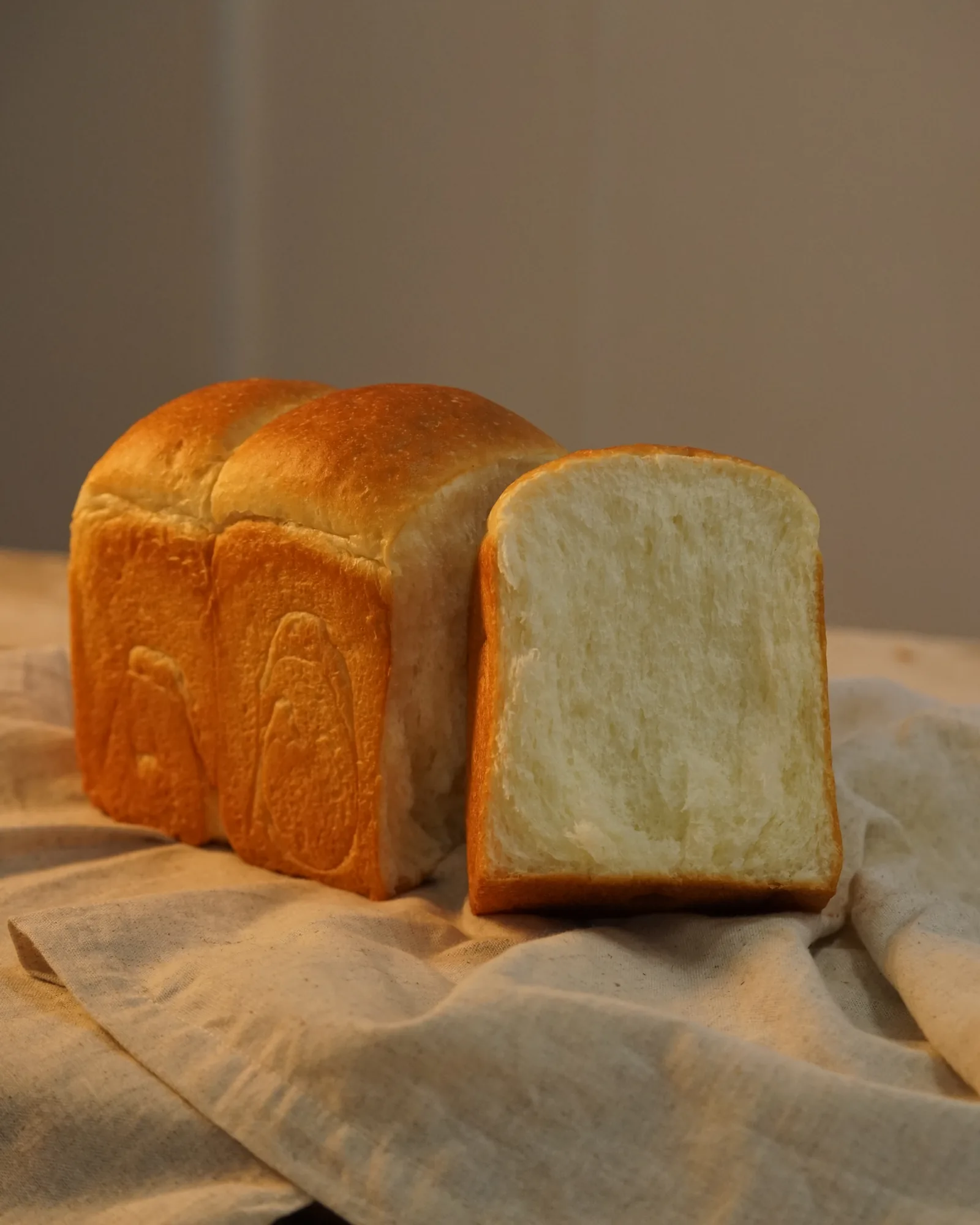
| White sandwich bread | Soft, classic, uniform | Very high | Mild, lets herbs lead | Turns pasty if not fully oven-dried |
| Brioche or challah | Rich, custardy, almost bread pudding | High | Buttery, a little sweet | Can go soggy; pairs best with savory add-ins and less butter |
| Cornbread | Crumbly, tender (usually called dressing) | High | Sweet corn, Southern style | Falls apart easily; fold gently or mix with a sturdier bread |
| Whole wheat | Dense, firm | Medium | Earthy, nutty | Can taste dry; best mixed half and half with white |
| Rye | Firm, slightly dense | Medium | Earthy, often with caraway | Strong flavor; great with sausage and apples, use in part |
Mixing breads works well, too. Half country sourdough and half cornbread gives you crumbly, sweet pockets inside sturdy, tangy cubes.
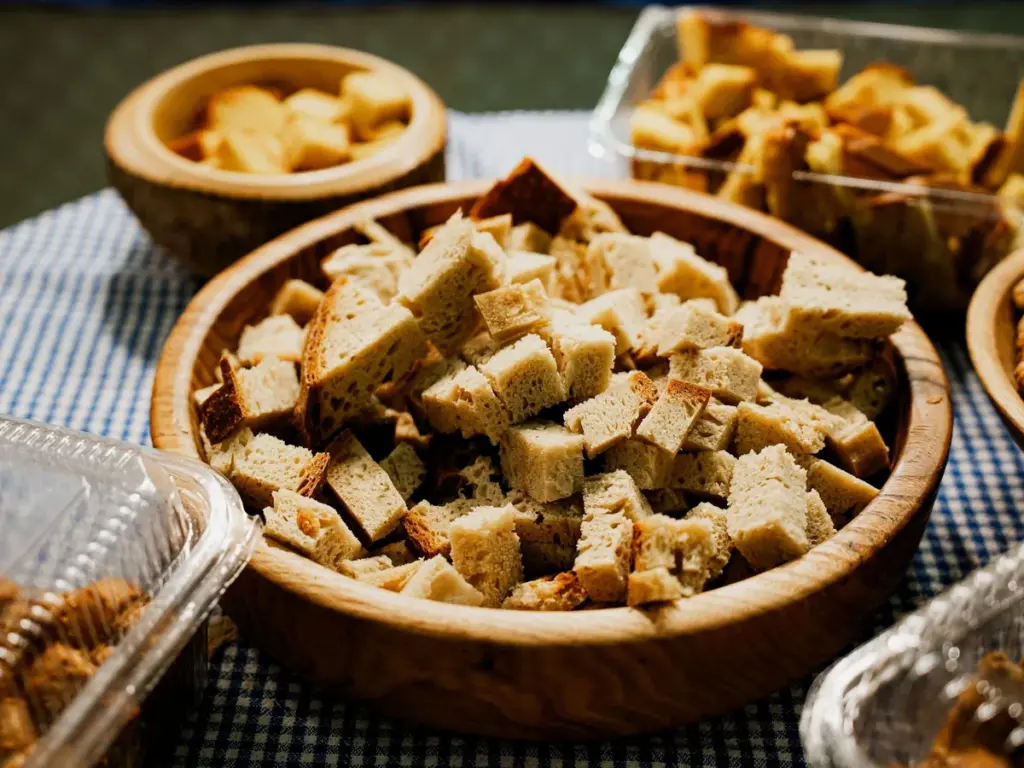
Is stale bread good for stuffing, or should you dry it in the oven?
Dry beats stale. Bread that has sat out for a day or two feels dry, but much of its moisture is still inside. As bread stales, its starch recrystallizes and holds onto water. America’s Test Kitchen made the same stuffing twice, once with bread left out to stale and once with bread dried in the oven. The stale-bread batch turned gluey and wet, while the oven-dried cubes held their shape and baked up moist and tender (America’s Test Kitchen).
So even if your bread is a few days old, give it time in the oven. Here’s how to dry bread for stuffing:
- Cut the bread into ½- to 1-inch cubes. Smaller cubes give a more cohesive stuffing; bigger ones give more crisp edges. With a thick-crusted sourdough, stay toward the smaller end.
- Spread the cubes in a single layer on rimmed baking sheets. Use two sheets rather than crowding one.
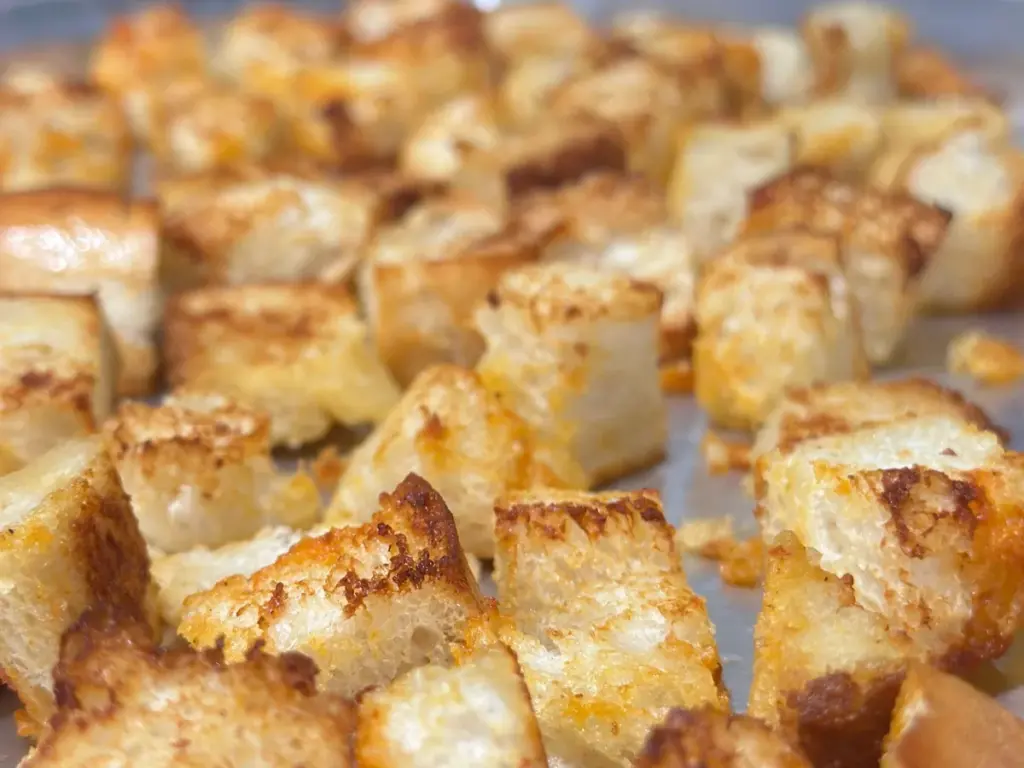
- Bake in a low oven, roughly 250°F to 300°F, stirring once or twice. Test kitchen recipes range from about 30 minutes at 250°F for cubes that are dry but not browned (America’s Test Kitchen) to about 50 to 55 minutes at 300°F for light golden, toasty cubes (America’s Test Kitchen).
- They’re ready when the cubes feel dry and firm all the way through, with no soft center when you squeeze one. Let them cool on the sheet.
Dried cubes keep well. America’s Test Kitchen stores cooled, dried bread in a zipper-lock bag for up to 2 days (America’s Test Kitchen), or in an airtight container for up to a week for smaller, untoasted cubes (America’s Test Kitchen).
How much liquid should you add to stuffing?
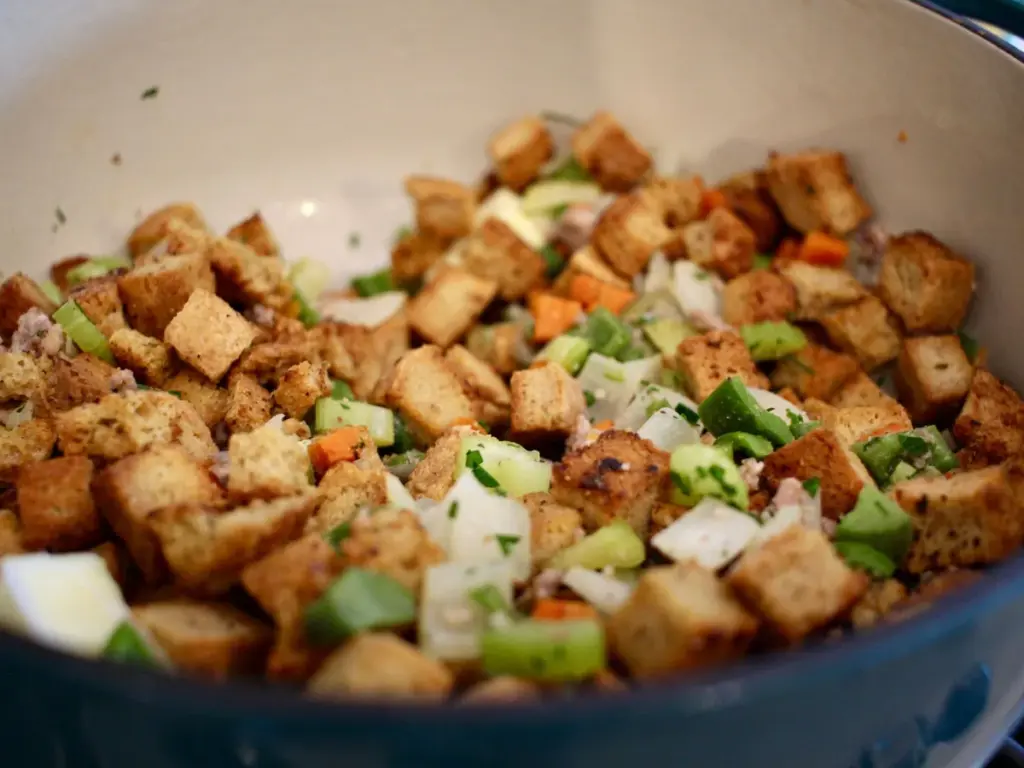
There’s no single right ratio, because bread type, how dry it is and your add-ins all change how much liquid it takes. As a reference point, America’s Test Kitchen’s simple holiday stuffing uses 2½ cups of chicken broth for 1½ pounds of dried white sandwich bread, plus browned butter (America’s Test Kitchen).
A practical approach: start with about two-thirds of the broth your recipe calls for, toss, and wait a few minutes. The cubes should look moistened and feel soft at the edges, with no pool of liquid in the bottom of the bowl. Add more a splash at a time. Denser breads like multigrain, whole wheat and rye often want a little more; brioche, challah and sandwich bread want less. Eggs, if you use them, help the stuffing hold together and make it more custardy.
Moist is also safer. The USDA Food Safety and Inspection Service notes that stuffing should be moist, not dry, because heat destroys bacteria more rapidly in a moist environment (USDA FSIS).
Is it safe to cook stuffing inside the turkey?
It can be, but baking it in a dish is safer and easier. Whether it’s inside the bird or in a casserole, stuffing must reach a safe minimum internal temperature of 165°F, checked with a food thermometer. Even when the turkey itself is done, the stuffing in the cavity may not be hot enough throughout, and it will need more cooking. For optimal safety and even doneness, USDA recommends cooking stuffing separately (USDA FSIS).
If you do stuff the bird, USDA’s guidance (USDA FSIS) is:
- Mix the wet and dry ingredients just before stuffing, and pack the stuffing in loosely, about ¾ cup per pound of bird.
- Roast immediately in an oven set no lower than 325°F.
- Check that the center of the stuffing reaches 165°F, then let the bird stand 20 minutes before removing the stuffing.
- Don’t stuff a raw turkey ahead of time and refrigerate it, and don’t stuff a bird you plan to deep-fry.
Stuffing outside the bird, sometimes called dressing, also gets the crisp, golden top that many people fight over. In much of the South, “dressing” usually means cornbread dressing baked in a pan, but USDA notes the names stuffing, filling and dressing are regional (USDA FSIS).
Can you make stuffing ahead of time?
Yes, with a few rules. The bread can be dried days ahead. USDA says the dry and wet ingredients can be prepared ahead and chilled separately, but they shouldn’t be mixed until just before the stuffing goes into the bird or the baking dish. Don’t refrigerate uncooked, mixed stuffing. If you want it fully done ahead, bake it, cool it in shallow containers, refrigerate within 2 hours, and use it within 3 to 4 days, reheating it to 165°F. Uncooked stuffing can also be frozen right after mixing and baked from frozen to 165°F (USDA FSIS).
Frozen bread works well for stuffing, too. Thaw it, cube it and oven-dry it as usual; a loaf that has been frozen and thawed dries quickly. Our guide on how to freeze, thaw and reheat sourdough covers thawing. And if you’re buying bread a few days early, here’s how to keep bread fresh until you’re ready.
Which of our loaves make good stuffing?
If you’re cooking with our bread, these are the loaves we’d reach for:
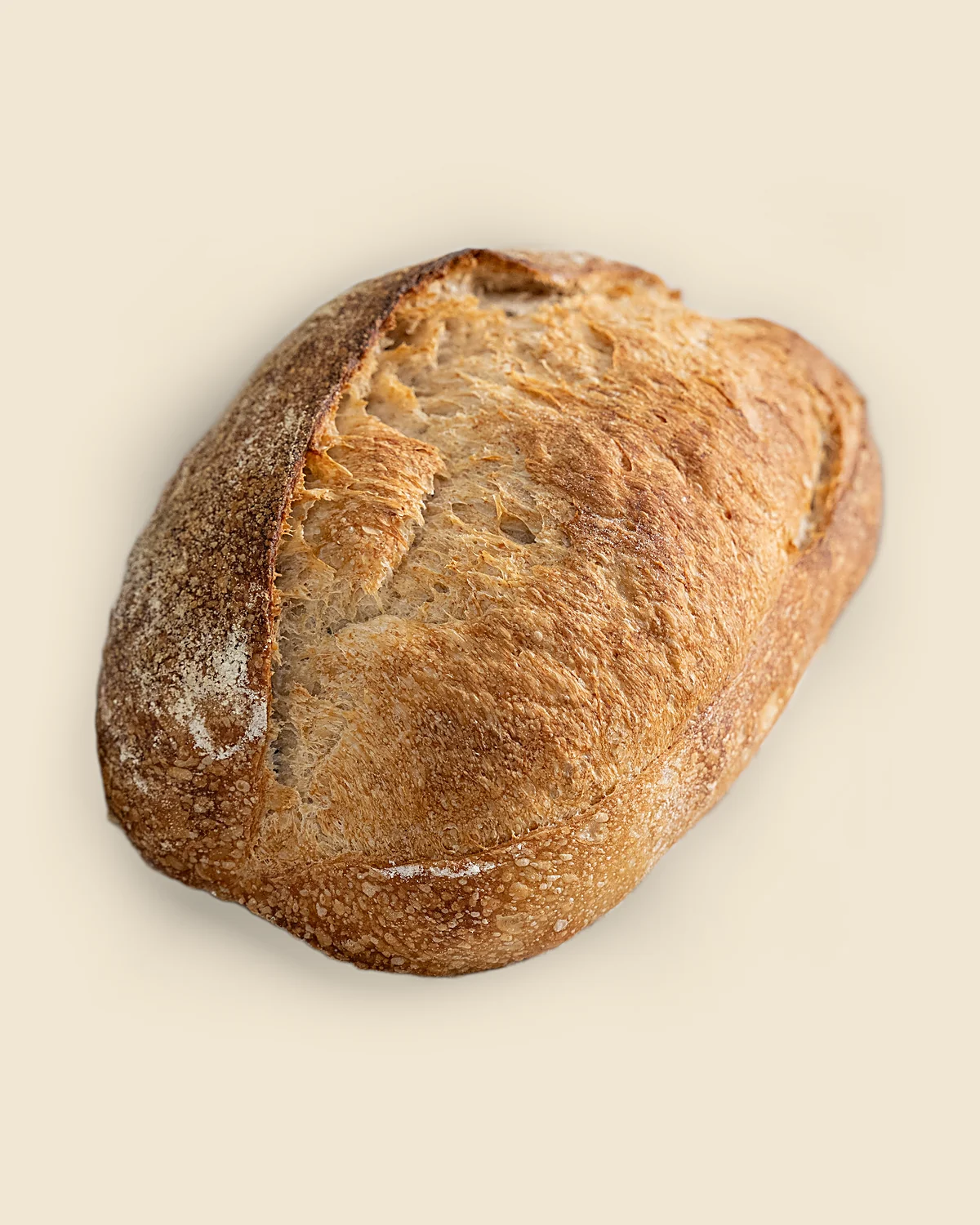
- Classic Country Sourdough: our signature loaf, with an open, airy crumb and a deep amber crust from a 20-hour ferment. It makes a classic sourdough stuffing with tender cubes and a crisp top. Contains wheat.
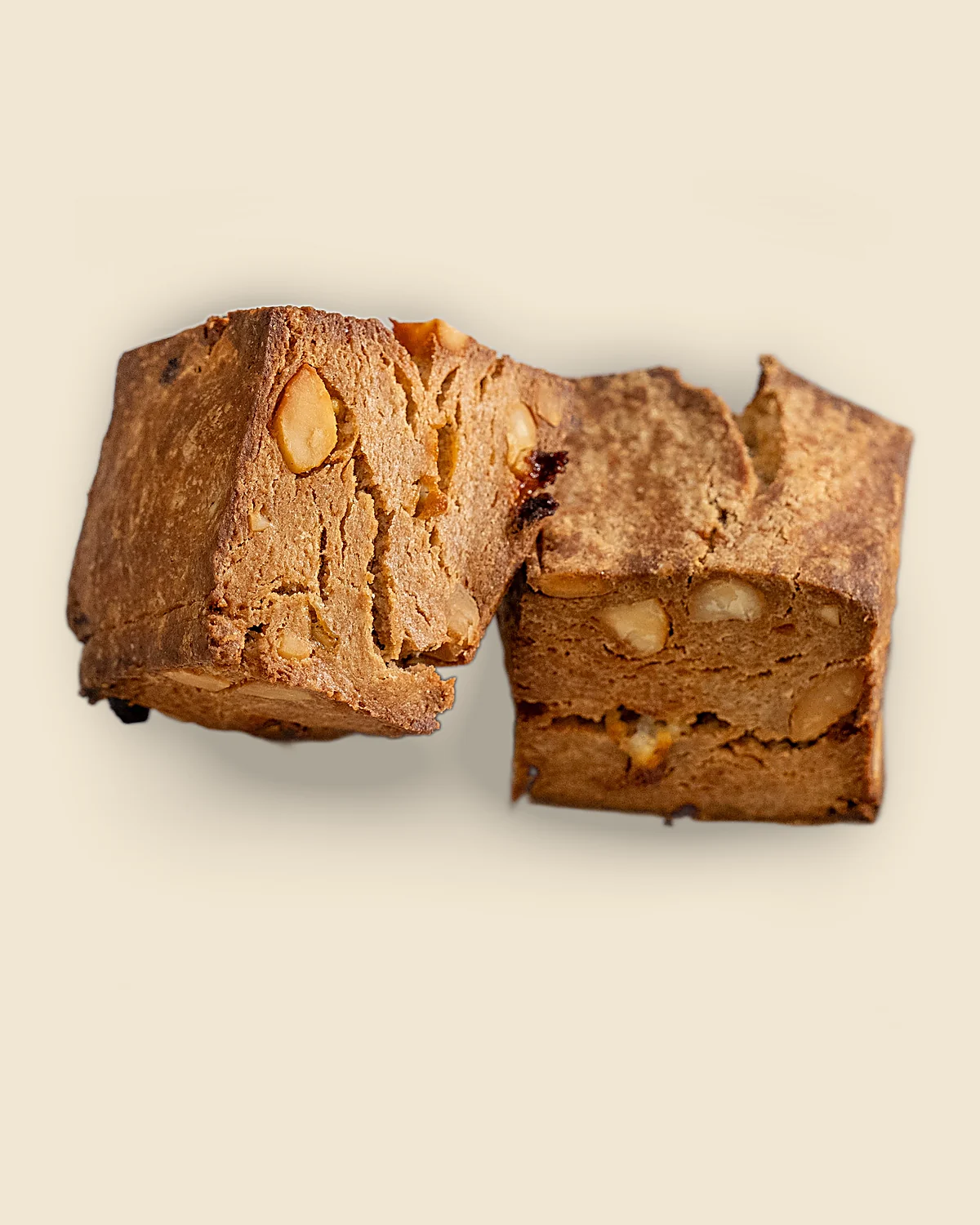
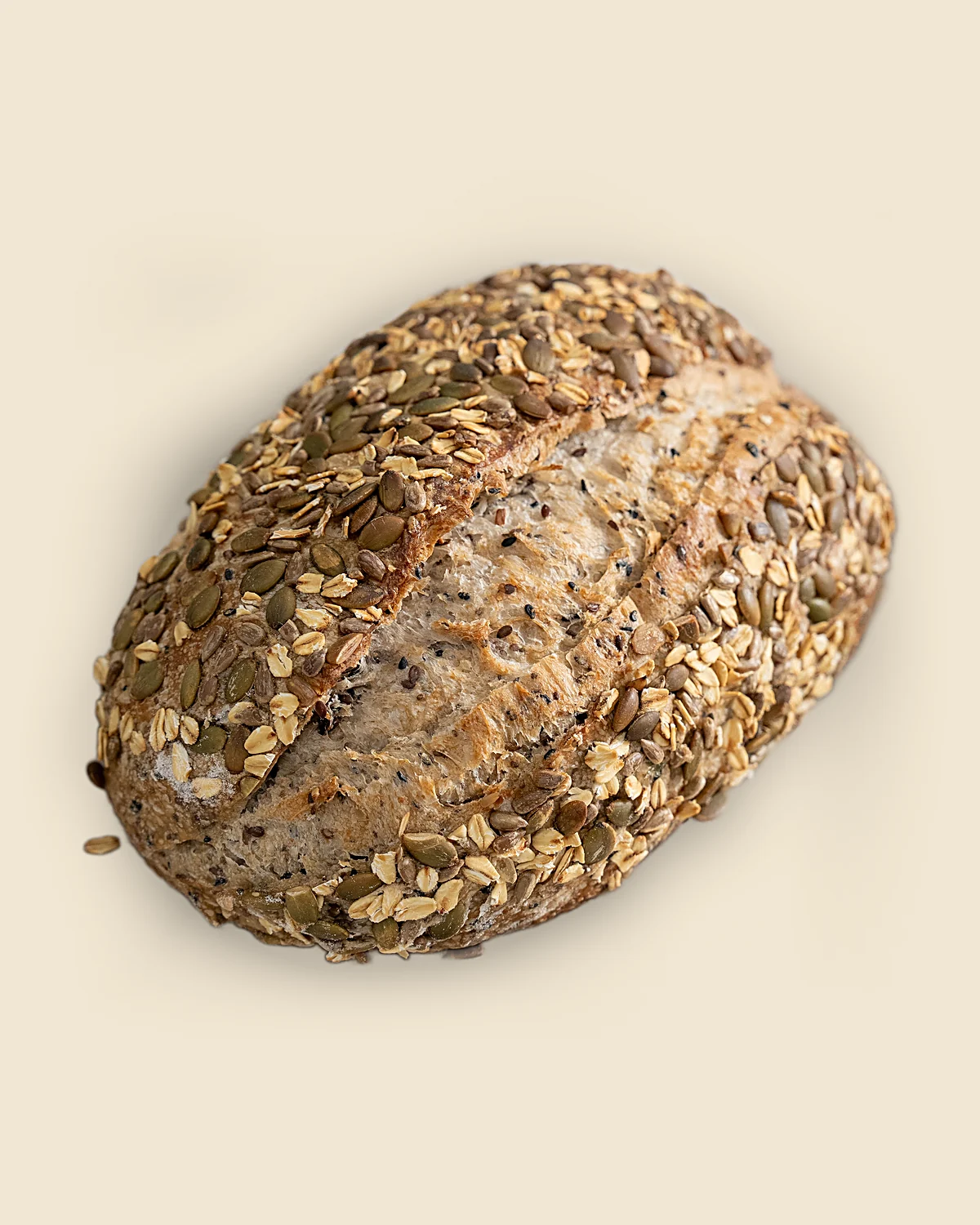
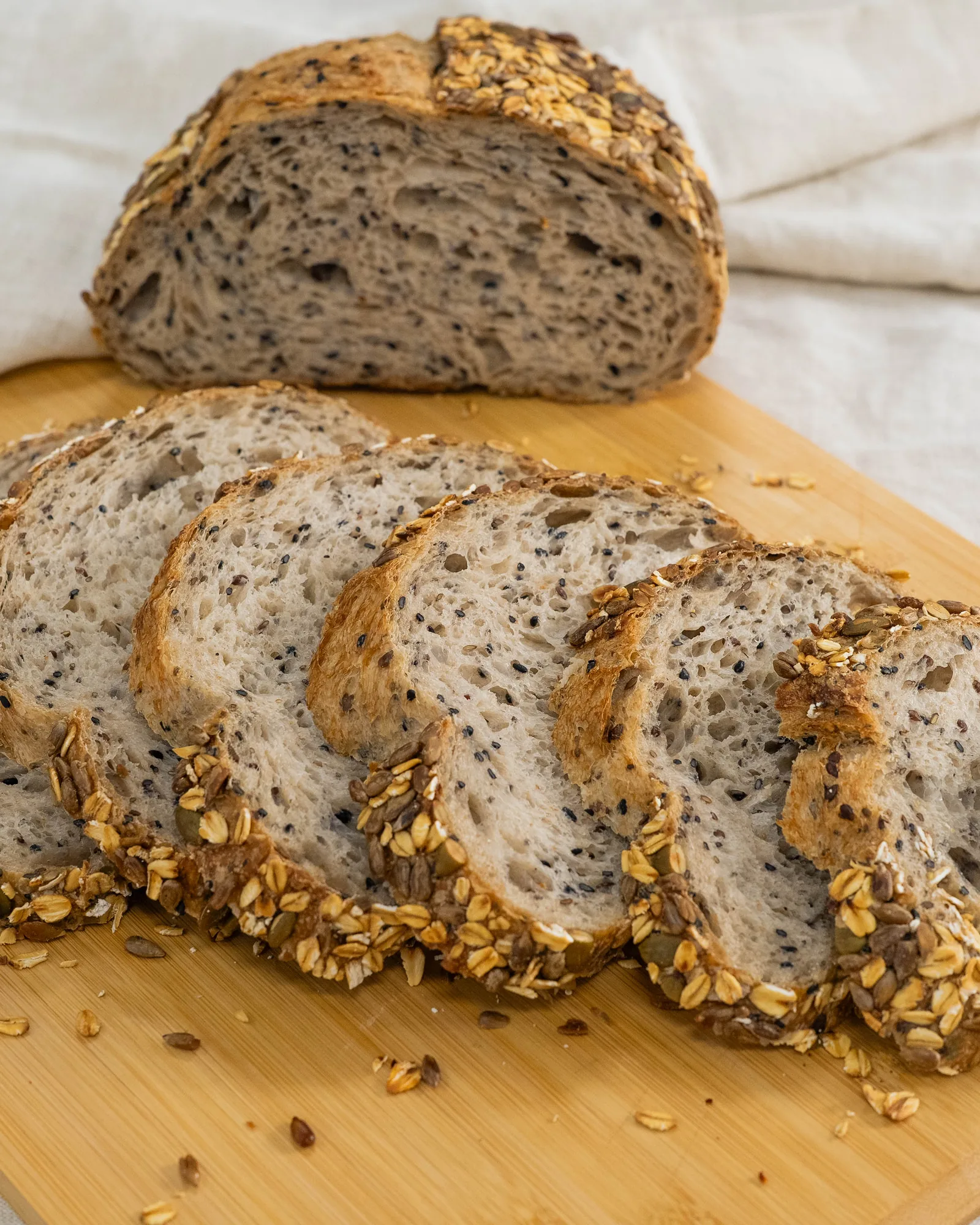
- Harvest Multigrain Sourdough: flax, sesame, chia, sunflower and pumpkin seeds plus oats in a naturally leavened dough, for a toasty, nutty stuffing. It’s great mixed half and half with the country loaf. Contains wheat and sesame.
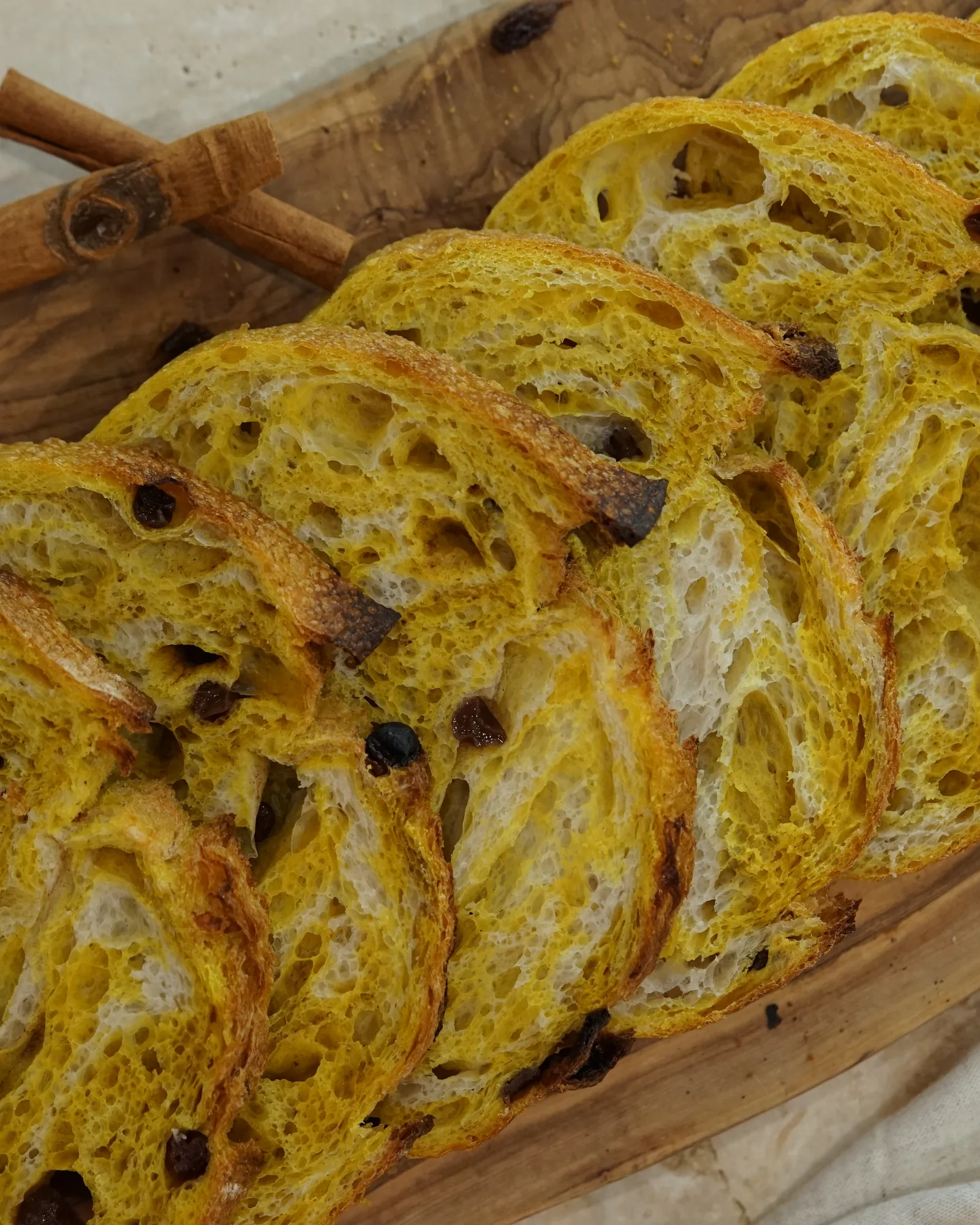
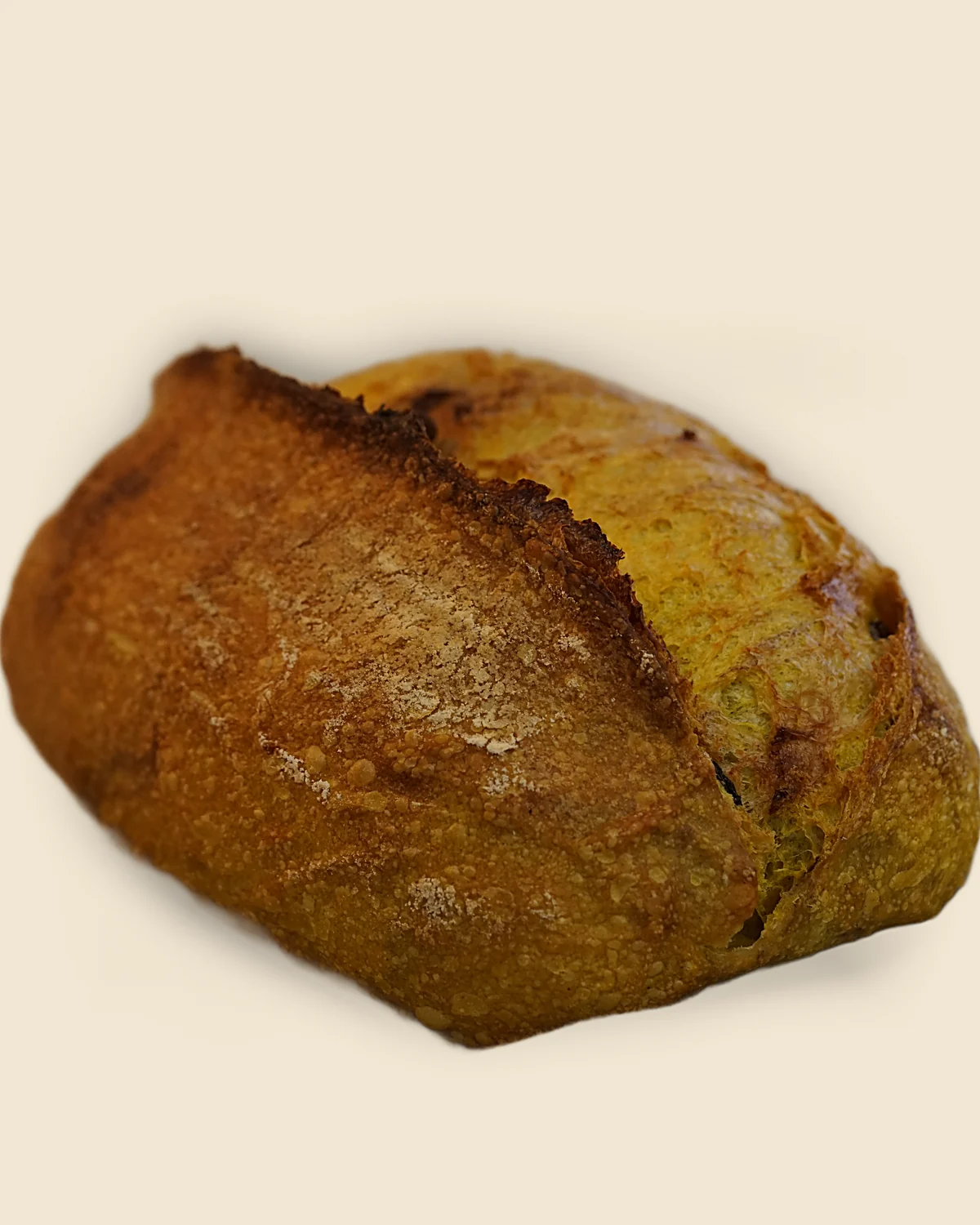
- Golden Cinnamon Raisin Sourdough: turmeric, cinnamon and rum-soaked raisins make it a natural for a sweet-savory stuffing with sausage, apples and sage. Use it for part of the bread. Contains wheat.
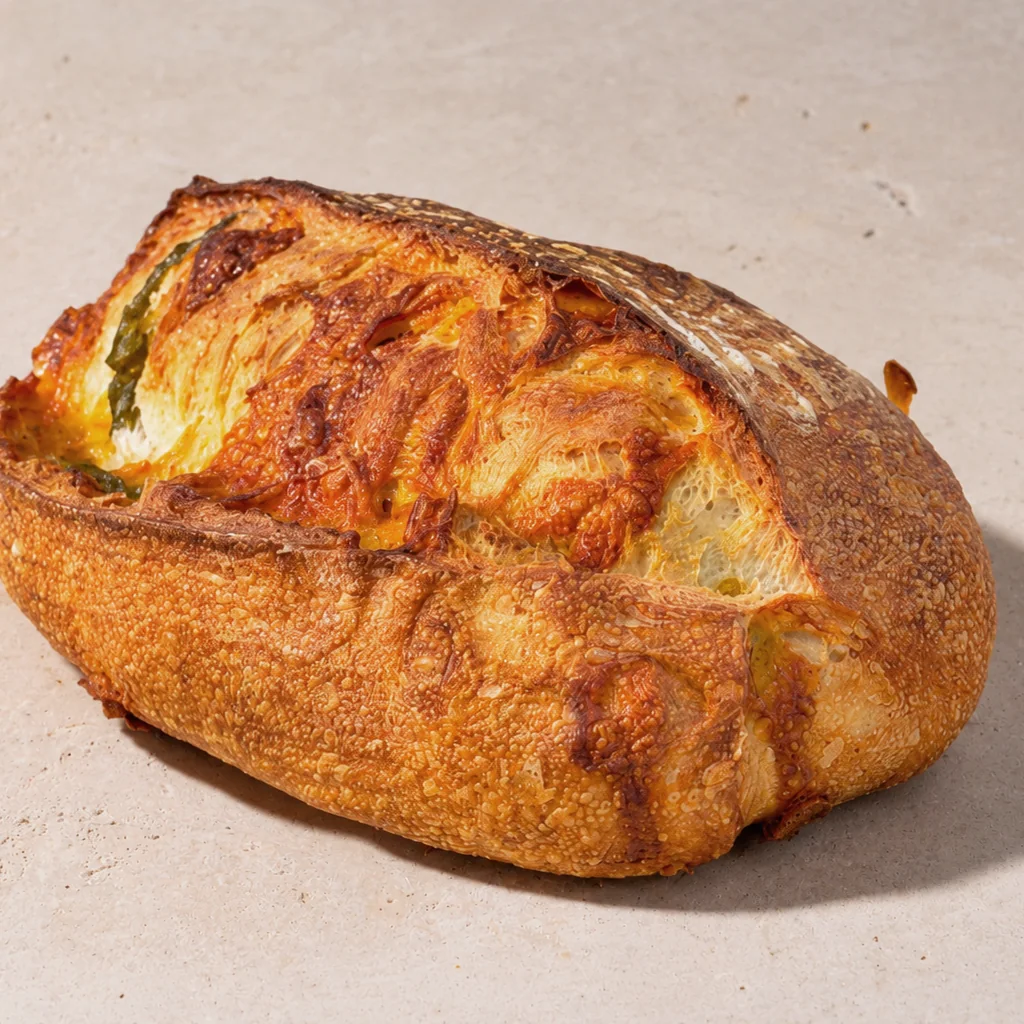
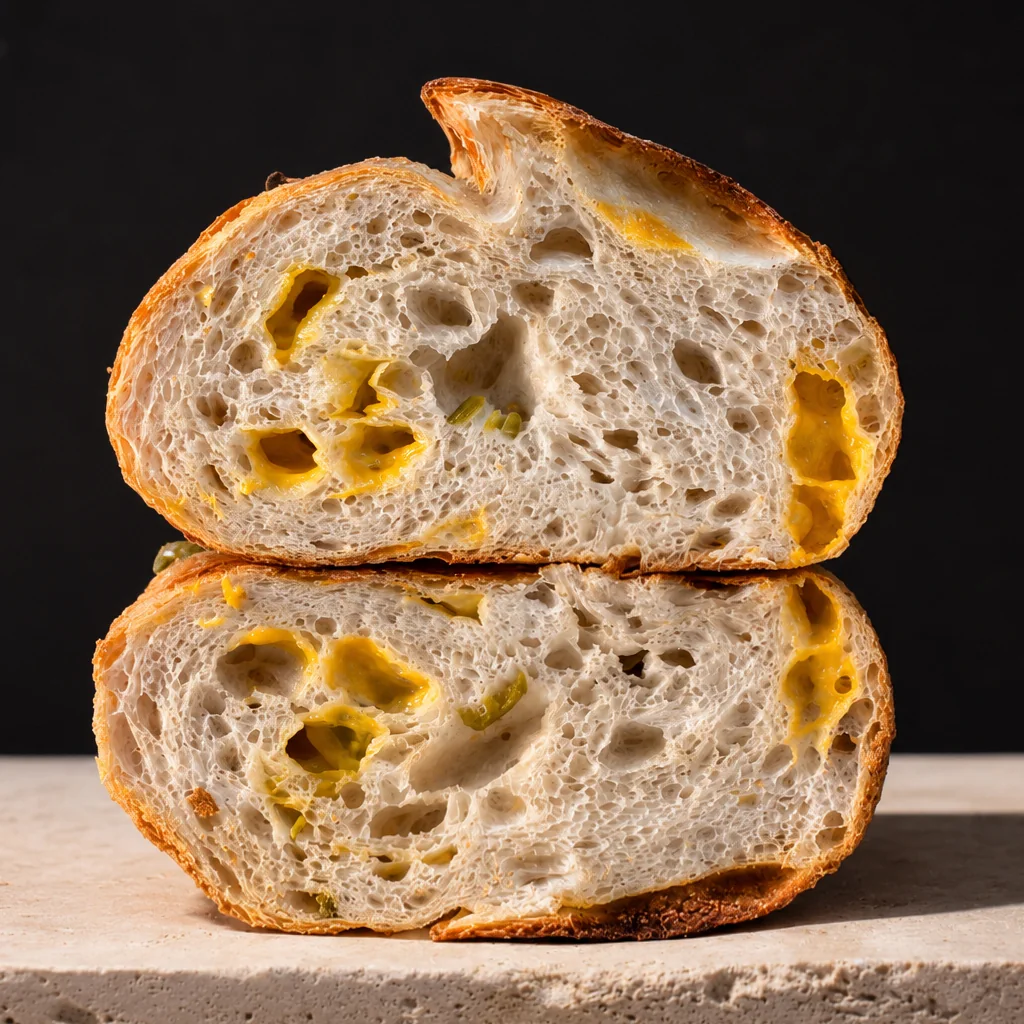
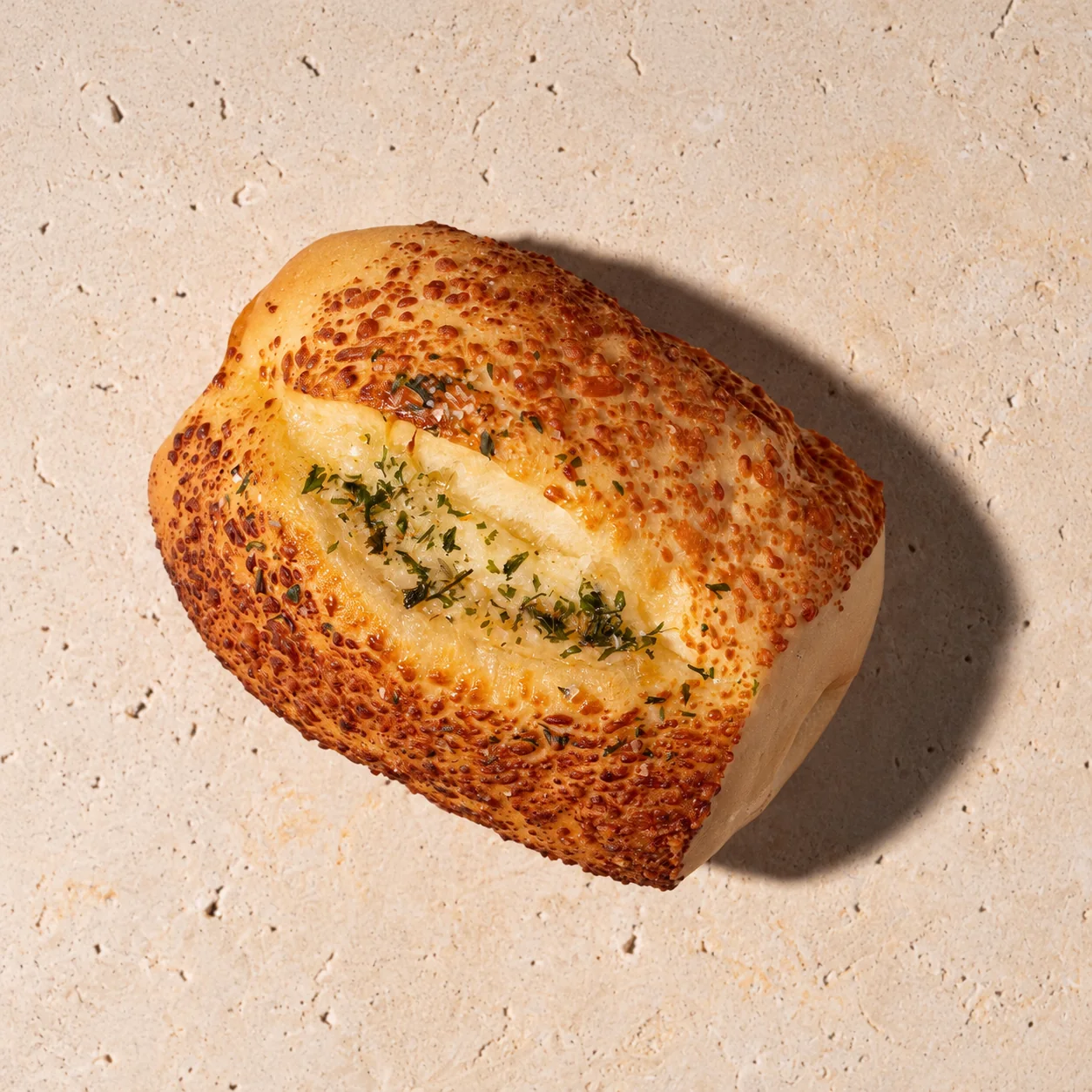
- Jalapeño Cheddar Sourdough: sharp cheddar and pickled jalapeño give a bold, spicy stuffing that’s good with cornbread or chorizo. Contains wheat and milk.
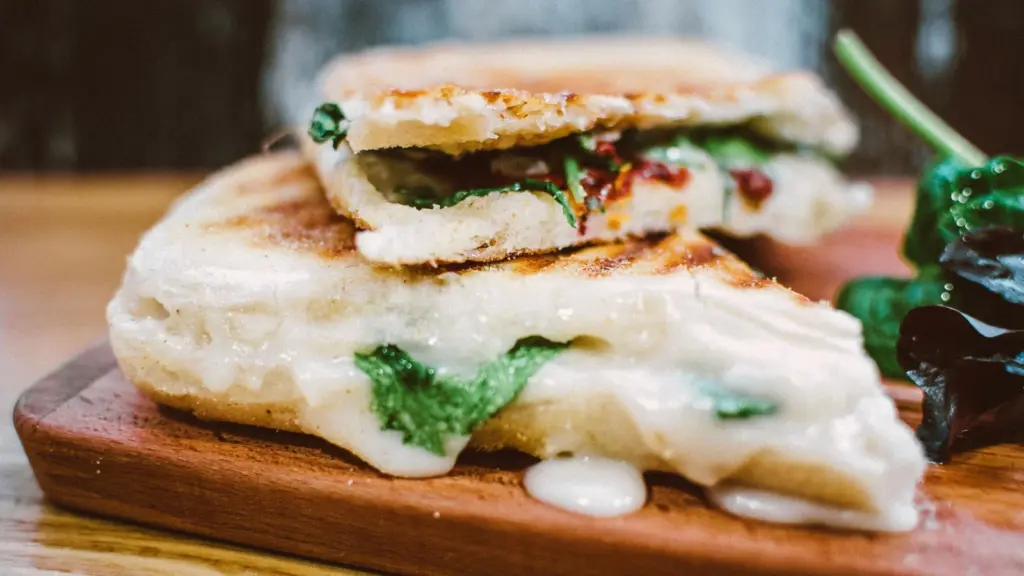
Got leftover sourdough after the holiday? It also makes a great sandwich, and we compare loaves for that in the best bread for grilled cheese.
Questions
Can you use fresh bread for stuffing?
Yes, as long as you dry it first. Cube it and bake it in a low oven until it’s dry all the way through, then let it cool before adding broth.
What is the difference between stuffing and dressing?
Traditionally, stuffing is cooked inside the bird and dressing is baked in a separate dish. Today the names are mostly regional, and in the South dressing often means cornbread dressing.
Should you remove the crust from bread for stuffing?
Usually not. The crust adds flavor and chew. With a very thick, hard crust, cut the cubes a little smaller so every piece softens evenly.
How many cups of stuffing does a 1-pound loaf make?
As a rough guide, about 10 to 11 cups of ½-inch cubes, based on America’s Test Kitchen’s 1½ pounds of bread yielding 16 cups. The volume shrinks once the bread is moistened and baked.
Why is my stuffing soggy?
Usually the bread wasn’t fully dried, the bread was very soft, or too much liquid went in at once. Oven-dry the cubes thoroughly, add broth gradually, and bake uncovered at the end for a crisp top.
Sources
Bake it home
Classic Country Sourdough
Harvest Multigrain Sourdough
Golden Cinnamon Raisin Sourdough