
Sourdough vs White vs Whole Wheat Bread: What’s the Difference?

In short
Sourdough is a leavening method, while white and whole wheat describe the flour, so sourdough can be either. White-flour sourdough is nutritionally close to white bread; whole wheat has about twice the fiber.
Sourdough, white and whole wheat aren’t three points on one scale. “White” and “whole wheat” describe the flour. “Sourdough” describes the leavening: how the bread rises. That means a sourdough loaf can be made from white flour, whole wheat flour, or a blend. Once you separate those two questions, the comparison gets much easier.
Is sourdough bread considered white bread?
Often, yes. Most classic sourdough loaves are made mostly from refined wheat flour, sometimes with a small share of whole wheat or rye. By flour, that makes them a white bread. What differs is the process: instead of commercial yeast, the dough is raised by a sourdough starter, a culture of wild yeasts and lactic acid bacteria, over a much longer fermentation.
The USDA’s FoodData Central database reflects this. It doesn’t list a separate entry for plain sourdough; it groups it with French and Vienna bread, a white-flour category (USDA FoodData Central). A loaf labeled “whole wheat sourdough” or “whole grain sourdough” is a different story: that’s sourdough fermentation applied to whole-grain flour.
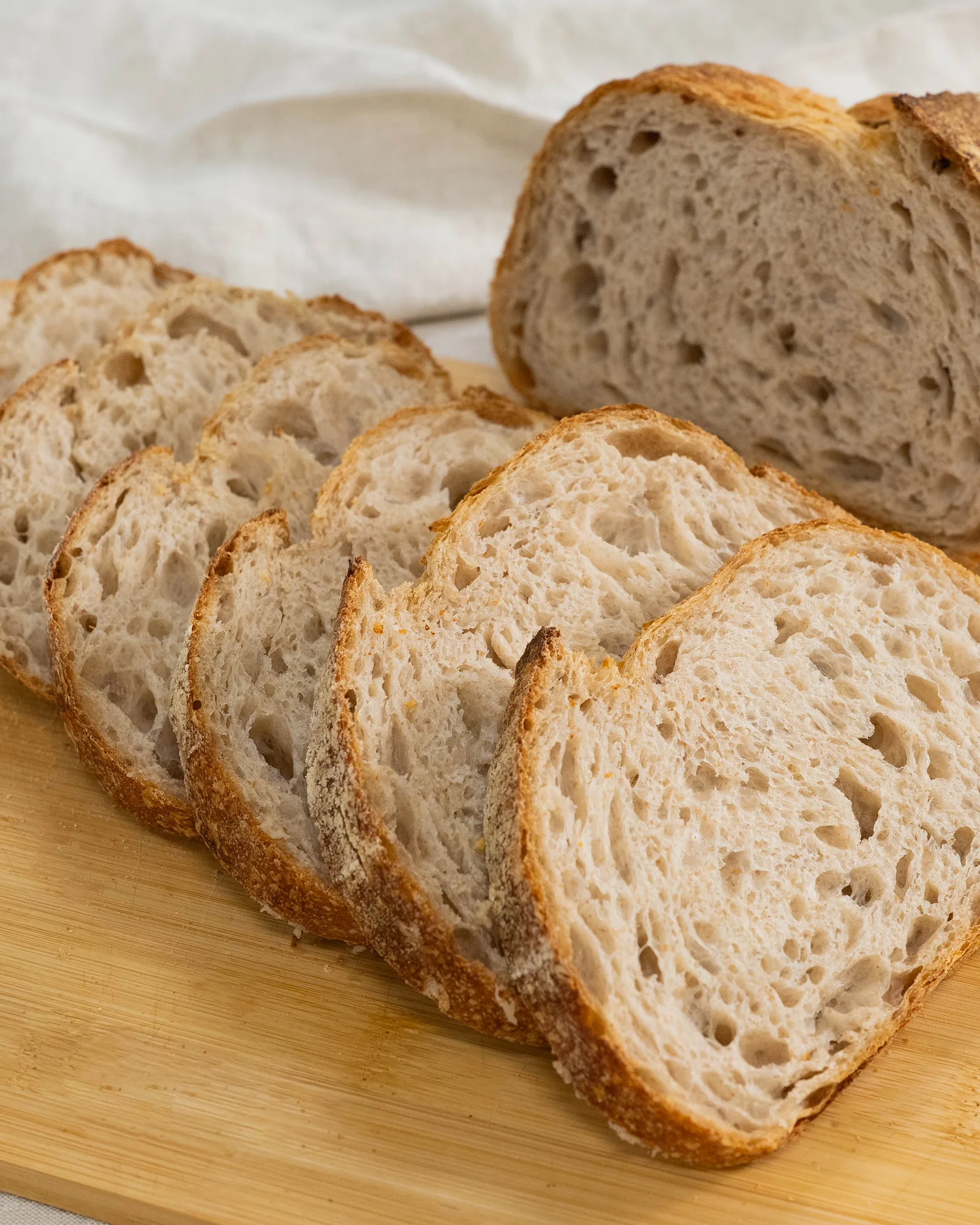
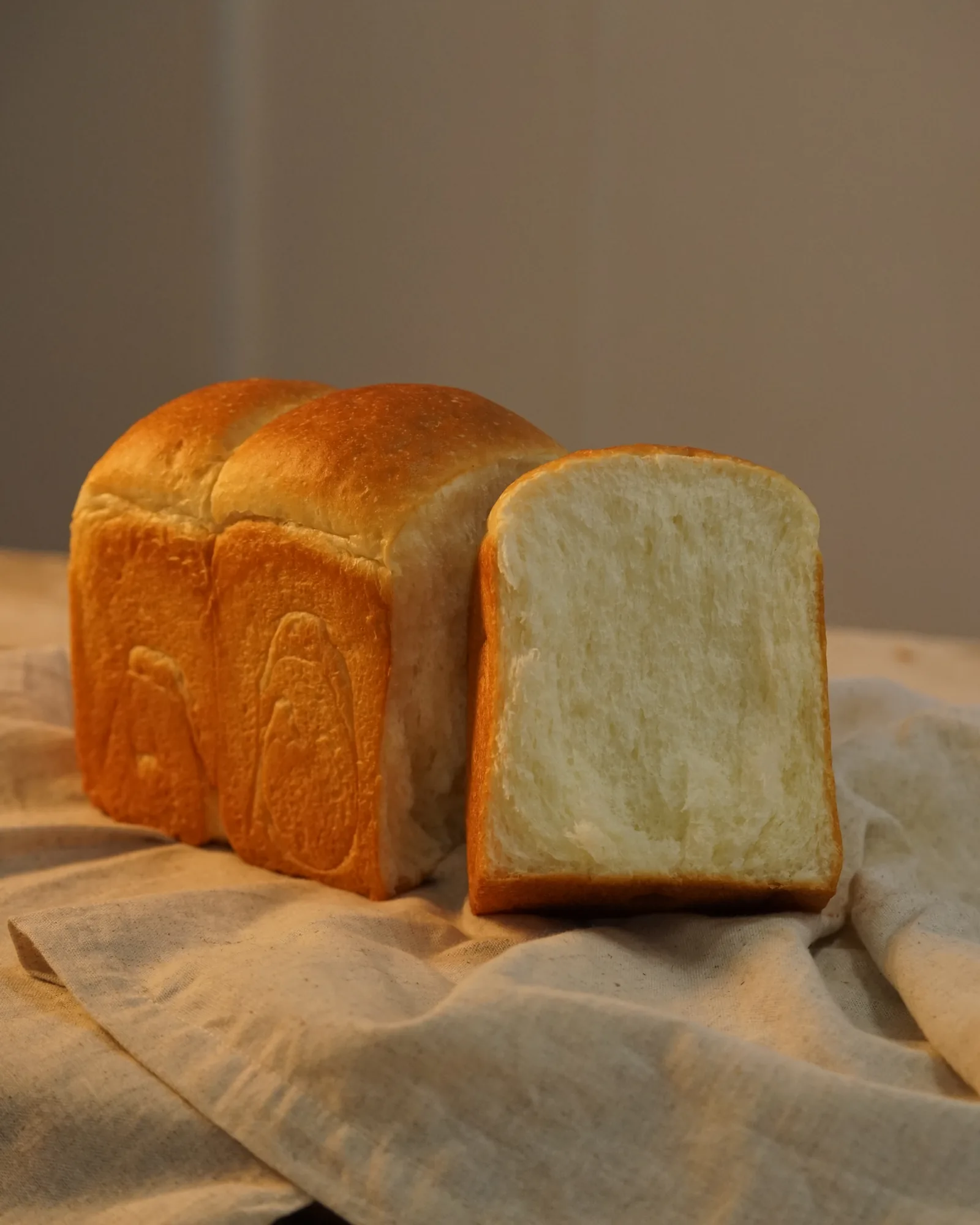
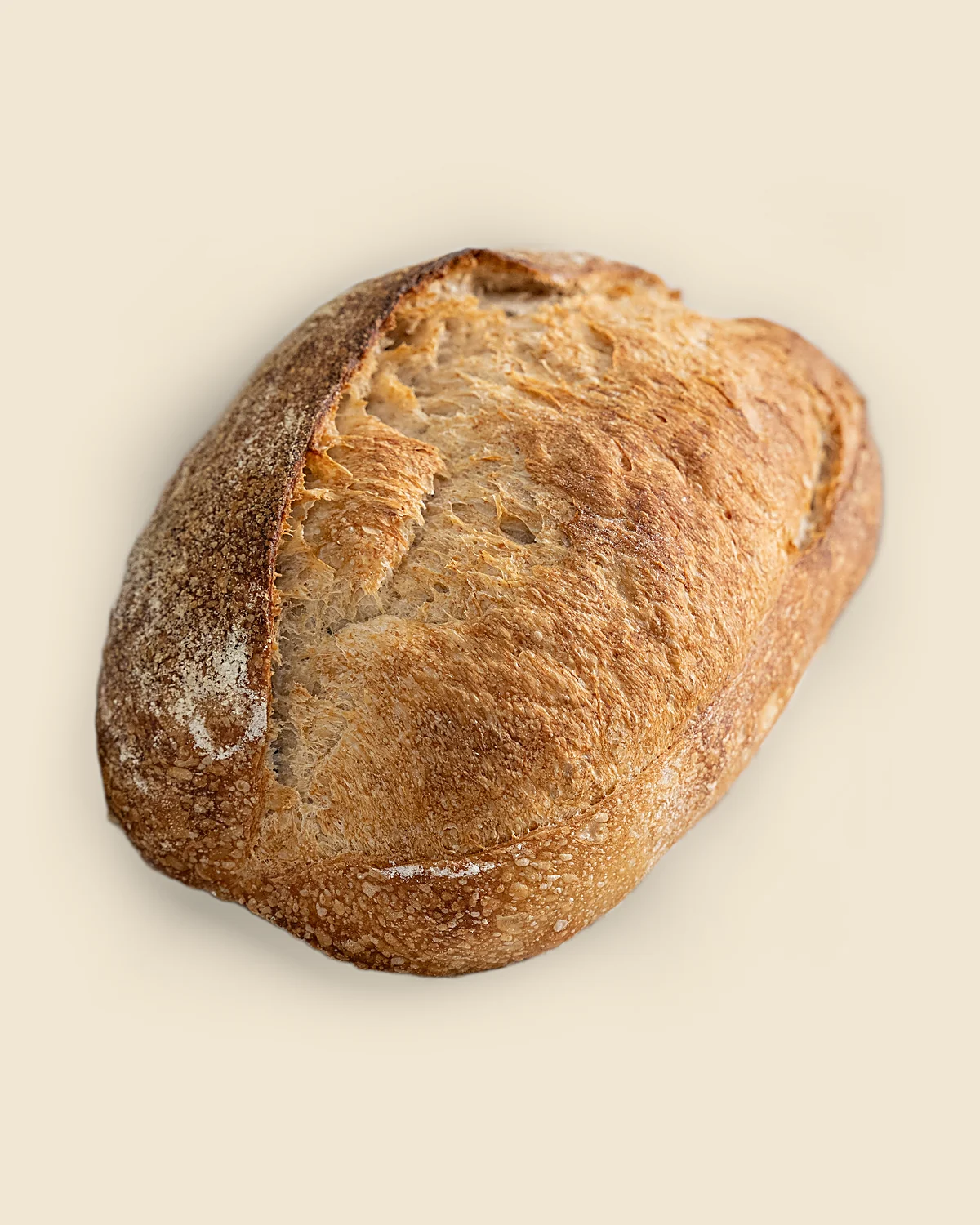
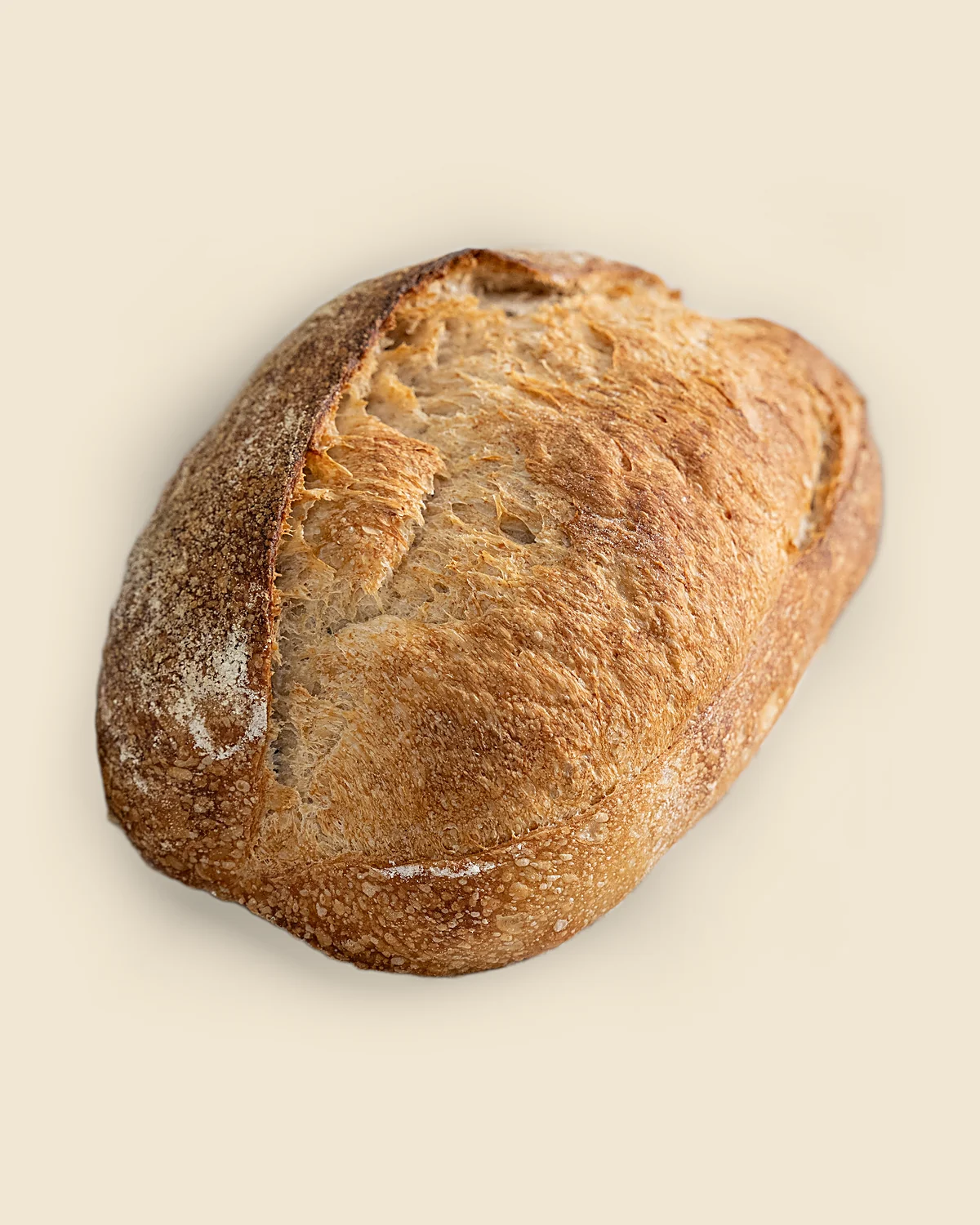
Our own Classic Country Sourdough is a good example of the in-between: French T65 wheat flour with some whole wheat flour, raised by our levain over a ferment of about 20 hours.
Sourdough vs white vs whole wheat: the quick comparison
| Sourdough | White bread | Whole wheat bread | |
|---|---|---|---|
| What the name describes | Leavening method | Flour (refined) | Flour (whole grain) |
| How it rises | Sourdough starter (wild yeast + lactic acid bacteria) | Usually commercial yeast | Usually commercial yeast (can be sourdough) |
| Typical flour | Often mostly white; can be whole grain | Refined wheat flour (bran and germ removed) | Whole wheat flour (bran, germ and endosperm) |
| Fermentation time | Long, often many hours to overnight | Often short | Often short |
| Taste | Mildly to distinctly tangy, complex | Mild, neutral, sometimes sweet | Nutty, earthy, slightly bitter |
| Texture | Chewy crumb, crisp crust (in hearth loaves) | Soft, light, even | Denser, heartier |
| Fiber | Low if white flour; higher if whole grain | Low | Higher |
How do the leavening and flour change the bread?
Leavening: starter vs commercial yeast
Commercial yeast is fast and predictable; a yeasted sandwich loaf can go from mixing to baking in a few hours. A sourdough starter works more slowly. During that long fermentation, the bacteria produce lactic and acetic acids that give sourdough its tang, a chewier texture and a crust that browns deeply. The acidity also helps sourdough keep a little longer on the counter before it goes stale or molds.
If you want to know more about starters, we wrote about what levain is and how it works.
Flour: refined vs whole grain
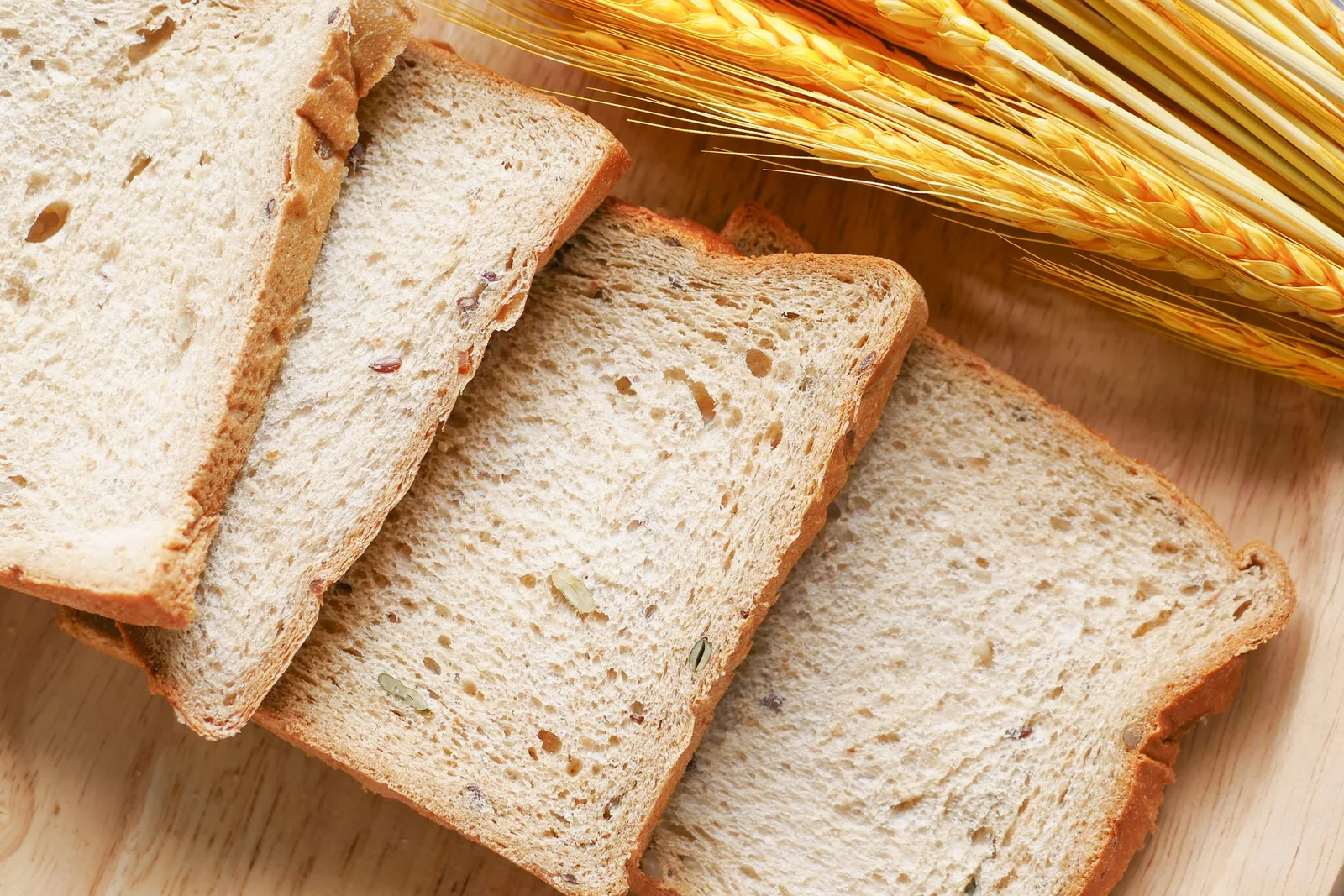
A wheat kernel has three parts: the bran, the germ and the starchy endosperm. White flour is mostly endosperm. Whole wheat flour keeps all three, which adds fiber, a nuttier flavor and a darker, denser crumb. The bran also cuts through gluten strands, which is why 100% whole wheat loaves tend to rise less.
Which is healthier: sourdough, white or whole wheat?
The flour matters more for basic nutrition than the leavening. Here are typical USDA values for commercially prepared breads, scaled to a 1-ounce (28 g) serving, roughly one sandwich slice:
| Per 1 oz (28 g) | Calories | Carbs | Fiber | Protein | Sodium |
|---|---|---|---|---|---|
| French/Vienna (includes sourdough) | 77 | 14.7 g | 0.6 g | 3.0 g | 171 mg |
| White, commercially prepared | 75 | 14.0 g | 0.8 g | 2.5 g | 139 mg |
| Whole wheat, commercially prepared | 71 | 12.1 g | 1.7 g | 3.5 g | 129 mg |
Values calculated from USDA FoodData Central (SR Legacy) per-100 g data. They vary widely from loaf to loaf depending on the flour, added seeds or sugar, salt level and slice thickness, so check the label or the bakery’s nutrition information for a specific bread.
The pattern is clear: white-flour sourdough and white sandwich bread are close in calories, carbohydrates and fiber, while whole wheat has about twice the fiber and a bit more protein. If fiber is your goal, whole grain flour is what delivers it, whether the bread is sourdough or yeasted.
What about blood sugar and glycemic index?
This is where sourdough fermentation itself may matter. A 2022 systematic review and meta-analysis of 18 clinical trials found that eating sourdough bread produced a smaller rise in blood glucose at 60 and 120 minutes than industrially fermented bread or a glucose drink, with the effect most apparent for sourdough made with whole wheat flour (Critical Reviews in Food Science and Nutrition). The authors rated the certainty of the evidence as low to very low, and sourdough did not change fasting insulin.
A small 2023 study in pregnant women, with and without gestational diabetes, found lower one-hour glucose and insulin after whole grain sourdough bread than after refined white bread, though two-hour glucose was similar (Wiener klinische Wochenschrift). That study compared two things at once, flour and fermentation, so it can’t say which one made the difference.
Keep the limits in mind: glycemic response depends on the flour, the recipe, portion size, what you eat with the bread, and the individual. No bread treats or prevents a health condition. If you are managing blood sugar, talk to your doctor or a registered dietitian about what fits your diet.
For more on this, see is sourdough bread healthy?
Sourdough vs whole wheat: which should you choose?
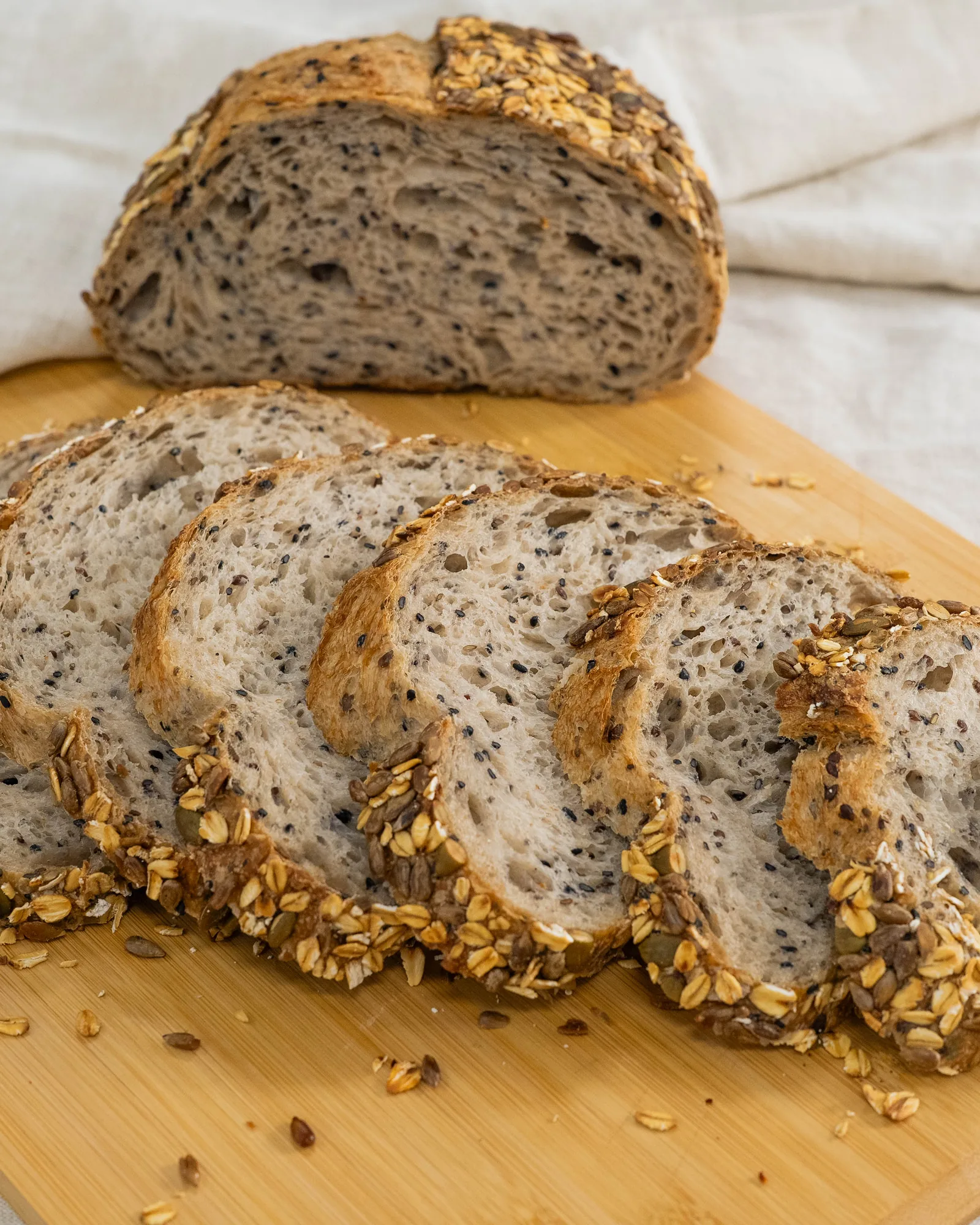
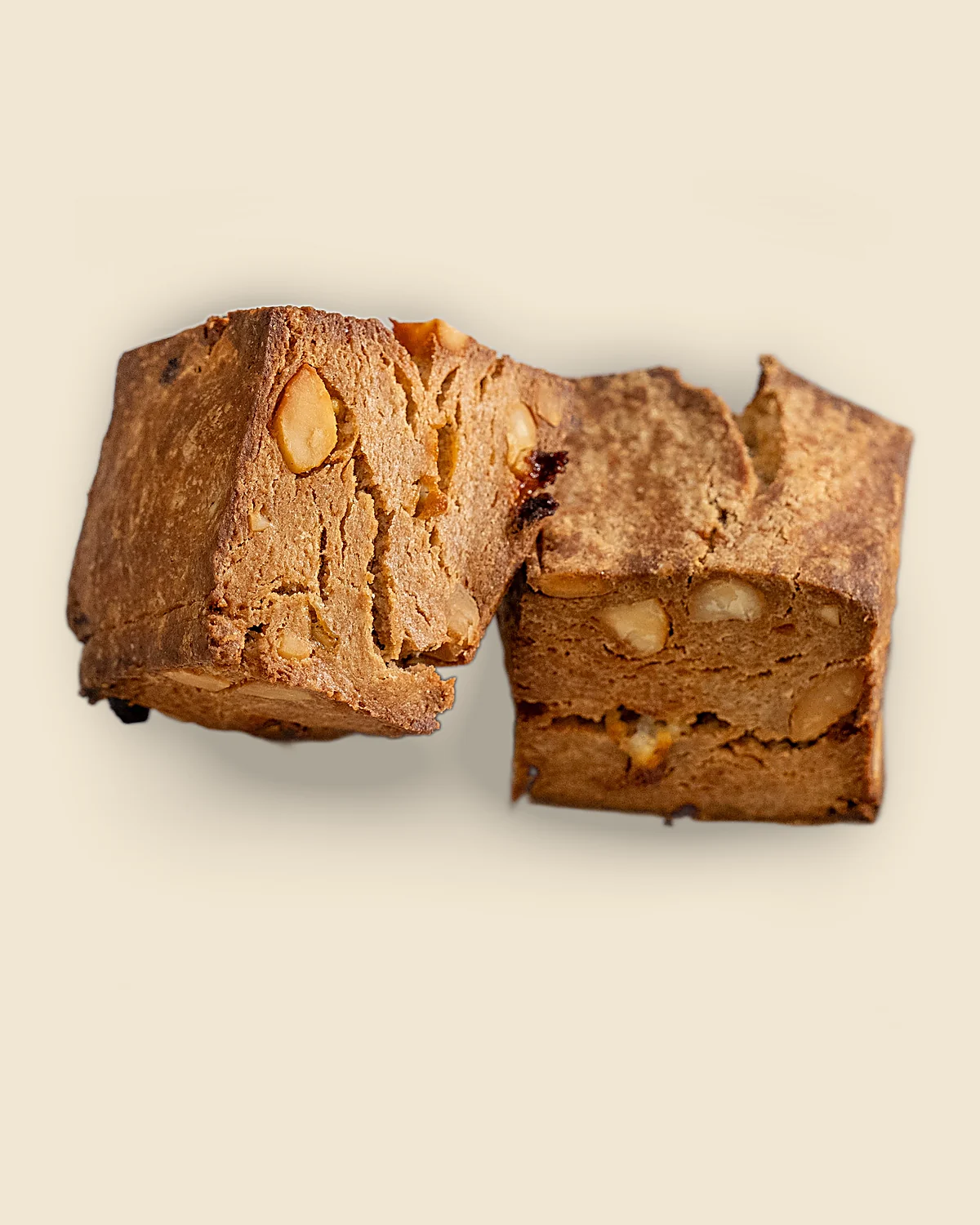
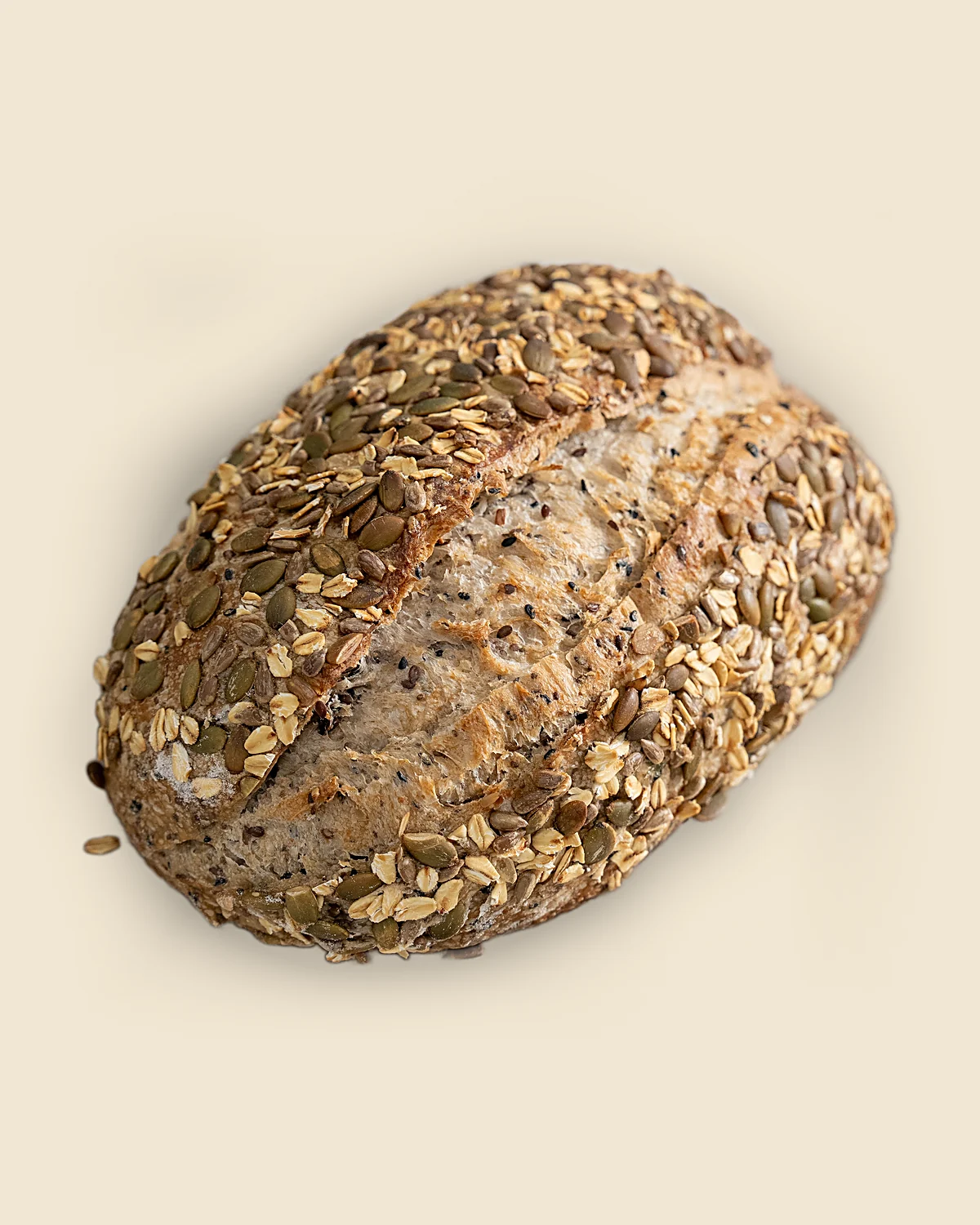
You don’t have to pick a side. If you like the tang and chew of sourdough and want more fiber, look for a sourdough with whole grain flour, or one with seeds and grains folded in. Our Harvest Multigrain Sourdough, for example, adds flax, sesame, chia, sunflower and pumpkin seeds plus oats to a dough of French T65 and whole wheat flour.
Some practical guidance by use:
- Toast, bruschetta, soups and cheese boards: sourdough. The crust and chew hold up to toppings and dunking.
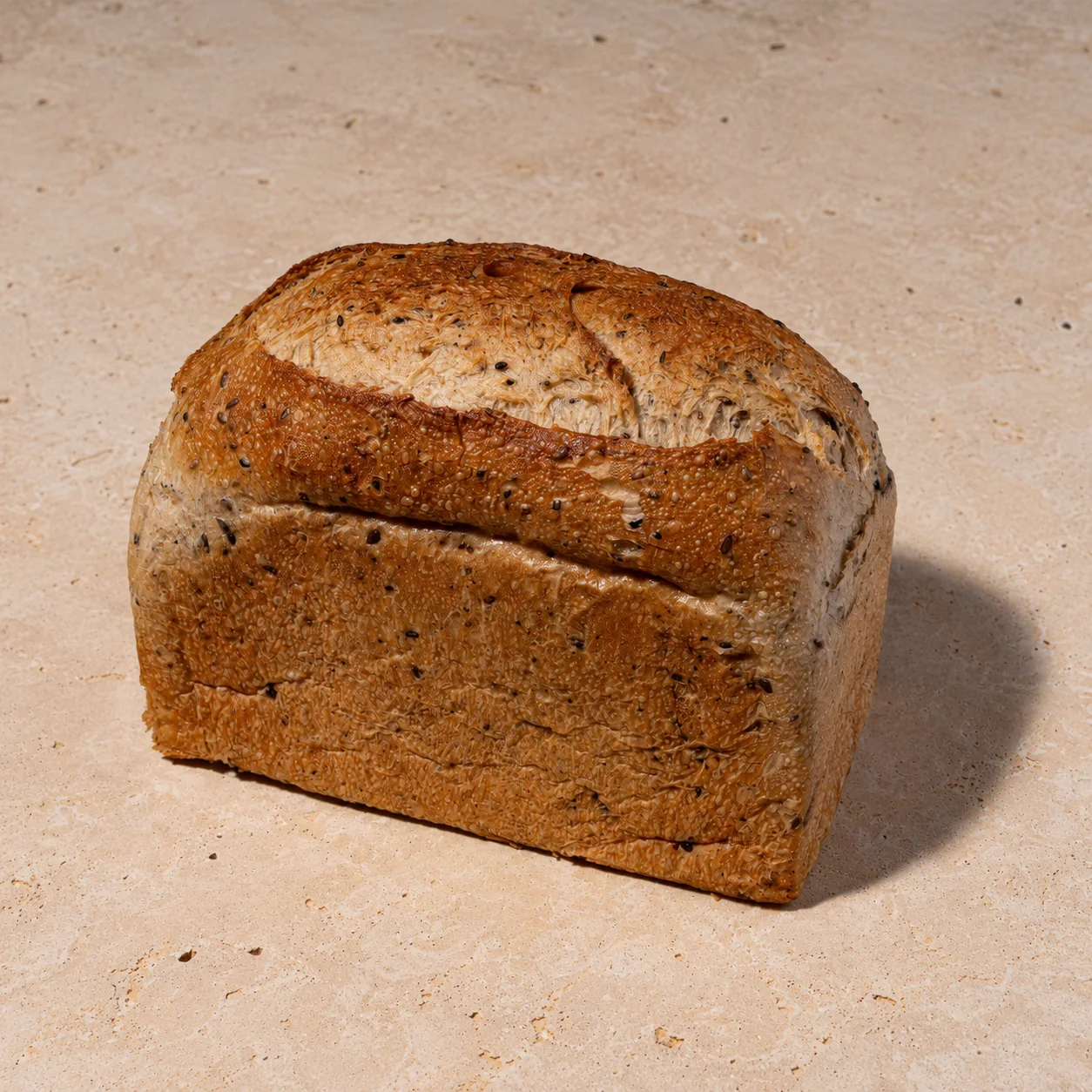
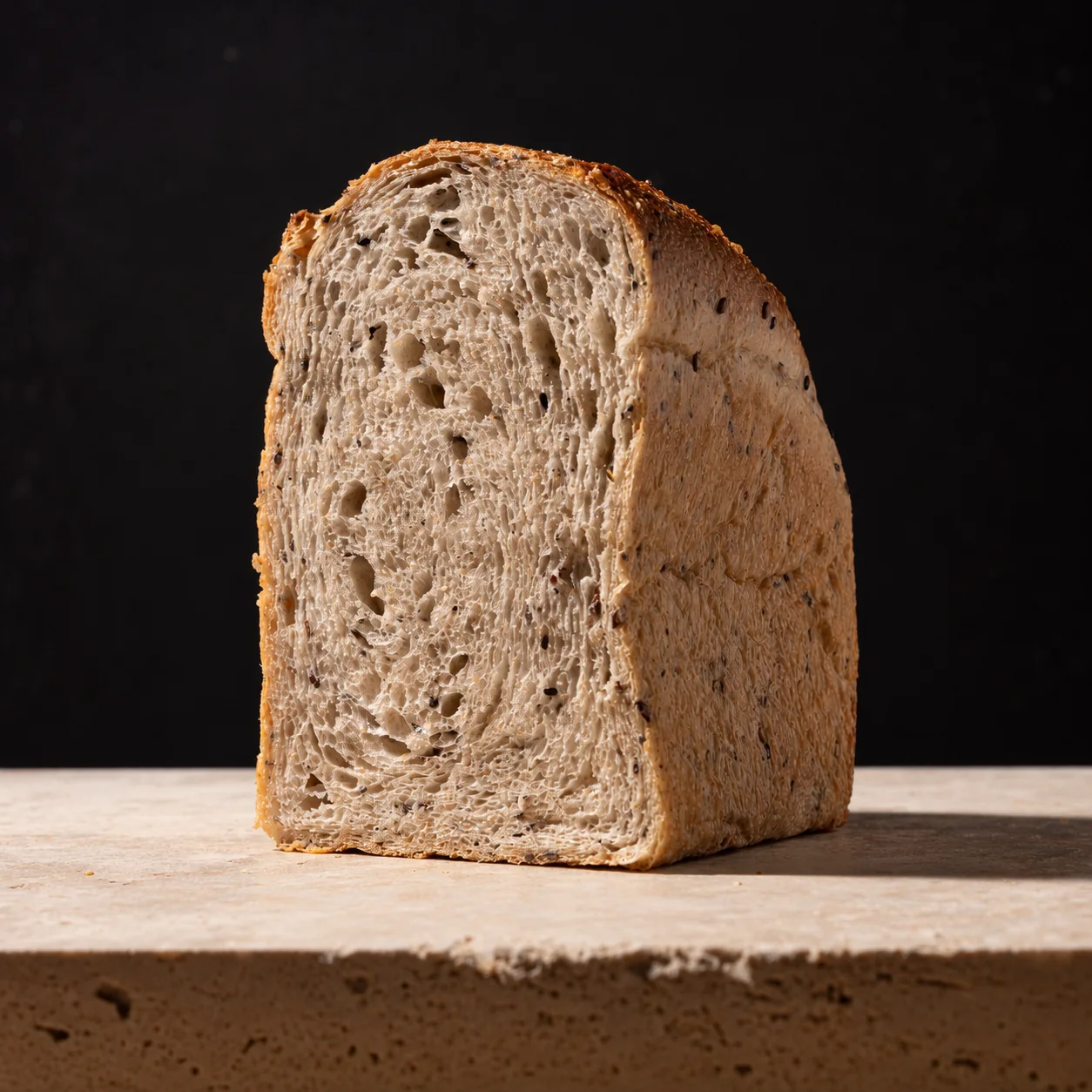
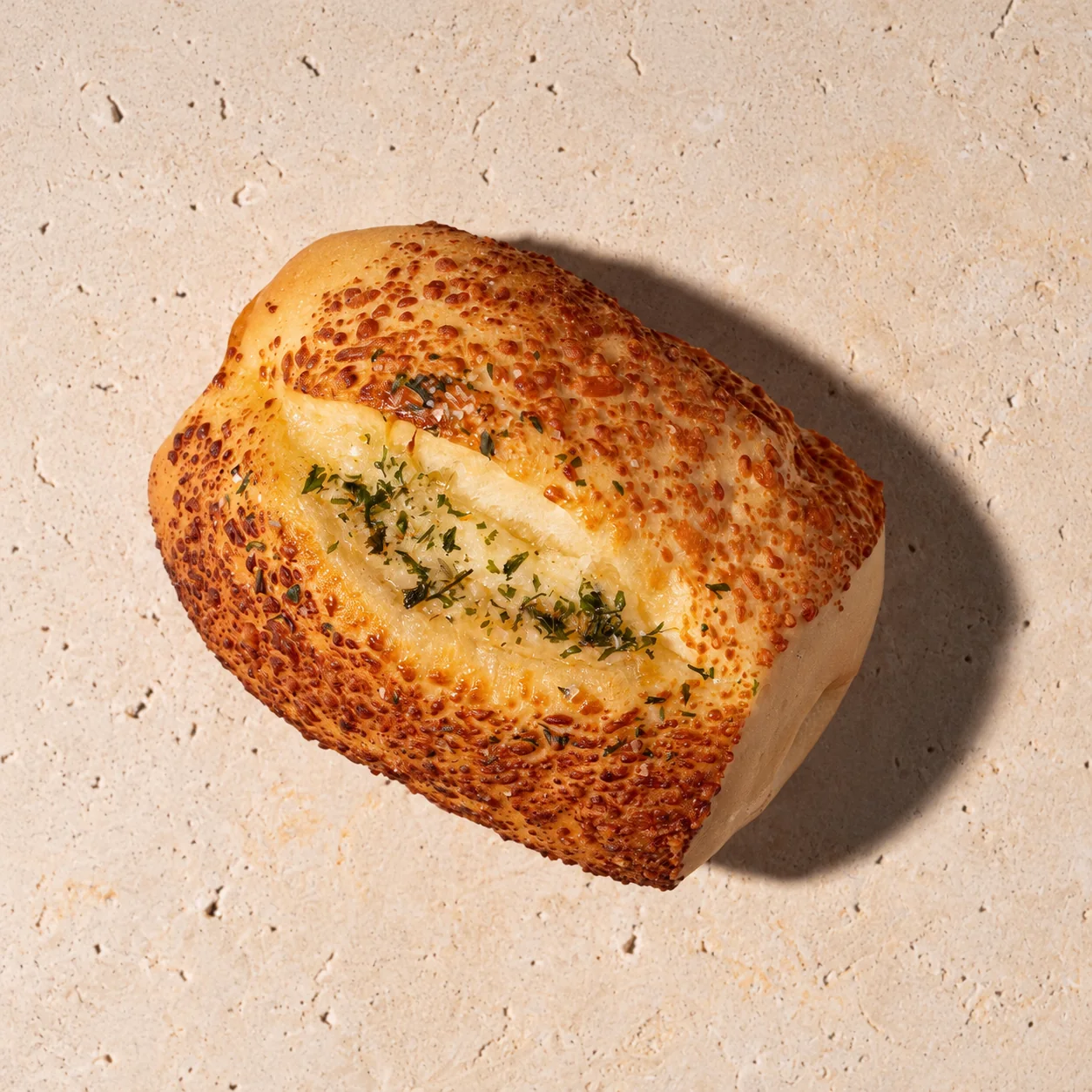
- Soft sandwiches, kids’ lunches, grilled cheese: a soft sandwich loaf. Our Seeded Sourdough Sandwich Loaf is built on sourdough rather than yeast, with black sesame, flaxseed and chia, for that use.
- Hearty sandwiches and more fiber: whole wheat or whole grain sourdough.
- Stuffing, French toast, bread pudding: any of them; slightly dry bread works best.
How can you tell what you’re actually buying?

- Read the first ingredient. “Whole wheat flour” first means a whole grain bread. “Wheat flour” or “enriched wheat flour” is refined flour, even if the bread is brown.
- Look for a starter. A true sourdough lists a starter, levain or “sourdough culture” and usually no added yeast. Some supermarket “sourdough” is yeasted bread with added acid or flavoring.
- Check fiber on the label. A higher fiber number per slice is a quick tell for whole grain.
Questions
Is sourdough better for you than white bread?
If both are made with refined flour, their calories, carbs and fiber are similar. Research suggests sourdough fermentation may produce a smaller blood sugar rise, but the evidence is still low certainty.
Is sourdough whole wheat?
Only if it’s made with whole wheat flour. Sourdough is a way of leavening bread, so it can be white, whole wheat, rye or a blend; check the ingredient list.
Why is sourdough sour?
Lactic acid bacteria in the starter produce lactic and acetic acids during the long fermentation. Longer, cooler ferments and more whole grain flour tend to make it tangier.
Does whole wheat bread have more protein than white?
A little. Per USDA data, commercially prepared whole wheat bread has about 3.5 g of protein per ounce versus about 2.5 g for white bread.
Can people with diabetes eat sourdough?
Many people with diabetes include bread in their meals, but needs vary. A doctor or registered dietitian can help you decide on portions and types of bread that fit your plan.
Sources
- Bread, french or vienna (includes sourdough), SR Legacy 172675 — USDA FoodData Central
- Bread, white, commercially prepared, SR Legacy 174924 — USDA FoodData Central
- Bread, whole-wheat, commercially prepared, SR Legacy 172688 — USDA FoodData Central
- Consumption of sourdough bread and changes in the glycemic control and satiety: A systematic review (Crit Rev Food Sci Nutr, 2024; PMID 35943419)
- Glycemic responses to whole grain sourdough bread versus refined white bread in patients with gestational diabetes (Wien Klin Wochenschr, 2023; PMID 37106088)
Bake it home
Classic Country Sourdough
Harvest Multigrain Sourdough